Written by: Nuno Leiria, Founder & CEO @ Nilo
Key Takeaways
- Browser-based AI 3D tools let you skip desktop installs, Blender, and app switching when you create Roblox props.
- Traditional desktop workflows slow you down with installs, hardware demands, and manual retopology that breaks your creative momentum.
- AI-assisted browser tools help you generate, refine, rig, and export game-ready assets in minutes instead of hours.
- Nilo offers Roblox-focused features like real-time retopology, LOD controls, one-click rigging, and direct FBX/glTF export, all inside your browser.
- Try Nilo for free to skip desktop hassle and start building Roblox props right away.
The Problem: Why Moving From Playing to Creating Feels So Hard
You know how to play Roblox and you have ideas for props, maps, and characters. The friction starts the moment you try to build something custom.
Roblox Studio requires a desktop install and scripting knowledge in Lua before anything interactive works. The most common alternative, Blender, is free but takes significant time to learn, and its mesh-based workflow often produces non-manifold geometry that needs repair before export. Professional tools like Autodesk Maya solve some of these technical issues but introduce new barriers: subscription costs of thousands of dollars per year and interfaces built for studio teams, not solo builders like you. All of these desktop options share a final obstacle: minimum requirements of 8 GB RAM, dedicated GPUs, and specific operating systems, which many aspiring builders simply do not have.
Builders who grew up in Roblox and Minecraft, who have real creative ambition, hit a wall as soon as they try to make something original. You are not blocked by talent or ideas. You are blocked by tools that were never designed for you.
Start creating Roblox props in your browser with Nilo’s open beta.
The Real Cost of Broken Momentum
Every hour you spend troubleshooting a Blender export or hunting for a scripter is an hour you do not spend designing. Builders describe spending five hours modeling a single shipping container in Blender, even though a browser AI tool can generate that prop in under a minute. That kind of time loss slows projects down and often kills motivation completely.
The broader market shows the same shift you feel. Browser-based and WebGL solutions in the 3D rendering market are expanding rapidly and are growing faster than desktop-only tools. AI-first workflows cut initial asset creation time by 70–90%, turning processes that used to take hours into something you can do in minutes.
When your creation flow stays in one place and you go from idea to Roblox-ready prop without switching apps, you build more, finish more, and learn faster. The table below breaks down each workflow step so you can see where browser tools save time and reduce friction compared to traditional desktop pipelines.
Try building a few props in Nilo and feel the difference in your momentum.
AI Browser Tools That Help You Build Roblox Props Faster
AI-assisted browser-based 3D creation tools let you generate, refine, rig, and export game-ready assets entirely inside a web browser. You avoid installation, high-end GPUs, and long setup. You open a link and start building.
Several tools sit in this category. Nilo stands out as a complete pipeline for Roblox builders, with real-time retopology, a LOD slider tuned to Roblox’s polygon caps, one-click rigging, AI animation from text prompts, and direct FBX/glTF export. All of this runs in a browser using WebAssembly and WebGPU. Sloyd offers text-to-3D and image-to-3D generation with parametric templates, topology control, and built-in LOD generation, plus plugins for Unity, Unreal Engine, and Blender. Meshy provides browser-based text-to-3D and image-to-3D generation with PBR texturing, auto-rigging, and direct Roblox export via FBX and GLB. Rosebud AI focuses on vibe coding, where you create games by typing or talking to the AI, but it does not offer a full game engine or deep 3D tools.

Desktop tools feel very different. Roblox Studio is a professional-grade desktop application, powerful but not AI-native and not browser-based. Blender is open-source and capable, but its interface and workflow take significant time to learn, and it is not a game engine. Unity now includes a browser-based editor, yet it still carries decades of professional-grade complexity that does not match what aspiring builders like you usually need.
To see why browser tools reduce friction, compare them to desktop workflows across five key dimensions.
Access From Any Device
Browser tools only need a modern browser. Desktop tools need installation, compatible hardware, and often a specific operating system.
Creation Flow in One Place
Browser tools keep generation, refinement, rigging, and export in one tab. Desktop pipelines usually force you to move files between Meshy, Blender, and Roblox Studio as separate steps.
Building Together With Friends
Nilo supports real-time multiplayer creation, so you share a URL and build together instantly. Desktop tools rely on file sharing and version management, which slows teams down.
Performance Without a High-End PC
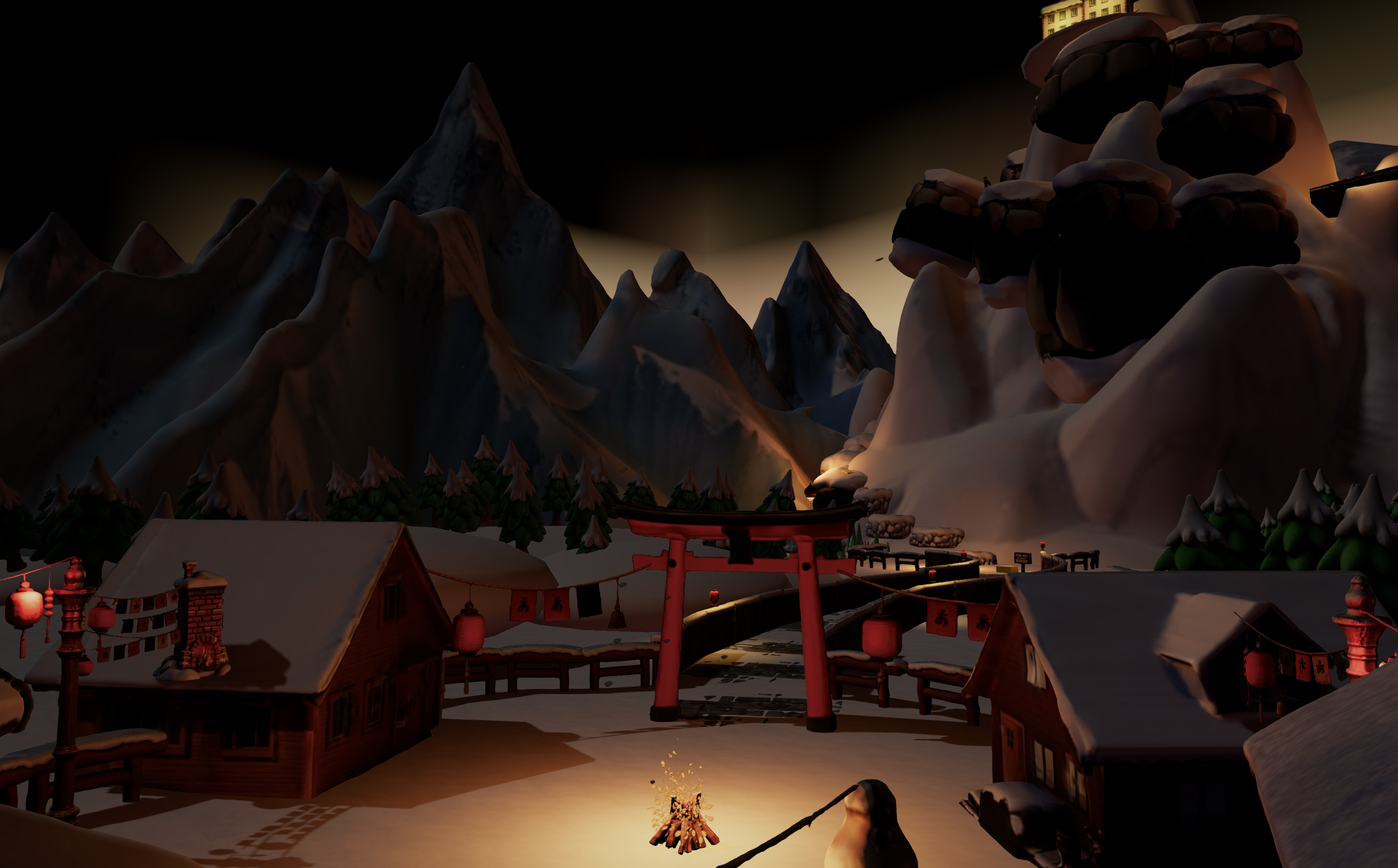
Nilo’s custom engine uses C++ physics compiled to WebAssembly and WebGPU graphics. This setup gives you real-time 3D performance in the browser without local GPU requirements.
Portability Across Devices
Browser tools run on desktop and mobile. Most desktop 3D tools stay locked to specific operating systems and hardware setups.
Browser vs Desktop Workflows
| Workflow Step | Browser Tools (Nilo, Sloyd) | Desktop Tools (Roblox Studio, Blender) | Time & Friction |
|---|---|---|---|
| Setup | Open a URL in any browser | Download installer, configure hardware, create account | Browser: ~0 min. Desktop: 15–60 min |
| Asset Generation | Type a prompt or upload a sketch, model generates in seconds to minutes | Manual polygon modeling or import from a separate AI tool | Browser: 1–3 min. Desktop: hours or separate tool required |
| Retopology & Optimization | Real-time retopology and LOD slider handle polygon reduction automatically | Manual retopology in Blender, separate cleanup pass required | Browser: automatic. Desktop: 30+ min per asset |
| Rigging | One-click rig, AI animation from a text prompt | Manual bone placement and weight painting in Blender | Browser: seconds. Desktop: hours to days |
| Export to Roblox | One-click FBX or glTF export, tuned for Roblox’s polygon caps | Manual export settings, format conversion, polycount checks | Browser: 1 click. Desktop: multiple steps with error risk |
The Nilo export process stays simple. You generate your prop, adjust the LOD slider until the triangle count fits Roblox’s limits, click Export, choose FBX or glTF, and import the file into Roblox Studio. The model arrives clean, optimized, and ready to use.
Key Nilo Features That Keep You in Flow
Generation and Refinement From Text, Sketch, or Image
The main challenge is turning what you see in your head into a 3D mesh. Nilo accepts text prompts, hand-drawn sketches, and reference images, and you can combine them. Its model-agnostic AI layer builds on providers you may already know, so you get strong results without switching tools. As one builder said in Nilo’s February 2026 survey, “There are no limits on what you can create, just type, draw or add in an image and you can generate, rig, customise and place a fully 3D model within minutes.” Sloyd also supports text, image, and parametric template workflows with real-time slider refinement.
Natural-Language Logic and Vibe Coding
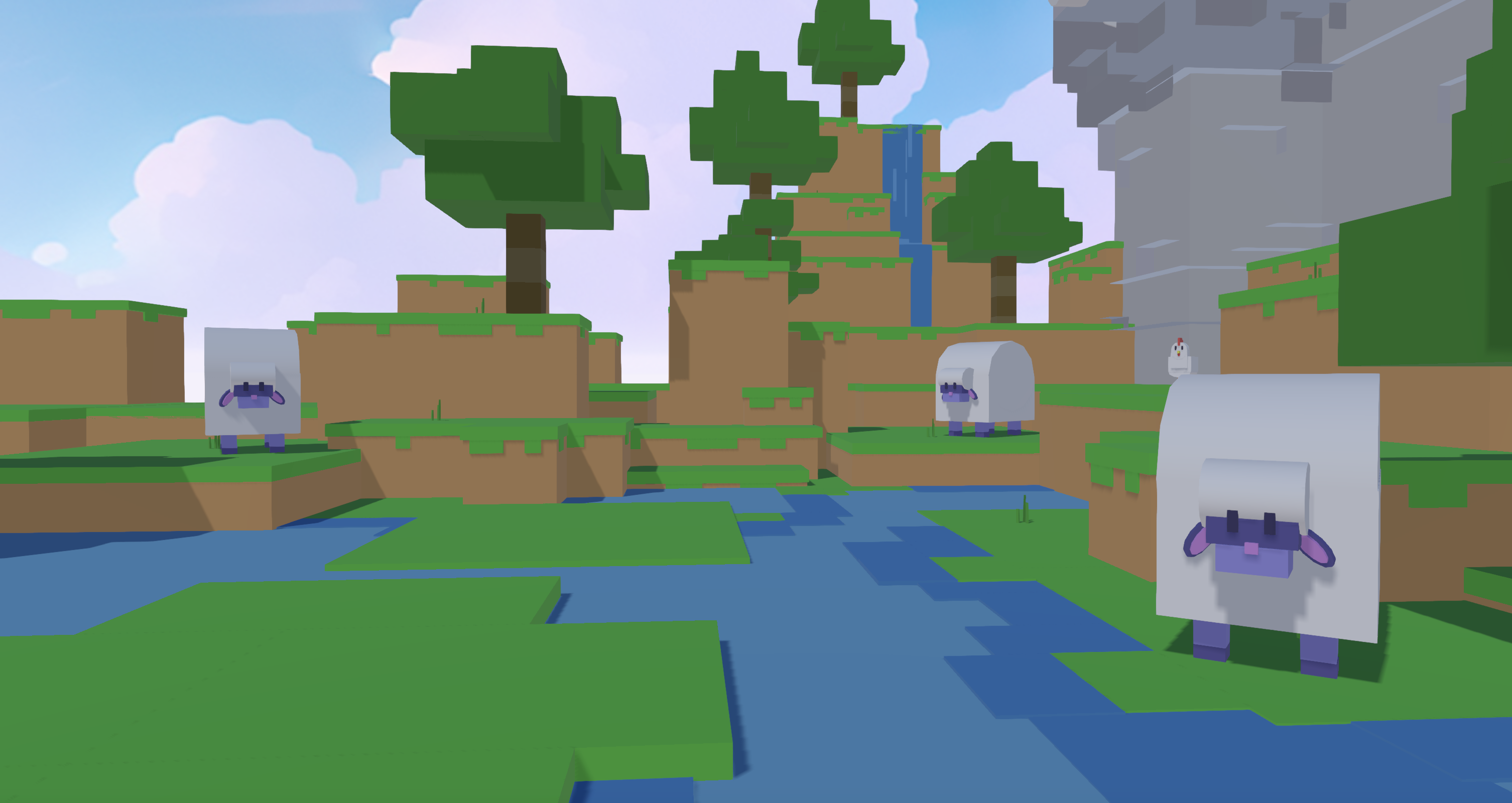
Scripting is one of the biggest reasons builders abandon Roblox projects. Nilo’s built-in code editor accepts natural language prompts, so you type or speak what you want to happen, in any language, and working code appears with real-time feedback in your 3D world. This approach feels like vibe coding, fun and social, with instant 3D feedback and no Lua required.
Fast World Building in the Browser
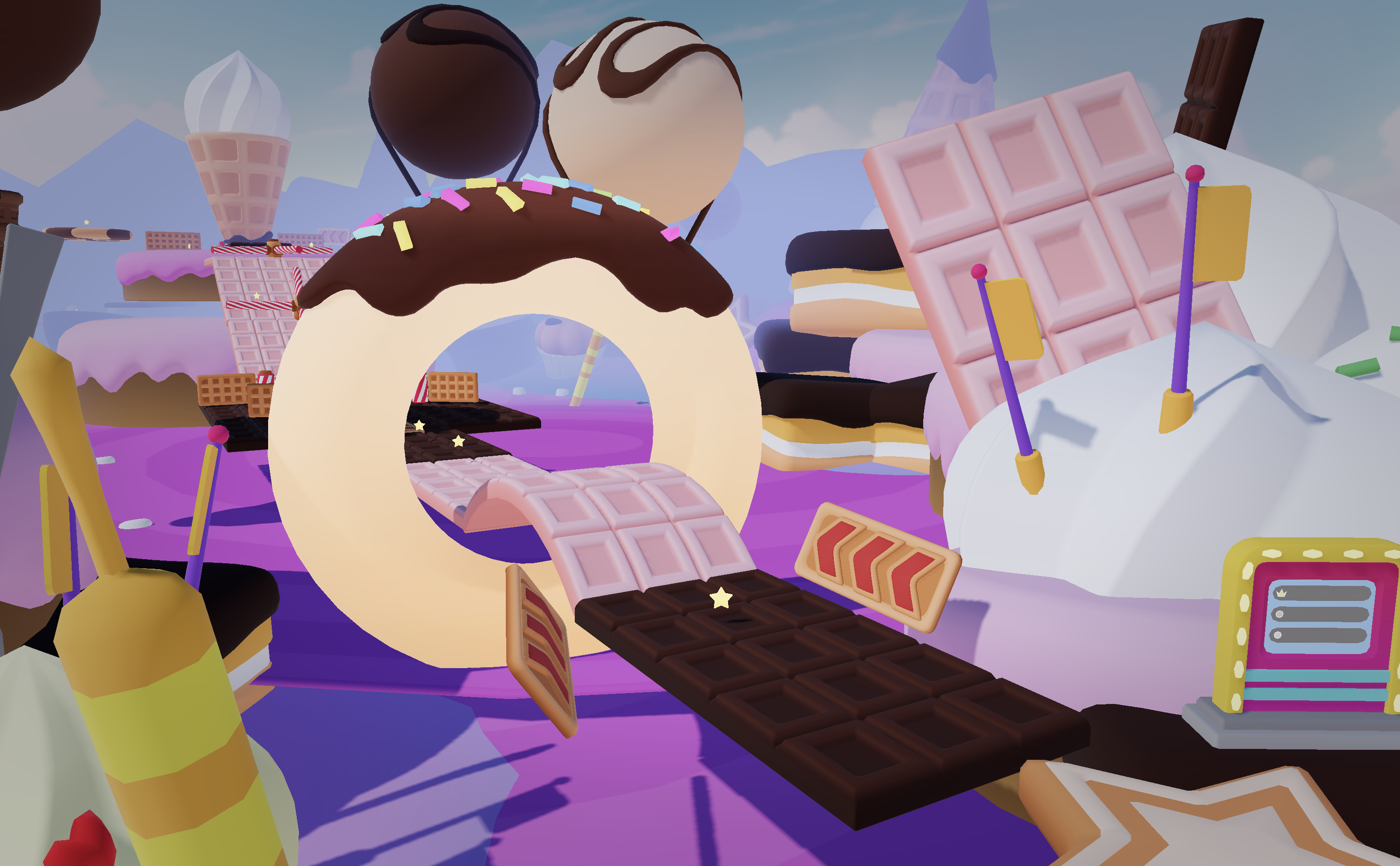
A radial menu lets you place primitives and AI-generated objects quickly. An inspector panel handles detailed property editing. Physics simulation runs in real time, so objects move, collide, and react without extra setup. You can playtest your world in the browser before exporting anything to Roblox Studio.
Automatic Optimization for Roblox Limits
Roblox enforces strict polygon caps. Nilo’s LOD system adjusts polygon counts on the fly, so you stop tracking triangle counts and focus on design. Intelligent retopology combined with part segmentation allows developers to drastically reduce polygon counts of AI-generated meshes to meet real-time rendering budgets, and Nilo handles this step automatically instead of pushing you into a separate Blender pass.
Real-Time Collaboration and Sharing
You share a URL and friends can join your world instantly on desktop or mobile. Real-time multiplayer creation lets you build together the same way you play together. You can publish worlds publicly, keep them private for staging, or clone and remix other builders’ worlds.
Flexible Export to Other Tools
Nilo exports FBX, OBJ, STL, and glTF, which work with Roblox, Unity, Unreal Engine, Blender, and VRChat. The platform does not lock you in. You can use it as your full creation pipeline or as an asset tool that feeds into your existing Roblox Studio workflow.
Try Nilo’s real-time retopology, LOD, and one-click rigging for free.
How to Pick the Right Browser Roblox Prop Builder
You can compare browser prop builders by walking through a few clear criteria.
- Onboarding speed: You should generate your first prop in under five minutes without a tutorial.
- Output quality: The generated mesh should have clean topology so you avoid manual cleanup before use.
- Export compatibility: The tool should export FBX or glTF with correct pivot points, textures, and rig data intact.
- Performance limits: The tool should help you meet Roblox’s polygon caps automatically.
- Collaboration: You should be able to build with friends in real time instead of working alone.
- Learning value: The interface should teach real concepts like retopology, LOD, and rigging instead of hiding everything.
Scenario 1, first-time creator: You have never used a 3D tool and want to make a sword prop for your Roblox game. You need zero-install access, a simple prompt interface, and automatic optimization. Nilo’s browser-based workflow and LOD slider cover these needs without any prior knowledge. Sloyd’s parametric templates are also worth testing for structured, repeatable prop shapes.
Scenario 2, Roblox-focused builder: You already use Roblox Studio and spend 30 or more minutes per asset doing manual retopology in Blender. You need a tool that generates clean topology, hits Roblox’s polygon caps automatically, and exports a file you can drop straight into Studio. Nilo stands out here because its pipeline, from generation through retopology, LOD, rig, and export, is tuned around Roblox’s requirements. Meshy is another option to explore for its PBR texturing and direct Roblox export, although it does not include the same integrated world-building and playtesting environment.
Scenario 3, collaborative team: You and two friends want to build a prop pack together without dealing with file versions. You need real-time multiplayer creation and instant sharing. Nilo’s URL-based collaboration is a key advantage here, since most other browser tools in this category focus on single-user creation.
Test Nilo’s workflow against your current Roblox projects.
Frequently Asked Questions
What is a browser Roblox prop builder?
A browser Roblox prop builder is a web-based tool that lets you generate, refine, rig, and export 3D props compatible with Roblox Studio. You do everything inside your browser with no software installation. You open a URL, create your asset using text prompts, sketches, or images, tune it for Roblox’s polygon limits, and export a file you can import directly into Roblox Studio.
Do I need Blender skills or coding knowledge to build Roblox props in a browser?
No. Browser-based tools like Nilo handle the technical work for you. Retopology, LOD optimization, and rigging happen automatically or through simple sliders. Nilo’s vibe coding editor also lets you add game logic by typing or speaking in plain language, so you do not need Lua scripting skills.
How is a browser prop builder different from Roblox Studio?
Roblox Studio is a professional-grade desktop application that needs installation, compatible hardware, and scripting knowledge to make anything interactive. Browser prop builders run in any modern web browser, require no installation, and use AI to handle steps that would normally require Blender or a scripter. Nilo exports directly to Roblox Studio, so you create and optimize in Nilo, then import into Roblox Studio for final publishing.
Will AI-generated props actually pass Roblox’s performance checks?
AI-generated meshes from many tools need manual cleanup before they meet Roblox’s polygon caps. Nilo’s real-time retopology and LOD slider are built to solve this problem. They reduce triangle counts automatically so your exported file stays within Roblox’s limits and arrives ready to use. In Nilo’s February 2026 survey, 72% of builders said Nilo makes their creative process easier by “a lot,” and 82% rated their experience as “Awesome” or “Good.”
Can I use a browser prop builder on a phone or low-end laptop?
Yes. Nilo runs on desktop and mobile browsers using WebAssembly and WebGPU, with a WebGL fallback for older devices, so it does not need a dedicated GPU or high-end hardware. You only need a modern browser and an internet connection. This mirrors the same shift that allowed Figma to bring professional design tools into the browser, now applied to 3D game asset creation.
Conclusion: Match Your Tools to Your Roblox Goals
Desktop tools like Roblox Studio, Blender, and Unity are powerful, yet they were built for professionals, not for builders who want to go from idea to Roblox-ready prop in an afternoon. A fragmented pipeline of separate modeling, cleanup, rigging, and export tools breaks your momentum and often burns you out before you finish your first project.
Browser-based AI creation tools keep your workflow in one place. If you care most about Roblox-focused optimization with real-time retopology, a LOD slider, one-click rigging, and direct FBX/glTF export, Nilo stands out as a strong option in this category. If you want parametric templates and high-volume generation for static props, Sloyd is worth exploring. If deep PBR texturing matters most, Meshy covers that pipeline well.
The right tool depends on what you are building, who you are building with, and how much technical overhead you want to manage. Start by testing onboarding speed and export quality against your actual Roblox project requirements.