Written by: Nuno Leiria, Founder & CEO @ Nilo
Key Takeaways for You as a Roblox Creator
- Raw AI-generated meshes rarely meet Roblox accessory specs, so you need automatic cleanup before you upload anything.
- A simple 5-step browser workflow – eligibility check, AI generation, LOD retopology, one-click rigging, and Marketplace listing – lets you skip Blender completely.
- Nilo’s real-time LOD slider and built-in retopology keep triangle counts and textures within Roblox limits, so you avoid most manual fixes.
- One-click export gives you Roblox-ready FBX or glTF files that keep collision masks and vertex colors for direct import.
- Ready to skip the Blender bottleneck and ship your first item faster? Start building in Nilo’s open beta and try creating and playing for free.
5-Step Workflow to Create and Sell UGC on Roblox with AI
- Check Roblox UGC eligibility, so your account can actually publish before you spend time building.
- Generate Roblox-style assets with AI prompts, using low-poly, cartoon, game-asset language for cleaner meshes.
- Optimize and retopologize automatically, so triangle counts and textures land inside Roblox limits without Blender.
- Rig and export in one click, then grab a Roblox-ready FBX or glTF file with collision masks and colors intact.
- Upload, price, and start earning, so your work shows up on the Roblox Marketplace and can start bringing in Robux.
Check your eligibility, then jump into Nilo’s open beta to build and play in your browser for free.
Step 1: Confirm Your Roblox UGC Eligibility
You need a ready account before you worry about meshes or thumbnails. Three requirements apply right now:
- ID verification, because Roblox requires ID verification and/or a Roblox Plus or Premium membership (depending on whether the asset is 2D or 3D) for users and groups to upload, publish, and maintain UGC marketplace items on sale.
- Roblox Premium subscription, since an active Roblox Premium 1000 or 2200 subscription (or Roblox Plus) is currently required, along with ID verification, to publish avatar items to the Marketplace.
- Publishing fee, because publishing a new 3D UGC item requires a 300 Robux upload fee plus a variable rebatable publishing advance (typically 600–2,500 Robux).
Roblox has stated it will re-evaluate UGC eligibility criteria early in 2026, with a priority of minimizing impact on well-intentioned creators, so check the Developer Forum for the latest rules before you publish. In a February 2026 Nilo survey, aspiring builders like you flagged eligibility confusion as a top reason they stalled before uploading a first item. Sort this out first and you avoid wasting build time on an account that cannot publish yet.
Step 2: Write AI Prompts That Match Roblox’s Style
Prompt quality controls how much cleanup you face later. Using game-specific language like “low-poly,” “cartoon-style,” and “game asset” in your prompts helps AI tools produce outputs that more closely comply with Roblox’s triangle limits from the start.
The right tool should minimize the work between your prompt and a sellable asset. When you compare tools, focus on four things that affect how much fixing you will do later: output cleanliness (how much manual mesh repair you face), polygon control (whether you can set a target triangle count before export), export compatibility (whether it outputs FBX or glTF that Roblox Studio accepts), and time to marketplace (how many extra steps sit between generation and upload).
Meshy generates models from text or images and lets you select Roblox as a target platform for automatic optimization, but raw AI-generated meshes still commonly require post-generation refinement because outputs often exceed triangle budgets or lack clean topology. Customuse focuses on avatar customization. UGCraft targets UGC workflows specifically. All three keep you in charge of retopology, either in Blender or through separate optimization tools, before the mesh actually passes Roblox checks.
Nilo stands out here because its model-agnostic AI layer pulls from multiple generation providers (including Meshy and Tripo) behind one interface, so you get strong outputs without switching tabs. Optimization then happens in the same tool, which is where Step 3 comes in.

Step 3: Clean Up AI Models with Automatic LOD and Retopology
Retopology rebuilds a mesh’s surface so it stays clean, efficient, and game-ready. Doing this by hand in Blender for a single asset can take 30 minutes or more. When you repeat that across a whole catalog, the time sink becomes a major reason many creators quit before listing anything.
Raw AI-generated 3D models typically exceed Roblox performance constraints on triangles, textures, draw calls, and file size, requiring optimization steps including automatic low-poly simplification and texture compression to 1024×1024 resolution.
Nilo’s real-time LOD (level of detail) system, which automatically adjusts polygon counts on the fly, handles this without you touching a single vertex. Drag the LOD slider and watch the triangle count drop in real time. For rigid accessories, you aim for Roblox’s triangle limits. For in-game props, the recommended range is 1,000–3,000 triangles. Nilo keeps textures at or below 1024×1024 automatically, which also satisfies Roblox’s recommendation for optimal performance of imported 3D assets, so both polygon count and texture size stay compliant without extra tools.
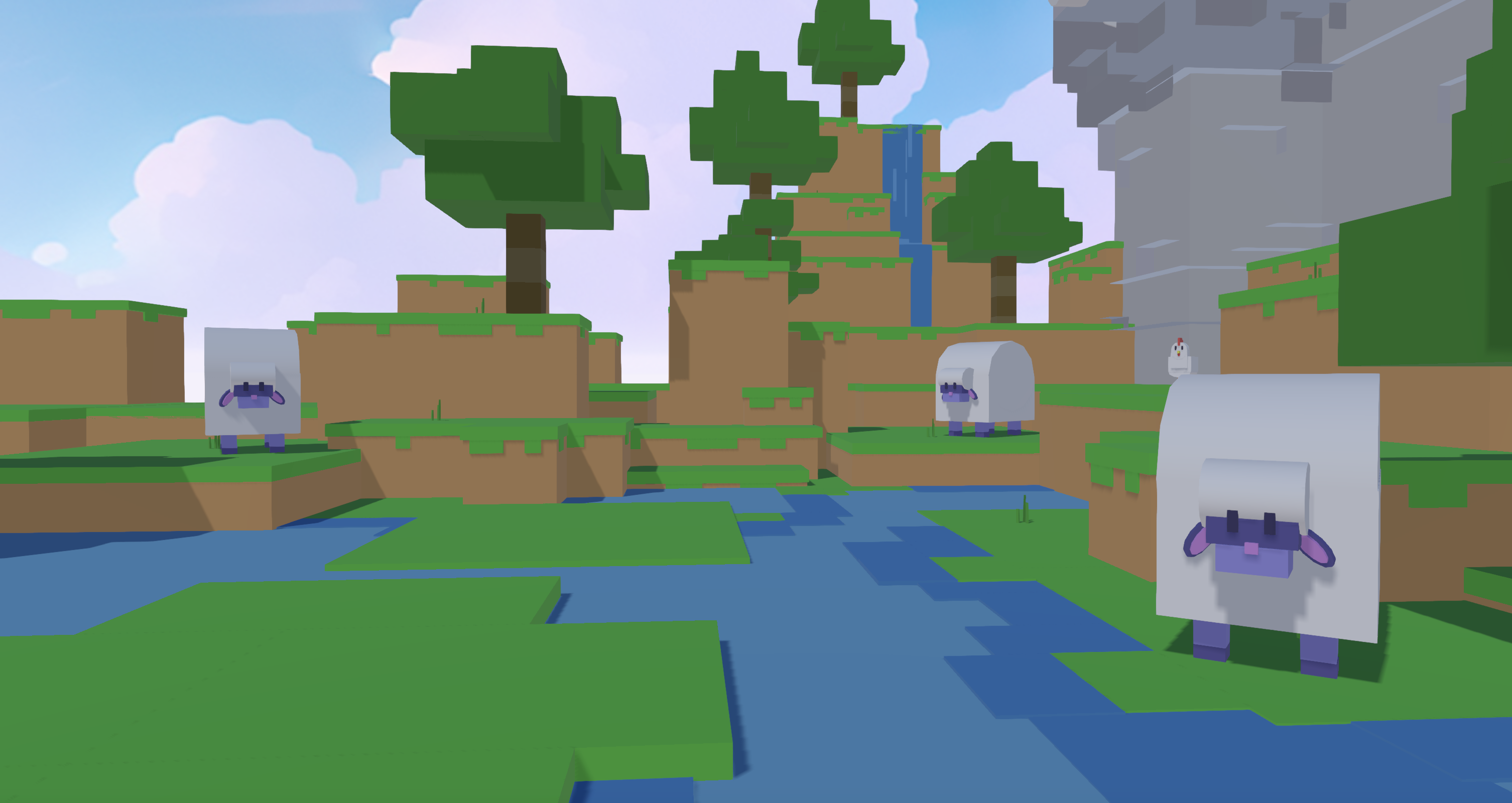
As one builder put it in Nilo’s February 2026 survey: “I do not have to spend hours on 3D modeling the simplest things. Now I can use Nilo and do it in 15 seconds.”
Step 4: Rig and Export a Roblox-Ready File in One Click
That same speed advantage applies to rigging, the process of adding a skeleton to a 3D model so it can move and animate. In professional tools like Blender, rigging a character correctly can take days. Nilo’s one-click rigging compresses that work into seconds.
Once your mesh is optimized, you hit Export. Nilo outputs a Roblox-ready FBX or glTF file that preserves collision masks and vertex colors, two details that often break when you chain tools like Meshy, Blender, and Roblox Studio together. The file then imports directly into Roblox Studio with no extra configuration.
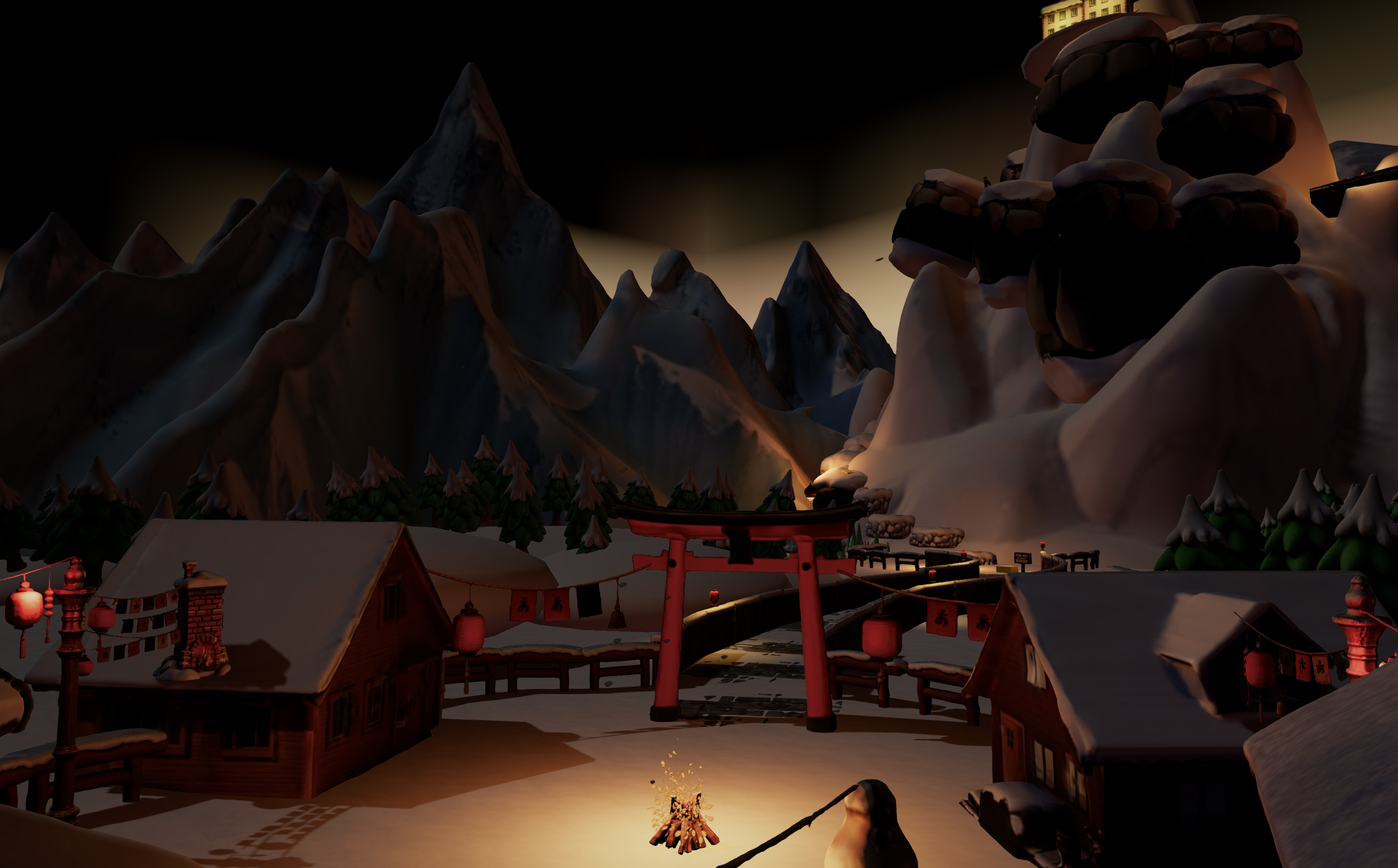
Everything runs in your browser. You avoid installs, high-performance hardware, and plugins. Nilo works as a standalone platform, so you create in your browser and then export straight to Roblox Studio.
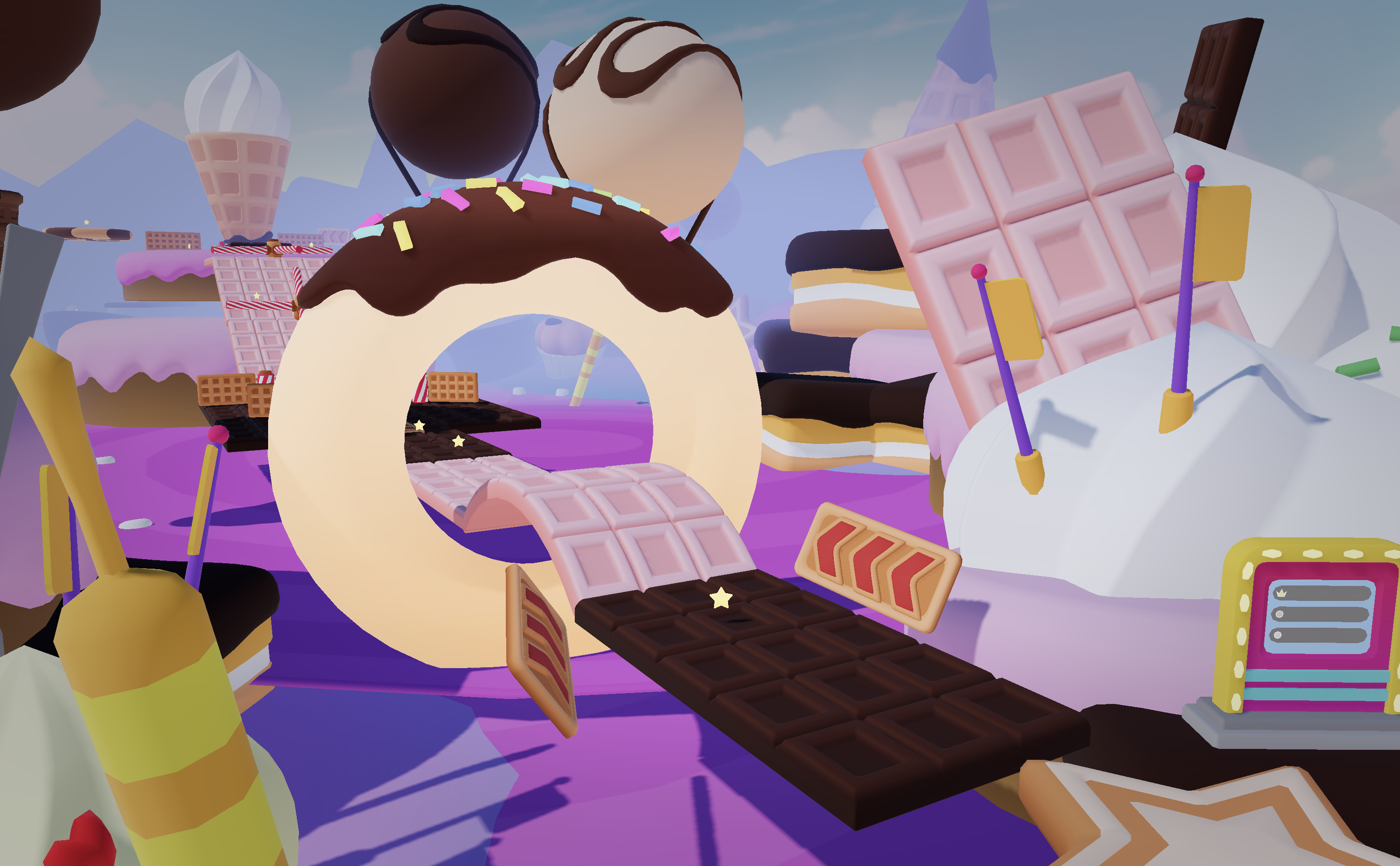
Step 5: Upload, Price, and Help Players Discover Your Item
With a compliant FBX in hand, you move from export to upload. Open Roblox Studio, import your asset, and submit it to the Marketplace. Three factors directly affect whether your first item gets discovered and purchased, so dial these in before you hit submit:
- Thumbnail quality, because a clean, well-lit render on a neutral background boosts click-through rate. You can use Roblox Studio’s camera tools or render a preview directly from Nilo before export.
- Pricing within your category, based on what similar accessories sell for. Undercutting by a small margin on your first item can help you collect early sales and reviews.
- Accurate tags and category, since Roblox search relies on tags and item type. Mislabeling a rigid accessory as layered clothing often triggers rejection and slows you down.
The market is real and active. Getting your first item listed feels like the biggest hurdle, but once you ship one accessory, your next iterations move much faster.
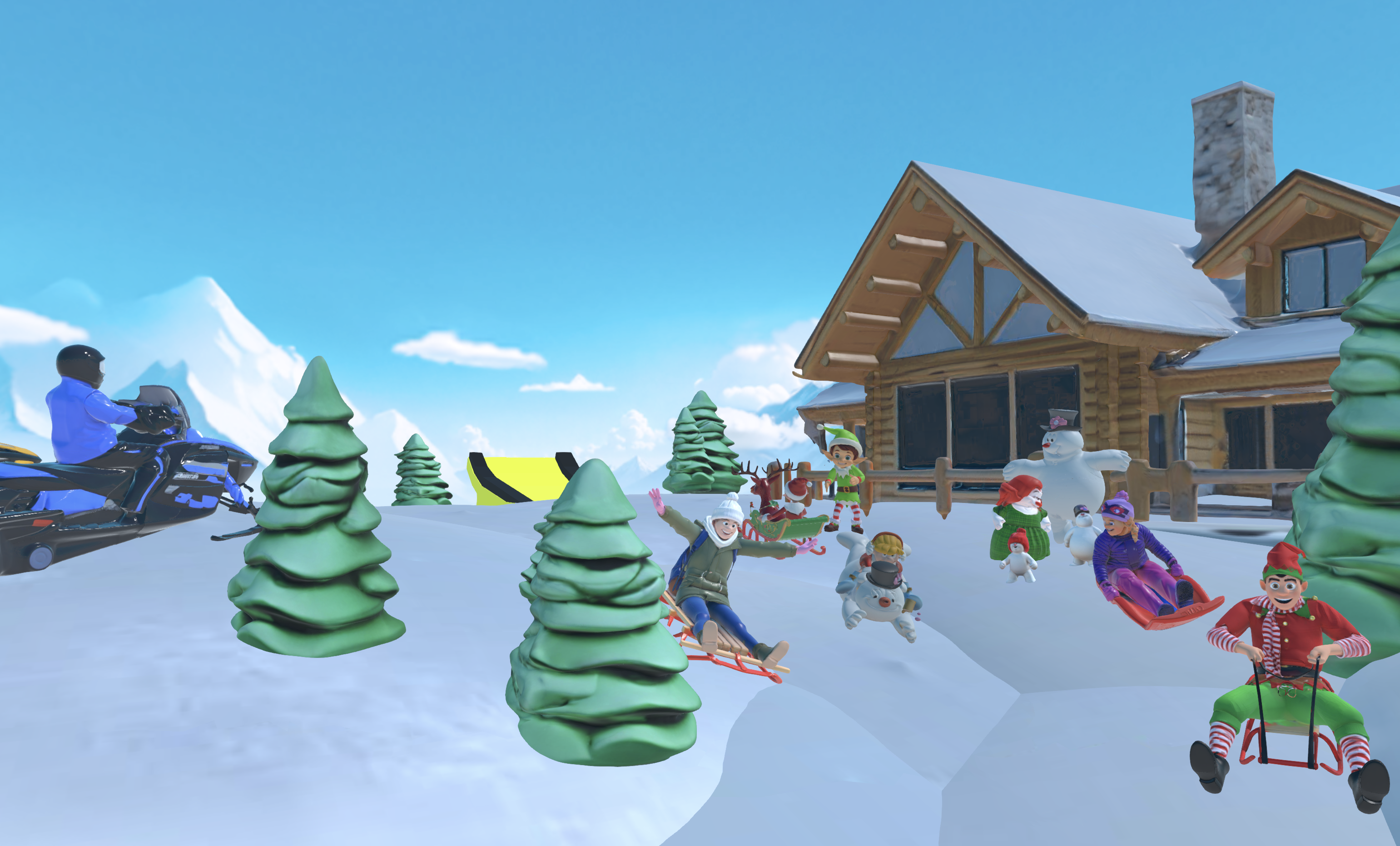
Common Roblox UGC Rejections and How You Fix Them
Roblox’s moderation system blocks assets that miss technical specs, and the same issues show up again and again. When you understand these patterns, you can design and export assets that pass review on the first try.
- Mesh not watertight. Roblox rigid accessories must be watertight with no exposed holes or backfaces. In Nilo, the LOD system produces clean, closed geometry by default. If you import a mesh from another tool, check for open edges before export.
- Backfaces visible. Backfaces are inside-facing surfaces that should not be visible from the outside. Roblox flags these as a problem. Nilo’s optimization pass removes them automatically.
- Texture too large. Roblox sets limits on texture resolution for Marketplace accessories. For performance, 1024×1024 is the practical target, and Nilo exports at this size by default.
- Triangle count over limit. Roblox sets triangle limits for rigid accessories. You can run the LOD slider in Nilo until the counter lands inside the limit before you export.
- Non-quad geometry. Roblox recommends clean quad-based geometry. AI-generated meshes often include n-gons, which are faces with more than four sides. Nilo’s retopology pass converts these automatically.
Frequently Asked Questions
What is the triangle limit for Roblox UGC accessories?
Roblox rigid accessories have specific triangle limits, and these rules apply to avatar accessories you submit to the Marketplace. In-game props imported into Roblox Studio can use higher budgets, but sellable UGC accessories still need to stay efficient. Nilo’s LOD slider helps you hit the target in real time, so you do not need manual retopology in Blender.
Do I need Roblox Premium to sell UGC items?
Yes. As covered in Step 1, you need an active Premium subscription (1000 or 2200 tier) or Roblox Plus, plus ID verification, along with the 300 Robux upload fee and publishing advance. Roblox is re-evaluating these requirements in early 2026, so check the Roblox Developer Forum for updates before you submit.
How much can I earn selling UGC on Roblox?
Earnings vary a lot based on item type, pricing, and how well your thumbnail and tags perform in search. Many creators start with smaller accessories such as hats, shoulder items, and back accessories, then build a catalog over time. Your first sale mainly teaches you the upload and pricing flow. Real scaling comes from shipping more items and learning from each one.
Can I use AI-generated meshes directly in Roblox without cleanup?
Not usually. As explained in Step 3, raw AI outputs need optimization to meet Roblox’s technical specs. Nilo’s real-time LOD system handles polygon reduction, texture sizing, and topology cleanup in the same place where you generate the asset, so you are not jumping between apps just to fix one mesh.
How long does it take to go from AI prompt to a listed Roblox UGC item?
With a compliant workflow, the technical steps such as generation, optimization, rigging, and export can fit inside 15 minutes. Roblox moderation review then adds a few days on top. In Nilo’s February 2026 survey, builders reported generating and optimizing assets in as little as 15–20 seconds, compared to hours of manual work in Blender. Upload and pricing add only a few more minutes, and first-time submissions sometimes need one revision if a technical spec is off, which the Common Rejection Fixes section above helps you avoid.
Conclusion: Turn Your Next Prompt into Robux
Your path stays simple: confirm eligibility, write Roblox-friendly prompts, clean your mesh to Roblox specs, export in one click, and list your item. The painful parts that used to slow you down, like manual retopology, Blender cleanup, and polygon counting, now run automatically.
Nilo stands out because it connects all five steps in a single browser tab. You avoid installs, Blender detours, and long Meshy to Blender to Roblox Studio chains that break your focus. You just generate, optimize, rig, export, and start earning.
In Nilo’s February 2026 survey, 93% of builders said they would recommend Nilo to a friend. The open beta is live right now and ready for you.
Ready to turn your next prompt into Robux? Join Nilo’s open beta and start building for free.