Written by: Nuno Leiria, Founder & CEO @ Nilo | Last updated: June 25, 2026
Key Takeaways for Aspiring 3D Game Creators
- Traditional tools like Roblox Studio, Unity, and Blender create steep learning curves with installs, scripting, and complex interfaces that block you from turning ideas into games.
- AI-assisted browser-based platforms remove installation and coding barriers by letting you generate 3D assets, animations, and game logic with natural language prompts.
- Key capabilities to look for include real-time collaboration through shareable links, automatic polygon control for Roblox limits, and export options to FBX, OBJ, STL, and glTF formats.
- These tools support many creator paths, from first-time weekend projects to Roblox asset pipelines and team-based world building, while teaching core concepts through intuitive interfaces.
- Experience smoother 3D game creation with Nilo by joining the open beta.
The Problem: Why Traditional Tools Block Your First Game
Roblox Studio, Unity, and Blender were built for professional developers. They are powerful, but they were never designed for you if you just finished a Roblox session and now want to make something of your own.
Roblox Studio requires installation on a desktop, scripting knowledge in Lua, and manual 3D modeling for anything beyond basic shapes. Unity adds C# scripting, a multi-panel interface, and a project setup process that can take an hour before you place a single object. Blender is a free 3D modeling tool that can take months or years to learn and is not a game engine at all. You still need to export from Blender into a separate engine, then script interactions there.
The result is simple to describe and hard to live with. Creating a single playable game means learning a modeling tool, a code editor, a game engine, and game design fundamentals, all separately and all at once. That is not a learning curve. It is a wall.
Why This Wall Kills Your Momentum and Collaboration
This complexity does more than slow you down. It kills the creative momentum that got you excited in the first place. Creative momentum is fragile, and when you have an idea and the tool fights you, the idea usually dies.
Builders across the Roblox community describe spending five hours modeling a single object in Blender, then abandoning the project before it ever becomes a game. That cycle of excitement, friction, burnout, and restart can repeat for years.
You also face an isolation problem. Roblox Studio and Unity are single-player experiences by default. You build alone, on your machine, with no easy way to invite a friend to help in real time. The games that inspired you to create were social. The tools that ask you to create them are not.
Scripting often becomes the single biggest barrier. If you can build environments but cannot code, you either spend months learning Lua or search for a scripter to partner with. That search can stall a project indefinitely, and many aspiring builders describe this as the moment they give up.
The Solution Category: AI-Assisted Browser-Based 3D Game Creation
A newer category of tools tackles these problems directly. AI-assisted browser-based 3D creation platforms run entirely in your web browser, with no installation, no downloads, and no high-performance hardware required. They use generative AI to handle the technical work that used to require professional skills, such as 3D modeling, rigging, animation, and basic game logic.
This category sits apart from two older approaches. Desktop engines like Roblox Studio, Unity, and Unreal Engine are powerful but require installation, scripting, and significant technical training. Prompt-to-game tools like Rosebud AI or Bitmagic generate a game from a single text prompt, but give you little control over the result and no hands-on building environment. You describe something, the tool generates something, and tweaking it is difficult.
AI-assisted browser-based tools land between those two extremes. You build hands-on inside a 3D world, and AI handles the parts that would otherwise require professional software. Browser delivery means you can share a link and start building with a friend instantly, on many different devices.
Key Capabilities That Make Browser Tools Beginner-Friendly
The following capabilities define what makes a browser-based 3D creation tool actually helpful for you. Use them as a checklist when you compare platforms.
3D Asset Generation and Refinement
Text-to-3D generation lets you type a description, such as “a wooden shield with metal rivets,” and get a 3D model in seconds. Sketch-to-3D pipelines go further. You draw a rough shape in 2D, refine it with AI, and drag it into your world.
Output quality and style vary between tools and between the AI models they use. Look for platforms that let you switch between multiple AI model providers so you are not locked into one result. Platforms like Nilo stand out here by connecting multiple AI providers, including Meshy and Tripo, behind one interface. You can generate 3D characters, weapons, and props in seconds without breaking your creative flow.

Scripting Alternatives with Natural Language Prompts
Natural language prompts let you create 3D game logic by just talking, texting, or even sending images to the AI. Instead of writing code, you describe what you want, such as “make this door open when the player walks near it.” The AI generates working code and applies it in real time.
You can also see and adjust the actual code variables, like changing “speed = 2” to “speed = 20.” This teaches real programming concepts without forcing you to write everything from scratch. Many builders call this vibe coding, because you focus on the behavior you want instead of the syntax.
World Building and Scene Assembly
Browser-based tools usually offer radial menus or drag-and-drop interfaces for placing objects, setting environments, and customizing physics. Strong tools run physics simulation in real time, so your world feels alive as you build it, not only when you press a play button.
Handling Optimization and Performance Limits
Roblox caps 3D models at roughly 10,000 to 20,000 polygons, which are the triangles that make up a 3D mesh. This limit matters because most AI-generated models exceed it and become too heavy for Roblox to handle smoothly.
Traditionally, you would need to clean them up in Blender through retopology, which means rebuilding the mesh with fewer, cleaner triangles. Tools with a built-in LOD, or level of detail, system handle this automatically. They adjust polygon counts on the fly so your models stay within platform limits without extra work from you.
Collaboration and Sharing with Friends
Real-time multiplayer creation, where you build together with friends by sharing a link, defines this category for many builders. Not all tools offer it, and some are single-creator environments that require you to export and share files manually.
If building with friends matters to you, confirm that a tool supports live co-creation before you commit to it.
Export and Interoperability Across Platforms
Standard 3D export formats such as FBX, OBJ, STL, and glTF keep your work from being locked inside one platform. Nilo exports in all of these formats and works with Roblox, Unity, Unreal Engine, Blender, and VRChat.
This flexibility means you can start in Nilo and continue in any other tool. You can also use Nilo purely as an asset creation pipeline for Roblox Studio.
How To Rank the Easiest 3D Game Makers for Beginners
If you are evaluating browser-based 3D creation tools, test them against these criteria so you choose a platform that matches how you like to build.
Onboarding speed. Measure how long it takes to place your first object and see it move. If setup takes more than a few minutes, that signals the tool was not designed for beginners. This first impression matters because if you cannot see results quickly, you will likely lose momentum before you learn anything meaningful.
Output quality. Once you are past that initial setup, check whether the AI-generated content actually works for your game. Test the same prompt across multiple tools and compare topology, which is the structure of the 3D mesh, and texture quality.
Browser vs. desktop differences. Browser tools trade some raw performance for instant access and easy sharing. Check whether the tool runs smoothly on your actual device, not only on a high-end desktop in a demo video.
Export compatibility. If you plan to use your creations in Roblox, Unity, or another platform, verify that the tool exports in a compatible format. Also confirm that the exported files work without a long list of manual fixes.
Collaboration features. Check whether you can invite a friend to build with you in real time and whether that feature is available on the free tier. Some tools reserve collaboration for paid plans, which can limit you and your friends.
Scripting alternatives. Look for natural language prompts for game logic instead of pure code. If a tool offers vibe coding, test whether the generated logic works in a simple scenario before you rely on it for a full project.
Real-World Scenarios: Picking Tools for How You Build
The First-Time Creator Who Wants a Weekend Win
You have never used a game engine before and want to build something playable this weekend. Browser-based tools with zero installation and AI-assisted generation give you the smoothest starting point.
Nilo stands out for this scenario. You open a browser, describe what you want to build, and your first 3D object appears in seconds. As one builder put it, “I do not have to spend hours on 3D modeling the simplest things. Now I can use Nilo and do it in 15 seconds.” Roblox Studio and Unity both require installation and scripting knowledge before you can make anything interactive, which creates a heavy barrier for a first weekend project.
The Roblox-Focused Builder Improving Their Pipeline
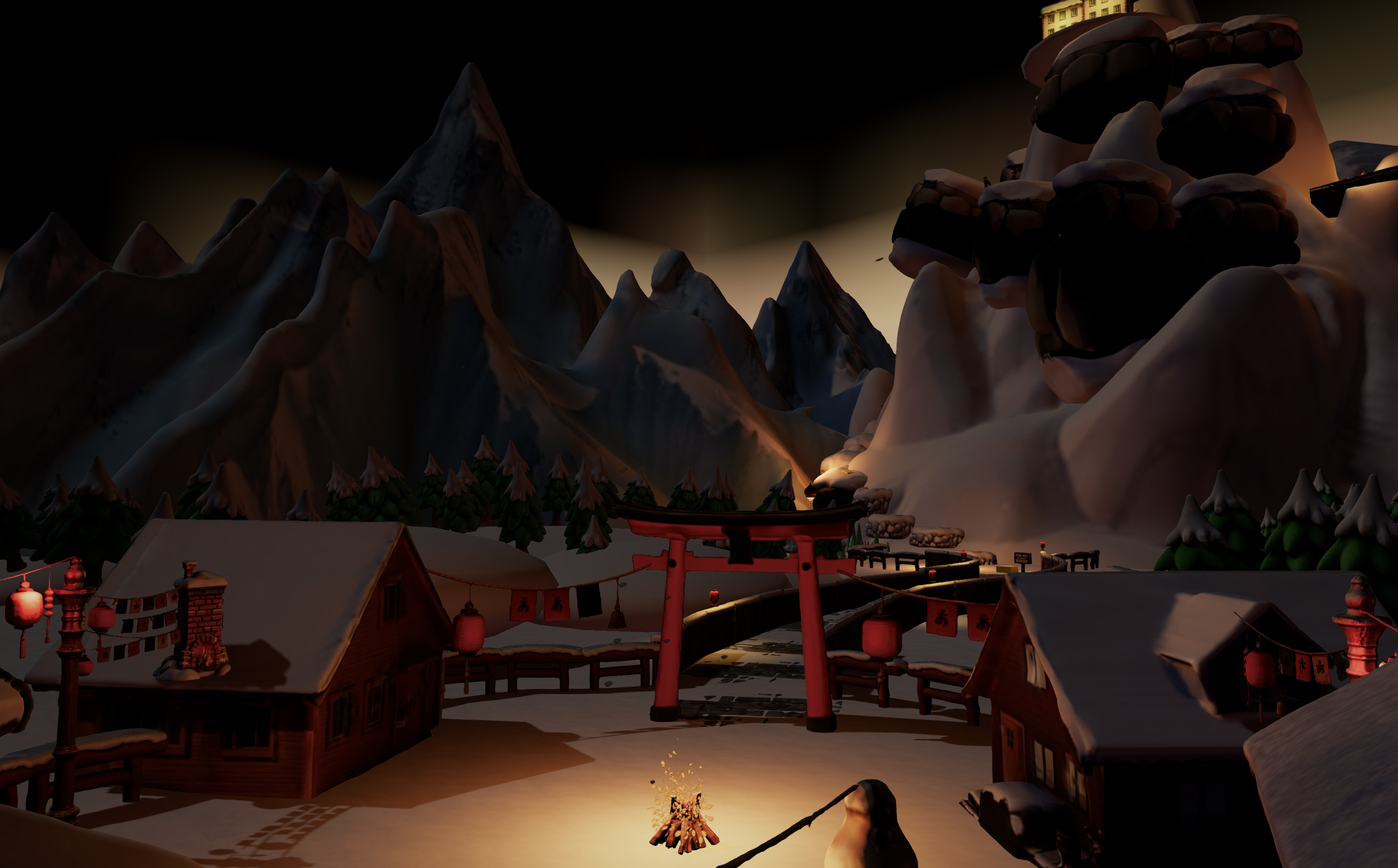
You already build in Roblox Studio but spend too much time cleaning up AI-generated assets in Blender or hitting polygon limits on export. In this case, you need a tool that respects Roblox’s technical limits and speeds up your asset workflow.
Nilo helps here because its LOD system automatically adjusts models to meet Roblox’s 10,000 to 20,000 polygon caps, and it exports directly in Roblox-compatible formats. The workflow of generate, optimize, rig, and export happens in one browser tab instead of across three separate tools. Other builders described working “20 times faster” on models compared to their previous workflows.
The Collaborative Team Building After School
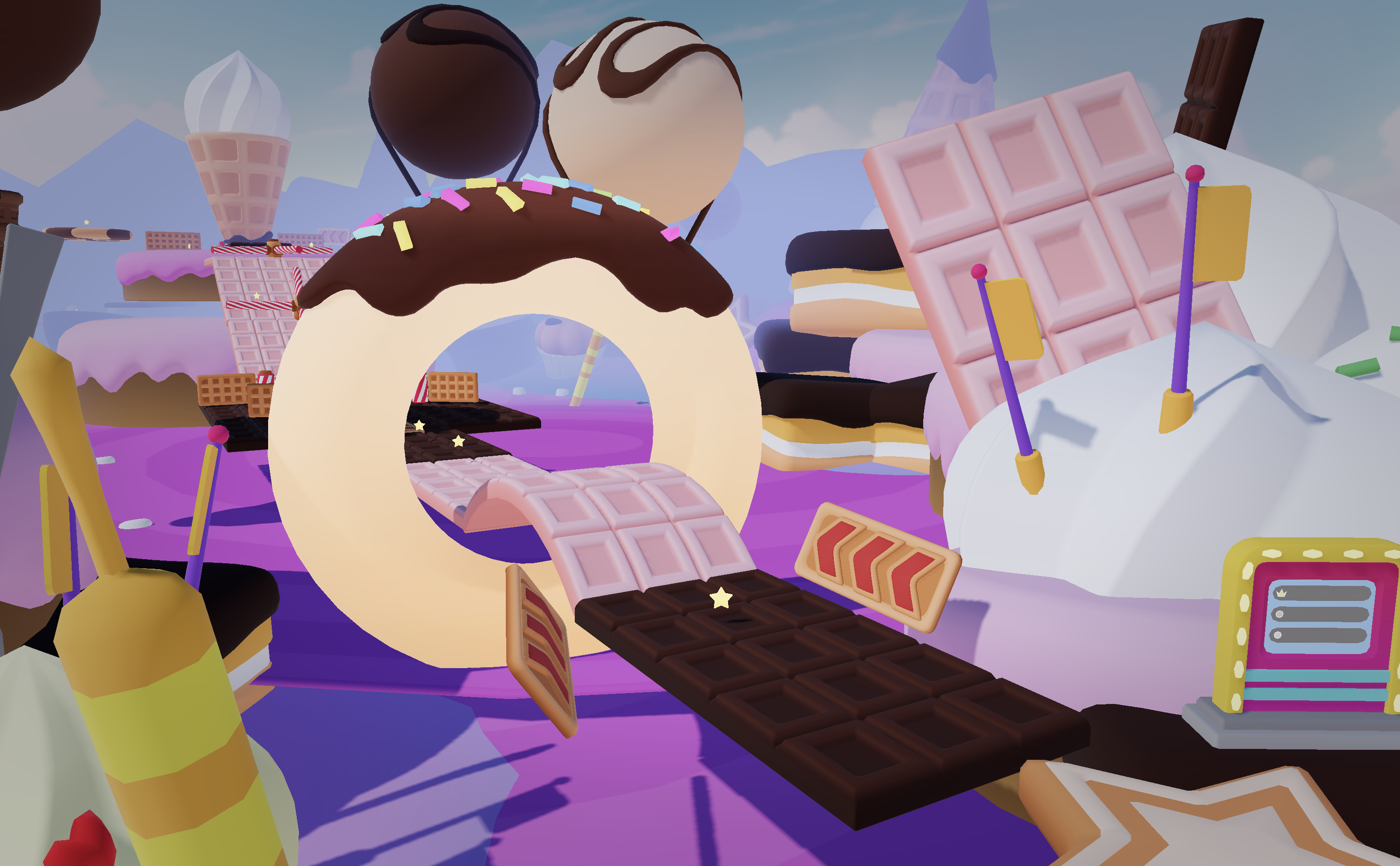
You and two friends want to build a game together after school without juggling file transfers or waiting for one person to finish before another can start. Real-time multiplayer creation becomes the key feature to look for.
Nilo supports live co-creation across desktop and mobile. You share a link and anyone can join and build immediately. Prompt-to-game tools like Rosebud AI focus on solo generation workflows and do not offer the same hands-on collaborative building environment. Roblox Studio has no real-time co-creation feature for the building process itself.
The Builder Who Wants to Learn How Games Work
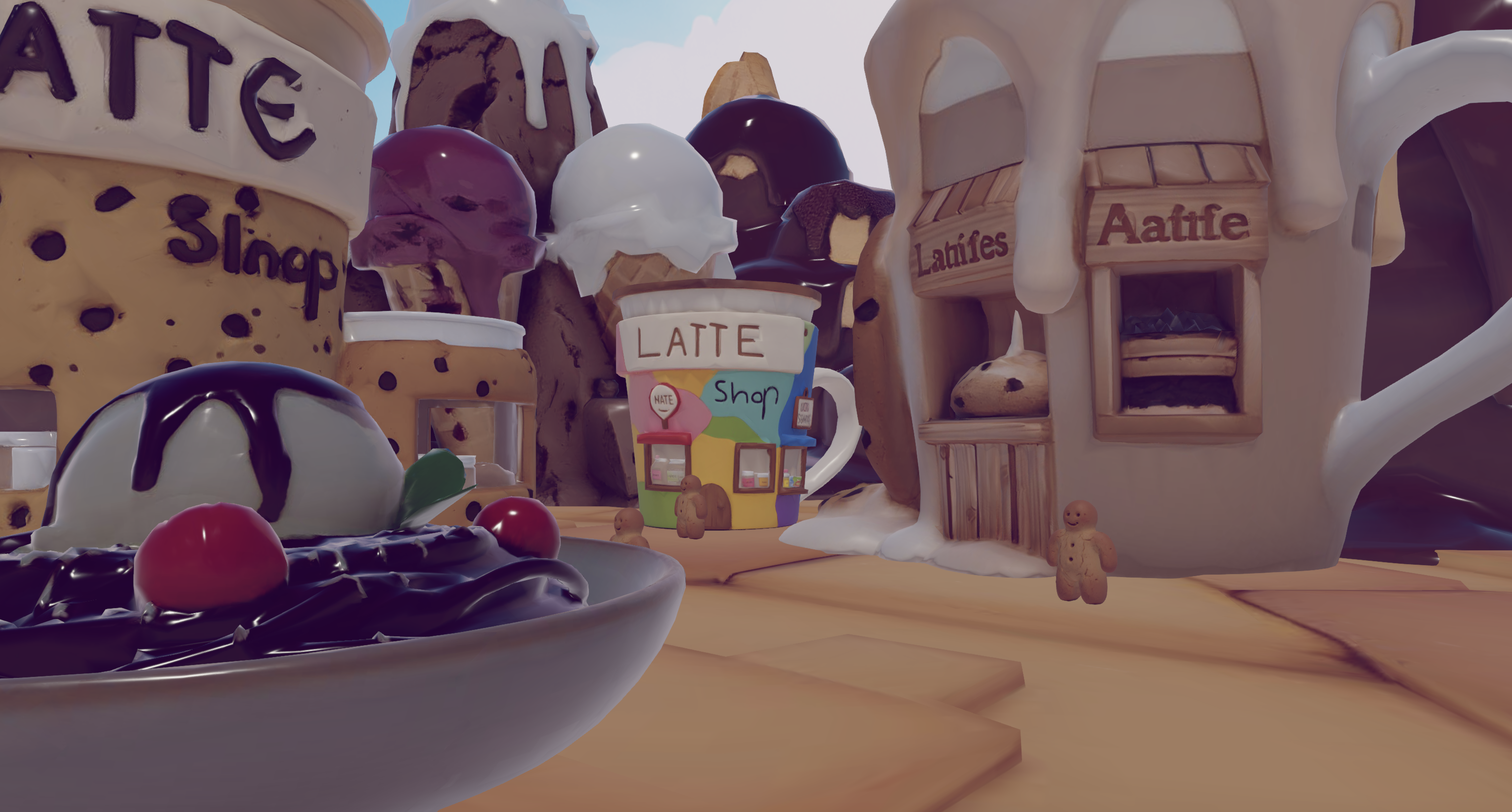
You want to understand how game development actually works, not just generate results. You care about learning what polygons, rigs, and physics mean while still making progress on real projects.
Nilo’s interface teaches these concepts through the UI without forcing you to master them before you can create. The vibe coding editor shows you the actual code it generates, so you can tinker with variables and start understanding real programming logic. This feels closer to right-clicking “View Source” on a webpage, but for games, than to a black-box generation tool.
Frequently Asked Questions
What is a browser-based 3D game creation tool?
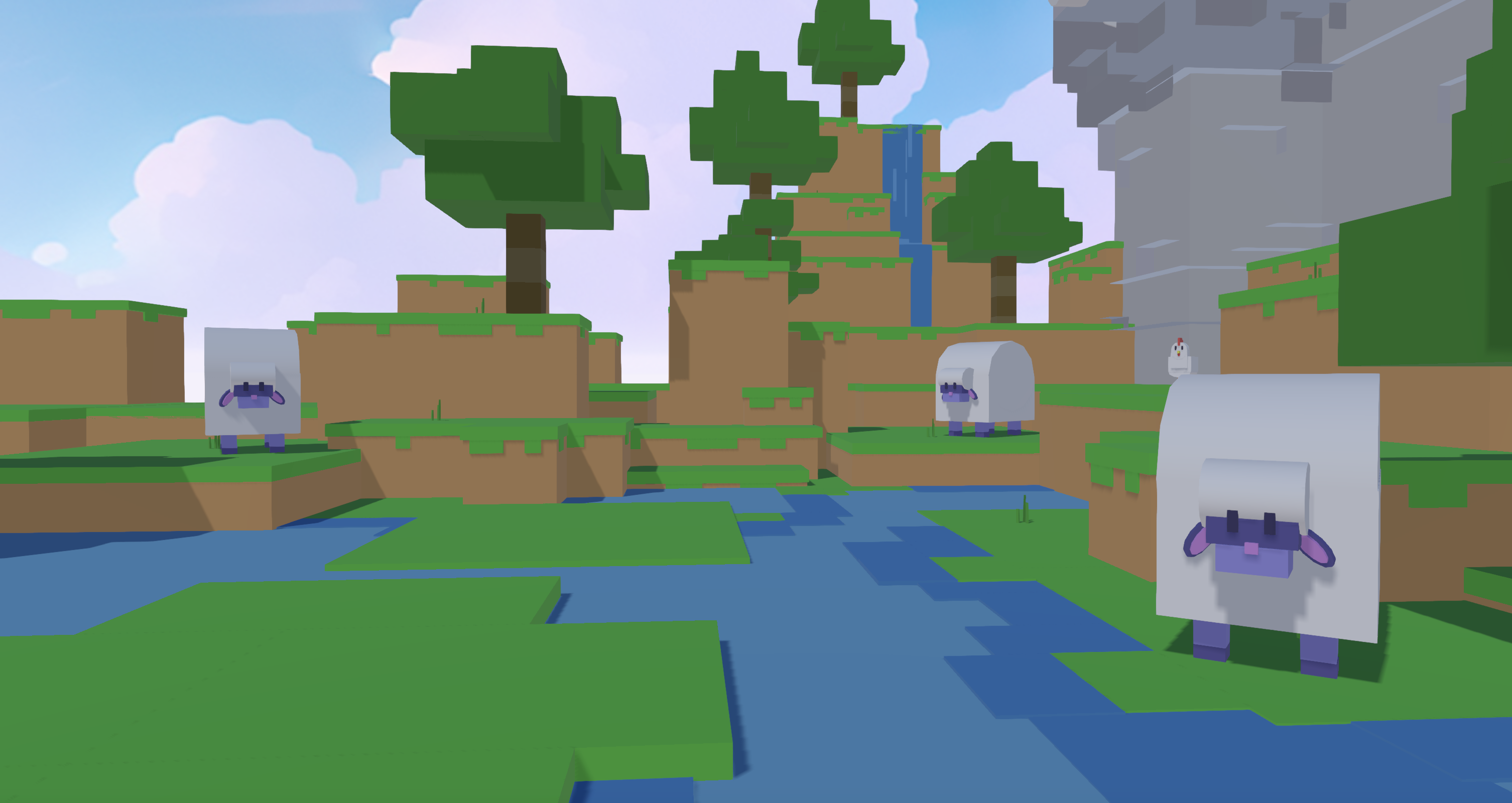
This type of platform runs entirely in your web browser, with no installation, no downloads, and no special hardware needed. You open a link, and the creation environment loads directly in the browser tab.
Nilo uses WebAssembly and WebGPU, which are technologies that let browsers run high-performance software that used to require a desktop app, to deliver a full 3D creation environment this way. The practical result is simple. You can start building on many devices and share your world with anyone by sending them a link.
Do I need to know how to code to use these tools?
You do not need to know how to code when you use AI-assisted platforms. Tools like Nilo use natural language prompts, so you describe what you want in plain text and the AI generates working game logic.
You can say “make this platform move back and forth” and see it happen. You can also see the code the AI writes and adjust variables directly, which gives you a gentle way to start learning programming concepts. Traditional tools like Roblox Studio and Unity still require scripting knowledge to make anything interactive.
Can I export what I build to Roblox?
You can export to Roblox if the tool supports standard 3D export formats. Nilo exports to FBX, OBJ, STL, and glTF, which are all formats that Roblox Studio accepts.
Nilo’s LOD system also reduces polygon counts to meet Roblox’s performance limits, so your exported models work in Roblox Studio without manual cleanup. You own everything you create in Nilo and can publish it to the Roblox Marketplace or use it in your own games.
How is Nilo different from prompt-to-game tools like Rosebud AI?
Prompt-to-game tools generate a game from a single text description, but the result is hard to modify and the experience ends once generation is complete. Nilo works as a game engine first, so you are inside a 3D world, placing objects, testing physics, collaborating with friends, and using AI as a co-pilot instead of handing everything over to it.
The difference shows up in your level of creative control. With Nilo, you build what is in your head. With pure prompt-to-game tools, you get what the AI decides to make.
Is Nilo free to use?
Nilo is currently in open beta and free to use. The Starter tier includes 1,000 Nilo Bits per month, which are credits used for AI generation, rigging, animation, and export.
Many core building features require no Bits at all. You can also earn more Bits through Nilo Rewards by referring friends and building within the community.
Conclusion: Matching Tools to Your Game-Making Goals
The gap between playing 3D games and creating them has always been a technical one, not a creative one. The tools available to aspiring builders like you were built for professionals, and the learning curve reflected that. AI-assisted browser-based platforms change that equation by handling the technical work so you can focus on building.
The right tool depends on what you want to do. If you need deep scripting control and are willing to invest months learning, Roblox Studio and Unity remain powerful options. If you want to generate a game from a single prompt and never touch it afterward, tools like Rosebud AI cover that use case.
If you want to build hands-on, collaborate with friends in real time, export Roblox-ready assets without Blender cleanup, and actually enjoy the process, Nilo stands out as a platform built for that experience. In Nilo’s February 2026 survey, 93% of builders said they would recommend Nilo to a friend, and 82% rated their experience as “Awesome” or “Good.” The platform is backed by Supercell and has a growing community of more than 9,000 builders on Discord.
Nilo is browser-based, free to start, and open to anyone with an idea.
Join Nilo’s open beta and start building your own 3D worlds.