Written by: Nuno Leiria, Founder & CEO @ Nilo
Key Takeaways for Aspiring Multiplayer Creators
- Prompt-only AI tools like Bitmagic can spit out games that look playable, but they usually break fast because they lack a real engine, physics, and networking.
- Traditional desktop engines and scattered workflows make it hard for you to move from playing to actually building 3D multiplayer games.
- AI-assisted, browser-based engine-first platforms reduce that friction by combining asset generation, vibe coding, performance tuning, and real-time collaboration in one place.
- When you compare tools, focus on onboarding speed, clean mesh topology, automatic polygon control, export formats, and how much you actually learn about real systems.
- Nilo stands out as a browser-based option that combines a custom C++ engine, real-time multiplayer co-creation, and Roblox-ready exports, so you can start building and playing without extra installs.
The Friction When You Shift From Playing to Building
Millions of players on Roblox (400M+ monthly players), Minecraft (190M+), and Fortnite (110M+) eventually want to go from playing to building. The moment you try, you usually hit a wall made of three separate problems.
First, you face the scripting barrier. Making anything interactive in Roblox Studio requires Lua, which takes months to learn. Most aspiring builders either search for a scripter to partner with or spend years cycling through failed attempts.
Second, you deal with tool fragmentation. A typical asset workflow looks like this: you generate a model in Meshy, clean up the broken geometry in Blender, import it into Roblox Studio, discover the polygon count is too high, go back to Blender, fix it, then re-import. That is three tools, multiple exports, and hours of work for a single prop.
Third, you run into the generation-to-playable gap. Text-to-3D tools frequently produce stray vertices, incorrect normals, and geometry that looks fine from one angle but fails when rotated. Multi-object scenes often collapse distinct elements into a single undifferentiated mesh. You end up with an asset that looks like a game prop but behaves like a broken sculpture.
Why This Slows Your Momentum and Team Progress
These issues are not minor. No IGDA 2025 study reports abandonment rates for no-code solo projects, but a separate 2025 Gitnux report notes a 70% failure rate among solo indie developers, mainly because of performance constraints like asset optimization and multiplayer systems. Many builders burn out before they ship anything.
The problem grows in collaborative settings. Real-time multiplayer creation needs systems that most tools simply do not include. AI agents generate content at roughly 60-3,000 tokens per second depending on the system, while collaboration engines were designed for humans typing at 5 characters per second. That 1,000x speed mismatch often produces broken edits and lost work in shared environments.
If you are building with friends, that friction multiplies. You need a tool that supports real-time co-creation while keeping everyone’s work safe and in sync, even when AI is generating content quickly.
Start a shared Nilo world and see how real-time co-creation feels with your friends.
Where AI-Assisted Browser Tools Fit in Your Workflow
A new category of tools now helps with this shift: AI-assisted, browser-based 3D creation platforms. These sit between traditional desktop engines and prompt-only generators.
Traditional desktop engines are professional-grade software built for developers with years of experience. They require installation, powerful hardware, and deep technical knowledge. They were not designed for someone who grew up playing Minecraft and now wants to start building.
Prompt-only generators sit at the other extreme. They usually ignore netcode and multiplayer complexity, so games generated from prompts that request multiplayer features are often broken in practice. Every change forces a full regeneration because there is no flexible underlying structure or engine.
AI-assisted, browser-based 3D creation platforms sit in between those extremes. They give you a real game engine with physics, rendering, and networking, wrapped in an interface that feels like play, not work. You build directly inside the world, with AI acting as your co-pilot instead of replacing you.
What Engine-First Browser Tools Should Actually Give You
That conceptual positioning matters less than what these tools deliver when you start building. Here is what to look for when you evaluate them.
3D asset generation and refinement. Start with asset creation. Engine-first tools let you generate assets from text prompts, sketches, or reference images, then refine them inside the same environment. You avoid switching to Blender for cleanup and keep your focus on the game.
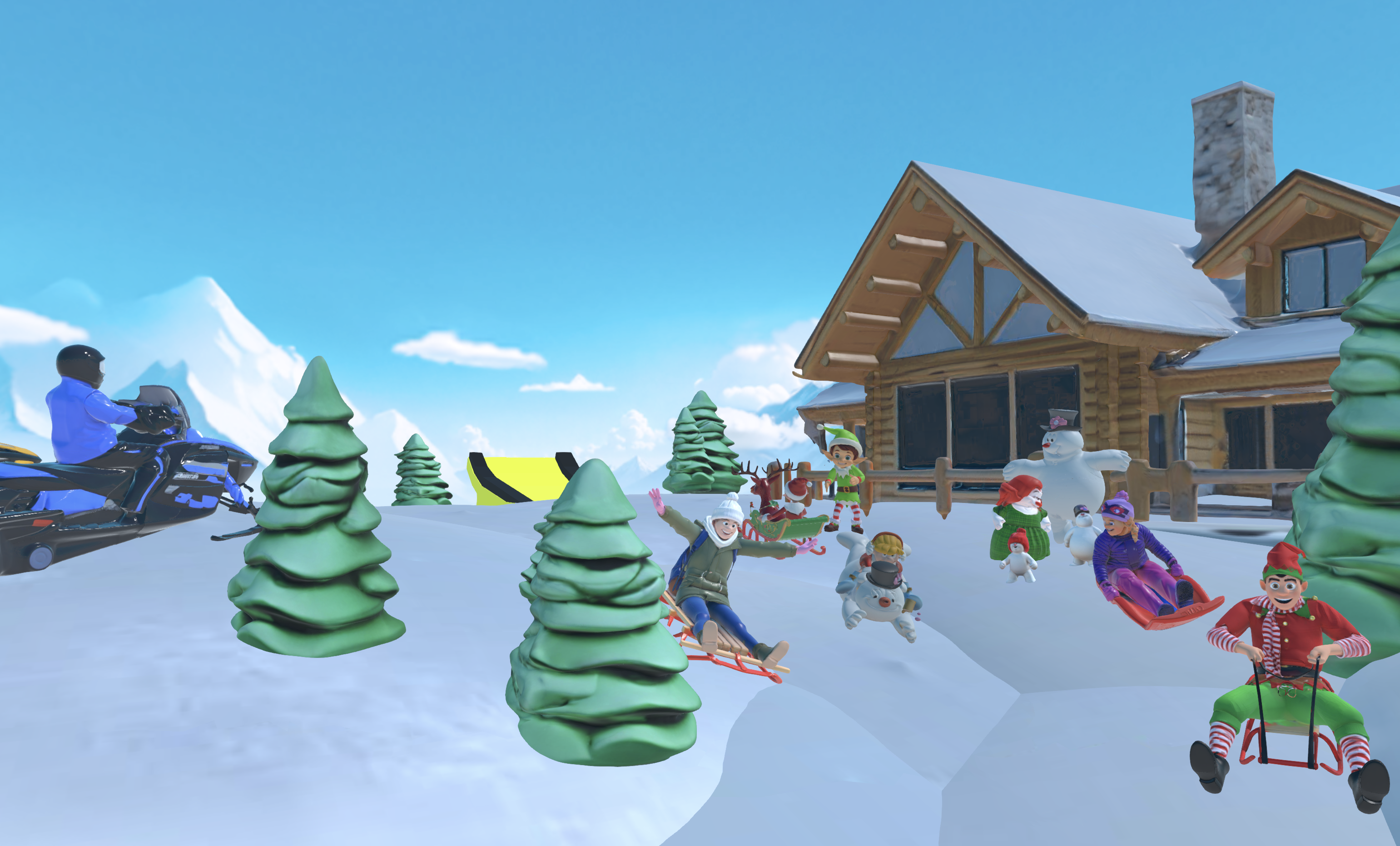
Natural-language logic creation (vibe coding). Once you have assets, you need logic to make them interactive. Vibe coding means you describe what you want your game to do in plain language by typing, talking, or even sending an image to the AI, and working code appears. You can see and tweak the actual variables, like changing “speed = 2” to “speed = 20”, so you learn real programming concepts while you build.
World building. A real engine lets you place objects, set physics, customize environments, and playtest in the same window. Everything starts interactive, so you can test ideas quickly instead of wiring up every single object by hand.
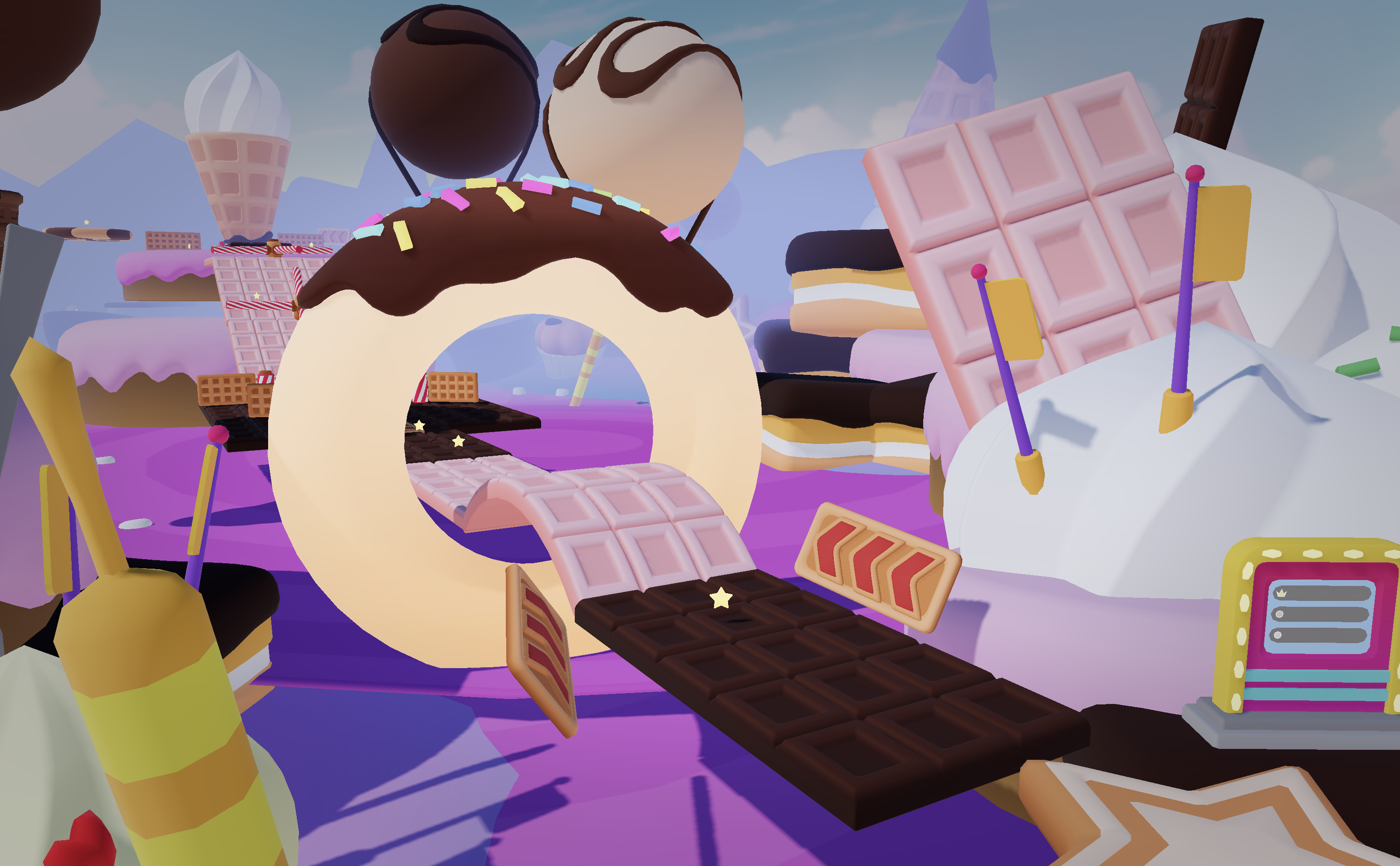
Optimization for Roblox’s polygon cap. Roblox enforces a triangle limit of roughly 21,000 per MeshPart, and AI-generated meshes frequently exceed this. That usually requires decimation before import. Engine-first tools with a built-in LOD system that automatically adjusts polygon counts on the fly handle this for you.
Real-time collaboration. You should be able to share a link and build together on desktop or mobile with no setup. That keeps your team in one shared world instead of trading files.
Export to standard formats. Look for FBX, OBJ, STL, and glTF exports that work with Roblox, Unity, Blender, Unreal Engine, and VRChat. This keeps your work portable.
The table below shows which platforms combine four critical capabilities in one place: a real engine, browser access, collaborative creation, and Roblox-aware exports. Most tools cover only one or two of these.
| Tool | Engine-First | Browser-Based | Real-Time Multiplayer Co-Creation | Roblox-Optimized Export |
|---|---|---|---|---|
| Nilo | Yes, custom C++ engine compiled to WebAssembly | Yes, no install required | Yes, share a link and build together | Yes, LOD system meets 10K–20K polygon cap |
| Bitmagic | No, prompt-only generation | Yes | No collaborative creation environment | Not documented |
| Rosebud AI | No, focuses on code generation without a real 3D engine | Yes | Limited | Not documented |
| Roblox Studio | Yes, full engine | No, desktop install required | Yes, but requires scripting knowledge | Native, but manual optimization required |
| PlayCanvas | Yes, browser-based engine | Yes | Limited | Not Roblox-specific |
Nilo stands out for its game-engine-first design, real-time multiplayer co-creation, and Roblox-aware exports, which you can access directly in your browser.
Try building a small multiplayer scene in Nilo and export it to Roblox Studio.
How to Judge Tools for Bitmagic-Style Multiplayer Projects
When you compare tools for multiplayer projects that might start from prompts, use these criteria.
- Onboarding ease. You should start building in under five minutes without a long tutorial. Check whether the tool forces installation or account setup before you can create anything.
- Output quality. Look at the generated meshes. Clean topology means less manual cleanup and fewer broken imports.
- Export compatibility. Confirm that the tool exports to formats your target platform accepts and that it handles polygon limits automatically.
- Performance constraints. Test how it runs on a mid-range laptop or mobile device. You should not need a high-end rig just to prototype.
- Learning value. Choose tools that expose rigging, physics, and mesh topology instead of hiding everything in a black box, so you grow real skills while you build.
Multiplayer Without Paying for Servers Upfront
Your ability to avoid server costs depends on the tool and the type of multiplayer you want. Browser-based AI platforms like Nilo host multiplayer sessions on their own infrastructure, so you do not pay for servers separately. You share a link and your friends join instantly.
No AI game maker currently handles dedicated server hosting, matchmaking for strangers, region routing, or anti-cheat for competitive play with a prompt alone. Large-scale production games still need human planning and paid services. For casual co-creation and playtesting with friends, browser-based platforms usually handle connection and state sync for you at no extra cost.
Creating Your Own Game for Free
You can start building games for free, with some limits. Nilo is currently free to use and includes 1,000 Nilo Bits per month, which are AI generation credits. Many core building features do not use Bits at all.
The indie game market is growing at a 14.32% CAGR, and many new tools launch with free or freemium entry tiers. The real question is whether the free tier lets you build something real. Nilo’s free tier includes generation, optimization, collaboration, and export to Roblox, so you can ship a small project without spending money.
Three Practical Ways You Can Use These Tools Today
First-time creators. You have never touched a game engine. You open Nilo in your browser, type a description of a character, and drag it into a world. You add physics, invite a friend with a link, and playtest in the same session. You do all this without Blender, scripting, or downloads.
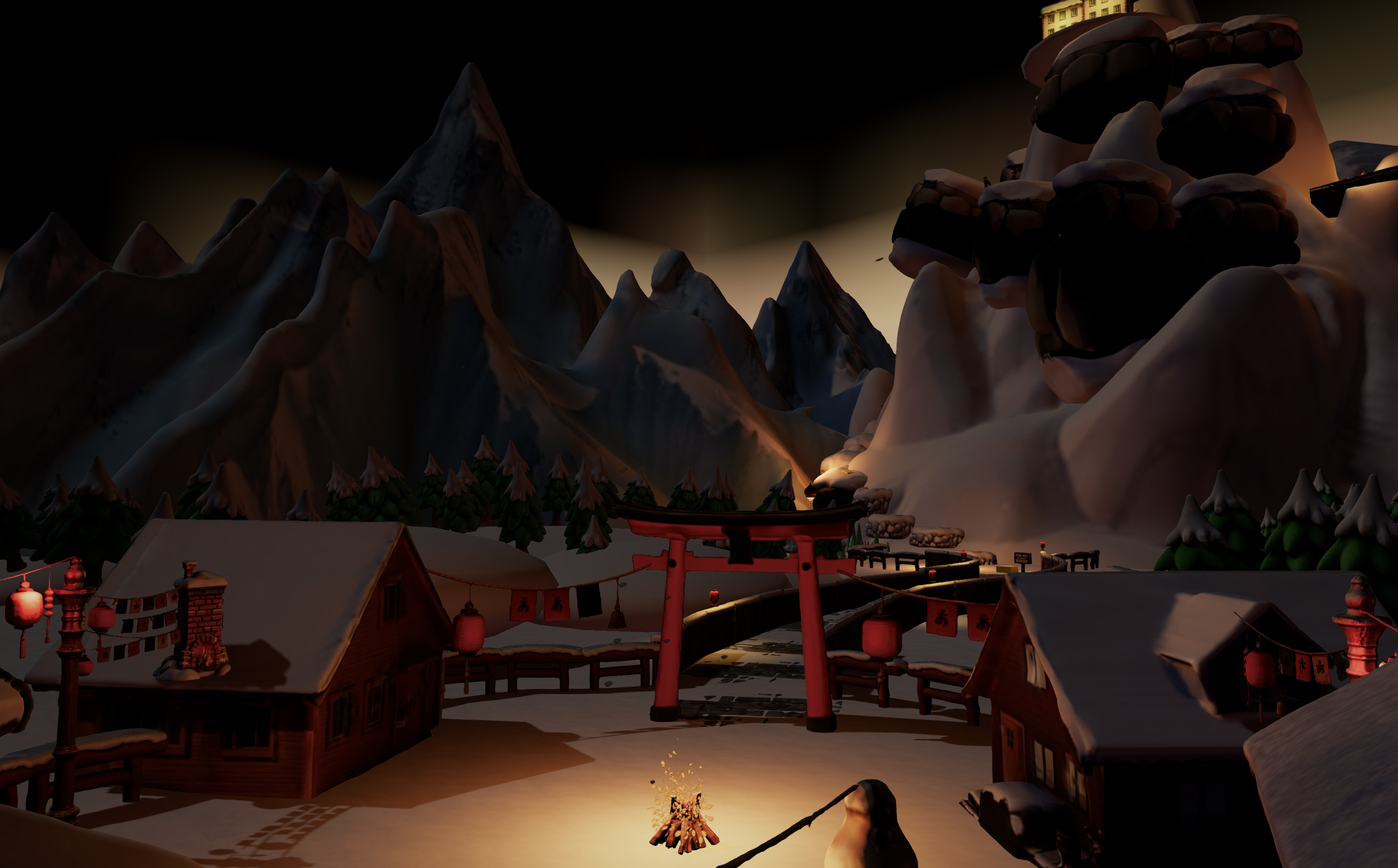
Roblox-focused builders. You already build in Roblox Studio but spend too much time fixing AI-generated assets. You use Nilo to generate, optimize, rig, and animate assets, then export directly to Roblox Studio with polygon counts already inside the 10K–20K cap.
Small collaborative teams. You and two friends want to build a multiplayer mini-game together. You share a Nilo world link and split tasks. One of you builds the environment, one generates characters, and one vibe codes the game logic. You all playtest together in real time without file transfers or version conflicts.
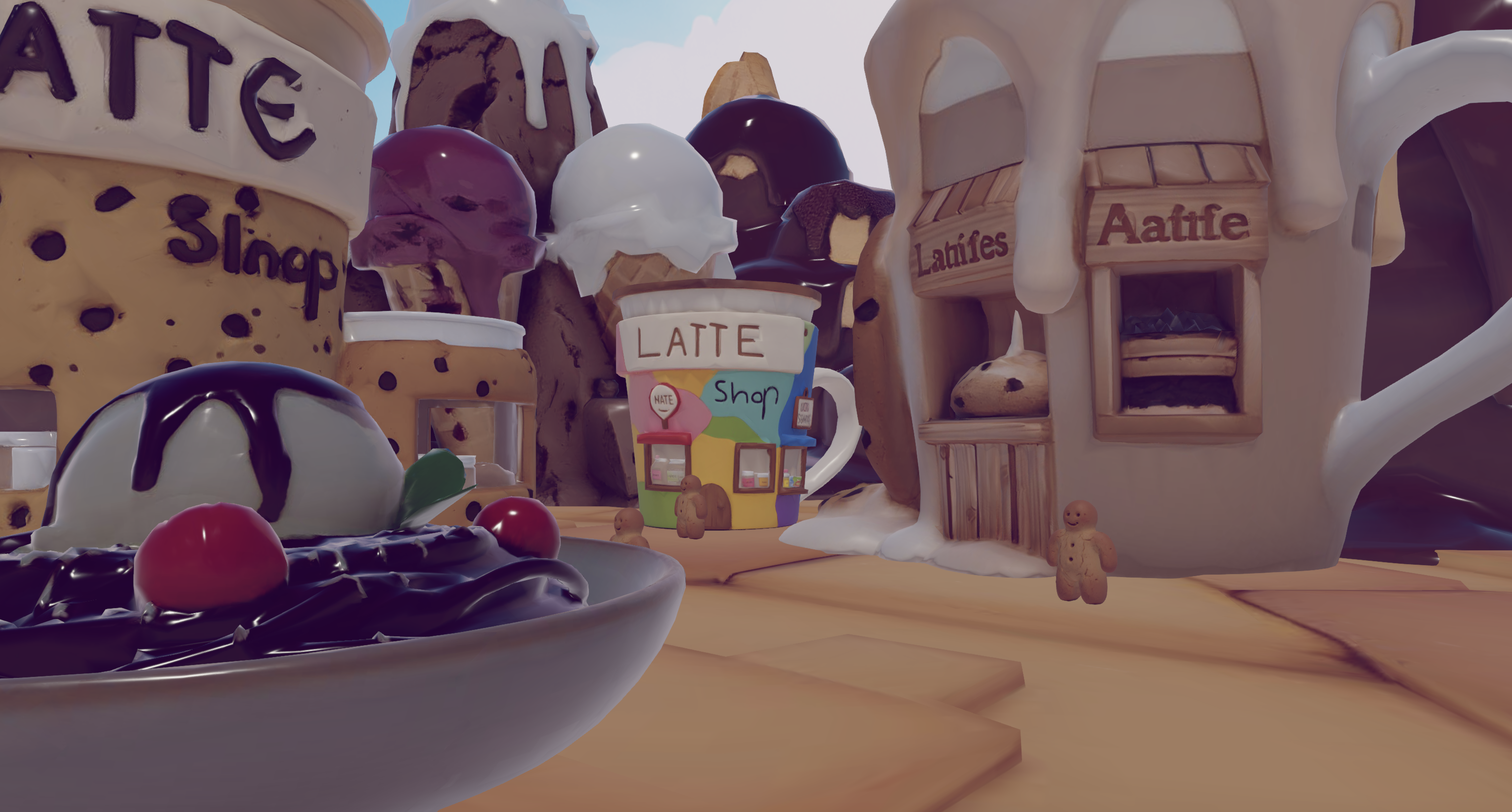
Quick Start: Build Your First Multiplayer Game in Nilo
- Open Nilo in your browser. No download or installation needed. Open Nilo and start a new world instantly.
- Generate your first asset. Type a description, upload a sketch, or send a reference image. Nilo generates a 3D model in seconds using its model-agnostic AI layer, which connects to providers like Meshy, Tripo, and others behind one interface.
- Optimize, rig, and animate. Use the LOD slider to bring your polygon count inside Roblox’s limits. Rig your character with one click. Type what you want it to do, such as “walk forward and wave”, and Nilo generates the animation.
- Add game logic with vibe coding. Open the built-in code editor and describe your game rules in plain language. Watch the changes appear in your 3D world in real time. Adjust variables directly in the code to fine-tune behavior.
- Invite friends and export. Share your world link so friends can join and playtest. When you are ready, export to FBX, OBJ, STL, or glTF and upload to Roblox Studio, or publish your world to the Nilo community with one click.
Spin up your first Nilo world and test a multiplayer idea this week.
Frequently Asked Questions
What is Bitmagic multiplayer game creation?
Bitmagic is a prompt-only AI game creation tool that generates game content from text descriptions. “Bitmagic multiplayer game creation” usually refers to using AI tools to build real-time multiplayer 3D games. Prompt-only approaches often fall short here because they lack a real game engine, collaborative editing, and automatic performance tuning.
Do I need to know how to code to build a multiplayer game?
You do not need coding experience with engine-first platforms like Nilo. Vibe coding, where you describe what you want in plain language and the AI generates working code, removes the scripting barrier. You can still see and edit real code variables if you want to learn how things work.
What is the difference between a browser-based game engine and a desktop engine like Roblox Studio?
Desktop engines like Roblox Studio require installation, a capable computer, and significant technical knowledge to make anything interactive. Browser-based engines run entirely in your browser, with no downloads, setup, or high-end hardware. You share a link and anyone can join and play or build instantly on desktop or mobile.
What are the limits of AI in game creation right now?
AI tools today handle asset generation, animation, and basic game logic well. They struggle with complex multiplayer edge cases such as players on spotty connections, race conditions, and state desync in competitive environments. Large-scale dedicated server infrastructure, matchmaking for strangers, and anti-cheat systems still need human planning and paid services. For casual co-creation and playtesting with friends, browser-based platforms usually handle the technical side automatically.
Who owns what I build in Nilo?
You own your creations. Any models, skins, or assets you create in Nilo are yours to use, publish, and monetize, including on the Roblox Marketplace. Nilo exports to standard formats like FBX, OBJ, STL, and glTF, so you are never locked into one platform. You can start in Nilo and continue in Roblox Studio, Unity, Blender, Unreal Engine, or VRChat.
Conclusion: Turning Bitmagic-Style Ideas Into Playable Worlds
Prompt-only tools like Bitmagic work as a starting point, not a full solution. They generate something that looks like a game but lack the engine infrastructure, including physics, networking, real-time collaboration, and performance tuning, that makes a game actually playable with friends.
The AI-assisted, browser-based game-engine category, which Nilo helped pioneer with its mix of engine-first design and multiplayer co-creation, addresses this gap directly. You build inside a real 3D world while AI handles much of the technical work that used to require Blender, a scripter, and weeks of iteration.
The Roblox creator economy paid out $1.5 billion to developers in 2025, a 63% year-over-year increase. Builders who reach that level fastest usually stop fighting their tools and start using AI-native platforms to keep momentum.
Open Nilo, start a world, and turn one multiplayer idea into something your friends can play.