Written by: Nuno Leiria, Founder & CEO @ Nilo
Key Takeaways from Bitmagic vs Nilo
- Bitmagic is a browser-based, AI-native platform that turns plain-English prompts into playable game slices without any coding.
- Pure prompt-to-game tools like Bitmagic feel great for rapid prototyping, but they struggle with iteration, hands-on control, and export once you move past the first slice.
- Bitmagic Mini and Game Lab give you quick generation and publishing paths, yet they lack scene editors, asset pipelines, and support for standard 3D formats.
- Engine-first platforms such as Nilo mix AI generation with a real-time browser engine, so you get automatic retopology, LOD, one-click rigging, and FBX/glTF export ready for Roblox and other tools.
- Ready to see the difference between prompt-only and engine-first creation? Start building in Nilo’s open beta with no download.
The Problem: Playing Games Is Easy, Creating Them Still Feels Hard
There are over 735 million monthly players across Roblox, Minecraft, and Fortnite combined. For a lot of you, these are not just games, they are where you hang out after school, express yourself, and build your identity. At some point, playing stops being enough and you want to make something of your own.
A wall appears as soon as you try. The tools available, like Roblox Studio, Unity, Unreal Engine, and Blender, were built for professionals. Learning a modeling tool, a code editor, a game engine, and game design fundamentals separately feels exhausting and not fun at all.
A new wave of AI-assisted, browser-based 3D creation tools tries to close this gap. Bitmagic is one of these tools. Nilo is another. Both start from the same goal, helping you create more easily, but they take very different paths to get you there.
If you want to jump straight into building in your browser, start Nilo’s open beta and build your first world for free.
How Bitmagic’s Prompt-to-Game Flow Works
Bitmagic’s core flow is simple: you type what you want, and the platform generates a playable game slice. It turns your natural language description into code, physics rules, and basic visual assets in real time, all inside a browser tab with no download.
This approach matches what most AI game generators do in 2026. They rely on pre-built frameworks and libraries for movement, physics, UI, and menus, then configure and assemble them based on your prompt. The result is usually a short, self-contained game slice with one level, a basic loop, a start screen, and a restart button.
For a first taste of game creation, that feels exciting. The gap between idea and something playable shrinks from weeks to minutes. One analysis describes it as “The first 10 minutes are magic; the last 90% of the work is still yours.”
Bitmagic Mini vs Bitmagic Game Lab
Bitmagic offers two main products that share the same prompt-to-game idea.
Bitmagic Mini is the browser-based entry point. It handles character generation and mission creation from prompts, so you can spin up a basic playable scenario quickly. The focus stays on speed and accessibility with almost no setup.
Bitmagic Game Lab is the more advanced tier. It adds a credits system and a publishing path for sharing what you have made. Game Lab gives you a bit more control over generation and a clearer route to putting your creation in front of players.
Both products still sit in the prompt-to-game category. You describe, the AI generates, and you receive a result. The hands-on building layer, where you move inside the world, adjust individual assets, or iterate on specific elements without regenerating everything, stays limited.
Where Bitmagic Struggles in Real Projects
Prompt-to-game tools like Bitmagic hit some structural limits once you move past that first playable slice.
Iteration friction. The same prompt often produces different results when you regenerate. Refining one element becomes tricky, because changing a single mechanic can mean regenerating the whole experience and hoping the rest still works.
Limited hands-on control. Browser-based AI game makers usually provide no scene tree, node inspector, or asset pipeline. Building complex systems and custom assets becomes hard. You cannot nudge a collision shape, adjust a value, or move an object the way you would in a full engine.
Export constraints. Pure prompt-to-game platforms usually give you a hosted page instead of a portable project file. Your creation lives on their platform. Exporting to Roblox Studio, Unity, or other tools in standard formats is usually not possible.
Quality ceilings. Raw AI-generated 3D output usually needs a lot of human cleanup. You often have to handle retopology, UV review, and engine testing before an asset is ready for a real game. For Roblox, which caps assets at 10K–20K polygons, unoptimized AI output often fails performance checks without manual work.
Vendor lock-in. Characters, game logic, and assets in prompt-to-game tools often stay in proprietary formats. You cannot export them easily, so your creative work stays tied to one platform.
Pure Generation vs Engine-First: Quick Comparison
| Capability | Pure Generation (e.g., Bitmagic) | Engine-First (e.g., Nilo) |
|---|---|---|
| Asset quality | Not production-ready without manual work and cleanup | Real-time retopology and LOD optimization built in; Roblox-ready on export |
| Iteration speed | Regenerating the full experience is the main way to change anything; results vary | Hands-on editing inside the world in real time, so you change one thing without breaking everything else |
| Export compatibility | Hosted page only, no portable project file or export to Roblox, Unity, or Blender | FBX, OBJ, STL, and glTF export, compatible with Roblox, Unity, Unreal Engine, Blender, and VRChat |
Want to feel the difference between full regeneration and hands-on editing? Try Nilo’s open beta for free and build directly in your browser.
Where Nilo Stands Out for Roblox Builders
Nilo is a browser-based AI creation platform built specifically for Roblox builders, so you can think of it as Roblox in the browser with AI helping you at every step. That real game performance claim comes from how Nilo runs on a custom game engine, with C++ physics compiled to WebAssembly and accelerated with WebGPU, which gives you native-level responsiveness without any installs.
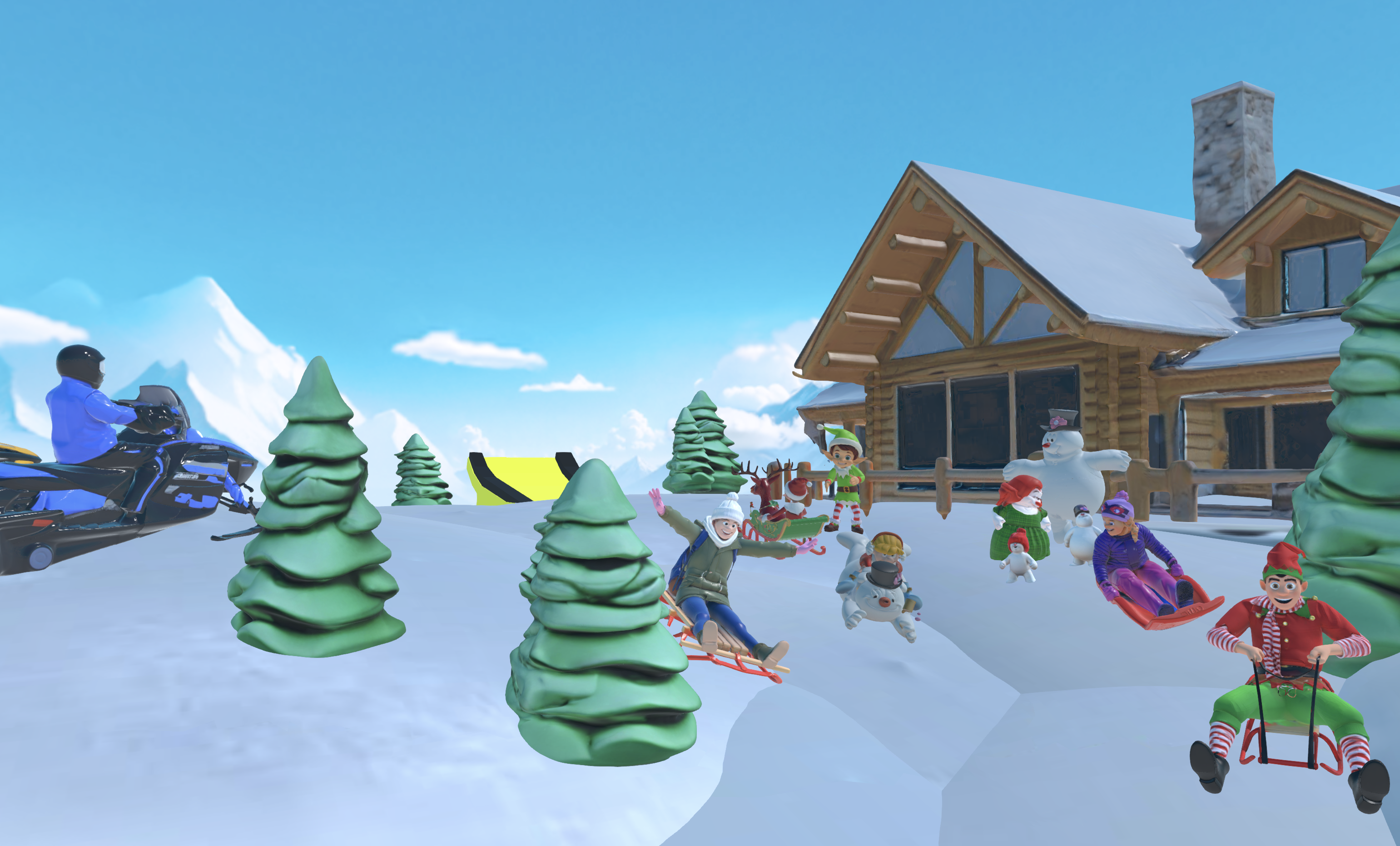
Bitmagic generates and hands you a result. Nilo drops you inside the world so you can build, tweak, and play in real time. Here is what that feels like when you are actually creating:
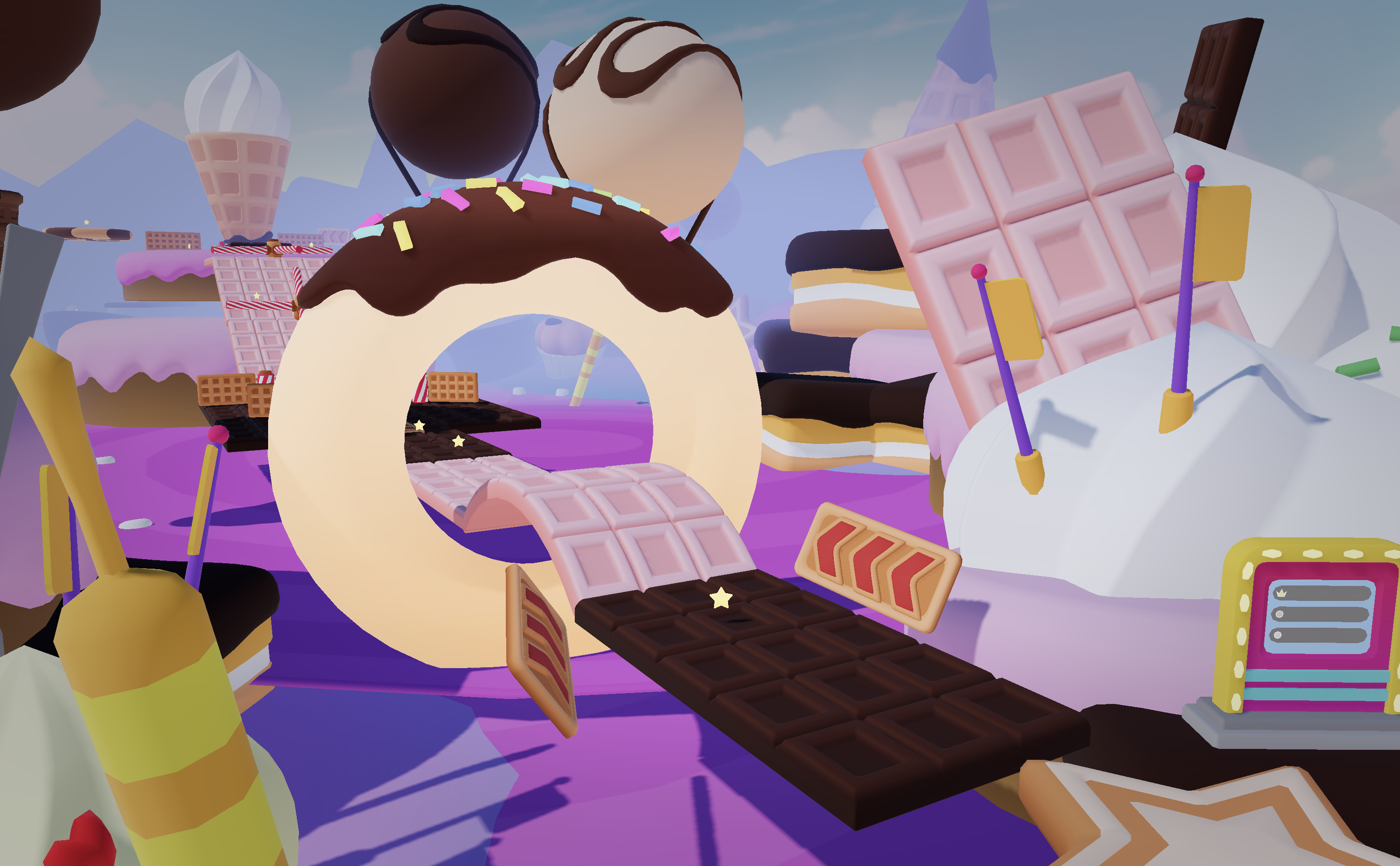
- Real-time retopology. When you generate a 3D asset, Nilo automatically cleans up the mesh geometry so it meets Roblox’s polygon limits. You skip the Blender detour.
- Roblox-ready LOD system. LOD, or level of detail, changes how complex a mesh looks based on distance, which keeps your game smooth. Nilo sets this up for you on export.
- One-click rigging. Rigging adds a skeleton to a 3D model so it can move. In pro tools, this can take hours. In Nilo, you rig and animate with one click.
- Vibe coding. Nilo’s built-in code editor lets you describe what you want in plain language or send an image, then generates working game logic instantly. You can see and tweak the real code variables, so you learn real programming concepts while you build.
- Model-agnostic AI. Nilo connects to multiple AI providers (Meshy, Tripo, Nano Banana, Cartwheel, Uthana) behind one interface. As those models improve, your creations in Nilo improve too.
Builders in Nilo’s February 2026 survey explained the impact clearly. One said, “I do not have to spend hours on 3D modeling the simplest things, now I can use Nilo and do it in 15 seconds.” Another shared, “I like how it feels like a good game engine rather than a vibe coding tool, with easy building and a good focus on being able to export and import content.”
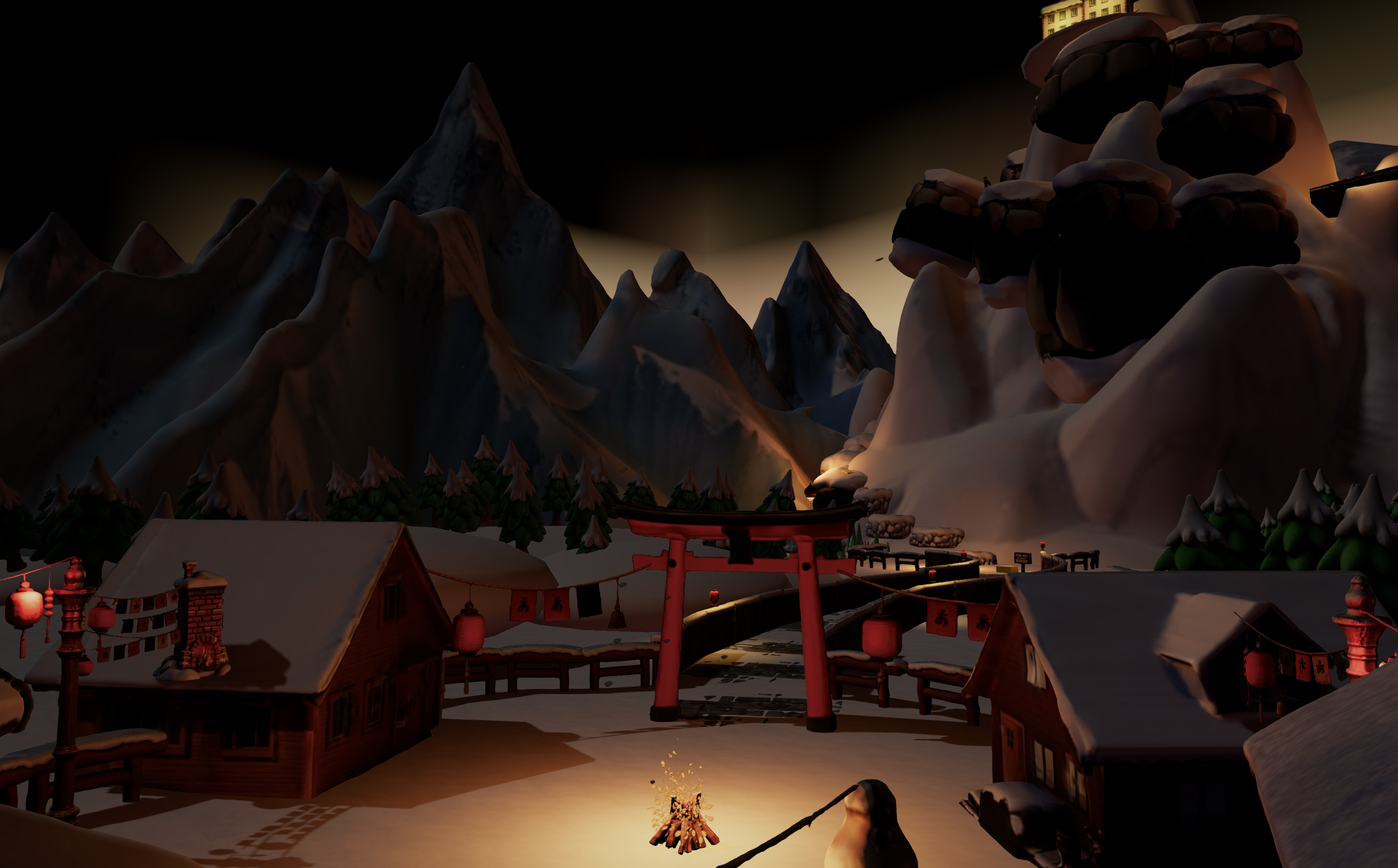
In that same survey, 93% of builders said they would recommend Nilo to a friend, and 82% rated their experience as “Awesome” or “Good.” Nilo is backed by Supercell. Their Head of Investments, Jaakko Harlas, said, “Their approach to making game creation as enjoyable as gameplay itself really stood out. Nilo has the potential to open up game development to a whole new generation of builders.”
Nilo is not yet a full game publishing platform. The team focuses on one thing done extremely well: helping you generate, clean up, rig, and export game-ready 3D assets without breaking your creative flow. Full game creation and publishing is the direction Nilo is moving toward.
Frequently Asked Questions
What is Bitmagic AI, and how does it work?
Bitmagic AI is a browser-based prompt-to-game platform. You type a description of the game you want, and Bitmagic generates a playable experience, including basic code, physics, and assets, without any programming knowledge. It uses pre-built frameworks and AI generation to assemble a short, self-contained game slice from your input. Bitmagic Mini focuses on character and mission generation, while Bitmagic Game Lab adds a credits system and a publishing path.
What are the main limitations of Bitmagic compared to engine-first tools?
Bitmagic’s core limitation is that it works as a generation tool instead of a full building environment. Once the AI produces a result, your ability to refine specific elements stays limited, because changing one thing often means regenerating the whole experience and getting different results. There is no scene editor, no asset pipeline, and no export to standard formats, which limits how you can use what you have made in other tools. If you want Roblox-ready assets or something you can actually ship, these limits add real friction.
Do I need to know how to code or use Blender to create in Nilo?
No. Nilo lets you describe your vision with a text prompt, a sketch, or a reference image, and the platform handles the technical work. The vibe coding editor generates working game logic from plain language, in any language, with real-time feedback in your 3D world. Rigging, which means adding a skeleton to a model for animation, happens with one click. The LOD system, which keeps your polygon count within Roblox’s limits, runs automatically. You can learn real programming by tinkering with the code Nilo generates, but you do not need any experience to start.
Can I export what I make in Nilo to Roblox or other platforms?
Yes. Nilo exports to standard 3D formats such as FBX, OBJ, STL, and glTF, and works with Roblox, Unity, Unreal Engine, Blender, and VRChat. Nilo’s LOD system automatically optimizes polygon counts to meet Roblox’s triangle caps on export, as mentioned earlier, so Nilo handles this retopology work for you. You can use Nilo as your full creation pipeline or as an asset creation tool that feeds into Roblox Studio. Any models, skins, or UGC items you create are yours to use, publish, and monetize.
Is Nilo free to use?
Yes. Nilo is in open beta and free to use. The Starter tier includes 1,000 Nilo Bits per month, which are the credits that power AI generation, export, and creation. Many core building features use no Bits at all. You can also earn more Bits through Nilo Rewards by referring friends and building with the community. Higher tiers give you more Bits and access to the latest generation models.
Conclusion: Choosing Your AI Game Creation Path
Bitmagic closes the gap between idea and first playable slice faster than most tools. For a quick prototype or a first taste of game creation, that speed feels valuable. Pure prompt-to-game tools, however, leave you without deep control, production-ready output, or a clear export path, which matters a lot if you are building for Roblox or want to own what you create.
Engine-first platforms solve the same creation gap with faster iteration and real export options. Nilo stands out by pairing AI generation with a real game engine that runs in your browser, so you can generate, clean up, rig, animate, and export Roblox-ready assets without switching tools, touching Blender, or fighting polycounts.
If you feel ready to go from playing to creating, join Nilo’s open beta and start building your own worlds without spending a bunch of money.