Written by: Nuno Leiria, Founder & CEO @ Nilo | Last updated: August 6, 2026
Key Takeaways
- Vibe coding lets you describe game ideas in plain language and instantly generate playable 3D worlds without writing code or learning complex tools.
- A simple 7-step process with a core verb, one-sentence loop, text-to-3D models, auto-rigging, natural-language logic, instant playtesting, and export turns any concept into a browser-ready game.
- Ten ranked game ideas, from endless runners to multiplayer races, show how quickly you can build, juice, and share experiences that feel viral.
- Nilo stands out from Roblox Studio, Unity, Blender, and prompt-only tools by running fully in-browser with real-time multiplayer, WebGPU graphics, and exports that meet platform limits.
- Start vibe-coding your own 3D games in Nilo’s open beta for free.
What Is Vibe Coding?
Vibe coding means you use natural language prompts, like typing, talking, or sending images to an AI, to generate working 3D game logic instantly without writing a single line of code yourself. You skip learning Lua or wrestling with Blender’s node editor and instead describe what you want, then watch it appear in your world in real time.
Nilo is built around this idea. In a February 2026 survey with builders, 93% said they would recommend Nilo to a friend, and 82% rated their experience as “Awesome” or “Good.” One builder put it simply: “You made me enjoy vibe-coding. The code assistance works almost flawlessly, other experiences have just been frustrating at best.”
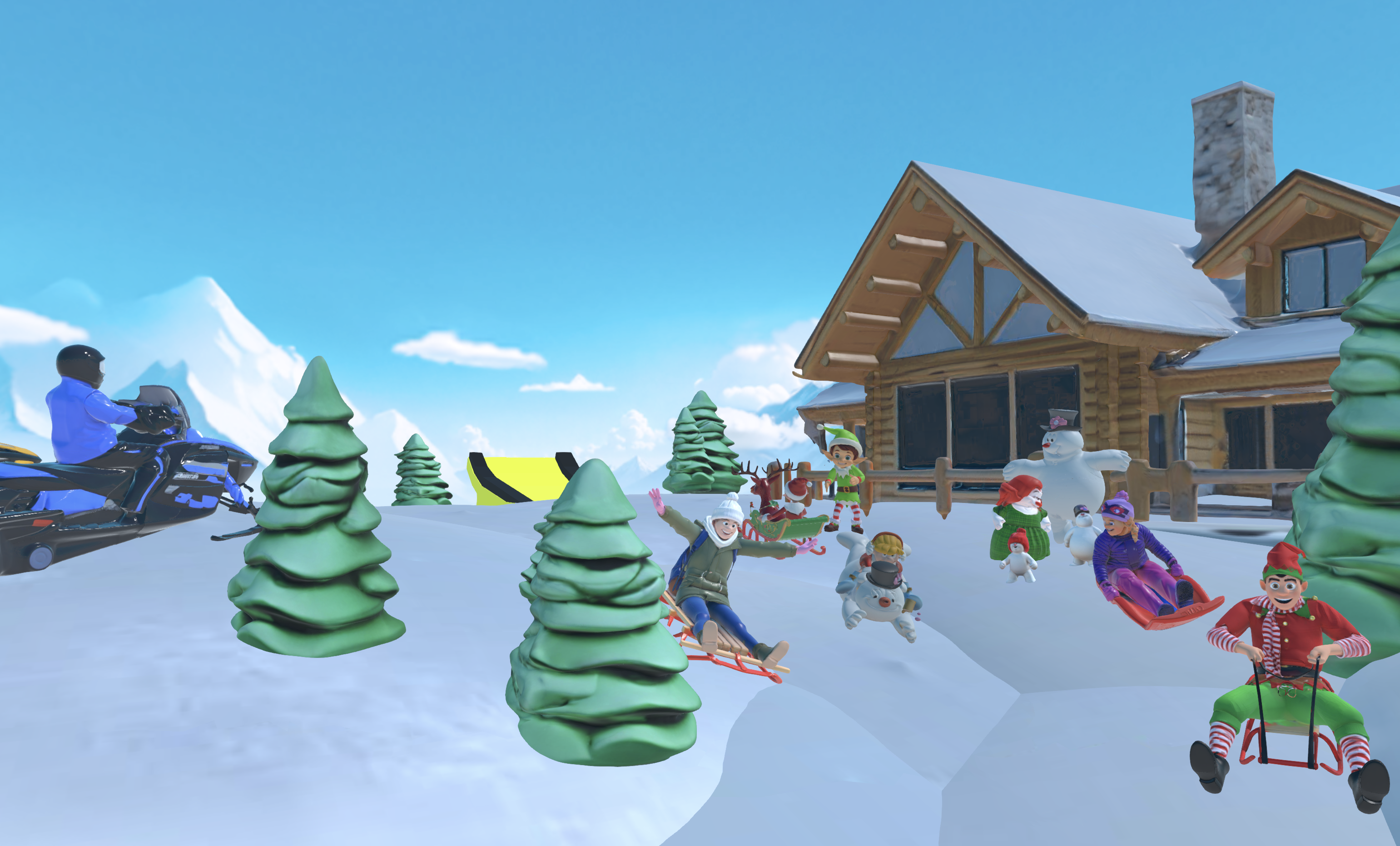
How To Turn Any Idea Into a Nilo Game
Use this 7-step checklist to turn any concept into a playable 3D world in Nilo. Each step connects to a real feature inside the platform.
- Define your core verb. Every good game has one action at its center, like jump, collect, dodge, or build. Write that verb down before you open Nilo.
- Write a one-sentence core loop. For example, “Player runs forward, jumps over obstacles, collects coins, dies if they hit a wall.” That sentence becomes your first prompt.
- Craft your model. Use Nilo’s text-to-3D generator. Type a description, upload a sketch, or drop in a reference image. Your character, prop, or environment appears in seconds.
- Rig and animate your model. Once your model exists, you need to make it move and run smoothly. Use the level of detail (LOD) slider to reduce polygon count so your model runs well on any device, then rig your character with one click and generate animations from a text prompt like “run forward at full speed.”
- Add game logic with the code editor. Now that your character can move, define what happens when it interacts with the world. Type what you want to happen, like “when the player touches a coin, add 10 to the score,” and Nilo generates working code instantly. You do not need scripting knowledge.
- Playtest with friends. Share a link so anyone can click and join your world on desktop or mobile. No download is required.
- Export your assets. When your world feels ready, export as FBX, OBJ, STL, or glTF and upload to Roblox Studio, Unity, or any other platform you use.
Try these seven steps in Nilo’s open beta and build and play for free.
10 Vibe Coding Game Ideas, Ranked from Easiest to Most Viral
Pick your first idea by looking at three things: how simple the core loop feels, how quickly you can playtest it, and how shareable the result looks. The ideas below follow that order, so you can start at the top if you are new or jump further down if you want a challenge.
Now you can dive into the list, starting with the simplest concept that still feels complete.
1. Endless Runner
Starter prompt: “Create a low-poly character in a T-pose, game-ready, with a running animation. Build a track that scrolls forward automatically with obstacles spawning at increasing speed. End the game when the player hits an obstacle.”
Core loop: The player runs forward automatically, taps or clicks to jump, dodges obstacles, and chases a high score. This format makes a strong first build.
Juice tips: Add a screen shake when the player dies. Make obstacles flash red on collision. Speed up the music tempo as the score climbs.
Export note: Your rigged runner character exports as an FBX and imports directly into Roblox Studio with LOD already applied, so you skip Blender cleanup.
2. Coin Collector
Starter prompt: “Generate a small open arena with colorful low-poly coins scattered across it. When the player walks over a coin, it disappears and adds 1 to the score. Spawn a new coin in a random location every 3 seconds.”
Core loop: Explore the arena, collect coins, and beat your previous score before the timer runs out.
Juice tips: Make coins spin slowly. Add a pop sound and a small particle burst on collection. Flash the score counter when it increases.
Export note: The arena and coin assets export as a glTF pack with polygon counts tuned for Roblox import.
3. Physics Puzzle
Starter prompt: “Build a low-poly wooden crate, a ramp, and a target platform. When the player pushes the crate down the ramp, it should roll with realistic physics and land on the platform to win.”
Core loop: Position objects, trigger physics, watch the result, adjust, and retry.
Juice tips: Add a slow-motion effect when the crate is about to land. Show a “Perfect!” label if it lands dead center.
Export note: Export individual props as OBJ files and drop them into Roblox Studio or Unity physics scenes.
4. Obby (Obstacle Course)
Starter prompt: “Create a floating island obstacle course with moving platforms, spinning barriers, and a finish line. The player must reach the end without falling. Add a timer.”
Core loop: Navigate platforms, time your jumps, reach the finish, and beat your time.
Juice tips: Color each section of the course differently. Add a checkpoint system so players do not restart from the beginning every time.
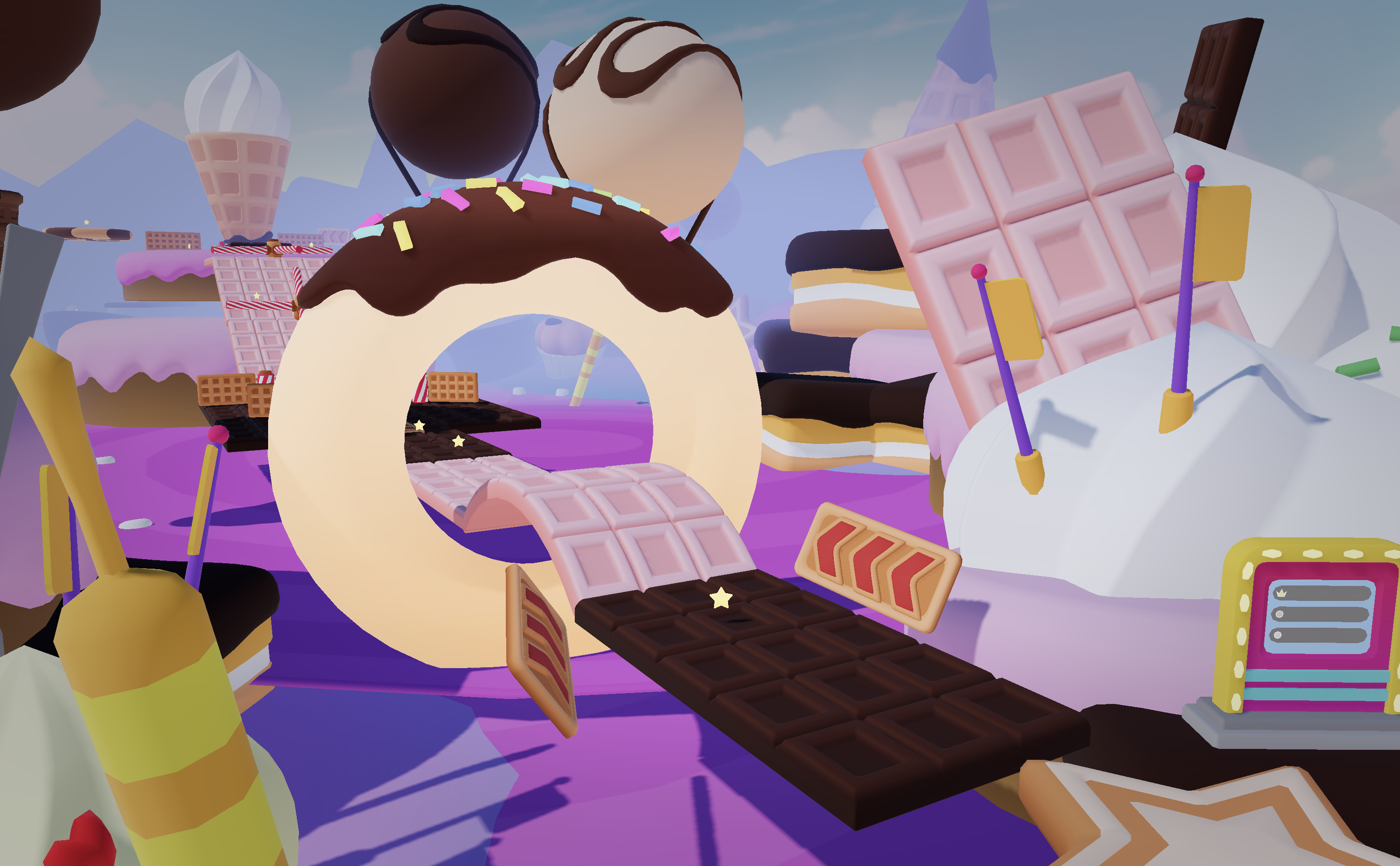
Export note: The LOD system keeps part counts within Roblox’s 10K–20K polygon cap automatically, so your obstacle course passes performance checks on first import.
5. Tycoon Starter
Starter prompt: “Build a small shop building with a counter, shelves, and a cash register. Add a customer character that walks in, waits at the counter, and leaves after 5 seconds. Show a money counter that increases each time a customer is served.”
Core loop: Serve customers, earn money, unlock upgrades, and expand the shop.
Juice tips: Add a coin-drop animation when money increases. Make the shop busier as the player earns more.
Export note: Export the building and character assets separately so you can assemble and extend the system inside Roblox Studio.
6. Survival Arena
Starter prompt: “Generate a walled arena with a low-poly player character in a T-pose. Spawn enemy characters at the edges every 10 seconds. The player loses when touched by an enemy. Show a wave counter.”
Core loop: Survive waves, move to avoid enemies, and last as long as possible.
Juice tips: Make enemies speed up each wave. Flash the screen red when the player is close to an enemy. Add a “Wave Complete” banner between rounds.
Export note: Rigged enemy characters export with animations intact and work in both Roblox Studio and Unity.
7. Roleplay World
Starter prompt: “Build a cozy low-poly town with a bakery, a park, and a fountain. Add interactive objects, where clicking the bakery counter shows a menu and clicking the fountain plays a water animation.”
Core loop: Explore the town, interact with objects, and invite friends to hang out and roleplay scenarios together.
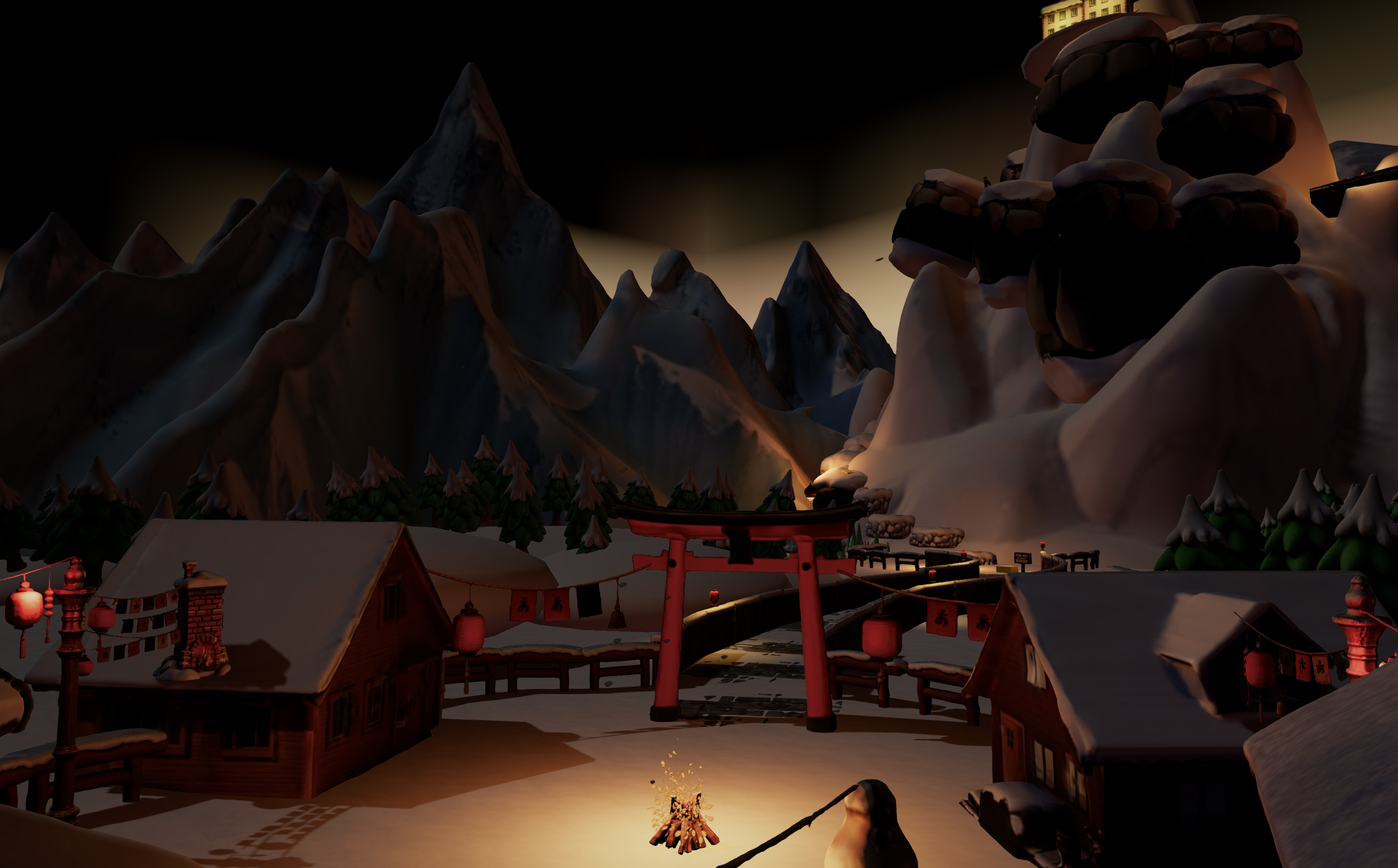
Juice tips: Add ambient sounds, like birds in the park and water from the fountain. Let players customize their character’s outfit before entering.
Export note: The full town exports as a glTF asset pack that you can import into Roblox Studio as a complete environment.
8. Tower Defense
Starter prompt: “Create a path with a start and end point. Spawn low-poly enemy characters that walk along the path. Let the player place tower objects along the sides that shoot projectiles at enemies. Remove an enemy when it is hit 3 times.”
Core loop: Place towers strategically, watch enemies approach, upgrade defenses between waves, and protect the endpoint.
Juice tips: Add a range indicator circle when placing towers. Show a damage number floating up when an enemy is hit.
Export note: Export tower and enemy assets separately so you can reuse them across different Roblox Studio maps.
9. Showcase World
Starter prompt: “Build a floating gallery island with pedestals. Generate 5 different stylized props, a sword, a shield, a helmet, a chest, and a potion bottle, and place one on each pedestal. Add a rotating animation to each prop.”
Core loop: Walk through the gallery, inspect each item, and share the world link so others can explore your creations.
Juice tips: Add a soft glow effect to each pedestal. Let players click a prop to see its name and description.
Export note: Each prop exports individually as a Roblox-ready asset. Use Nilo’s Create Asset Packs feature to bundle all five into one exportable pack from a single image.
10. Multiplayer Race
Starter prompt: “Build a winding race track with a start line and finish line. Add a low-poly vehicle character. When the player reaches the finish line, show their completion time. Let multiple players join the same world via link.”
Core loop: Race from start to finish, compete for the fastest time, and share the link to challenge friends to beat your record.
Juice tips: Add a countdown timer at the start. Show a ghost of the fastest run so players can race against it.
Export note: Export the vehicle and track assets for use in Roblox Studio or Unity multiplayer projects.
How Nilo Compares to Other Tools
When you decide which tool to build with, look at three things: whether it runs in the browser without downloads, whether it supports real 3D depth with physics and rigging, and whether you can build with friends in real time.
Nilo stands out on all three. It runs entirely in the browser, powered by WebAssembly and WebGPU, the same technologies that are transforming what browsers can deliver, with no installation required. Roblox Studio needs a desktop download and scripting knowledge to make anything interactive. Unity’s browser editor is improving but carries decades of professional-grade complexity. Blender is a powerful modeling tool, but it is not a game engine and not browser-based. Rosebud AI generates games from prompts but does not run a full 3D engine underneath, so you cannot build hands-on inside the world or invite friends to create with you in real time.
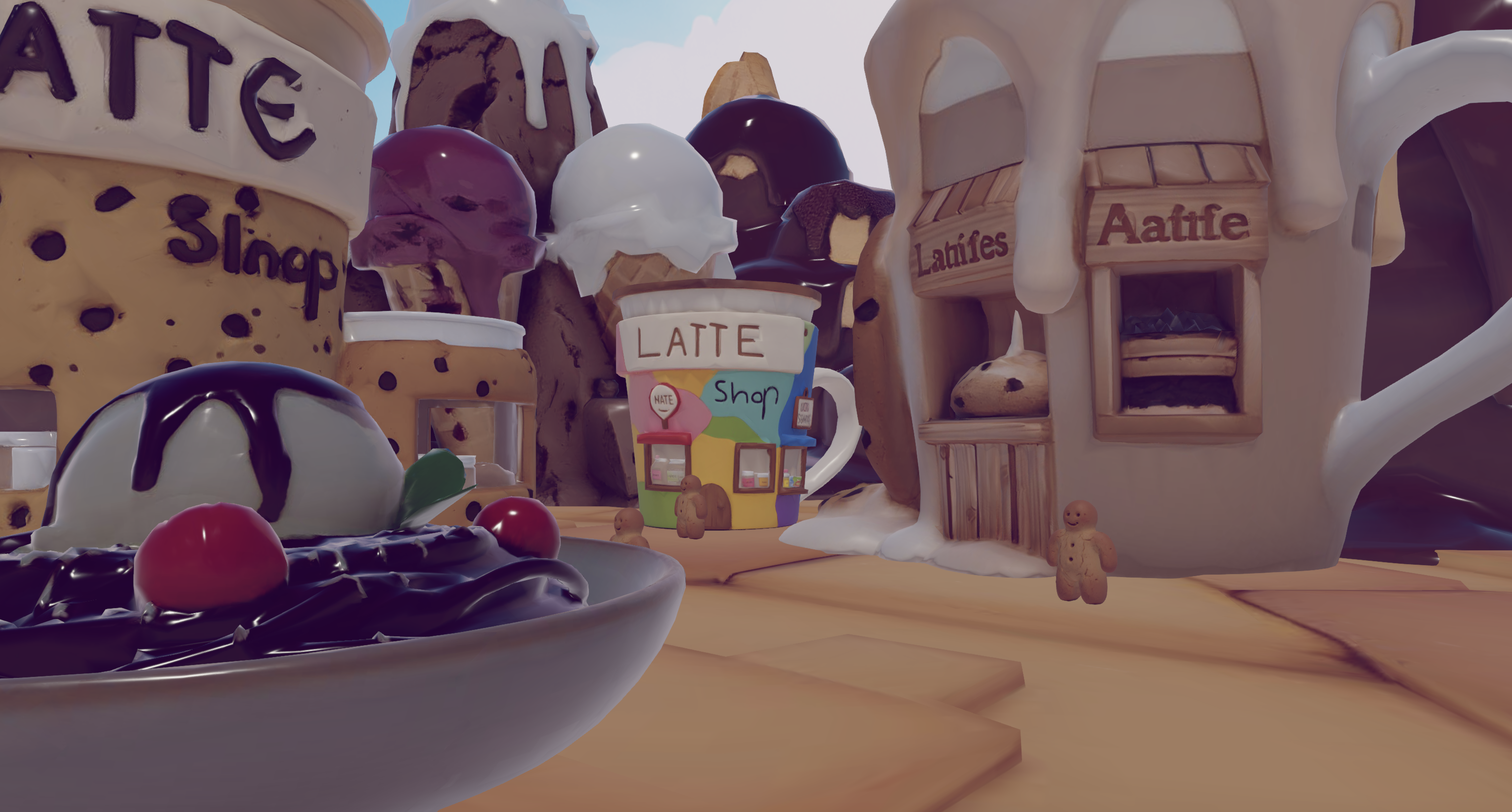
Nilo’s model-agnostic AI layer, which pulls from providers including Meshy, Tripo, Cartwheel, Nano Banana, and Uthana, means you get strong generation quality without switching tools. As one builder noted in Nilo’s February 2026 survey, “I like how it feels like a good game engine rather than a vibe coding tool, with easy building and a good focus on being able to export and import content.”
Share Your World With Friends
Every world you build in Nilo gets a shareable link. Click it on desktop or mobile and you are inside the game, with no download and no account required for visitors. You can publish it to make it public, keep it private while you iterate, or clone another builder’s world and remix it into something new. Creation has always been social, and Nilo brings that feeling back to game development.
Start building your first game in Nilo’s open beta today.
Frequently Asked Questions
Do I need to know how to code to vibe code a game in Nilo?
You do not need coding experience. Nilo’s built-in code editor accepts natural language, so you type what you want to happen, like “when the player touches a coin, add 10 to the score,” and Nilo generates working code instantly. You can also see the actual variables in the code and tweak them directly, like changing “speed = 2” to “speed = 20,” which helps you learn real programming concepts while you build.
How long does it take to build a playable game in Nilo?
Simple games like an endless runner or coin collector can go from first prompt to playable world in under an hour. More complex ideas like a tower defense or multiplayer race take longer as you add mechanics, but Nilo’s real-time feedback loop, where every change appears instantly in your 3D world, keeps iteration fast. Builders report completing in minutes what used to take hours: “I do not have to spend hours on 3D modeling the simplest things, now I can use Nilo and do it in 15 seconds.”
Can I export my Nilo game to Roblox?
Yes. Nilo’s Export and Upload feature lets you export models as FBX, OBJ, STL, or glTF files and import them directly into Roblox Studio. Nilo’s LOD system automatically adjusts polygon counts to meet Roblox’s 10K–20K polygon caps, so your assets pass performance checks without manual cleanup. Rigged and animated characters export with their animations intact. For 3D layered clothing, you set that up in Roblox Studio after exporting your model from Nilo.
Can I build with friends in Nilo?
Yes. Nilo supports real-time multiplayer creation. You share a link and your friends can join your world on desktop or mobile and build alongside you instantly. No download or account is required for visitors to play. You can also publish your world publicly so anyone in the Nilo community can find and play it, or keep it private while you are still working on it.
What makes Nilo different from prompt-to-game tools like Rosebud AI?
Prompt-to-game tools generate a game from a text description, and the experience often stops there. If you want to change something, you usually go back to prompting from scratch. Nilo works as a game engine first, so you are inside a 3D world, building hands-on, tweaking objects, adding logic with natural language, and playtesting in real time. AI acts as your co-pilot, not a replacement for your creative control. The underlying engine runs on C++ physics compiled to WebAssembly, with WebGPU graphics, so creation feels like play instead of operating a complex tool.