Written by: Nuno Leiria, Founder & CEO @ Nilo | Last updated: August 12, 2026
Key Takeaways
- Vibe coding 3D game engines works in 2026 only when the stack handles natural-language prompts without broken dependencies or export crashes.
- Most AI tools struggle with game engines because they generate code in isolation and cannot access scene hierarchies, node graphs, or binary assets.
- A reliable five-step workflow – ideate, generate, refine, test, export – keeps you in flow when the engine supports every step in one place.
- Common failure points include poor output quality, performance issues, export errors, and iteration bottlenecks that push you into manual cleanup in external tools.
- Nilo reduces these friction points with browser-based creation, automatic LOD, and direct Roblox exports so you can go from prompt to playable world without switching tools, join the open beta and start building for free.
Why Turning Prompts into Playable 3D Worlds Still Feels Broken
The term “vibe coding” was coined by Andrej Karpathy in February 2025 to describe describing what you want, letting AI build it, then steering the result as you go. By May 2026, Google I/O embedded agentic coding directly inside Search results, and this workflow moved from developer joke to mainstream production method.
Most tools built around this idea act as wrappers. They generate code in isolation, hand it back to you, and expect you to paste it somewhere and hope it works. Game engines like Godot, Unity, and Unreal contain scene hierarchies, node graphs, and binary assets that AI cannot directly access, so AI feels far more effective with simple web stacks than with editor-heavy 3D environments.
This gap means AI-generated code often produces more bugs than human-written code, especially at dependencies, integration points, and scene connections. Those are exactly the places that matter in a 3D world. Lightweight browser tools usually stop at small 2D prototypes. Traditional engines demand months of technical learning before you can ship anything. Neither path feels right when you just want to make something real.
Who You Are and What You Need to Know First
This guide speaks to aspiring builders or already builders like you. You might be roughly 11–18, grew up in Roblox and Minecraft, and now want to go from playing to creating. You might also be an early indie developer stuck between a strong idea and a working 3D game. If Roblox Studio, Unity, or Blender felt overwhelming, or if tools like Meshy left you cleaning up output instead of building, this guide fits you.
Learn a few key terms before you dive in:
Tool fragmentation usually creates the biggest frustration. Many builders chain Meshy for generation, Blender for cleanup, and Roblox Studio for testing, then lose creative momentum at every handoff. Use this guide to judge any workflow by one standard: does it keep you building, or does it keep pulling you out?
The 5-Step Vibe-Coding Workflow for 3D Worlds
This workflow applies to any AI-native 3D engine. Evaluate each tool you try by how well it supports every step, not just the first one. The workflow starts with ideation because clarity at this stage determines how well the AI can execute your vision.
Step 1: Ideate – Define the Feel Before the Features
Lead with one sentence that describes what your world should feel like, not a long list of features. A line such as “A floating island survival game where everything is made of ice” helps more than a giant checklist. An effective natural-language prompt keeps the mechanic to one sentence and specifies game type, core mechanic, win condition, and controls. Keep it tight, then add complexity after the first version runs.
Step 2: Generate – Turn the Prompt into a 3D Starting Point
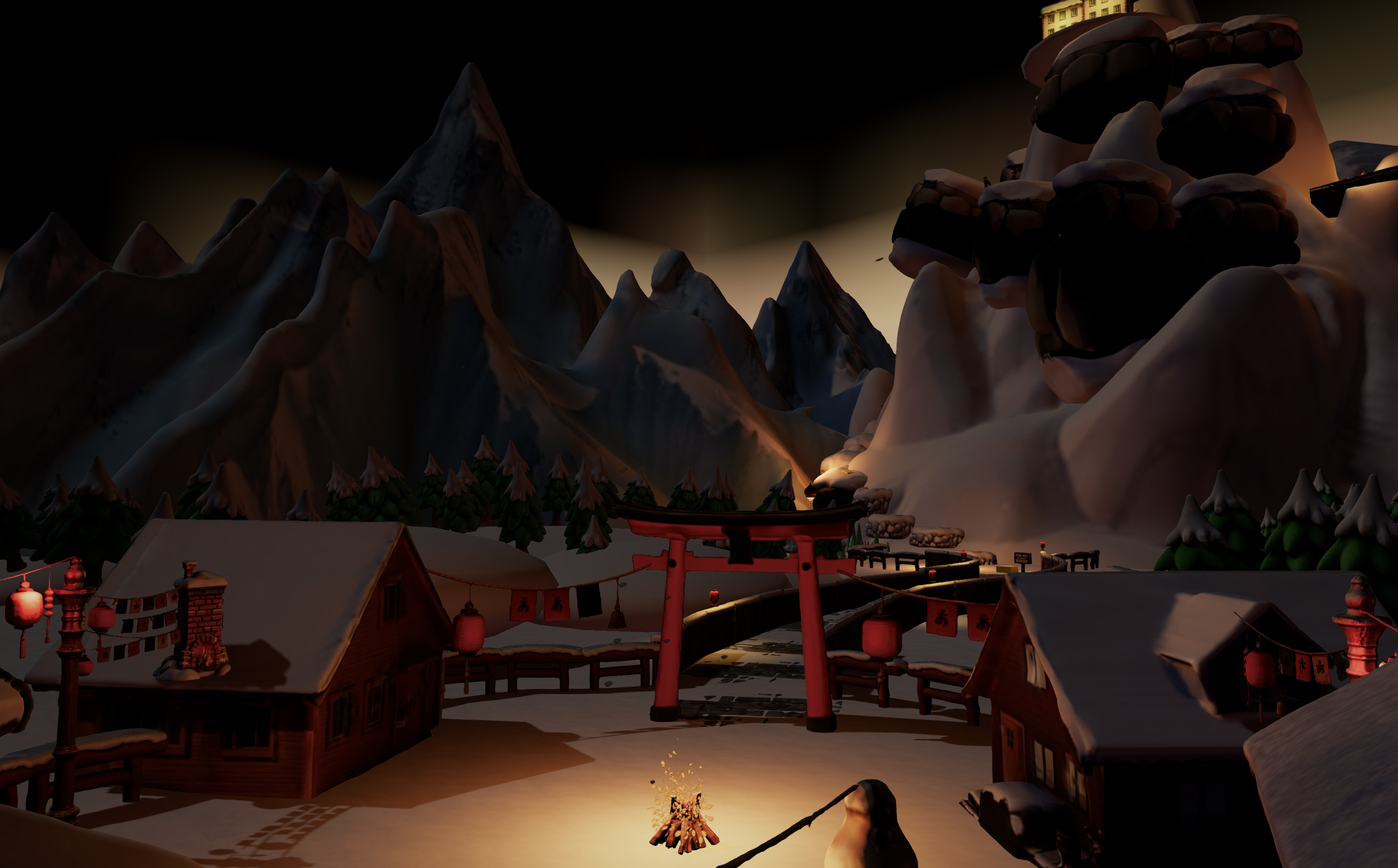
Feed your concept into the engine’s AI layer. Choose tools that support multimodal input such as text, sketches, and reference images so you are not locked into one way of explaining your idea. Balance quality and speed at this step. Faster models give rougher output that needs more refinement. Slower models give cleaner results. A strong engine lets you switch between providers based on what you need.
Step 3: Refine – Shape the Output into What You Actually Imagined
Raw AI output rarely matches your vision. This step gives you real creative control. Look for real-time editing inside the 3D environment, not a separate tool or a download and reupload loop. The ability to adjust topology, swap textures, and tweak proportions without leaving the engine separates a real workflow from a demo. One builder in Nilo’s February 2026 Survey said, “It lets my imagination free and let loose instead of having to plan out a whole blueprint on what to make with my past modeling tools.”
Step 4: Test – Play It Before You Polish It
Playtest early and often. Vibe coding in game development works as a structured loop: describe, generate, playtest immediately, describe changes, then repeat. An engine that forces you to export before testing slows you down and hurts iteration speed. Real-time physics, collision detection, and in-browser playtesting are non-negotiable for a 3D workflow. Share the world with a friend through a link and watch where they get confused. That feedback usually beats automated tests for speed.
Step 5: Export – Get It Out Without Breaking It
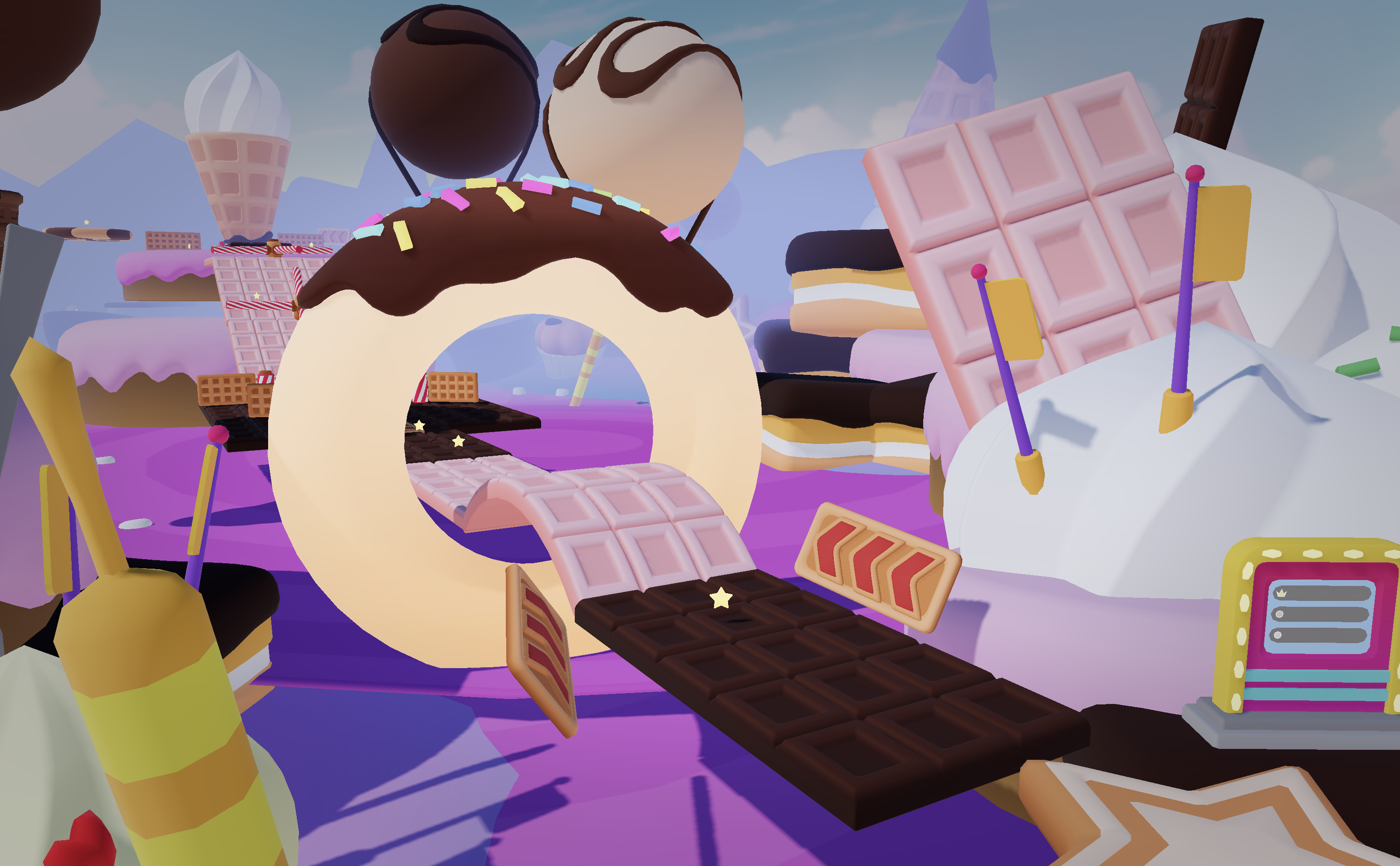
Export often becomes the point where vibe-coding workflows fall apart. Roblox caps assets at 10,000–20,000 polygons, and Unity and Unreal have their own requirements. A tool that generates beautiful assets but cannot meet platform specs sends you back into Blender for manual cleanup, which is exactly what you tried to avoid. Look for automatic LOD that reduces polygons and standard format exports such as FBX, OBJ, glTF, and STL that work across platforms.
Nilo stands out at this step. Its real-time LOD system adjusts polygon counts automatically, and its open beta exports Roblox-ready assets directly from the browser, so you skip the Blender detour. Another survey respondent noted, “I like how it feels like a good game engine rather than a vibe coding tool, with easy building and a good focus on being able to export and import content.”
Frequent Challenges and How to Spot Them Early
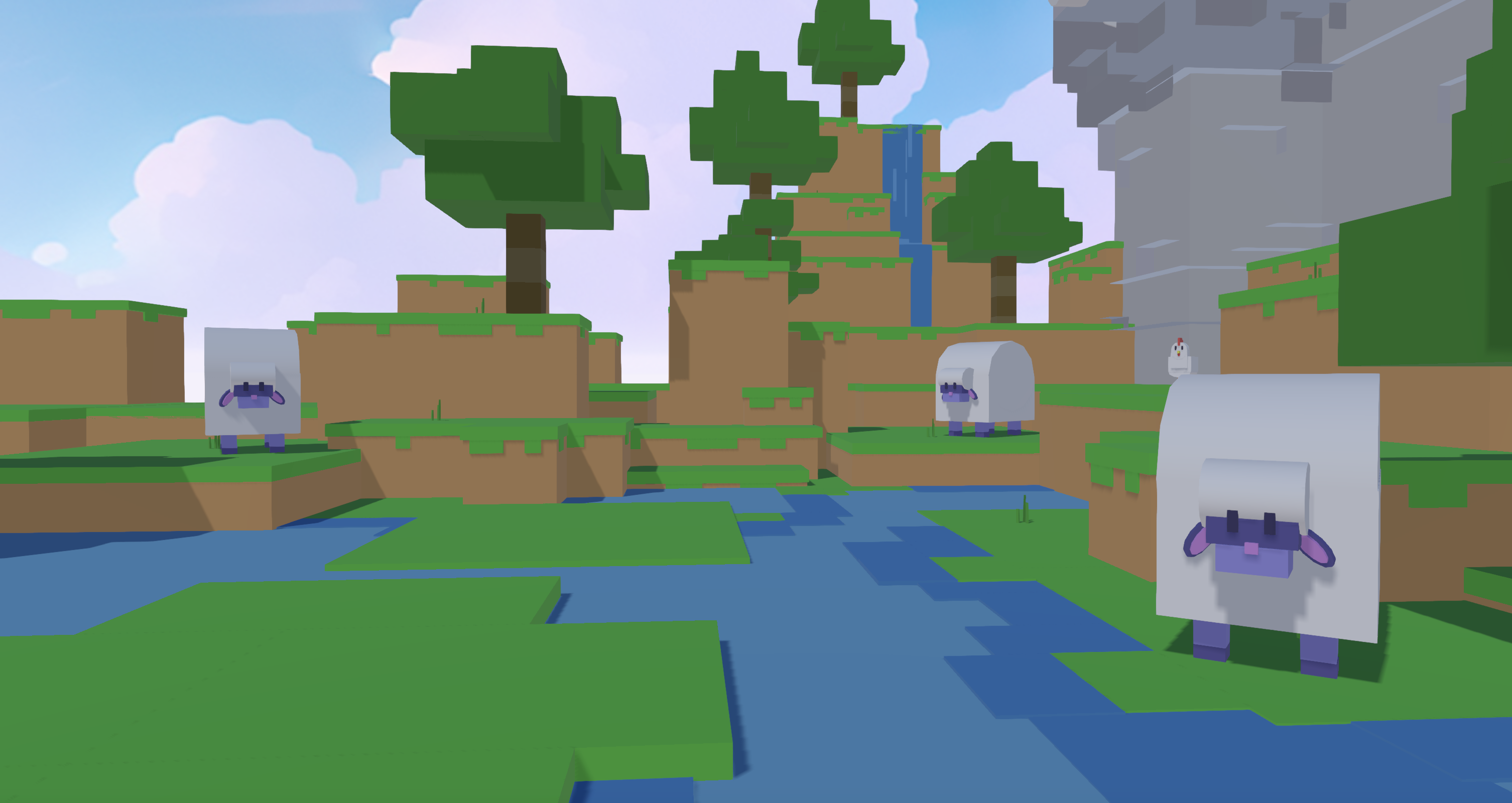
Several failure points show up again and again in vibe-coding 3D workflows. Learn to spot them early so they do not block you later.
Poor output quality usually appears as geometric defects, asymmetry, melted-looking surfaces, or unpredictable textures. These symptoms often mean the AI model does not match the style you described, so switching models or adding a reference image to your prompt often fixes the issue.
Optimization problems show up as lag, low FPS, or warnings about polygon counts. These signs suggest the engine is not reducing mesh complexity automatically. A built-in LOD slider helps here. If you cannot find one, you will probably need manual Blender cleanup.
Export errors appear when Roblox Studio imports fail, textures go missing, or rigs break. AI-generated code often hallucinates scene paths and misunderstands signal connections, which causes many of these problems. Validating exports against your target platform’s specs before you invest time in polish saves frustration.
Compatibility issues show up when rig components do not apply correctly, pivots feel off, or collision masks vanish. These problems usually mean the export pipeline ignores platform-specific requirements. Testing a simple asset through the full pipeline before you commit to a complex build helps you avoid surprises.
Unclear prompts lead to output that does not match your vision and force multiple regeneration attempts. These results usually happen when the prompt describes appearance but skips function or context. Adding game type, intended use, and a style reference to every generation prompt makes results more predictable.
Iteration bottlenecks feel like long waits between changes and a constant loss of creative momentum. These bottlenecks often come from workflows that require tool-switching between generation, editing, and testing. You can avoid this by choosing an engine that supports all three inside a single environment.
How to Know Your Workflow Is Working
A working vibe-coding workflow gives you clear, measurable results that connect to each other.
Asset creation time should drop, so what used to take hours in Blender now takes minutes. Builders in Nilo’s February 2026 Survey reported, “You can work 20 times faster than you usually work on models.” That speed gain only matters when exports pass platform checks on the first attempt without manual cleanup. Stable exports then support playtests that reveal design problems instead of technical ones, with physics working, collisions registering, and frame rate staying stable.
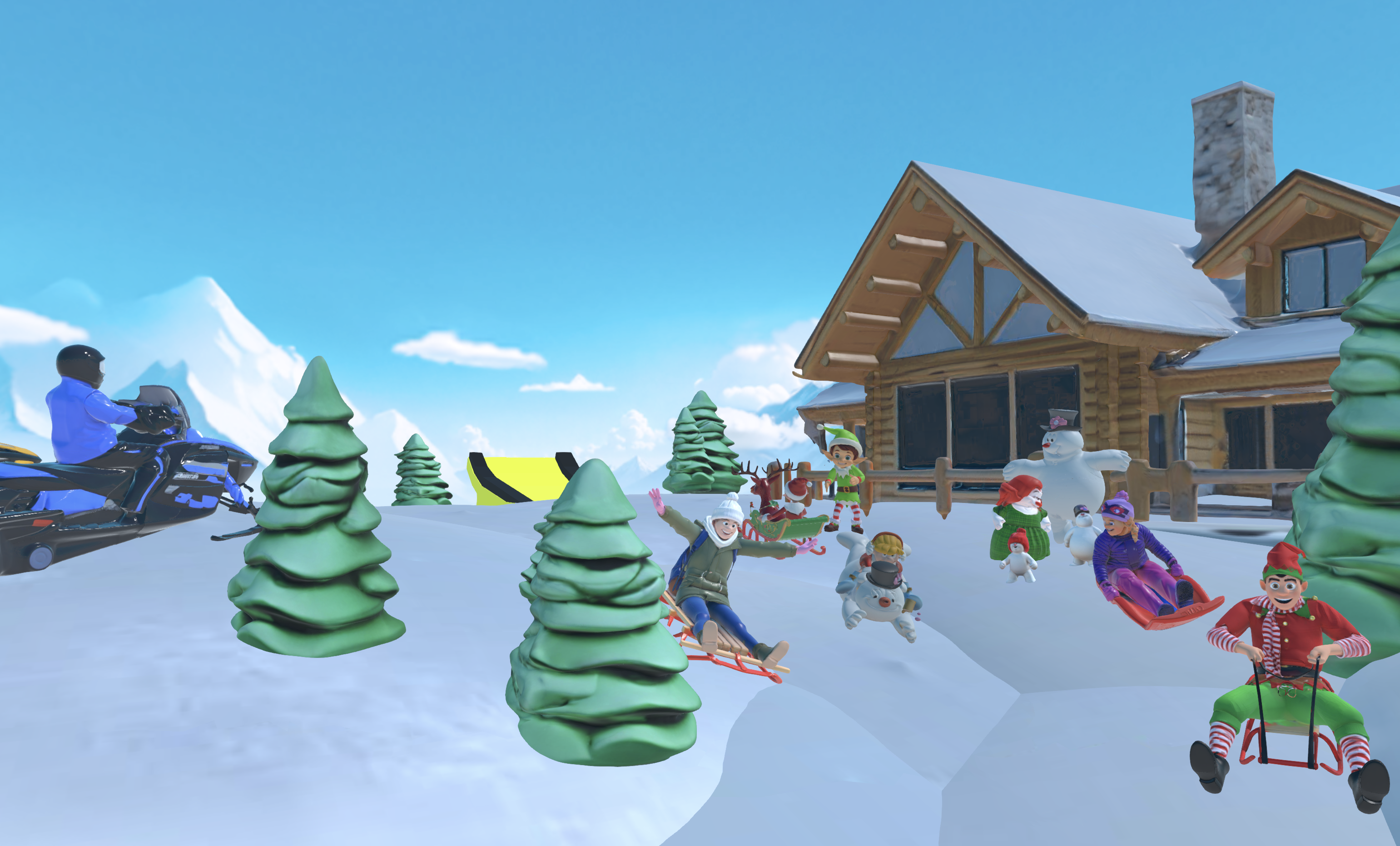
Collaboration should feel additive, where a friend can join your world through a link and build alongside you without setup friction. You should also notice that you spend more time iterating on ideas and less time debugging dependencies.
Separate quick wins from long-term progress. In your first session, success means getting a working asset into a playable world. Over time, success means shipping more worlds faster, with fewer regeneration attempts and cleaner exports. After every build, run a short checklist. Ask whether the export worked, whether the physics behaved, and whether someone else could play it without instructions. A yes to all three means your workflow is functioning.
Advanced Workflow Upgrades Once You Are Shipping Worlds
Once your basic workflow feels reliable, your next challenges become scale and consistency. Generating one asset stays simple. Generating a full asset pack where every prop shares the same style, polygon budget, and texture resolution becomes harder. Tools that support batch generation from a single reference image help your world feel designed instead of random.
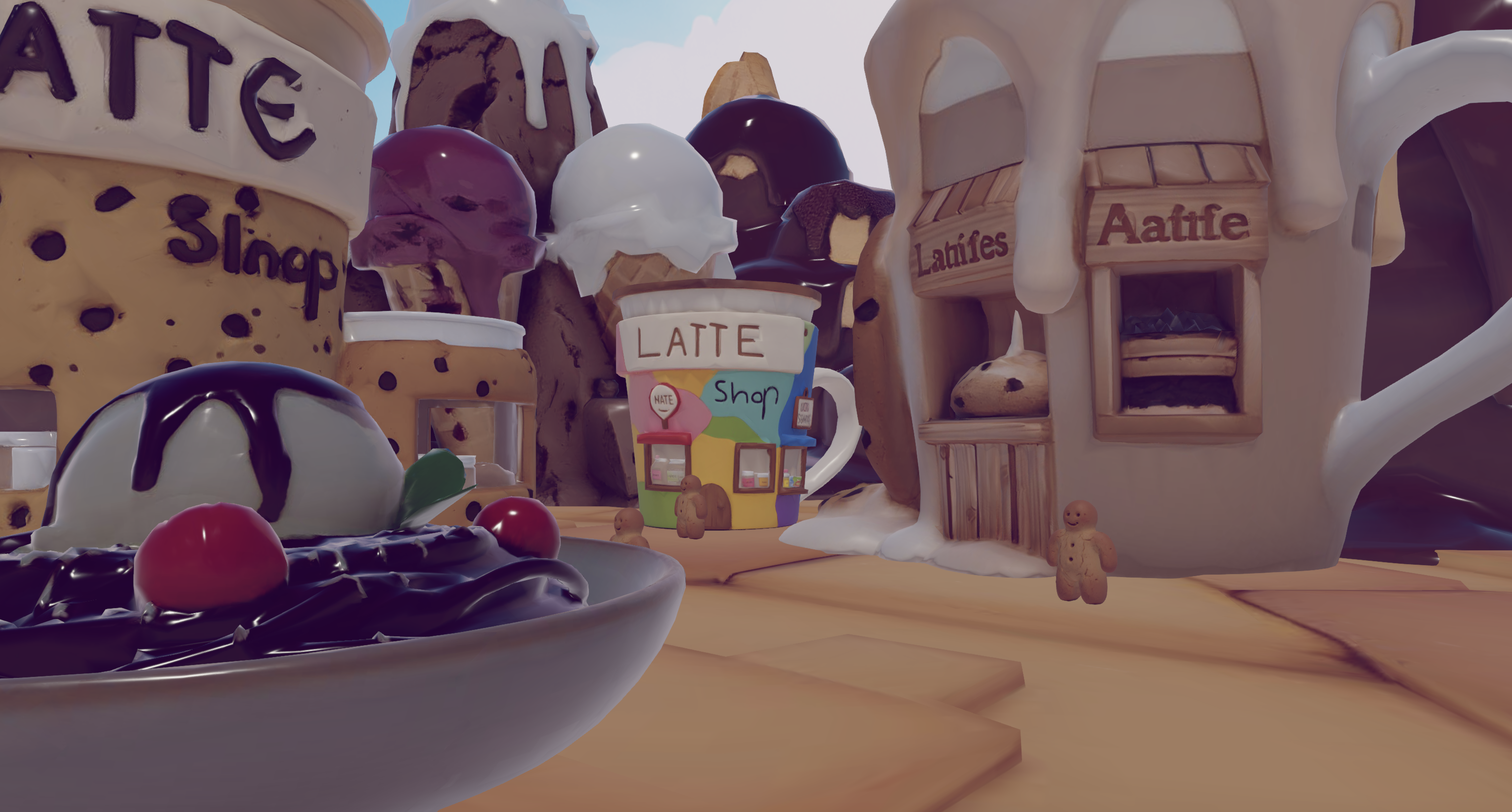
Cross-role collaboration grows more important as your worlds become more complex. Builders, scripters, and animators working in the same environment, without exporting and re-importing between tools, gain a real speed advantage. Real-time multiplayer creation, where multiple builders work on the same world at once through a shared link, can compress timelines that might otherwise take weeks.
Asset reuse and remixing give you another boost. Cloning a world and iterating on it usually beats starting from scratch. Multi-platform adaptation, where you build once and export to Roblox, Unity, and VRChat from the same source, depends on standard format exports such as FBX, OBJ, glTF, and STL and a pipeline that does not lock assets to a single destination.
You reach the point for controlled experimentation when your base workflow feels stable. At that stage, exports pass on the first attempt, playtests surface design problems instead of technical ones, and you can onboard a collaborator in under five minutes. Once you see that pattern, push the complexity with larger worlds, more characters, and multiplayer logic, then watch whether the engine scales with you.
Frequently Asked Questions
How long does it take to go from a prompt to a playable 3D world?
With a browser-based AI-native engine, you can make a simple world with a few assets playable in under an hour. More complex builds with several characters, environments, and scripted interactions take longer, usually a few sessions instead of a few weeks. The biggest time savings come from skipping manual retopology and Blender cleanup. Builders using Nilo have reported generating models in 15 seconds and fully rigged 3D models within minutes, compared to hours of traditional modeling work.
Do I need to know how to code to vibe code a 3D game?
You do not need coding skills to start. Vibe coding means describing what you want in plain language, by typing, talking, or sending an image, and letting the AI generate working code. You never need to write a line of script. Reading and tweaking simple variables, such as changing “speed = 2” to “speed = 20”, still helps you learn real game development concepts while you build. Nilo’s built-in code editor accepts natural language in any language and shows changes in real time inside your 3D world.
What export formats should I look for in a vibe-coding game engine?
Look for FBX, OBJ, glTF, and STL at minimum. These formats work with Roblox Studio, Unity, Unreal Engine, Blender, and VRChat. Avoid tools that only export to proprietary formats because they trap your work on a single platform. If you build characters, also check whether exports include rigging and animation data, not just the mesh.
Why do AI-generated 3D assets often look broken or fail to import?
Most failures happen at generation quality and export compatibility. On the generation side, AI models can create geometric defects, asymmetry, or textures that do not match your style. Switching models or adding a reference image usually helps. On the export side, assets often fail because they exceed the platform polygon limits mentioned earlier or because rig data does not transfer correctly. A tool with built-in LOD and platform-specific export optimization prevents most of these problems before import.
How do I evaluate whether a vibe-coding tool is a real game engine or just a prompt wrapper?
Check four things. First, confirm that you can playtest inside the tool without exporting. Second, see whether the AI can access the actual scene instead of only a text description. Third, make sure the engine handles physics, collisions, and performance automatically. Fourth, verify that you can export to standard formats that work on other platforms. A prompt wrapper only generates output and hands it back to you. A real engine lets you build, test, iterate, and export inside a single environment. The difference becomes obvious as soon as you try to change something after the first generation.
Ready to Start Vibe Coding Real 3D Worlds?
The five-step workflow of ideate, generate, refine, test, and export works when the engine underneath supports every step without sending you to another tool. Evaluate any engine you try against these criteria: real-time playtesting inside the browser, automatic LOD, standard format exports, multimodal input such as text, sketch, and image, and built-in scripting through natural language. If a tool fails at any of these, you will feel the pain at export.
Nilo stands out as a browser-based, AI-native 3D engine built around this workflow. It runs on WebAssembly and WebGPU, so you avoid downloads and installs on any device. Its model-agnostic AI layer connects providers including Meshy, Tripo, Cartwheel, and Uthana behind one interface, so you can pick the output that fits your project. Its real-time LOD system handles Roblox’s polygon caps automatically. Its natural language code editor lets you script game logic by describing what you want. The same February 2026 survey found that 93% of builders would recommend Nilo to a friend, and 82% rated their experience as “Awesome” or “Good.”
Other tools worth checking out, depending on your goals, include Summer Engine for Steam-ready desktop 3D games built on Godot 4, Rosebud AI for instant browser prototypes, and Replit for general software development with AI assistance. Each tool serves a different job. For builders targeting Roblox, browser-based creation, and real-time collaboration, Nilo stands out as a direct path from prompt to playable world.