Written by: Nuno Leiria, Founder & CEO @ Nilo
Key Takeaways
- Traditional game engines like Roblox Studio create major barriers for beginners through required installs, Lua scripting, and manual asset cleanup that often lead to project abandonment.
- Browser-based AI-assisted 3D creation tools remove many of these friction points with no-install access, natural language building, automatic cleanup, and direct export to Roblox Studio.
- Key capabilities include text-to-3D generation, vibe coding for game logic, real-time world building, automatic retopology and LOD handling, and real-time collaboration across devices.
- These tools work well for first-time builders, Roblox-focused creators tired of manual cleanup, and collaborative teams who want to build together without desktop coordination.
- Jump into Nilo’s open beta and start building in your browser for free.
Why Roblox Studio Feels Hard When You Are Just Starting
Traditional desktop engines were built for professional teams, not for builders like you who just want to make something fun. Unity’s May 2026 analysis of early-stage drop-off points identifies scripting as a major friction point because new creators expect a direct path from idea to playable game but instead face the simultaneous challenge of learning software logic and code syntax.
The barriers stack up fast:
- Installs: Unreal Engine recommends but does not require a dedicated GPU (DirectX 11/12 compatible with 8 GB+ VRAM) and typical engine installs use 20–50 GB of storage. Roblox Studio requires a Windows PC or Mac and is not compatible with mobile devices or Chromebooks.
- Scripting: Grasping Lua scripting fundamentals typically takes days to weeks of daily practice, while complex systems like multiplayer logic take considerably longer.
- Retopology (the process of cleaning up a 3D mesh so it runs efficiently in a game engine): AI-generated assets from tools like Meshy often come out with messy geometry that can take 30 minutes or more of manual cleanup in Blender per asset.
- LOD (level of detail, the system that reduces polygon counts so your game does not lag): Roblox caps assets at 10K–20K polygons. Managing that manually feels stressful and time-consuming.
- Complex UIs: Traditional game engines present multiple panels, such as hierarchies, inspectors, project directories, and console windows, so you spend more time memorizing interface functions than actually building.
These barriers do not just slow you down. They cause project abandonment. You start excited, hit a wall, and stop. Then you try again months later and hit the same wall.
What You Can Use Instead of Roblox Studio
Browser-based AI-assisted 3D creation tools give you a different path. You skip installs, skip early Lua scripting, and skip most manual asset cleanup. You open a browser tab, start building, and let the tool handle retopology, LOD handling, and export compatibility in the background.
This category includes platforms like Nilo, which runs entirely in your browser with no downloads. You can generate 3D assets from text prompts or sketches, rig and animate characters with one click, and export directly to Roblox Studio with polygon counts already tuned for Roblox. Other tools in the space include Rosebud AI, which focuses on AI code generation for browser games, and Sloyd, which focuses on 3D model generation but does not cover rigging, animation, or publishing.

The right tool depends on what you want to do. If your goal is to create Roblox-ready assets and eventually build full playable worlds without leaving your browser, look for tools that cover the full pipeline in one place: generation, cleanup, rigging, and export.
Try the full Roblox-ready pipeline in Nilo’s open beta, no install required.
How Beginner-Friendly Roblox Studio Really Is
Roblox Studio feels more builder-forward than Unity or Unreal Engine. Building is a recognized development role in the Roblox ecosystem, with 28,887 members in the Builders category on the official Roblox Developer Forums. That builder focus does not automatically make the tool beginner-friendly.
Game engines are professional-grade tools engineered for multidisciplinary teams, and their learning curves were fundamentally designed for professional audiences rather than individual beginners. Roblox Studio follows this pattern.
You will likely hit specific friction points as a beginner in Roblox Studio:
- You cannot use it on mobile or Chromebook. It requires a Windows PC or Mac with a stable internet connection. That desktop-only requirement becomes especially limiting when you want to build on the go or collaborate with friends who only have Chromebooks.
- Making anything interactive requires Lua scripting. Key concepts like LocalScripts, RemoteEvents, and leaderstats need to be understood early.
- Custom 3D assets require Blender. Learning 3D modeling in Blender has a steep learning curve that can take months.
- After following tutorials, you often hit a gap when trying to implement your own ideas because rote copying does not build a deep understanding of engine systems.
Roblox Studio is a powerful tool. It is not designed for someone who wants to build their first playable world this weekend with minimal setup.
Browser-Based AI 3D Tools as a New Option
Browser-based AI-assisted 3D tools share a common set of traits: no installation, no scripting requirement to get started, instant 3D feedback in the browser, and export compatibility with platforms like Roblox Studio.
| Feature | Browser-Based AI Tools | Roblox Studio |
|---|---|---|
| No install required | Yes, runs in browser | No, requires Windows PC or Mac download |
| No code required | Yes, natural language or no-code logic | No, Lua scripting required for interactivity |
| Instant 3D feedback | Yes, real-time in browser | Partial, requires desktop playtest mode |
| Roblox export compatibility | Yes (Nilo: FBX, OBJ, glTF with LOD handling) | Native, but assets need manual optimization |
Nilo stands out in this category because it combines the full asset pipeline in a single browser-based environment built for Roblox-focused builders like you. You can generate assets, clean them up, rig and animate them, build worlds, and export, all in one place. Nilo also tunes polycount so models work directly in Roblox Studio and other platforms without extra steps.
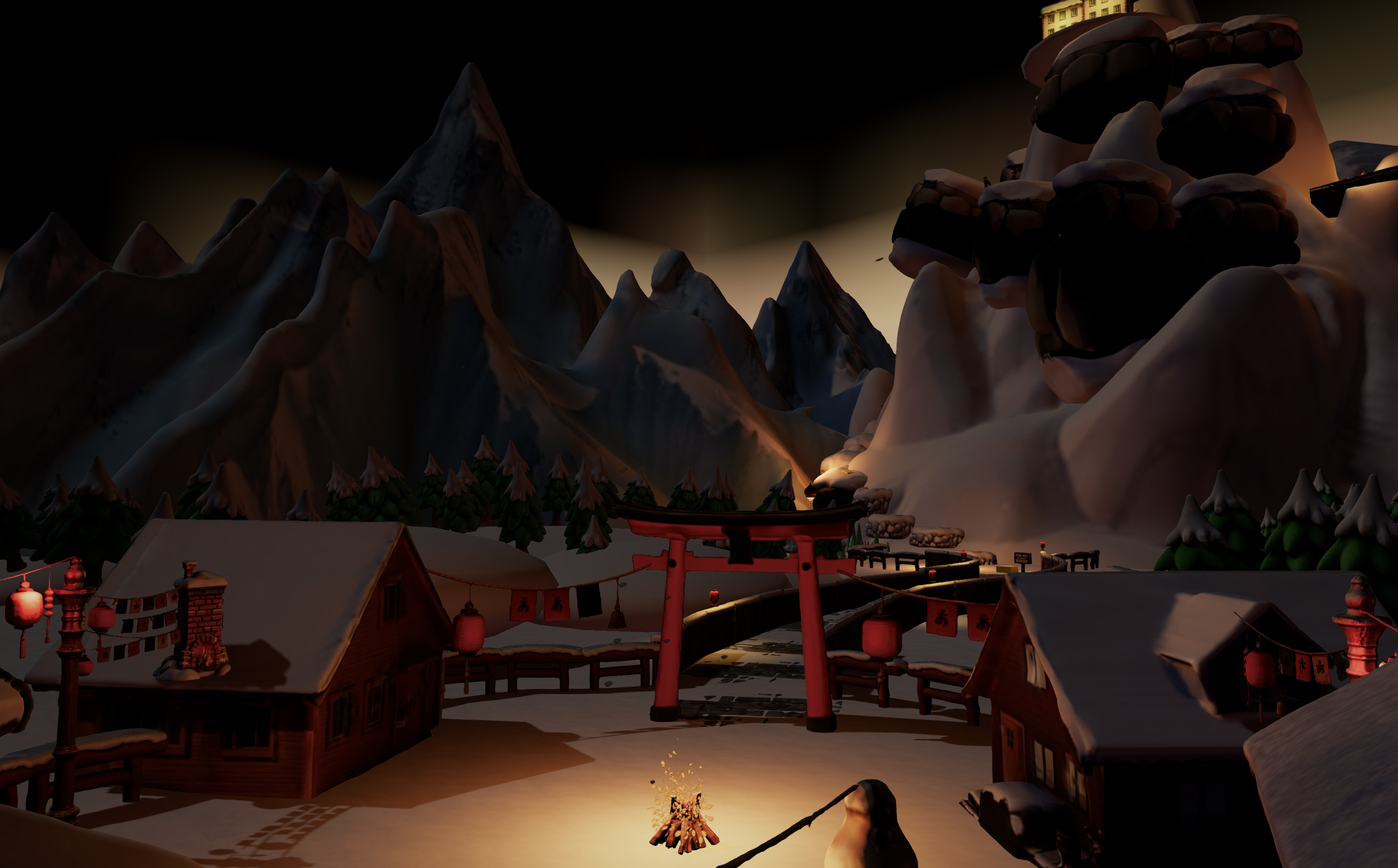
In Nilo’s February 2026 survey with builders, 93% said they would recommend Nilo to a friend, and 82% rated their experience as “Awesome” or “Good.” One builder described it this way: “I like how it feels like a good game engine rather than a vibe coding tool, with easy building and a good focus on being able to export and import content.”
See why 93% of builders recommend Nilo and start building in your browser now.
Key Capabilities You Should Look For
3D Asset Generation Without Extra Tools
Text-to-3D generation lets you type a description and get a 3D model. Sketch-to-3D pipelines let you draw in 2D, refine with AI, and drag the result into your world. These features are now standard in this category.
What separates tools is how many AI providers they connect to and how they manage those behind the scenes. More providers means more chances to get the exact style and shape you want. Nilo connects to multiple AI model providers, including Meshy, Tripo, and Cartwheel, behind one interface so you do not need to jump between sites.
This multi-provider setup translates into real time savings. As one builder noted in Nilo’s February 2026 survey: “I do not have to spend hours on 3D modeling the simplest things. Now I can use Nilo and do it in 15 seconds.”
Natural-Language Logic Creation (Vibe Coding)
Vibe coding means you tell the AI what you want your game to do in plain language. You can type, talk, or even send an image, and the system turns that into working code. You see the result live in your 3D world.
Nilo’s built-in code editor works this way and gives you real-time feedback. You can also tweak variables directly, such as changing “speed = 2” to “speed = 20,” so you start to learn real programming concepts while still moving fast.
World Building That Feels Like Play
Browser-based tools in this category usually offer procedural world building with real-time physics. In Nilo, everything is interactive by default. Objects move, collide, and react without extra setup from you.
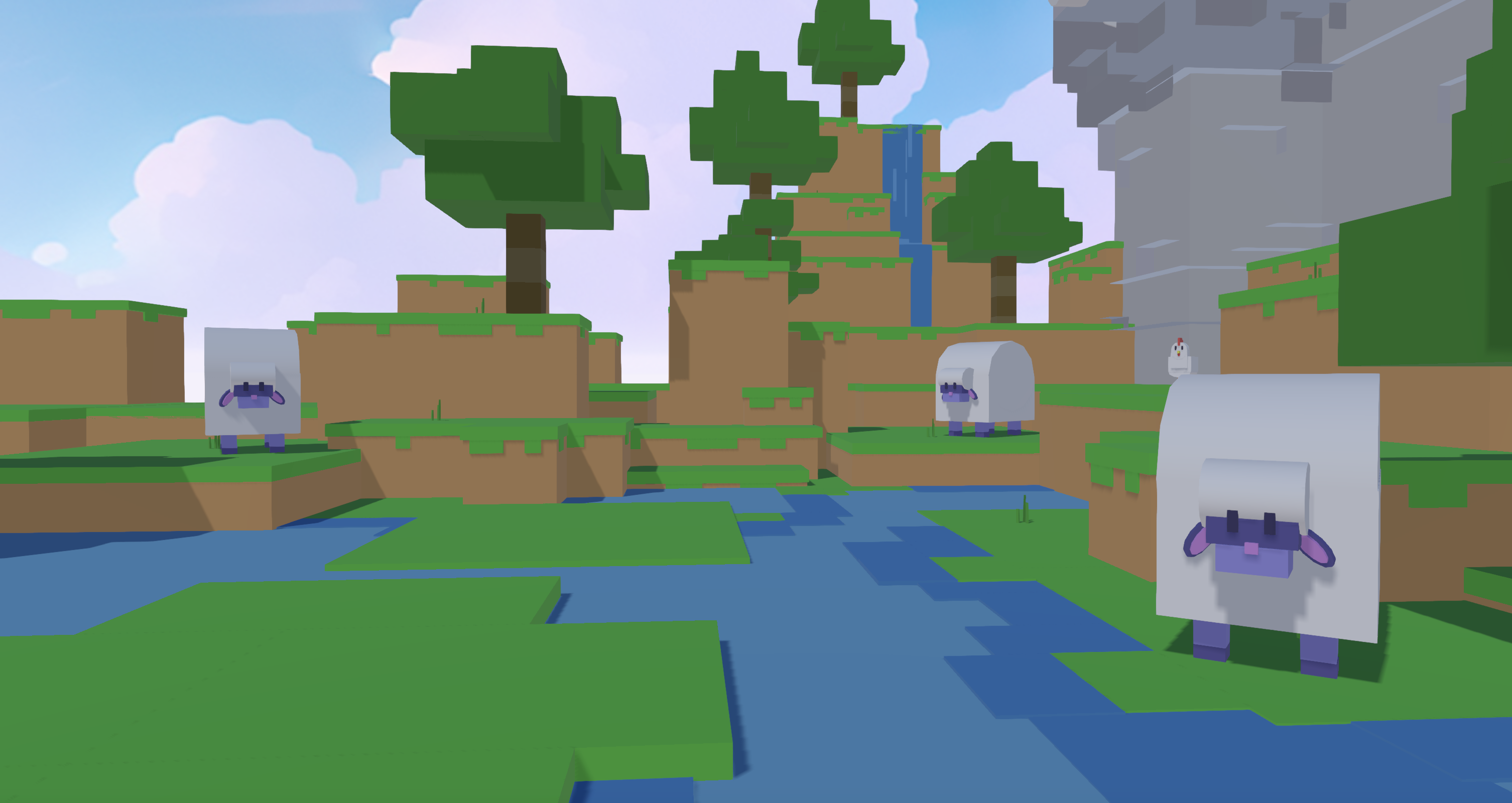
A radial menu handles quick object creation, and an inspector panel handles detailed editing. You stay focused on your world instead of digging through nested menus.
Automatic Optimization for Roblox
Retopology cleans up a 3D mesh so it runs efficiently. LOD reduces polygon counts based on distance. Nilo handles both automatically and keeps assets within Roblox’s polygon limits without extra work from you.
Real-Time Collaboration With Friends
Real-time multiplayer creation, where you share a link and build together on desktop or mobile, defines this category. Nilo supports this natively and connects with Discord and Telegram so you can hang out and build at the same time.
Flexible Export to Other Platforms
Standard formats such as FBX, OBJ, STL, and glTF keep your work portable. You can move assets into Roblox, Unity, Blender, Unreal Engine, and VRChat. Nilo does not lock you in, so you can use it purely as an asset pipeline if you want.
How To Compare Browser-Based 3D Tools
When you compare browser-based 3D creation tools, use these criteria to guide you:
- Ease of onboarding: You should be able to create something in your first session without a tutorial. Look for in-app guidance and simple menus.
- Output quality: Check whether generated assets need manual cleanup or feel game-ready. Test with a simple character and inspect the mesh topology.
- Export compatibility: Confirm that the tool exports to the platforms you actually use. Look for FBX and glTF support and built-in LOD handling.
- Performance limits: See whether the tool handles Roblox’s polygon limits automatically or expects you to manage that yourself.
- Collaboration: Decide if you want to build solo or with friends in real time, then check if the tool supports shared sessions.
- Learning value: Prefer tools that teach real concepts like rigging, mesh topology, and physics through the interface instead of hiding everything.
Real-Life Ways You Might Use Nilo
First-time builder: You have never used any creation tool and want to build a simple world to share with friends. A browser-based tool with no install, a text-to-3D generator, and a share-by-link feature can take you from zero to playable in one session. Nilo’s open beta fits this workflow directly. You can generate 3D characters, weapons, and props in seconds using sketches or prompts.
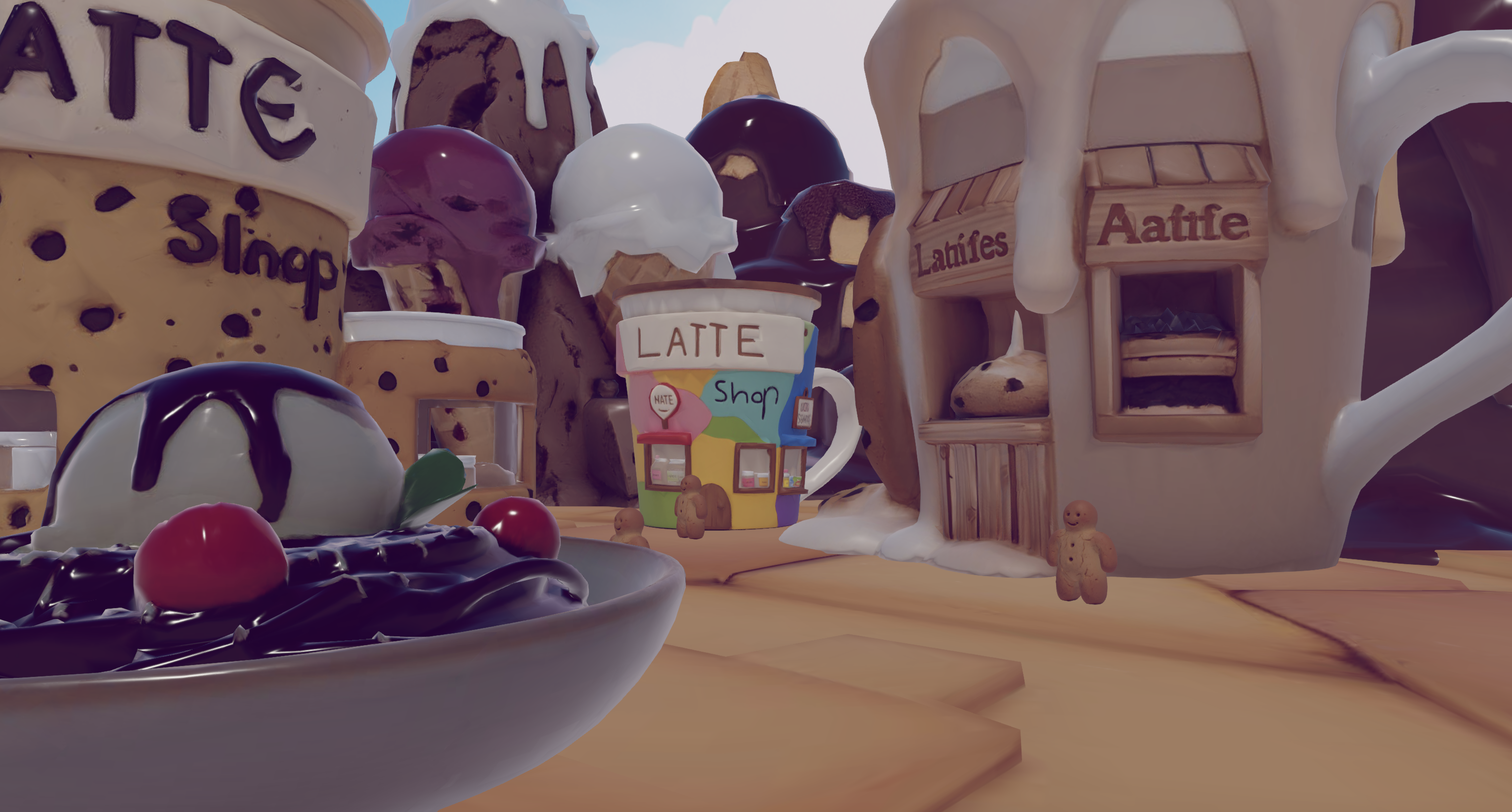
Roblox-focused builder: You already build in Roblox Studio but spend too much time cleaning up AI-generated assets in Blender. You want a tool that creates Roblox-ready assets with clean topology and exports directly to Studio. Nilo’s LOD system and one-click export handle this without the Meshy to Blender to Roblox Studio daisy-chain.
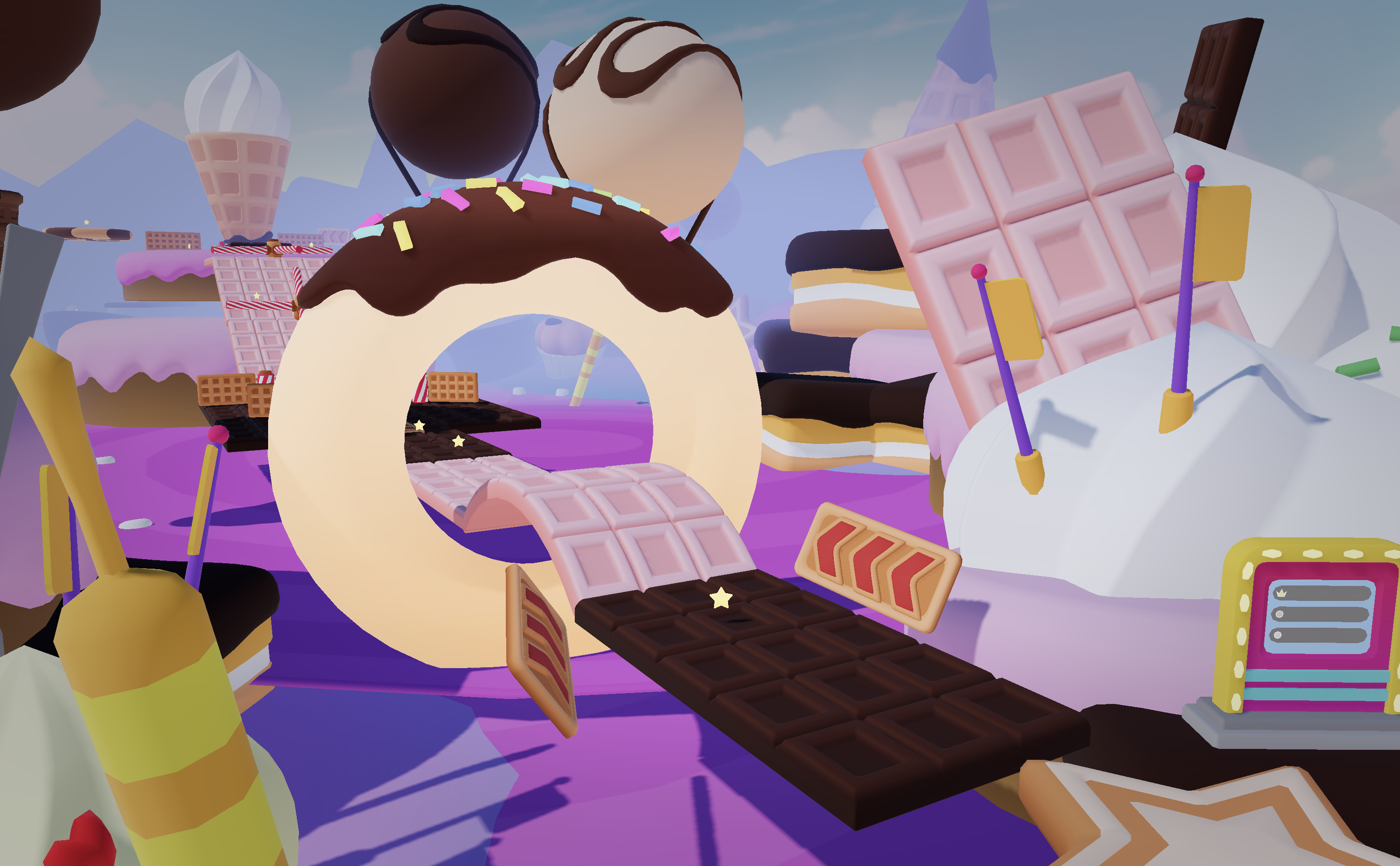
Collaborative team: You and two friends want to build a game together but cannot coordinate schedules around a desktop install. A browser-based tool with real-time multiplayer creation and link sharing removes that coordination overhead. Nilo supports this across desktop and mobile browsers at the same time.
Start building with your friends today, share a link, and create together in Nilo.
FAQ
What exactly is a browser-based 3D creation tool?
It is a game creation platform that runs entirely in your web browser. You do not need a download, installation, or high-performance hardware. You open a link and start building.
The underlying technology, such as WebAssembly and WebGPU, now makes it possible to run full 3D game engines in a browser tab. The same shift allowed Figma to deliver professional design tools on the web. Nilo uses this architecture with a custom C++ physics engine compiled to run in the browser.
Do I need any coding or 3D modeling skills to use these tools?
No. Browser-based AI-assisted tools in this category are built to remove those requirements. You describe what you want in plain language, or draw it, or upload a reference image, and the AI generates it for you.
For game logic, the vibe coding approach described earlier handles this, so you do not need to write scripts by hand. You can still tinker with variables to learn real programming concepts at your own pace.
Can I still export to Roblox Studio if I build in Nilo?
Yes. Nilo exports to FBX, OBJ, STL, and glTF formats, all of which work with Roblox Studio. The LOD system automatically tunes polygon counts to meet Roblox’s caps before export, so your assets import cleanly without manual cleanup. Nilo does not replace Roblox Studio. It gives you a faster way to create the assets that go into it.
What are the limits of AI-generated 3D assets?
AI-generated assets can sometimes have geometric defects, asymmetry, or unpredictable textures. You may need multiple generation attempts to get the result you want. Prompt precision matters, so more specific descriptions usually give better output.
Tools that connect to multiple AI model providers, such as Nilo with Meshy, Tripo, Cartwheel, and others behind one interface, give you more options without switching platforms. Real-time retopology in Nilo also catches and cleans up many mesh issues automatically.
Is Nilo free to use?
Yes. Nilo is currently in open beta and free to access. The Starter tier includes 1,000 Nilo Bits per month, which are the credits used for AI generation, export, and some creation features. Many core building features do not use Bits at all. You can also earn more Bits through Nilo Rewards by referring friends and building within the community.
Conclusion: A Faster Path From Idea to Playable World
The gap between playing games and making them has always come from technical friction such as installs, scripting, retopology, LOD management, and constant tool-switching. Browser-based AI-assisted 3D creation tools address each of these barriers directly.
If you want to create Roblox-ready assets or build playable worlds without the professional-grade overhead of Roblox Studio, Blender, or Unity, this category opens a new path. Comparing tools on onboarding ease, output quality, export compatibility, and collaboration support will help you choose the one that fits where you are in your builder journey right now.