Written by: Nuno Leiria, Founder & CEO @ Nilo | Last updated: August 10, 2026
Key Takeaways for Your Roblox Vibe Game Workflow
- AI-generated 3D assets often blow past Roblox’s triangle limits and push you into long Blender retopology sessions that kill your creative flow.
- Nilo’s browser-based LOD (level of detail) slider automatically reduces polygon counts without manual cleanup, so you can hit Roblox’s platform limits in real time.
- The 4-step workflow – generate, optimize and rig, export, import – handles texturing, rigging, and animation in your browser and outputs clean FBX or GLB files.
- Mobile-friendly budgets, such as under 5k triangles for characters and under 3k for props, are reachable while you watch the changes update live.
- Skip the Blender detour and ship vibe-game assets faster. Start building for free with Nilo.
The 4-Step AI Export Workflow for Roblox Studio
- Design and Generate with Craft Your Model. Open Nilo in your browser, with no download or install. Use Craft Your Model to describe your prop, character, or environment with a text prompt, a sketch, or a reference image. Nilo’s model-agnostic AI layer, which pulls from providers including Meshy, Tripo, and Cartwheel behind one interface, generates a 3D mesh in seconds. Checkpoint: confirm the overall shape and vibe match your concept. If the result feels off, refine your prompt or switch AI providers inside Nilo while staying in the same project.
- Optimize and Rig with AI-Powered LOD and Auto-Rigging. Use the LOD slider to reduce polygon count automatically so your asset stays within Roblox’s performance limits. Drag the slider until the triangle count lands in the target range for your asset type, using the table below as your guide. Once you hit your target, click Optimize, Rig, and Animate to add a skeleton of bones, called a rig, so your character or prop can move. For bipedal humanoid characters in a T-pose, Nilo rigs clothing as part of the full character model automatically. After rigging, type what you want the character to do and Nilo generates an animation and applies it to the rig you just created. Checkpoint: confirm the triangle count is within budget and the rig and animation previews look right before you continue.
- Export Assets with Export and Upload. Click Export and Upload to download your file. Nilo exports FBX, OBJ, STL, and glTF. GLB (a binary version of glTF) is the recommended format for Roblox because it packages textures, PBR materials, rigs, and animation data into a single file, while FBX arrives with loose texture files. Choose GLB when you want everything bundled in one file. Choose FBX when you prefer separate texture control or follow a Studio workflow that expects it. Checkpoint: open the downloaded file and confirm textures, materials, and rig data are present.
- Import to Studio and Wire Your Game Logic. In Roblox Studio, go to Home > 3D Importer, or right-click Workspace > Insert from File, and load your file. Set the Scale Unit in the Import Preview window to match the unit your model was built in, such as meters or centimeters, instead of leaving the default Studs setting. This step keeps your asset from importing at the wrong size. After import, set CollisionFidelity on the MeshPart to Box, Hull, or PreciseConvexDecomposition based on how the object should interact with players. Add seating scripts for furniture, animation scripts for characters, and proximity prompts for interactive props. Checkpoint: playtest with a friend using Nilo’s Playtest with Friends feature, then finalize in Studio once everything feels right.
Triangle Targets and Mobile Performance for Your Vibe Game
The LOD slider in step 2 works best when you already know your triangle targets. Use this table as a guide when you build vibe games for mobile players.
| Asset Type | Mobile Budget (Mid-Range) | Roblox Hard Limit | Nilo LOD Target |
|---|---|---|---|
| Hero character | 1,500–5,000 triangles | 10,000 triangles | Under 10,000 |
| Supporting NPC | 1,000–3,000 triangles | 10,000 triangles | Under 5,000 |
| Game prop (chair, crate) | 500–1,500 triangles | 21,000 triangles (single import) | Under 3,000 |
| Environment / map dressing | 500–1,500 triangles | 50,000 triangles per model | Under 2,000 |
Before you export, run through this mobile checklist to catch performance issues early.
- LOD usage: Confirm the LOD slider in Nilo brought your triangle count into the target range before exporting. This step gives you your first line of defense for mobile performance.
- Draw calls: Target under 100 draw calls per frame on mid-range devices. Each unique material creates a draw call, so merge identical materials where you can to reduce this number.
- Texture size: Textures must use PNG, JPG, TGA, or BMP format; resolutions above 1024×1024 are supported and preserved up to 8k. For mobile, use square power-of-two sizes such as 256, 512, or 1024 to balance quality and memory use.
- Bone influences: Each vertex may be influenced by a maximum of 4 bones in Roblox, and Nilo’s rig output respects this limit automatically.
- Invisible faces: Remove geometry the player never sees so you keep triangle counts and draw calls as low as possible.
Common Roblox Import Problems and How You Fix Them
Pivot and size mismatch. Roblox defines 1 stud as 28 cm, or about 3.57 studs per meter, so models built at the wrong scale import at the wrong size. Nilo builds assets to real-world scale automatically. If you still see a mismatch after import, revisit the Scale Unit setting mentioned in step 4 and confirm it matches your file’s unit.
Missing collision masks. After import, CollisionFidelity on the MeshPart must be set manually, and Default is not the lowest-cost option even though it appears first. Set Box for simple props, Hull for curved objects, and PreciseConvexDecomposition for complex shapes that need accurate physics.
Animation retargeting issues. The “Rig is invalid for animation” error appears when joint names do not match Roblox’s naming convention. Names such as “Head,” “UpperTorso,” and “LeftUpperArm” must match exactly for R15 rigs. When you download FBX animations for Roblox Studio, select the “Download FBX animation for Roblox Studio” option and set export to 30 keyframes per second to match Roblox Studio’s default frame rate. Nilo’s animation output, through its Uthana partnership, is formatted for Roblox R15 compatibility.
Textures failed to load. This error usually comes from texture files that are too large or have special characters in the filename. Rename textures to simple names such as “texture1.png”. While resolutions above 1024×1024 are supported and preserved up to 8k, lower resolutions work better for mobile. If you exported FBX, upload textures separately and assign them to the MeshPart TextureID or a SurfaceAppearance object in Studio.
Triangle count rejection. A single MeshPart is capped at 21,000 triangles and models above this limit are rejected by the importer. Use Nilo’s LOD slider before export to bring the count down. For large environment assets such as buildings, split the model into separate meshes like walls, roof, and doors so each part stays under the limit.
How to Compare Nilo with Other Roblox Asset Tools
When you compare tools for a Roblox vibe game asset workflow, look at four things. Check how fast the tool reduces triangle count, whether the output meets Roblox’s polycount requirements without extra cleanup, whether FBX or GLB export keeps textures and rigs intact, and whether you can playtest assets in real time before exporting.
Nilo stands out on all four points. The LOD slider handles retopology in real time inside your browser. Assets export with textures and rigs intact in FBX, OBJ, STL, or glTF. You can also playtest with friends by sharing a link before you open Roblox Studio. In a February 2026 Nilo survey, 93% of builders said they would recommend Nilo to a friend, and 82% rated their experience as “Awesome” or “Good.”
Meshy generates textured models quickly and offers a Roblox Bridge for direct Studio import. Its recommended workflow is Generate, then Remesh, then Texture, which still adds separate remeshing steps and a paid plan for one-click optimization. Sloyd focuses on model generation and UV mapping automation but skips rigging, animation, and real-time playtesting in a single workflow. Lemonade.gg plugs into Roblox Studio directly but depends on Studio as the main creation environment instead of giving you a standalone browser-based pipeline.
Prompt-to-game tools such as Rosebud AI generate game logic from text but skip a real game engine, hands-on 3D building, and Roblox-specific export tuning. Nilo works as a game engine first, so you build inside a 3D world instead of only prompting your way to an output.
Join Nilo’s open beta and try building and playing for free.
Frequently Asked Questions
How long does the full 4-step workflow take?
You can usually complete the generate, optimize, rig, and export steps quickly for a single prop or character. As one builder shared in Nilo’s February 2026 survey, “I do not have to spend hours on 3D modeling the simplest things. Now I can use Nilo and do it in 15 seconds.” Generation runs fast, and most of your time goes into reviewing and adjusting the LOD slider to hit your triangle target.
What file format should I export for Roblox vibe games?
GLB works best when you want textures, PBR materials, rigs, and animations bundled into one file as described in step 3. FBX fits when you plan to upload textures separately or follow a Roblox Studio workflow that expects FBX. OBJ suits simple static props with no rig or animation data. Nilo exports all three formats, so you can pick the one that matches your Studio import needs.
Will my assets run well on mobile in a hangout or RP game?
Yes, as long as you use the LOD slider to hit the triangle budgets in the mobile performance checklist above. Use texture resolutions that are appropriate for performance and merge identical materials to reduce draw calls. Nilo’s LOD system adjusts polygon count in real time so you can see the impact before you export.
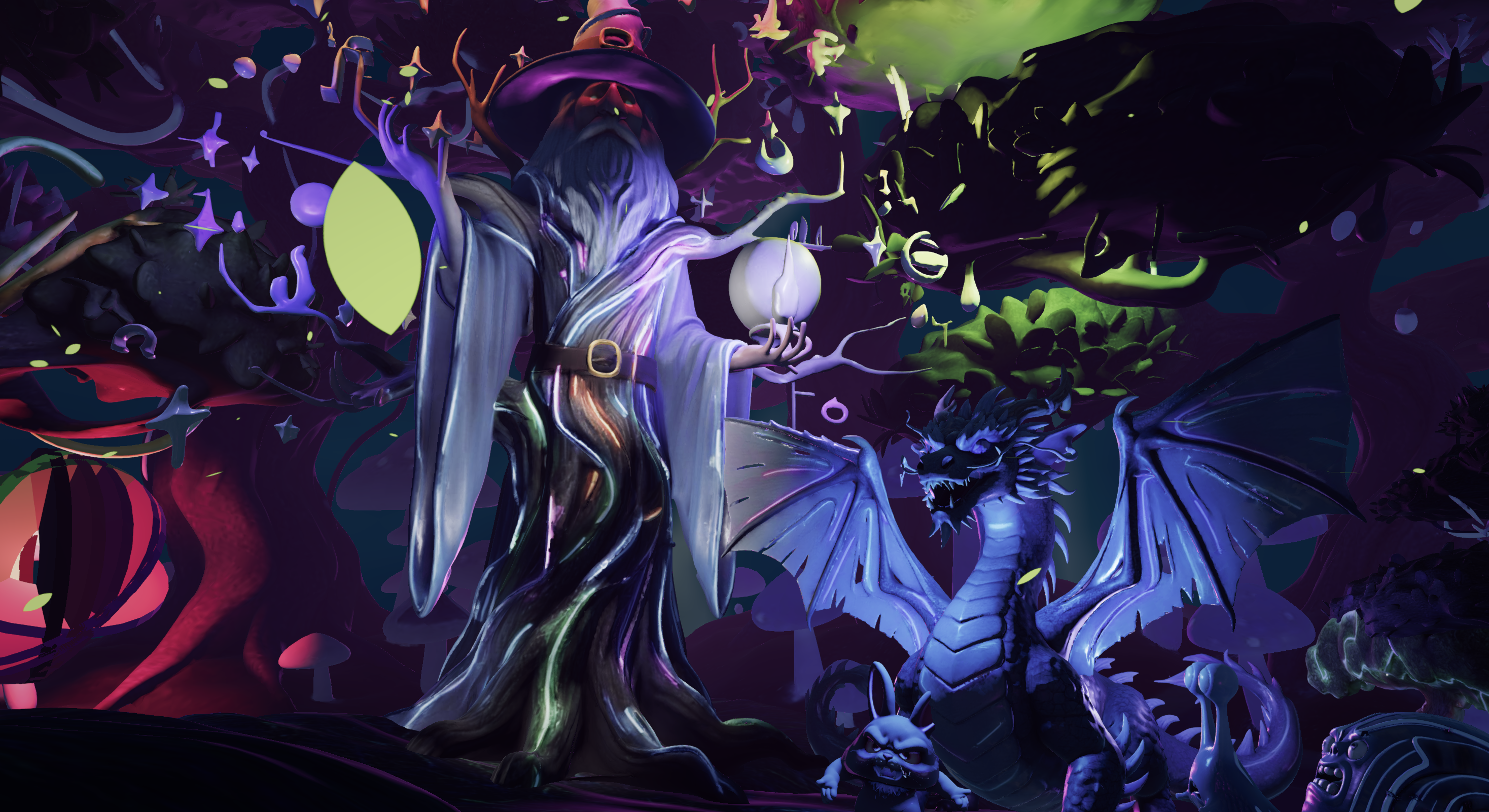
Can I adapt this workflow for different vibe-game styles like sci-fi, cozy, or horror?
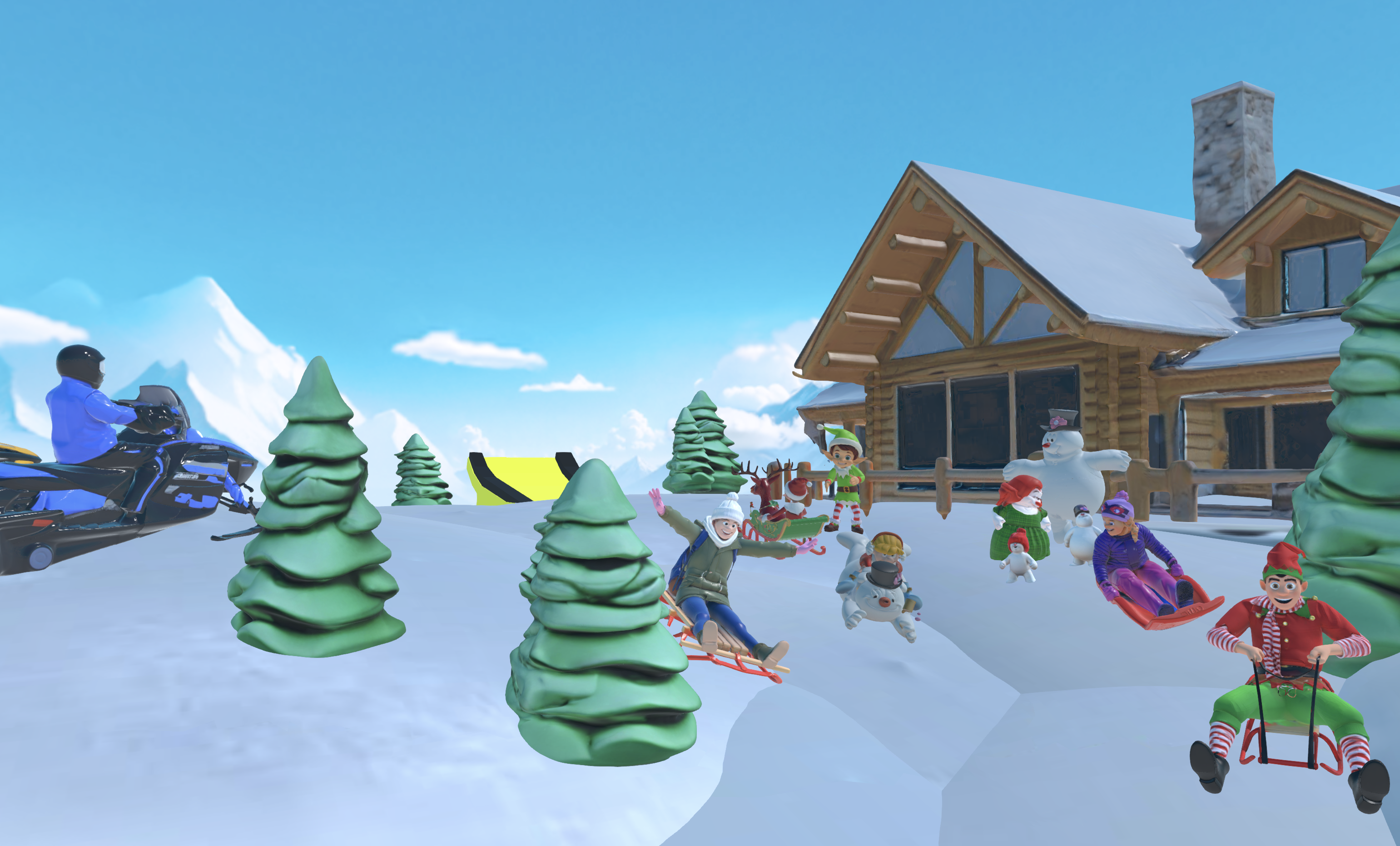
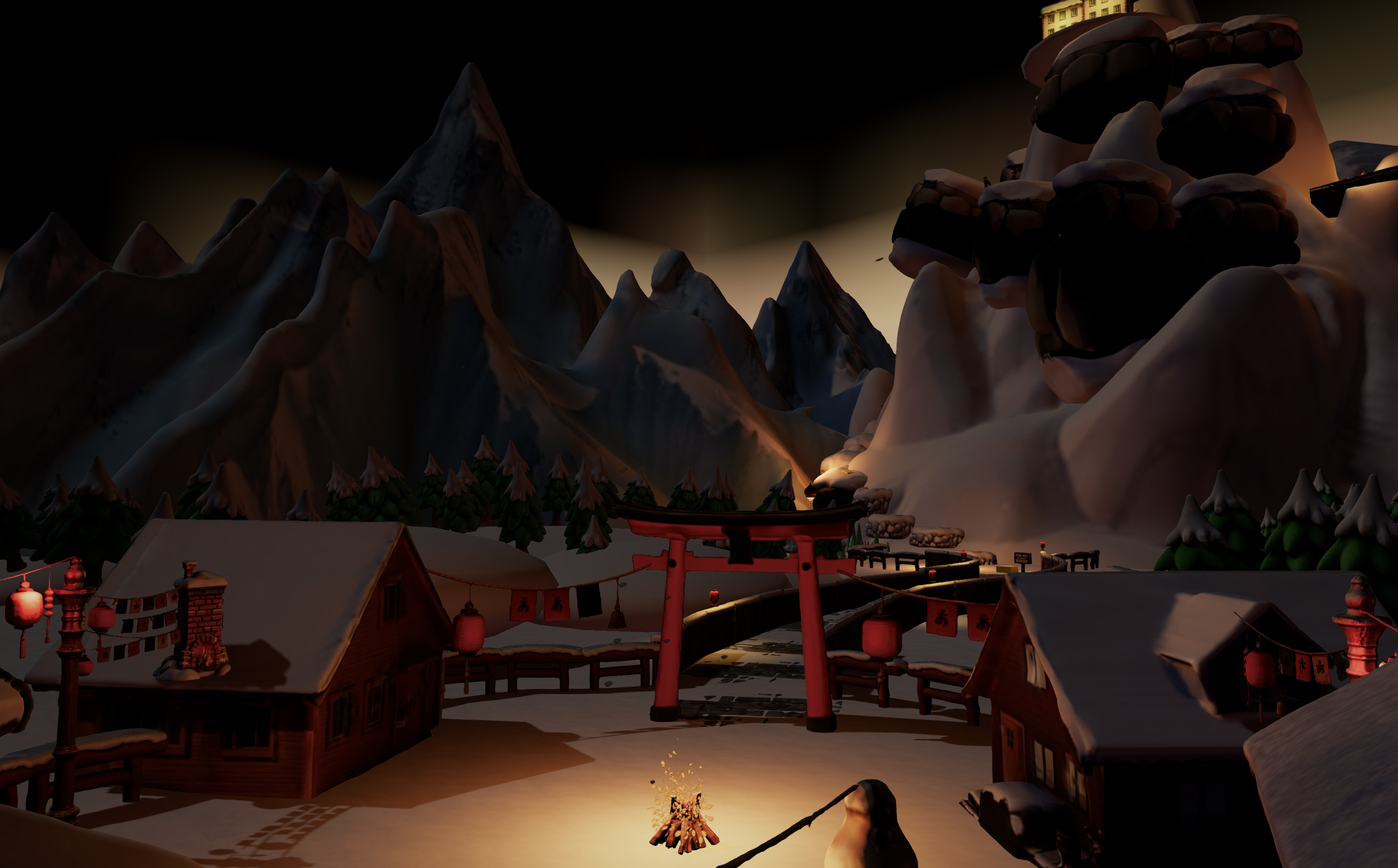
You can adapt the same workflow to almost any style. Craft Your Model accepts text prompts, sketches, and reference images, so you describe the aesthetic directly. Type “cozy wooden cabin prop, low poly, warm tones” or “sci-fi crate, metallic, hard surface” and Nilo generates a mesh in that style. You can also switch between AI model providers inside Nilo, since different providers handle organic shapes, hard surfaces, and stylized looks differently.
Do I need Blender at any point in this workflow?
You do not need Blender for this pipeline. Nilo handles generation, retopology, rigging, animation, and export entirely in your browser. You can export straight to Roblox Studio. If you want advanced manual retopology or custom UV work beyond what the LOD slider gives you, Nilo exports to standard formats that Blender can open, but that step stays optional.
Is full game creation available in Nilo right now?
Nilo today focuses on asset creation done right, so you generate, optimize, rig, and export Roblox-ready assets without leaving your creative flow. You can also playtest assets inside Nilo worlds and invite friends to build with you by sharing a link. Full game creation and publishing as a complete platform is the direction Nilo is moving toward, and that foundation is under active development.
Build Your Vibe Game Without the Blender Detour
The 4-step workflow, from Design and Generate through Optimize and Rig, Export Assets, and Import to Studio, removes manual cleanup between your idea and a Roblox-ready asset. You stay in creative flow, you respect triangle limits, and you ship faster.
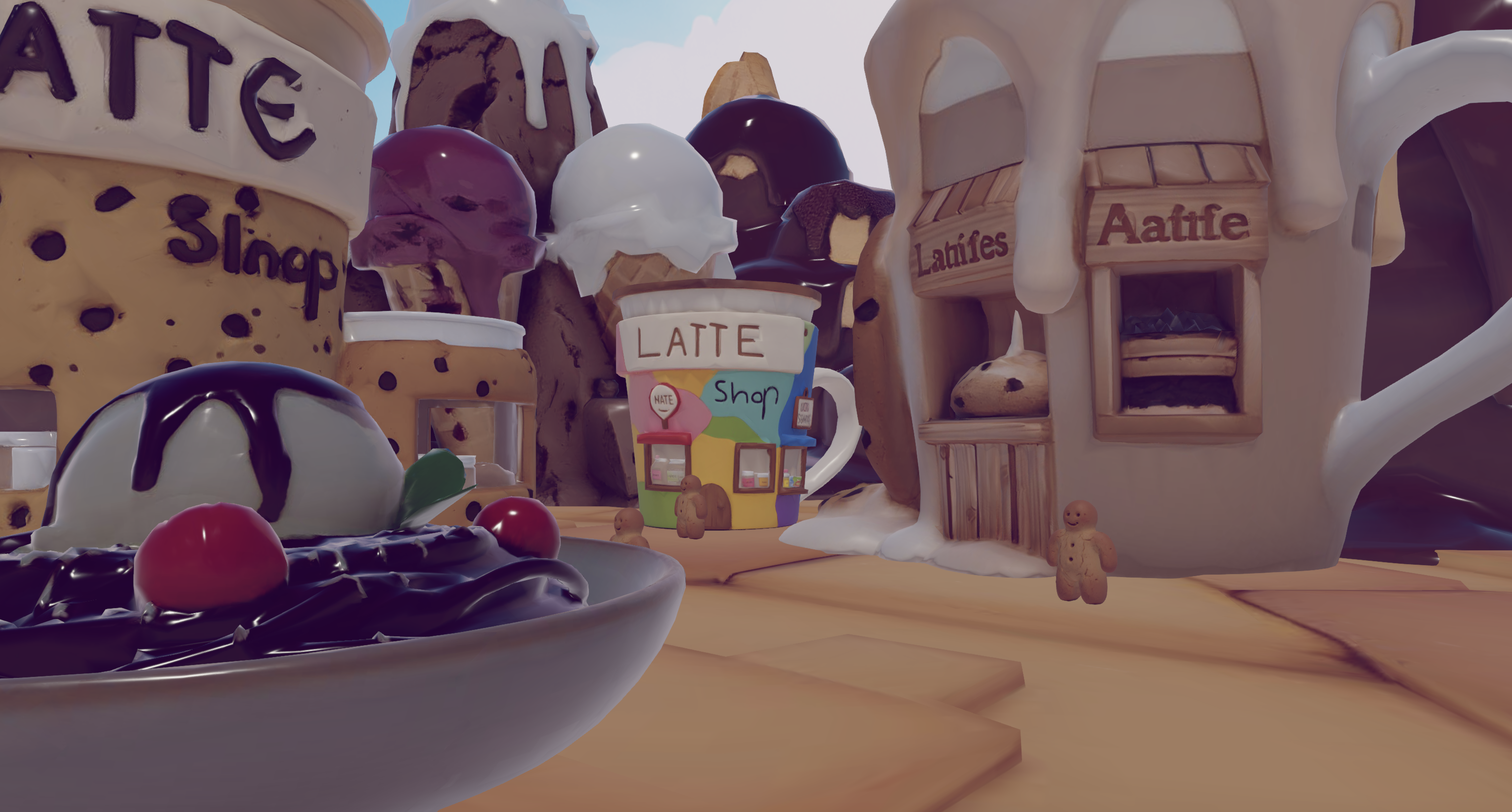
As one builder put it in Nilo’s February 2026 survey, “There are no limits on what you can create, just type, draw or add in an image and you can generate, rig, customise and place a fully 3D model within minutes.”
Join Nilo’s open beta and try building and playing for free.