Written by: Nuno Leiria, Founder & CEO @ Nilo
Key Takeaways for Roblox-Focused 3D Creation
- Plutus.gg and Rosebud AI both turn text into 3D assets, but their high polygon counts and missing retopology make Roblox use painful.
- Raw AI meshes often blow past Roblox’s triangle limits, so you end up spending hours in Blender and losing creative momentum.
- Browser-based platforms that combine generation, cleanup, rigging, and export in one place cut out extra tools and speed up your workflow.
- Nilo stands out by handling Roblox triangle caps for you, offering one-click RBXMX export, and supporting real-time collaboration in the browser.
- Try Nilo’s open beta and start building and playing for free.
The Real Friction When You Move AI 3D Assets Into Roblox
You feel the pain as soon as you try to drop an AI-generated asset straight into Roblox Studio. The mesh looks great in the preview window, then everything breaks once you import it.
Raw AI-generated 3D meshes are typically dense, irregular triangle soups with polygon counts in the range of 100k–500k triangles even for simple props, so they are not ready for Roblox. Roblox caps meshes at 20,000 triangles per mesh, and rigid accessories are capped even lower at 4,000 triangles. A 2026 Meshy workflow guide suggests aiming for 2,000–10,000 triangles so your game still runs well on mobile.
The cleanup process, called retopology, means rebuilding the mesh with clean, evenly spaced polygons so it deforms, animates, and exports correctly. Manual retopology for raw AI-generated character meshes typically takes 2–6 hours for an experienced artist (4–8 hours for a head or 12–20 hours for a full body), though auto or hybrid tools often reduce total time to under an hour. Even then, most builders like you still open Blender, spend 30 minutes or more per asset on fixes, and lose the excitement that got you building in the first place.
A generated 3D object may look acceptable in preview yet still have messy topology, missing or overlapping UVs, broken materials, too many polygons, and texture artifacts. Each of these issues blocks your workflow. The Meshy → Blender → Roblox Studio chain is not just slow. It quietly kills a lot of projects before they ever ship.
Skip the Blender grind and try building in Nilo’s open beta for free.
Why This Roblox Asset Problem Hits Every Builder
This friction hits you no matter where you are in your journey, and each stage has its own cost.
If you are just starting out, the retopology wall often becomes the moment you stop. You generate something cool, feel hyped, then slam into a technical barrier that usually takes months of Blender practice to clear. Most AI 3D generators produce a high-detail mesh with hundreds of thousands of triangles and a single baked texture that satisfies none of the game-ready criteria out of the box. You are left handling retopology, UVs, materials, and rigging by hand.
If you already ship Roblox experiences, the main cost is time. Solo developers using Tripo, Meshy, and Rodin for 3D asset creation in 2026 still spend around 8 hours per week on art and assets even with AI tools. That is better than 15 hours, but it still eats a big chunk of your creative week.
If you work with a team, export failures and format mismatches slow everyone down. Roblox’s 3D Importer accepts .fbx, .gltf (including .glb), and .obj files, but getting a clean, correctly scaled, and properly oriented file out of many AI generators means knowing exactly which settings to flip. That knowledge gap creates constant back-and-forth.
The emotional cost hits hard too. Builders in Nilo’s February 2026 Survey described it clearly: “Picture yourself, frustrated because you spent the last 5 hours 3D modeling a shipping container.” That kind of grind does not just slow you down. It drains your creativity.
Protect your creative energy and test Nilo’s open beta while it is free.
AI-Assisted Browser Tools That Fix the Roblox 3D Pipeline
These workflow blockers all point to the same root cause: most AI generators stop at mesh creation instead of solving the full pipeline you need for Roblox. A newer group of tools now combines generation, cleanup, rigging, and export inside a single browser environment, so you stay in one place while you build.
The key idea in this category is simple. You generate, clean up, rig, and export in one flow. You avoid Blender detours, manual retopology, and long chains of tools.
Within this group, Nilo stands out for Roblox-focused builders like you. Nilo is a browser-based AI platform built around one promise: you generate, refine, rig, and export game-ready 3D assets without breaking your creative flow. Its LOD system adjusts polygon counts in real time and targets Roblox’s typical triangle ranges. You can export in Roblox’s native RBXMX format, which packs textures and attachments into one file, or connect your Roblox account and push assets straight into your experience with your own API key.
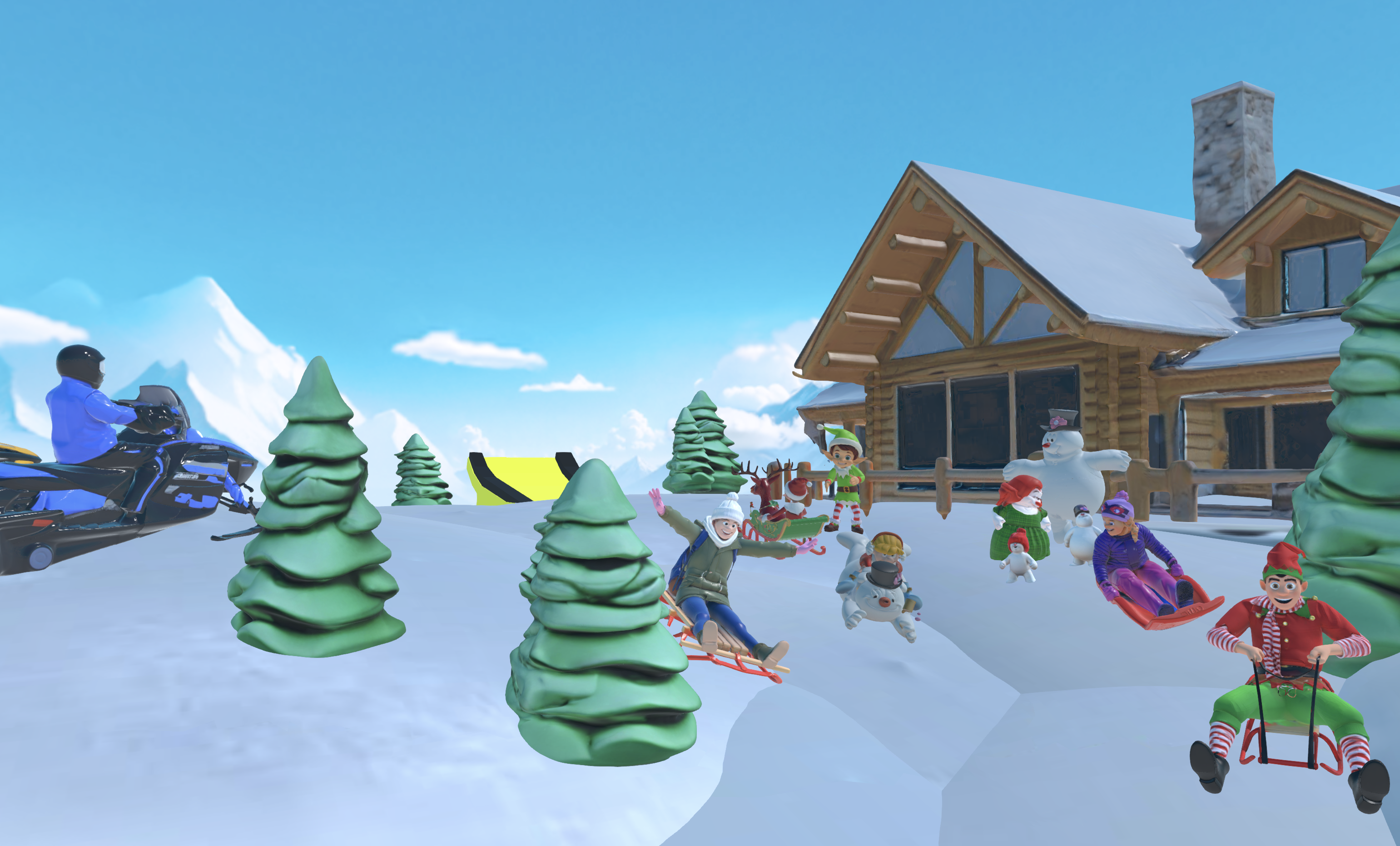
Nilo’s model-agnostic AI layer sits on top of providers like Meshy, Tripo, Nano Banana, Cartwheel, and Uthana in one interface. As those models improve, your results in Nilo improve too. In Nilo’s February 2026 Survey, 93% of builders said they would recommend Nilo to a friend, and 82% rated their experience as “Awesome” or “Good.”
Other tools in this space work differently. Rosebud AI focuses on vibe-code game creation, where you describe logic in natural language, but it offers lighter control over 3D details and Roblox exports. Plutus.gg aims at fast asset generation for game pipelines, yet you still handle more of the steps needed to reach Roblox-ready output.
See how a full browser pipeline feels by joining Nilo’s open beta.
Comparing 3D Asset Generation and Cleanup for Roblox
Your real challenge is not just getting a mesh. You need a mesh you can drop into Roblox without a long cleanup session. Most AI 3D generators show an 85–95% shape similarity score, but that only measures silhouette matching and says nothing about topology or game-readiness.
Here is how the main approaches compare on mesh quality and Roblox workflow fit:
| Tool | Mesh Quality Approach | Typical Output Polycount | Roblox-Ready Without Cleanup? |
|---|---|---|---|
| Nilo | Real-time LOD slider adjusts polycount automatically, with a model-agnostic AI layer behind one interface | Dialed to Roblox-friendly triangle ranges through the LOD system | Yes, LOD and retopology are handled in the platform |
| Meshy | Complete pipeline for text-to-3D or image-to-3D with PBR texturing, auto-rigging, and export | Often 240K+ triangles with a single baked texture | No, you still need retopology and cleanup for Roblox limits |
| Tripo | Very fast generation, often 8–100 seconds for usable meshes, and a Smart Mesh option that targets around 5,000 polygons | Smart Mesh around 5K, HD models up to 2 million polygons | Smart Mesh comes closer, but animation often still needs cleanup |
| Rosebud AI | Vibe-code first, with lighter depth in 3D mesh control | Varies, with less direct control over topology | Limited, since it is not built around Roblox export |
Nilo’s Craft Your Model feature lets you start from a sketch, an image, a text prompt, or a mix of all three. You then refine with follow-up prompts instead of throwing work away and starting again. Builders in Nilo’s February 2026 Survey summed it up as feeling “20 times faster” than their usual modeling pace.
Natural-Language Logic, World Building, and Performance
Getting a clean mesh solves only one part of your Roblox workflow. You still need to make that asset interactive and keep your world inside performance limits.
Game engines convert exported 3D assets to triangles at runtime, so performance budgets are measured in triangles. If your asset goes past Roblox’s triangle limits, it may get rejected or run poorly on mobile, where most players are.
Nilo’s LOD system handles this for you. You move a slider, watch the polygon count change in real time, and see how the model looks at each level. You avoid manual decimation and guesswork while staying inside Roblox-friendly ranges.
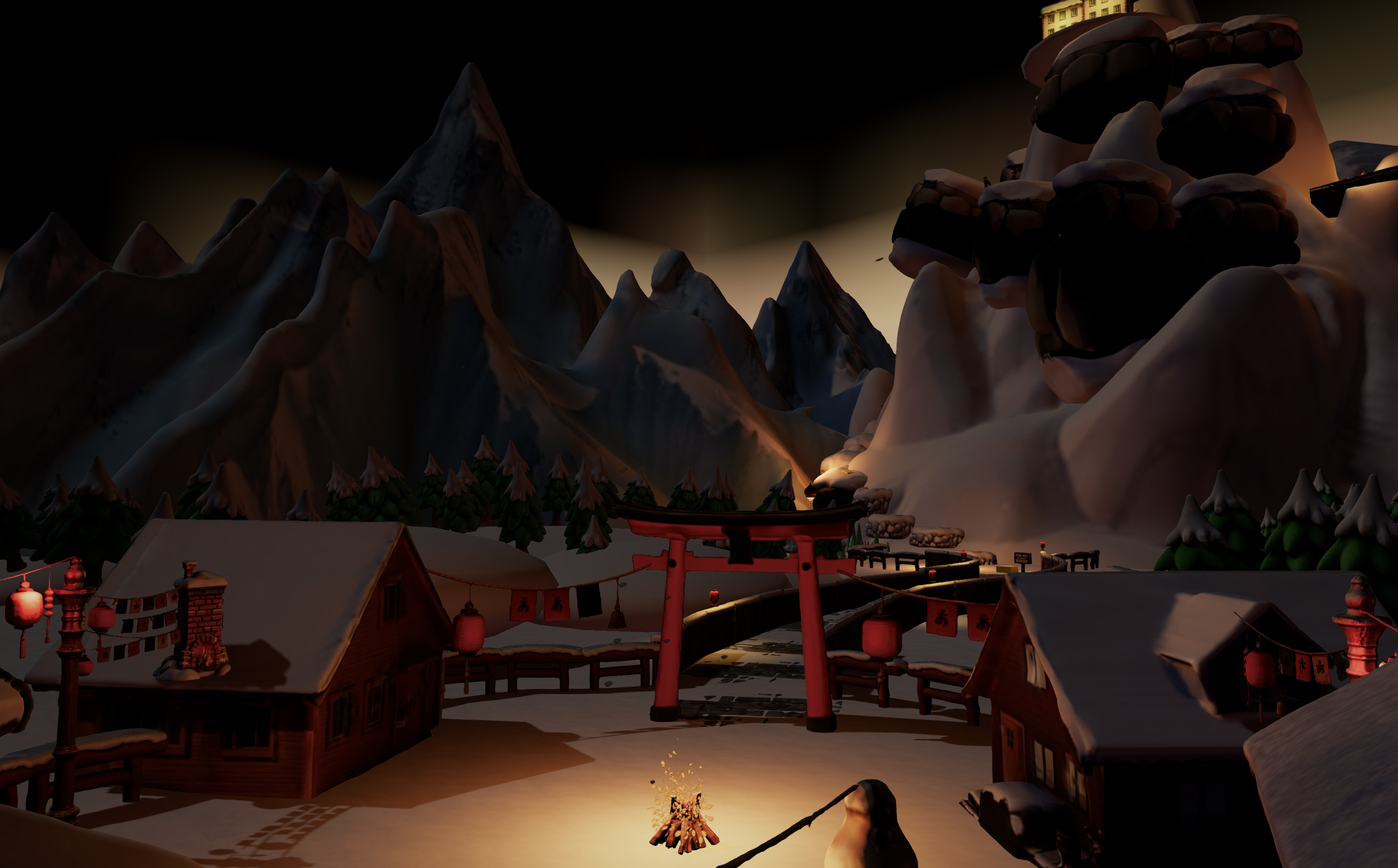
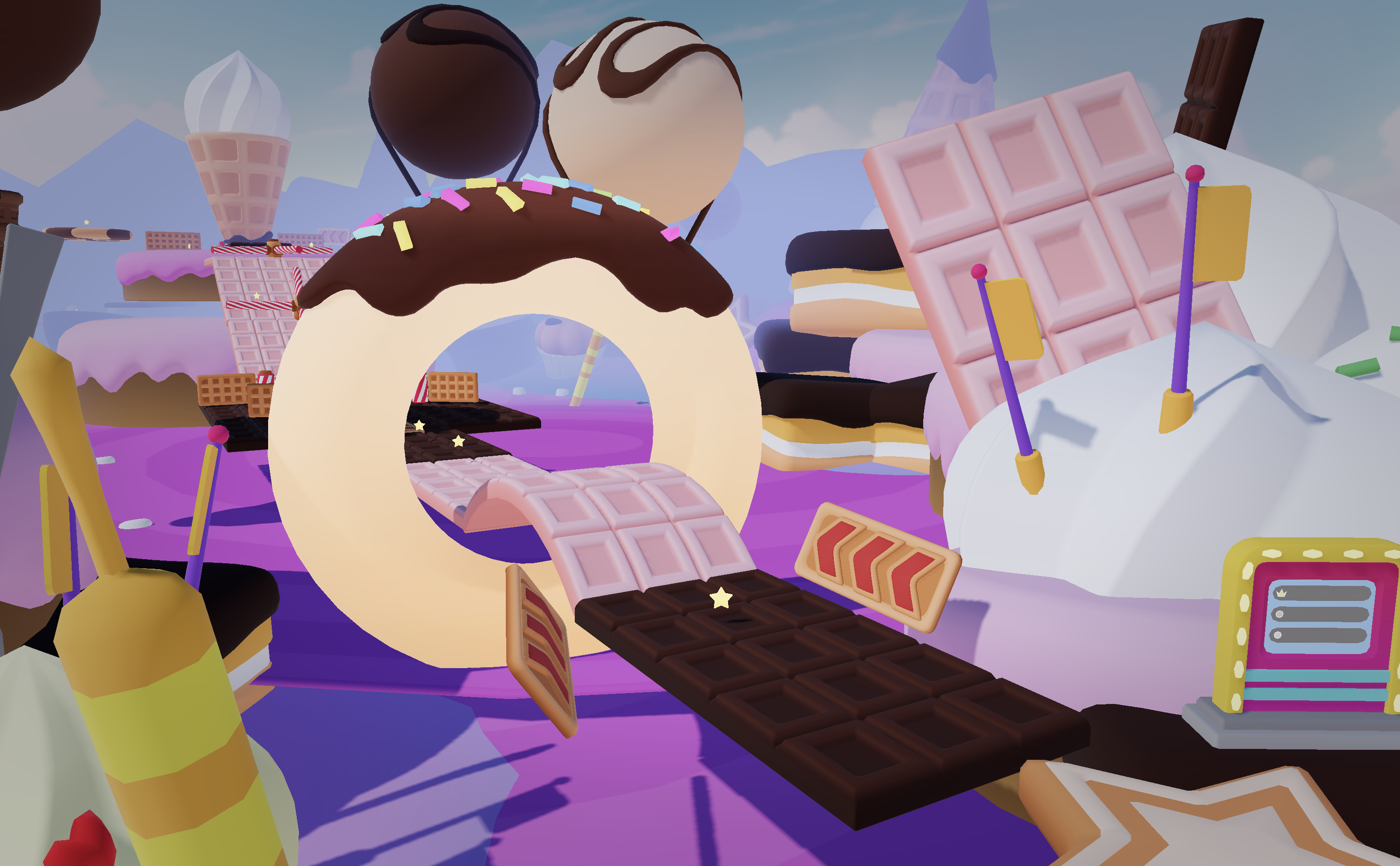
To make assets interactive, Nilo includes a code editor that accepts natural language prompts. You describe what you want in plain language, and Nilo generates working code with instant feedback in your 3D world. Nilo calls this vibe coding. It feels playful and social, and you do not need scripting experience to start. You can still open the generated code, tweak variables, and learn real programming concepts as you build.
Rosebud AI also supports natural language code generation, but it runs without a custom Roblox-focused engine underneath, so 3D depth and physics behavior feel more limited. Plutus.gg keeps its focus on asset creation instead of interactive world logic.
Collaboration, Export Formats, and Sharing With Your Team
Export and sharing often create the most friction when you move AI assets into Roblox. Here is how the main formats behave for Roblox builders like you:
| Format | Roblox Support | Carries Rig/Animation? | Notes |
|---|---|---|---|
| GLB / GLTF | Preferred by Roblox Studio, with meshes, UVs, PBR textures, rigs, and animation in one file | Yes | Strong all-round choice for web and real-time apps |
| FBX | Supported, but often delivered as a zip that needs manual texture re-assignment | Yes | Industry standard between DCC tools and engines |
| OBJ | Useful only for simple static props without hierarchy, rigs, or materials | No | Limited use in full Roblox pipelines |
| RBXMX (Nilo only) | Native Roblox format that packs textures and attachments into one file | Yes | No subscription needed, with optional direct export to your Roblox experience via API key |
Rigging also matters here. Nilo’s one-click rigging supports bipedal, humanoid characters in a T-pose, which gives you strong animation quality. Clothing rigs as part of the full character model. Rigid accessories such as props, weapons, hair, wings, and armor snap to attachment points and export with the character in a single RBXMX file. You still set up 3D layered or cageable Roblox clothing inside Roblox Studio.
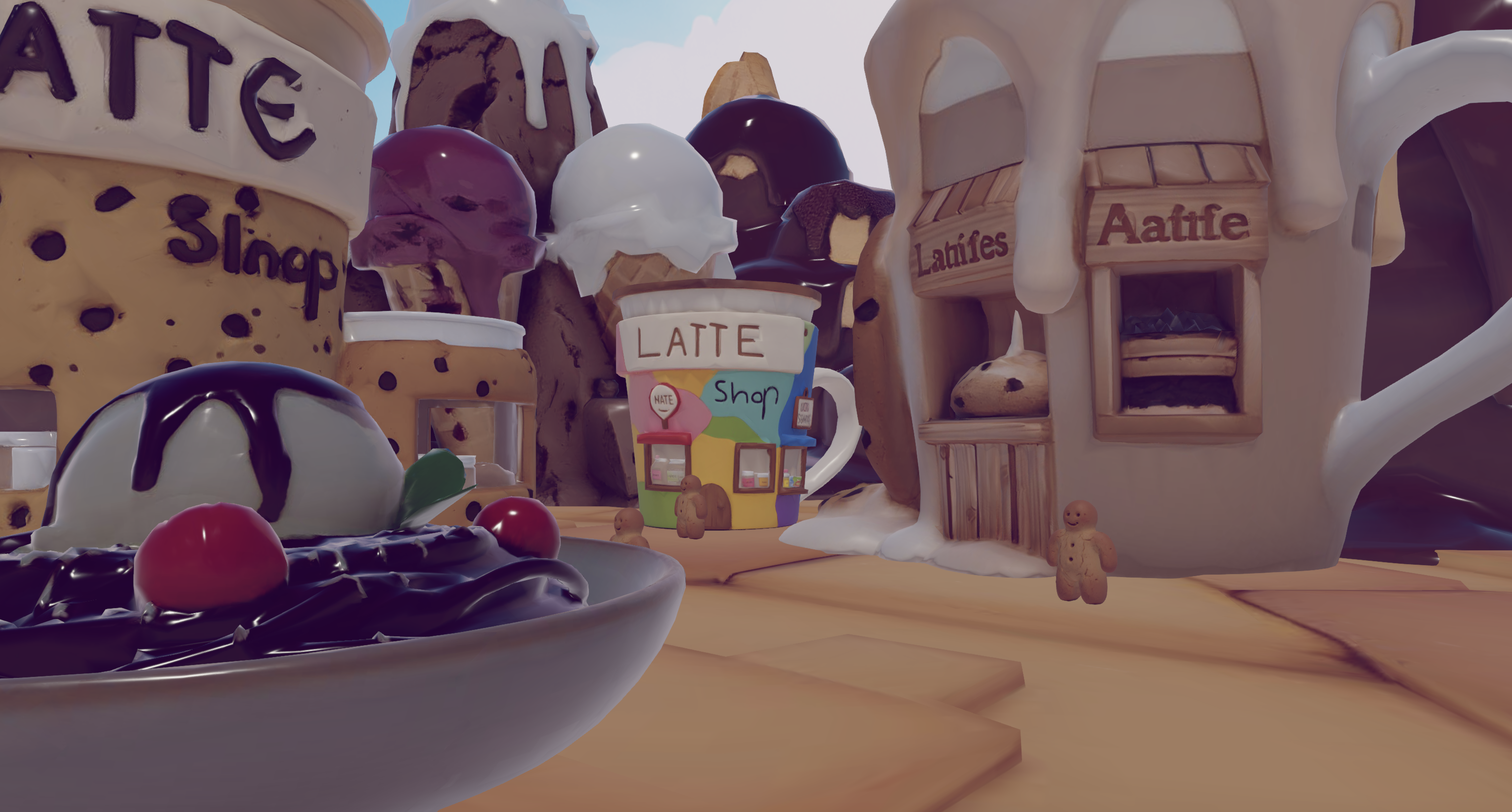
For collaboration, Nilo lets you build together in real time. You share a URL and co-create on desktop or mobile in the same world. Rosebud AI runs in the browser too, but it does not focus on the same real-time co-building flow. Plutus.gg works mainly as a solo asset generator.
On pricing, Nilo is free to use and gives you 1,000 Nilo Bits per month for AI generation and export, with RBXMX export included. Tripo3D’s Professional plan is $11.94 per month (annual) for 3,000 credits, while Meshy AI’s Pro plan is $20 per month (annual) for 1,000 credits.
How You Can Evaluate AI 3D Tools for Roblox
When you compare AI 3D tools for Roblox, match each option against how you actually like to work.
- Onboarding ease: You should be able to generate your first asset without reading docs. Helpful tools explain ideas like retopology, LOD, and polygon budgets as you go.
- Output quality: Check whether the mesh is clean enough to use right away or still needs a 30-minute Blender cleanup before Roblox accepts it.
- Export compatibility: Look for GLB, FBX, or RBXMX support, plus direct pushes to Roblox Studio without manual texture fixes.
- Performance limits: See whether the tool handles Roblox triangle limits for you or expects you to manage polycount by hand.
- Collaboration needs: Decide if you want to build solo or in real time with friends, then pick tools that match that style.
- Learning value: Prefer tools that teach you real concepts like rigging and topology instead of hiding everything behind a black box.
Here are three quick scenarios you can use while choosing:
- You are a first-time builder who wants a custom prop for a Roblox obby without touching Blender. Focus on tools with automatic LOD, one-click RBXMX export, and no manual retopology.
- You are an aspiring builder already shipping Roblox work and want faster asset creation. Look for multi-model AI generation, easy iteration without restarting, and direct Roblox account integration.
- You are building with a team and need to share assets and worlds live. Choose tools with real-time multiplayer creation, link-based sharing, and standard exports like GLB or FBX for cross-platform use.
Test these criteria yourself by trying Nilo’s open beta for free.
Frequently Asked Questions
What is the difference between Plutus.gg and Rosebud AI for 3D asset generation?
Plutus.gg focuses on fast 3D asset generation for game pipelines, so you can spin up props and characters quickly. Rosebud AI leans into vibe-code game creation, where you describe your idea in plain language and get logic and assets together. Rosebud gives you less control over mesh details and Roblox-specific exports. Neither platform was designed around Roblox triangle limits or the retopology cleanup that usually appears when you move AI assets into Roblox Studio.
Do I need to know Blender to fix AI-generated 3D assets for Roblox?
With most standalone AI generators like Meshy or Tripo, you usually do. Their raw output often needs retopology, UV cleanup, and polygon reduction in Blender before it fits Roblox performance limits. Browser-based platforms such as Nilo handle this with a built-in LOD system that adjusts polygon counts in real time, so you can skip Blender for most assets. In Nilo’s February 2026 Survey, 72% of builders said Nilo makes their creative process easier “by a lot.”
What export formats does Roblox Studio accept for AI-generated 3D assets?
Roblox Studio accepts GLB, FBX, and OBJ files. GLB is recommended because it packages meshes, UVs, PBR textures, rigs, and animation data in one binary file. FBX works for rigged and animated models but usually needs manual texture re-assignment after import. OBJ only covers simple static props without hierarchy, rigs, or materials. Nilo also exports RBXMX, Roblox’s native format, which packs textures and attachments into one file and supports direct export to your Roblox experience via API key.
What is retopology and why does it matter for Roblox?
Retopology is the mesh cleanup process mentioned earlier. It matters for Roblox because it decides whether your asset will rig, animate, and perform well, especially on mobile where most players are. Without this cleanup, AI-generated meshes often contain hundreds of thousands of triangles and tangled geometry that push past platform limits and cause issues with rigging, animation, and collision. Tools like Nilo handle this through their LOD systems, so you avoid doing it by hand in Blender.
Can I rig and animate AI-generated characters for Roblox without professional tools?
Yes, if you pick a platform that includes rigging and animation support. Nilo lets you rig bipedal, humanoid characters in a T-pose with one click and generate animations from text descriptions, so you just say what you want the character to do. Rigged and animated models export as FBX, GLB, or directly as RBXMX for Roblox. Rigging in Nilo focuses on humanoid characters, while 3D layered or cageable Roblox clothing still happens in Roblox Studio. Rigid accessories such as hair, wings, armor, and weapons can attach to characters and export together in one step.
Choosing the Right Roblox 3D Workflow for Your Goals
You face a clear problem: AI tools make it easy to generate a 3D mesh, but moving that mesh into Roblox Studio without friction means solving topology, polycount, export, and rigging as separate steps.
AI-assisted, browser-based 3D creation tools that combine generation, cleanup, rigging, and export exist to close that gap. The right choice for you depends on what you are building, how much time you want to spend on technical fixes, and whether you plan to collaborate live with friends or teammates.
If you want to spend your time designing objects instead of fighting triangle counts, Nilo stands out as a strong fit. It runs in the browser, needs no installation, handles Roblox triangle limits for you, exports RBXMX with one click, and lets you build with friends by just sharing a link. Builders in Nilo’s February 2026 Survey put it this way: “There are no limits on what you can create — just type, draw or add in an image and you can generate, rig, customise and place a fully 3D model within minutes.”
Nilo is in open beta, backed by Supercell, and free to start with 1,000 Nilo Bits per month.
Start your next Roblox world in Nilo’s open beta and build for free.