Written by: Nuno Leiria, Founder & CEO @ Nilo
Key Takeaways for Roblox-Focused Creators
- HypeHype’s current status is unclear, with few public updates, so many mobile-first builders now look for stable options.
- Most AI 3D tools still need hours of Blender cleanup before assets meet Roblox’s strict polygon and texture limits.
- Browser tools that mix real-time retopology, LOD controls, and Roblox-ready export remove the usual multi-tool grind.
- Natural-language “vibe coding” lets you add game logic without learning Lua, so you can focus on ideas instead of syntax.
- Nilo brings generation, cleanup, and export into one browser tab, so you can start building for free today.
Where HypeHype Stands for Creators Right Now
HypeHype launched as a mobile-first, no-code game creation platform that let you build and share simple games from a phone. Its drag-and-drop setup lowered the barrier for aspiring builders like you who wanted to create without learning a full engine. Public information about HypeHype’s development and roadmap is limited as of 2026. The current status feels uncertain, and when you search for updates, you see very little official direction about what comes next.
Common Questions Builders Have About HypeHype
Here are the questions creators keep asking about HypeHype, with clear, direct answers.
- What happened to HypeHype? HypeHype has not publicly announced a shutdown. The platform released several major updates in 2025, including Live Gaming early access, improvements to Party and Hype Home, global availability, country expansions, and creator monetization passing $208k.
- Is HypeHype free? HypeHype launched as a free tool. Its current pricing and access details remain unclear because there has been little recent official communication.
- What are the best HypeHype alternatives? Strong alternatives use the browser, support AI-assisted 3D creation, and go beyond mobile drag-and-drop, especially when they export directly to Roblox. Nilo stands out in this group, and the article below explains how it works.
- Does HypeHype export to Roblox? HypeHype did not focus on direct Roblox export. Assets you make there usually need significant manual work before they fit Roblox’s requirements.
- Can I use HypeHype on desktop? HypeHype was built mobile-first and did not offer a full browser-based desktop creation environment.
Why These Limits Slow You Down on Roblox
Mobile drag-and-drop tools like HypeHype helped many creators take their first steps. Once you want to build original 3D worlds and publish them on Roblox, those tools start to feel cramped.
The friction shows up fast. The first wall is scripting, because you have strong ideas and solid building instincts but no way to make things interactive without Lua. Even if you push through that, the asset problem hits next. AI tools like Meshy can generate models quickly, but the meshes are often messy and need 30+ minutes of Blender cleanup per asset to meet Roblox’s performance caps of 20k triangles and 1024×1024 textures. That cleanup step forces a multi-tool loop from Meshy to Blender to Roblox Studio, and you lose creative momentum at every handoff.
Try Nilo’s unified browser workflow for free and skip the Blender cleanup step.
AI Browser Engines: A New Path for Roblox Builders
A new wave of tools removes many of these blockers by mixing AI generation, real-time cleanup, and game-engine performance inside your browser. You do not install anything, and you can stay focused on the world you want to build instead of fighting polycounts. The sections below walk through the main capabilities to look for.
3D Asset Generation and Cleanup for Roblox
AI-generated 3D assets arrive quickly but often include messy topology, geometric glitches, and textures that break once you load them into a game engine. Traditional 3D modeling can take 20–40 hours of skilled work per character, and AI assets for complex models can still demand 1–4 hours of manual cleanup. Most tools give you either speed without quality or quality without speed. Nilo stands out by pairing text-to-3D and sketch-to-3D with real-time retopology, so the mesh becomes Roblox-ready without opening Blender. One builder in Nilo’s February 2026 survey said, “I do not have to spend hours on 3D modeling the simplest things. Now I can use Nilo and do it in 15 seconds.”
Natural-Language Logic Creation with Vibe Coding
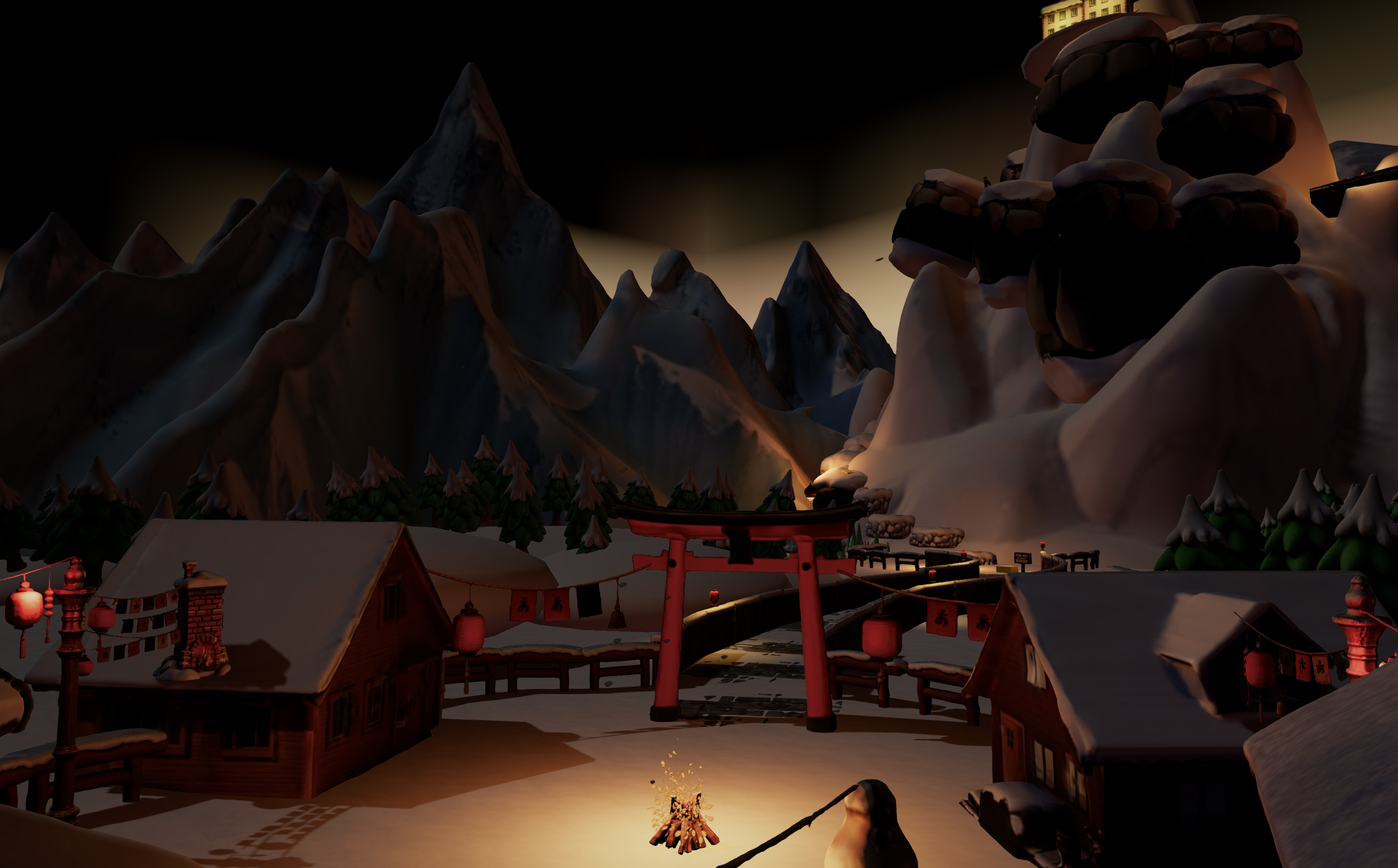
Scripting often stops you before your idea becomes a real game. Learning Lua for Roblox or GDScript for Godot can take months, and visual scripting in tools like GDevelop or Construct 3 gets hard to manage once your project grows. Vibe coding lets you describe the behavior you want by typing, talking, or sending images to an AI. Nilo’s code editor accepts natural language prompts in any language and turns them into working code, with live feedback in your 3D world. You can also tweak real variables, like changing “speed = 2” to “speed = 20,” so you slowly learn real programming while you build.
Fast World Building and Scene Assembly
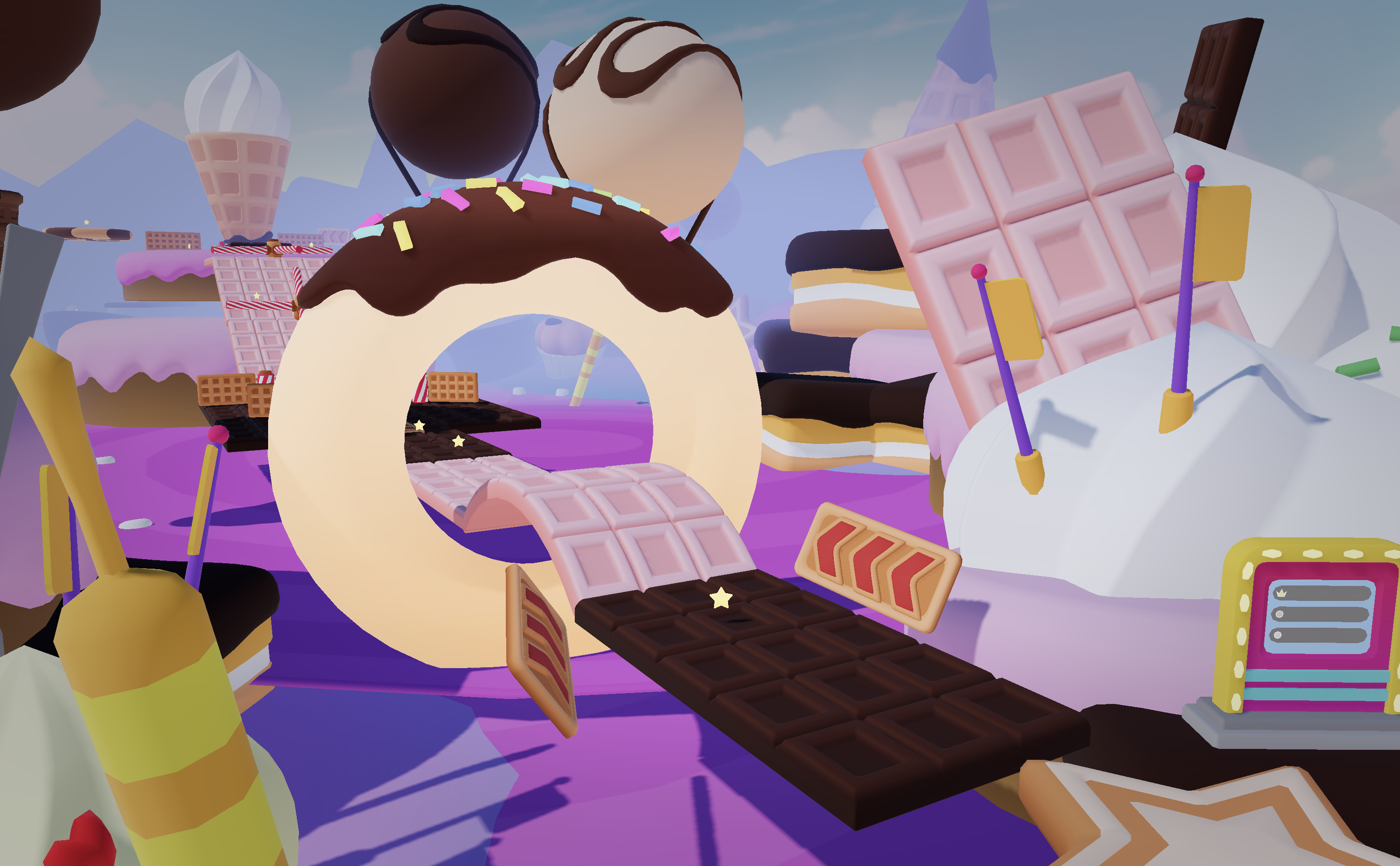
Building a full 3D scene means placing objects, setting physics, tuning lighting, and wiring interactions. In Roblox Studio or Blender, these steps often feel separate and technical. Browser tools handle this in different ways. Some only let you place primitive shapes, while others generate full scenes from prompts but give you almost no direct control. Nilo uses a radial menu for quick object creation and an inspector panel for detailed properties. Physics runs in real time, so objects react immediately and feel interactive without extra wiring.
Automatic Optimization for Roblox Limits
Roblox usually caps assets at 10k–20k polygons. Performance work like memory and asset optimization causes many no-code solo projects to be abandoned, with an estimated 70% abandonment rate in an IGDA 2025 study. Nilo’s real-time LOD system adjusts polygon counts automatically while you work. You stay inside Roblox’s limits without counting triangles yourself.
Real-Time Collaboration and Sharing
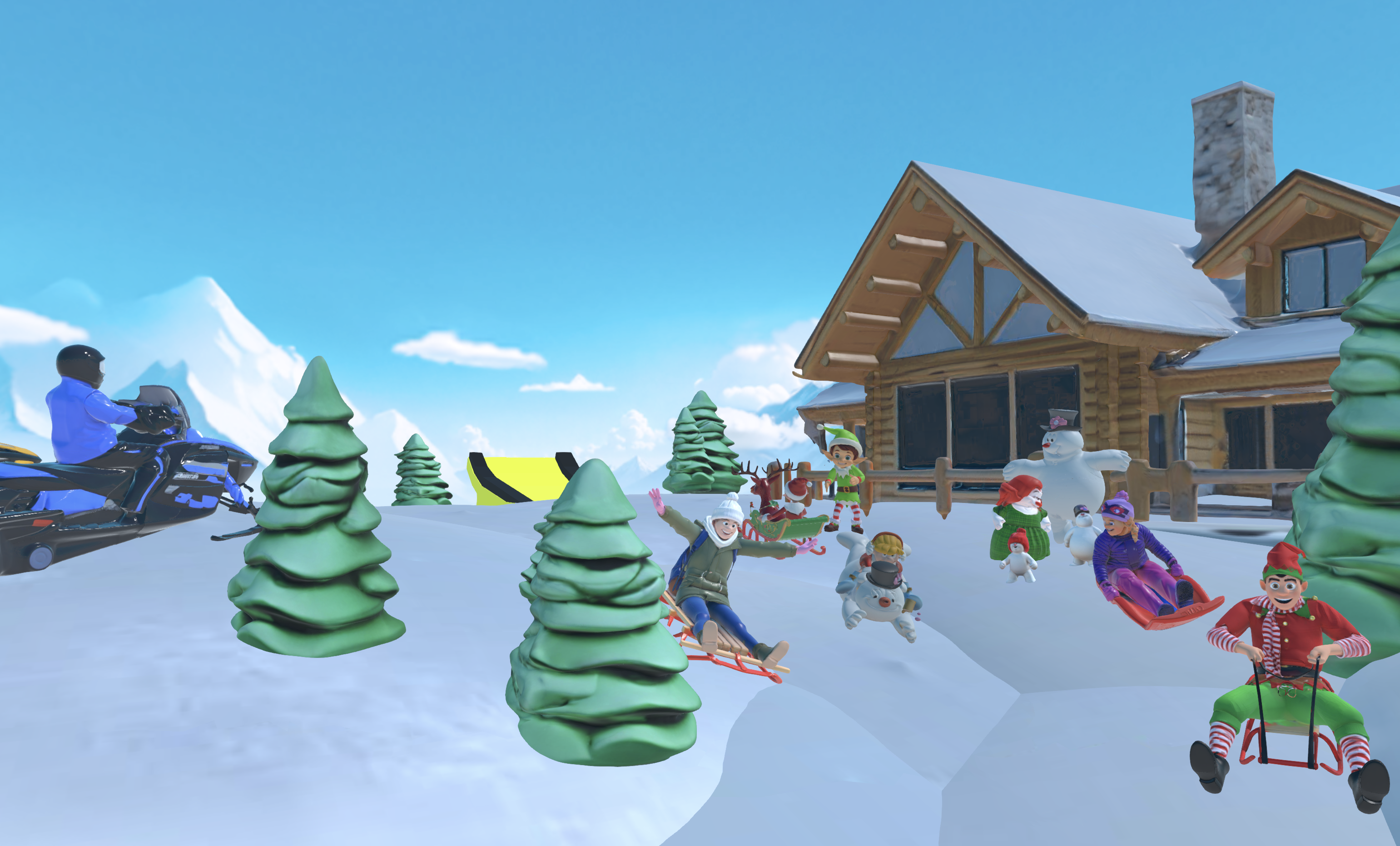
Most creation tools expect you to build alone and share files later. That feels very different from how you probably play games with friends. Nilo supports multiplayer creation in real time. You share a URL, your friends join from desktop or mobile, and you all build in the same world together. You can publish worlds publicly, keep them private for testing, or clone and remix them.
Exporting Assets and Using Them Everywhere
Some tools lock your work inside their own ecosystem, which forces you to redo assets when you move to Roblox. Nilo exports to FBX, OBJ, STL, and glTF, which work with Roblox Studio, Unity, Unreal Engine, Blender, and VRChat. The same LOD system that protects performance in the editor also keeps exported assets within Roblox’s polygon caps, so you do not need a second cleanup pass. Nilo avoids the walled-garden approach.
Explore Nilo in your browser and test these export options for free.
Side-by-Side Workflow Comparison
| Workflow Type | Real-Time Retopology | LOD System | Direct Roblox Export |
|---|---|---|---|
| Mobile drag-and-drop (e.g., HypeHype) | No | No | No |
| AI generation only (e.g., Meshy standalone) | No (requires manual post-processing) | No | No (format compatible, not optimized) |
| Prompt-to-game (e.g., Rosebud AI) | No | No | No |
| Browser AI engine (Nilo) | Yes, automatic | Yes, real-time | Yes, Roblox-optimized |
How to Choose the Right Creation Tool
When you compare no-code and AI-assisted 3D tools, walk through these criteria in order instead of treating them as a random checklist.
Start with onboarding ease. You should be able to start creating in under five minutes without a tutorial. Tools that force long installs or complex account setup before anything feels interactive usually kill your momentum. Once a tool passes that test, look at output quality. Ask whether the AI gives you clean, game-ready assets or forces you into Blender cleanup. As discussed earlier, this post-processing step is the main friction point in many AI workflows.
After that, check export compatibility. A tool that cannot export directly to Roblox with optimized polygon counts leaves you with raw files and more work. Then review performance limits. You want automatic handling of Roblox’s 10k–20k polygon caps instead of manual tracking. Finally, think about collaboration and learning value. Real-time building with friends keeps you motivated, and interfaces that reveal concepts like rigging, mesh topology, and physics help you grow as a creator instead of hiding everything behind a black box.
Three Ways Builders Use Nilo in Real Life
The first-time creator. You have never used a 3D tool before and want a custom prop for a Roblox game. Mobile drag-and-drop tools lock you into pre-made shapes, and Roblox Studio hits you with scripting right away. In Nilo, you type what you want, get a 3D model in seconds, adjust the polycount with a slider, and export straight to Roblox Studio, all inside your browser. One builder in Nilo’s February 2026 survey said, “It lets my imagination free and let loose instead of having to plan out a whole blueprint on what to make with my past modeling tools.”

Start your first custom Roblox prop in Nilo for free, no experience required.
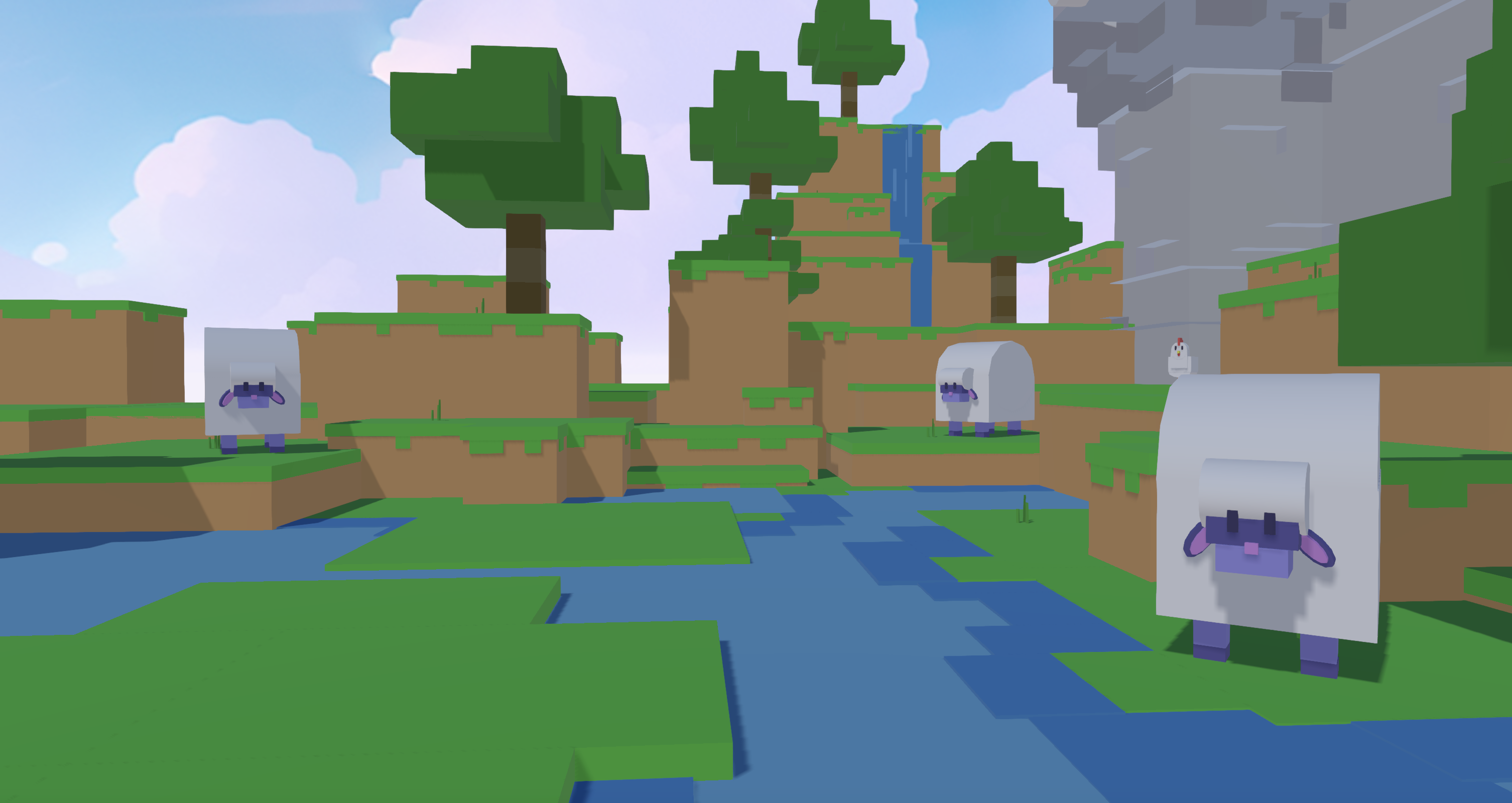
The Roblox-focused builder. You already know Roblox Studio and feel comfortable in the editor. The Meshy to Blender to Roblox Studio pipeline still eats hours of your time, and you want assets that pass Roblox checks without manual retopology. Nilo’s real-time retopology and LOD system handle that cleanup while you build. Another survey respondent put it this way: “Picture yourself, frustrated because you spent the last 5 hours 3D modeling a shipping container. All I have to do is open Nilo and do it in 20 seconds.”
Test Nilo’s Roblox-ready asset pipeline and compare it to your current workflow.
The collaborative team. You and two friends want to build a world together. One focuses on environments, one on props, and one wants to add logic but cannot script. Roblox Studio offers limited real-time collaboration and still requires code for interactivity. In Nilo, you share a link, all three of you enter the same world, and the vibe coding editor lets your non-coder friend describe the logic in plain language. As one survey respondent said, “I like how it feels like a good game engine rather than a vibe coding tool, with easy building and a good focus on being able to export and import content.”
Invite your friends into a shared Nilo world and build together in real time.
Frequently Asked Questions
Do I need to know how to code or use Blender to build in Nilo?
No. Nilo handles the technical work for you. Real-time retopology cleans up meshes without Blender. The vibe coding editor lets you add logic by typing, talking, or sending images to the AI, so you do not need scripting knowledge. You can still see and edit real code variables if you want to learn how things work.
Is Nilo a Roblox plugin or a standalone tool?
Nilo works as a standalone, browser-based platform, not a plugin. You create assets in Nilo and export them to Roblox Studio with one click. You do not install plugins on either side.
What AI models does Nilo use for 3D generation?
Nilo is model-agnostic and connects to several AI providers, including Meshy, Tripo, Cartwheel, Nano Banana, and Uthana. You can switch models based on style, speed, or quality. As these models improve, Nilo improves with them without changing your workflow.
Can I sell what I make in Nilo on the Roblox Marketplace?
Yes. Models, skins, and UGC items you create in Nilo belong to you. You can use, publish, and monetize them on the Roblox Marketplace or any other platform.
How much does Nilo cost?
Nilo is free to use. The Starter tier includes 1,000 Nilo Bits per month, which power AI generation, export, and creation. Many core building tools do not use Bits at all. You can also earn more Bits through Nilo Rewards by inviting friends and building with the community.
Next Steps if You Want Roblox-Ready Worlds
HypeHype helped many creators start building games on mobile. When you feel ready to design original 3D worlds, ship Roblox-ready assets, and create with friends in real time, you need a workflow built for that level. Nilo offers a browser-based, game-engine-first experience that generates, cleans up, rigs, and exports Roblox-friendly assets in one place, with no downloads and no Blender cleanup. In Nilo’s February 2026 survey, 93% of builders said they would recommend Nilo to a friend, and 82% rated their experience as “Awesome” or “Good.”
Open Nilo in your browser and start building and playing for free.