Written by: Nuno Leiria, Founder & CEO @ Nilo
Key Takeaways for Your Next Game Project
- HypeHype helps you spin up quick mobile-first prototypes, but its undocumented export options keep your work inside its ecosystem.
- AI-assisted browser-based 3D tools sit between heavy desktop engines and simple no-code apps, giving you easier access with very different export options.
- When you compare tools, focus on onboarding speed, output quality, export compatibility, performance, and real-time collaboration.
- Standard export formats such as FBX, OBJ, STL, and glTF let you move assets into Roblox Studio, Unity, or Unreal Engine while keeping control.
- If you want to build, playtest, and export without friction, jump into Nilo’s free open beta and start creating in your browser.
Why HypeHype’s Export Limits Affect You
Momentum keeps your game idea alive. You start building, everything feels fun, then you hit a wall because the tool you picked does not export to the format you need, locks monetization to one platform, or keeps ownership of the assets you created.
That wall kills projects and motivation. Many solo creators and small teams bounce between tools for this exact reason and never ship something they feel proud of.
HypeHype focuses on social, mobile-first game creation. That setup works well for quick prototypes and sharing inside its community. If you want a standalone game you can publish on itch.io, sell on Steam, or move into Roblox Studio or Unity, you need to check whether HypeHype’s export options truly support that path before you sink serious time into it.
Test this for yourself by building a small world in Nilo’s free beta and exporting it.
Where AI Browser Tools Fit Between Roblox, Unity, and Apps
AI-assisted browser-based 3D creation tools form a newer category between traditional desktop engines and simple no-code mobile apps. You skip downloads and installs for tools like Roblox Studio, Unity, or Blender and instead open a browser tab and start building. AI handles heavy work such as generating 3D models, writing game logic, and rigging characters so you can focus on the experience.
Desktop engines such as Unity and Unreal Engine give you deep power but come with steep learning curves. Blender is free and open-source yet often takes months or years to feel comfortable. PlayCanvas, now owned by Snapchat, runs in the browser but still targets a more professional crowd. Roblox Studio feels more friendly for creators like you, but you still install software and learn scripting before anything interactive happens.
AI-assisted browser tools try to fix that accessibility problem while still letting you export and own what you build. Some succeed at this more than others, and export compatibility usually shows the biggest gap. To understand those gaps, you need to look closely at how each tool handles a few core capabilities.
Open Nilo in your browser and see how fast you can go from idea to playable scene.
Key Capabilities You Should Compare
How You Generate and Refine 3D Assets
Most AI tools let you type a description and get a 3D model. The real difference shows up after that first result. Some tools give you a fixed model you cannot edit. Other tools let you tweak colors, change styles, or regenerate only specific parts.
You should check whether you can iterate on the AI output or whether you keep re-rolling from scratch. Nilo stands out with its Craft Your Model feature, which lets you start from a sketch, an image, a text prompt, or a mix of all three. You then refine details before dropping the model into your world. Its model-agnostic AI layer, which works with providers like Meshy and Tripo behind one interface, keeps you from getting stuck with one generator’s quirks.
How You Replace Scripting With Natural-Language Logic
Scripting blocks many aspiring builders. You need code to move things, react to events, and connect systems. Tools solve this in different ways. Some expect you to learn a scripting language. Others give you visual node graphs. Newer tools let you create 3D games by talking, typing, or even sending images to the AI.
Nilo’s built-in code editor follows this newer approach. You type or speak what you want, and working code appears while you see changes live in your 3D world. You can also adjust variables directly in the code, which helps you pick up real programming concepts while you build.
Try vibe coding in Nilo and watch your prompts turn into live game logic.
How You Build Worlds and Test With Friends
World building tools range from simple canvases with pre-made objects to full 3D environments with physics, lighting, and procedural generation. The more control you get, the easier it becomes to feel your game before you publish.
Nilo’s Playtest with Friends feature lets you preview assets inside a live world and invite friends to build and play with you by sharing a link. Nobody needs to download anything, which keeps collaboration simple.
How Performance and Optimization Are Handled
Performance decides whether your game feels smooth. You need to keep polygon counts and textures under control. Platforms such as Roblox often expect models to stay under roughly 10,000 to 20,000 polygons to pass checks.
If your tool does not help with this, you end up cleaning meshes in Blender for hours. Nilo’s Optimize, Rig, and Animate feature includes a real-time level-of-detail slider that adjusts polygon counts on the fly so your models stay within Roblox-friendly limits without manual cleanup.

How Collaboration and Sharing Work
Building alone can feel isolating. Strong tools let you create with friends in real time, share work-in-progress through a link, and collect feedback without sending files around. You should check whether a platform supports real-time multiplayer creation or only asynchronous file sharing.
How Export and Interoperability Protect Your Work
Export sits at the center of your long-term freedom. Export means you can take what you built and use it somewhere else, such as Roblox Studio, Unity, Unreal Engine, or as a standalone file you fully control. Without export, the platform owns your path.
Standard 3D export formats to look for include FBX, OBJ, STL, and glTF. These formats work across almost every major 3D platform. Nilo’s Export and Upload feature lets you export models with a single click in these standard formats, then import them directly into Roblox Studio or other tools.
Try Nilo’s one-click export in the free beta and move your assets into the tools you already use.
How To Evaluate Game Creation Tools
When you compare tools, start with onboarding speed. If you cannot build something real in under 30 minutes without a tutorial, the learning curve will slow you down before you ship anything.
Once you pass onboarding, output quality decides whether you spend your time building or fixing AI mistakes. Even strong output does not help if you cannot export it, so export compatibility becomes the critical check. Look at which formats the tool supports, whether you can open those files in Roblox Studio, Unity, or Blender, and whether any limits apply to commercial use.
Performance limits and collaboration features matter more once you move beyond solo prototypes. Automatic optimization and real-time multiplayer building help teams move faster. Finally, learning value tells you whether the tool teaches transferable skills or hides everything behind magic buttons.
Use Nilo’s beta as a sandbox to test these criteria on a real project.
Real Scenarios You Might Recognize
Scenario 1 — First-time creator: You have never built a game and want a simple obby to share with friends. HypeHype gets you to a shareable prototype quickly inside its mobile app. This moment matches the wall described earlier. Moving that prototype to Roblox or publishing it as a standalone browser game depends on export options the platform does not clearly document. A browser-based tool like Nilo lets you build, playtest, and share by link without installs, then export assets to Roblox Studio when you feel ready.
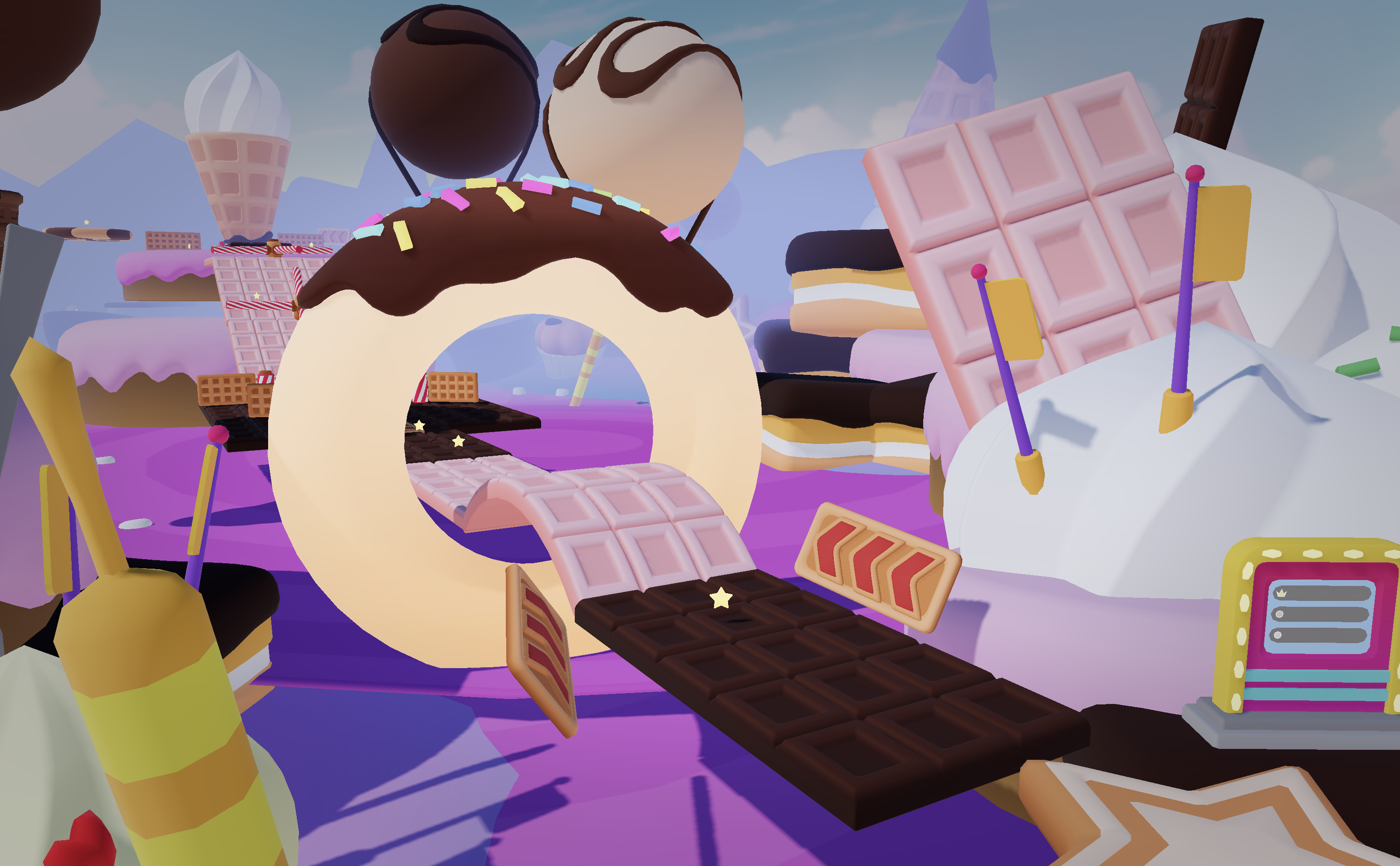
Scenario 2 — Roblox-focused builder: You already build in Roblox Studio and spend 30 minutes or more per asset cleaning meshes in Blender. You want AI to speed up asset creation without breaking your Roblox workflow. HypeHype does not target this use case. Nilo’s Create Asset Packs and Design Roblox-Ready Avatars features focus on this exact flow so you can generate, optimize, and export Roblox-ready assets while staying in your creative zone.
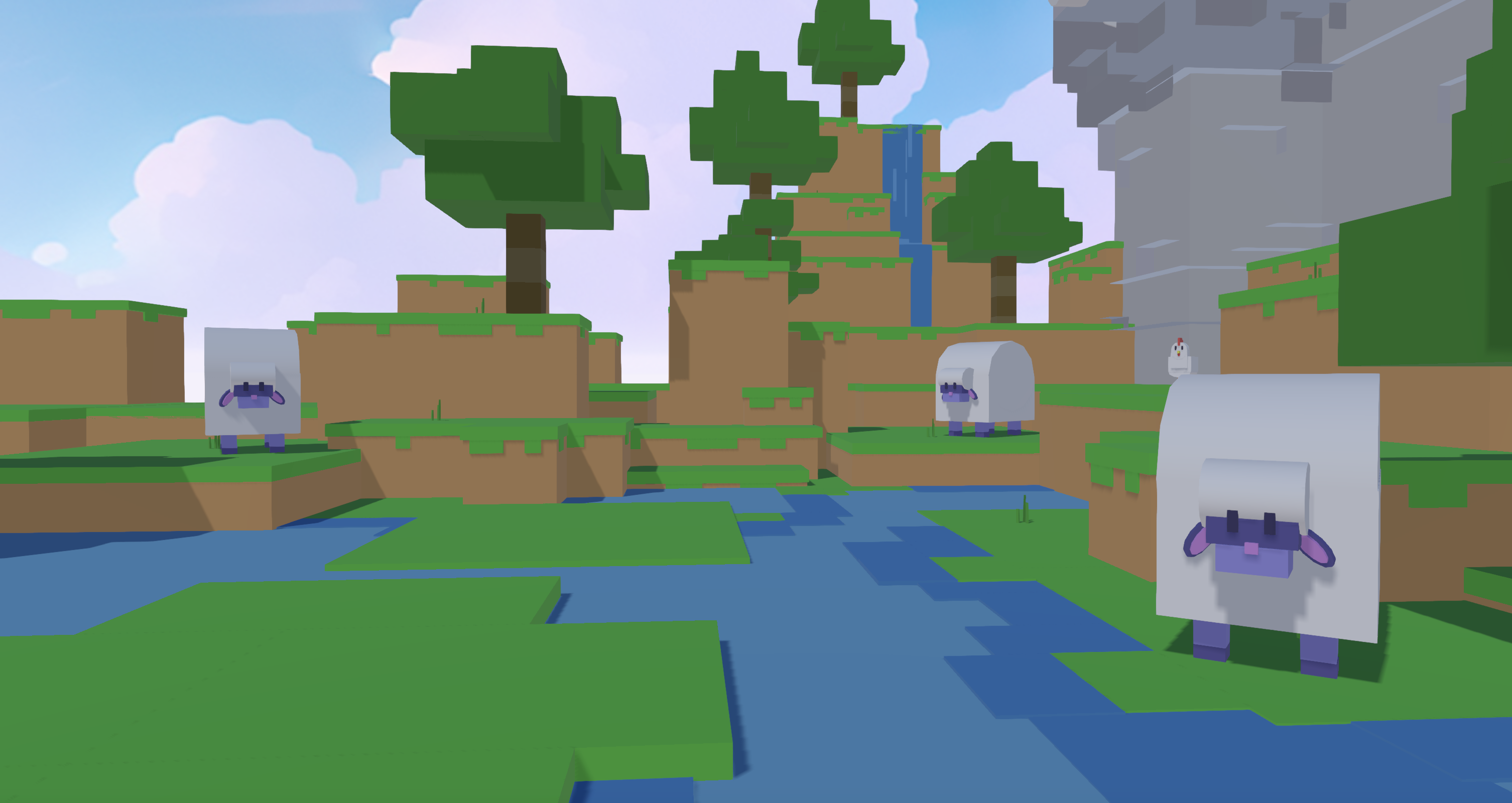
Scenario 3 — Collaborative small team: You and two friends split work between environments, characters, and logic. You need a tool where all three of you can work in the same world at the same time. HypeHype’s social features lean toward sharing finished games on mobile instead of real-time co-creation. Nilo’s real-time multiplayer creation lets your whole team build together in one browser-based world, share a link, and iterate quickly.
Spin up a shared Nilo world and invite your friends to build with you today.
Is HypeHype Shut Down?
As of August 2026, HypeHype remains active. The developer continues to ship updates, which shows the company still supports the platform. Any platform can change direction, adjust terms, or shut down, though. Strong export options and clear asset ownership protect you if that happens because a shutdown will not erase your work.
Keep your options open by testing exportable workflows in Nilo’s free beta.
Can You Make Money on HypeHype?
HypeHype does not currently list a public revenue-sharing program similar to Roblox’s creator economy, which pays over $1B annually to creators. Monetization inside HypeHype feels limited compared to platforms where you own your game and sell it directly. For comparison, itch.io can let you keep up to 100% of revenue minus payment fees, and the median indie game on Steam earns between $5,000 and $15,000 in lifetime gross revenue, with developers keeping 70% after Steam’s cut.
If you care about monetization, you should check whether the platform lets you export your game and sell it independently or whether you rely fully on its internal systems. Nilo’s approach keeps things simple. Any models, skins, or items you create in Nilo belong to you, and you can use, publish, and monetize them on the Roblox Marketplace or anywhere else.
Start creating assets in Nilo that you can later sell or use across platforms.
Is HypeHype Free to Use?
HypeHype is free to download and play with in-app purchases on iOS and Android, although mobile access currently stays limited to early access in Canada, the Philippines, and Finland. You can create and share games inside the HypeHype ecosystem at no cost.
Free access does not always mean free with full ownership and export. You should check whether the free tier includes export features or keeps them behind a paywall or removes them entirely. Nilo is currently free to use in open beta, with 1,000 Nilo Bits per month for AI generation and many core building tools that do not use Bits at all.
Claim your free Nilo Bits and experiment with AI-powered building without spending money.
HypeHype vs. Nilo: Export and Ownership Comparison
The table below highlights how HypeHype and Nilo differ on export, platform compatibility, and asset ownership. These details decide whether you can move your work into other engines and keep control of it.
| Feature | HypeHype | Nilo |
|---|---|---|
| Export formats | No documented standard 3D export options | Standard 3D formats with one-click export |
| Platform compatibility | Supports creation on iOS, Android, Windows, Mac, tablets, and web browser | Exports work with Roblox Studio, Unity, Unreal Engine, Blender, and VRChat |
| Asset ownership | Assets stay inside the HypeHype ecosystem | Full creator ownership of exported assets (see monetization details above) |
| Browser-based creation | Accessible via mobile apps, desktop apps for Windows/Mac, and web browsers | Runs fully in the browser with no download or install |
Frequently Asked Questions
What exactly is an AI-assisted browser-based 3D creation tool?
This kind of platform lets you build 3D games or assets directly in your browser with no installs. AI helps you generate models, write game logic, and animate characters. You describe what you want, the AI builds a first version, and you refine, playtest, and export.
Do you need coding skills to use these tools?
You often do not. Tools like Nilo use natural language prompts so you type or speak what you want to happen and the AI writes the code. You can still open that code, tweak variables, and learn real programming concepts as you go.
What is the difference between browser-based tools and desktop engines like Unity or Blender?
Desktop engines such as Unity and Blender support advanced rendering and complex projects but require installation, time to learn, and a capable computer. Unity Studio is not intended for complex games but supports animation features including imported animations on character meshes, and those stay inside the desktop Unity Engine. Browser-based tools trade some advanced features for instant access, easy link-based collaboration, and a lower barrier to getting started.
What are the limits of AI-generated 3D assets?
AI generation can create geometric defects, asymmetry, or odd textures, especially with vague prompts. The quality of your prompt matters a lot. Tools that let you switch between multiple AI model providers, like Nilo’s model-agnostic setup, give you more control over results. You should always check whether you can refine outputs or whether you stay stuck with the first version.
If you build something in a browser-based tool, do you actually own it?
Ownership depends on the platform’s terms of service. Some platforms keep rights to content created in their ecosystem. Others, including Nilo, clearly state that creators own exported assets and can monetize them anywhere. You should always read ownership and export terms before you invest serious time.
Conclusion: Put Export and Ownership First
HypeHype offers a real community and works well for mobile-first social prototypes. If your goal is a standalone, exportable game you own and can monetize on your terms, its export limits create friction. That friction grows over time because the more you build inside a closed ecosystem, the harder it becomes to leave.
AI-assisted browser-based 3D tools give you another path, but they differ a lot. Your goals should guide your choice. If you want Roblox-ready assets without endless Blender cleanup, real-time retopology and one-click export matter. If you want to build with friends without installs, browser-based real-time collaboration matters. If you want to earn from what you make, clear ownership of exported assets matters most.
Put export compatibility and ownership at the top of your checklist. Everything else comes after. As one creator said in Nilo’s February 2026 survey, “I like how it feels like a good game engine rather than a vibe coding tool, with easy building and a good focus on being able to export and import content.”
Open Nilo in your browser today and see how far you can take one idea in a single session.