Written by: Nuno Leiria, Founder & CEO @ Nilo
Key Takeaways
- GDevelop’s event-sheet logic feels intuitive for 2D, but jumping to Roblox Studio’s Lua scripting and 3D workflow creates heavy friction for you as a beginner.
- AI-assisted browser-native 3D tools bridge this gap by giving you real game engines, natural-language coding, and no-install access that feels like playing.
- Nilo provides automatic 3D asset generation, Roblox-ready optimization for polygon limits, and one-click exports to FBX, OBJ, and glTF without Blender cleanup.
- Real-time collaboration via shared links, vibe coding with instant 3D feedback, and cross-device browser access make Nilo more accessible than desktop-only tools.
- Try Nilo today to experience browser-based 3D creation that matches GDevelop’s intuitive style, and start building for free.
Why Moving From GDevelop to Roblox Studio Feels So Hard
Switching from GDevelop’s event sheets to Roblox Studio means changing languages, workflows, and mental models at the same time. GDevelop runs in a browser tab. Roblox Studio needs a desktop install, Lua scripting, and often hours of Blender cleanup before a single asset looks right in-game.
The friction hits you fast. You might have strong spatial instincts from Minecraft and Roblox and plenty of creative ideas. You often lack a tool that meets you where you already build and play. Collaboration adds more pain: GDevelop lets you share a project link, while Roblox Studio forces everyone to install the same software, sync files, and juggle separate tools.
This setup burns you out. You invest hours, drop projects, cycle through failed attempts, and never ship the worlds you imagine.
Browser-based creation tools change that pattern. The same shift that let Figma replace heavy desktop design software now reaches 3D game creation, powered by WebAssembly and WebGPU running full game engines in a browser tab.
AI-Assisted Browser-Native 3D Creation Explained
Traditional desktop engines like Roblox Studio, Unity, and Unreal Engine were built for professionals. They give you power, but they assume you already know how to model, script, and manage performance.
Prompt-to-game tools such as Rosebud AI or Arcade AI sit on the other side. You type a description and AI generates something, yet you cannot really get inside and build. You miss a hands-on creation environment, a real game engine underneath, and real-time collaboration.
AI-assisted browser-native 3D tools land in a different spot. They run a real game engine in your browser, use AI as a co-pilot, and keep the experience feeling like play instead of software setup. If you know GDevelop’s event-sheet logic, the natural-language code editor in this category feels familiar. You describe what you want to happen, and the engine makes it work.
Fast 3D Asset Generation and Refinement
In a traditional workflow, creating a single prop means learning Blender over months, generating something in a tool like Meshy, then spending 30 minutes or more cleaning up the mesh before it meets Roblox’s 10,000–20,000 polygon limits and 1024×1024 texture caps. One builder in Nilo’s February 2026 survey described this clearly: “Picture yourself, frustrated because you spent the last 5 hours 3D modeling a shipping container. All I have to do is open Nilo and do it in 20 seconds.”
Nilo stands out here with its Craft Your Model feature. You generate objects from a sketch, image, text prompt, or all three, then refine and drag them directly into your world. Multiple AI model providers such as Meshy, Tripo, and Cartwheel sit behind one interface, so you get strong results without switching apps.

Sloyd focuses on model generation only and does not cover rigging, animation, or publishing. Lemonade.gg connects to Roblox Studio but still depends on that desktop environment.
Natural-Language Logic That Feels Like GDevelop
GDevelop’s event sheets work because you do not write code. You describe logic in plain language. Nilo’s built-in code editor, which builders call “vibe coding,” follows the same idea.
You type or speak what you want to happen in any language, and working code appears with real-time feedback in your 3D world. You can open the code and tweak variables directly. Changing “speed = 2” to “speed = 20” shows you how programming concepts behave without a formal tutorial.
Rosebud AI also uses natural language for code generation, but it does not run inside a live 3D environment. You do not see changes play out in a real engine. Upit offers similar ideas but without the same custom engine depth. Nilo’s vibe coding gives you instant 3D feedback, so you see the result the moment you describe it.
World Building Tools That Match How You Think
Nilo’s world-building tools mix procedural generation with AI creation. A radial menu lets you quickly add primitives or AI-generated objects, and an inspector panel handles detailed property editing. Physics simulation runs in real time, so everything starts interactive and dynamic without manual collision or animation wiring.
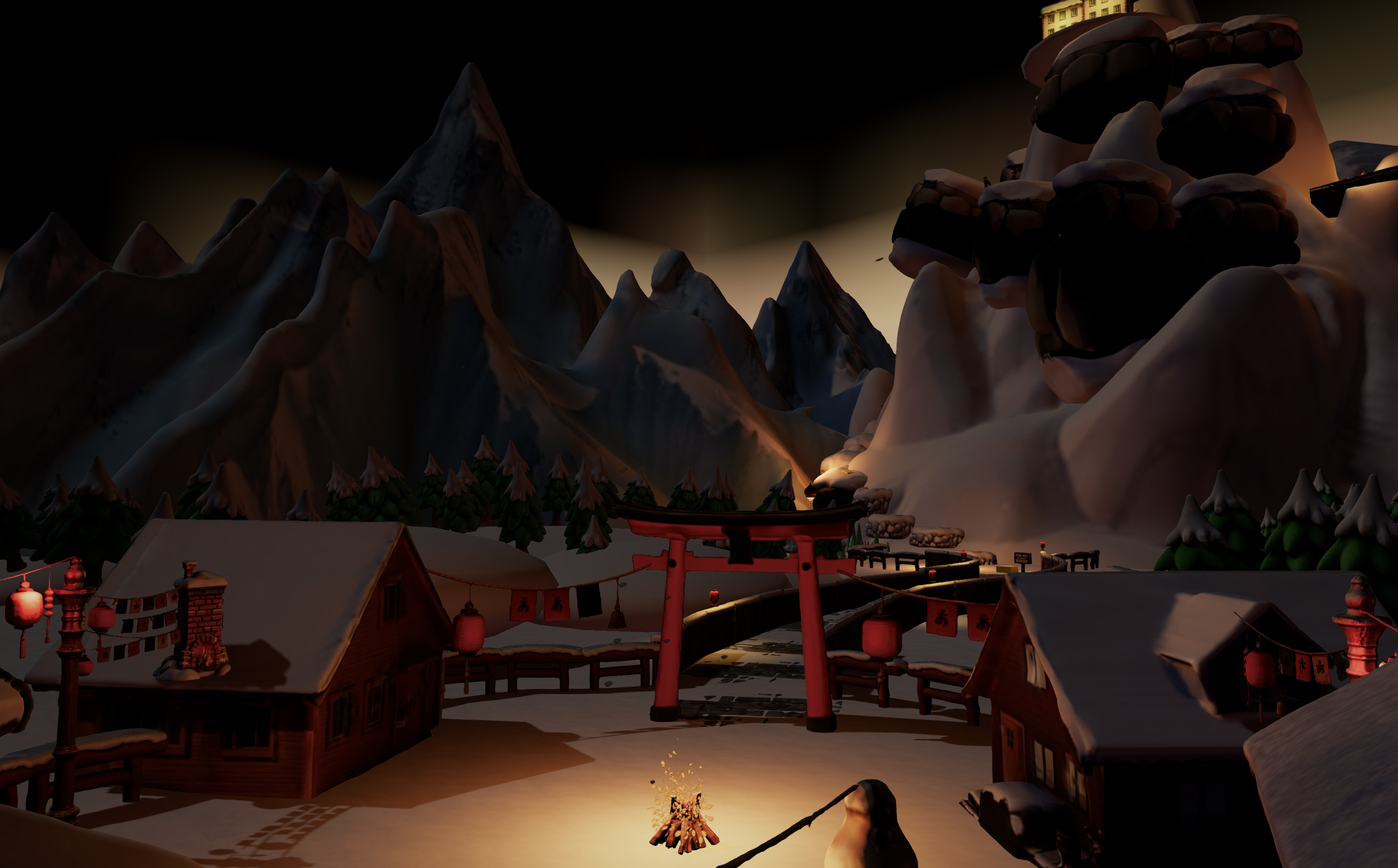
The survey of early builders backs this up. One builder said, “It helps me physically visualize any images I may have drawn and helps make my ideas actually come to life.”
Roblox Studio offers deep world-building tools, yet it still needs a desktop install and scripting knowledge before anything feels alive. Spawn and Oasiz use canvas-based editors and do not match the custom game engine performance that makes real-time physics feel natural.
Automatic Optimization for Roblox Limits
Hitting Roblox’s asset limits manually in Blender is one of the most common reasons you burn out. Nilo’s Optimize, Rig, & Animate feature handles those limits for you. A real-time level of detail system adjusts polygon counts on the fly so your model stays within platform rules without triangle counting.
Tools like Meshy generate meshes quickly but still leave you with manual cleanup. Nilo’s LOD slider gives you Roblox-ready topology from the start. You get clean geometry, no strange artifacts, and no Blender detour.
Real-Time Collaboration and Sharing by Link
GDevelop lets you share a project link, and Nilo brings that same flow to 3D worlds. You share a URL, and anyone can click, join, and build with you in real time on desktop or mobile, with no install.
You can publish worlds publicly, keep them private as staging spaces, or clone and remix other builders’ worlds to move faster.
Roblox Studio expects everyone to install the software and sync files. Unity’s browser editor exists but still targets professional teams. Nilo’s Playtest with Friends feature makes collaboration feel like joining a multiplayer game instead of managing a software project.
Exporting Nilo Creations Into Other Engines
Nilo exports to FBX, OBJ, STL, and glTF, which work with Roblox, Unity, Unreal Engine, Blender, and VRChat. Nilo does not lock you in. You can treat it as an asset pipeline for Roblox Studio or build entire worlds natively.
The same survey of early builders highlights this flexibility. One builder said, “I like how it feels like a good game engine rather than a vibe coding tool, with easy building and a good focus on being able to export and import content.”
Lemonade.gg keeps you inside the Roblox ecosystem. Sloyd exports models but not rigged or animated characters. Nilo’s Export and Upload feature gives you one-click export of static, rigged, or animated models that are ready for Roblox.
Side-by-Side Capability Comparison
The table below shows how Nilo’s browser-native approach compares with GDevelop’s 2D workflow and Roblox Studio’s desktop setup across key creation capabilities.
| Capability | Nilo | GDevelop | Roblox Studio |
|---|---|---|---|
| Visual / natural-language logic | Natural-language vibe coding, real-time 3D feedback | Event-sheet visual scripting (2D only) | Lua scripting required |
| Browser access (no install) | Yes, desktop and mobile browsers | Yes, browser-based editor | No, desktop install required |
| Roblox export workflow | One-click export, automatic LOD optimization for 10K–20K polygon caps | Not applicable (2D engine) | Native, no export needed, but manual optimization required |
| Multiplayer creation out of the box | Yes, real-time co-creation via shared link | No built-in real-time co-creation | No real-time co-creation, file-based collaboration |
| Cost to start | Free, 1,000 Nilo Bits per month included | Free tier available | Free, requires Roblox account and desktop install |
How To Evaluate Tools For Your Workflow
When you compare GDevelop-style alternatives for 3D creation, think about how each tool fits into your full journey from first session to finished world.
Start with ease of onboarding. You should create something in the first session without a tutorial. Tools that demand installation, multi-app account setup, or scripting knowledge before anything works slow you down before you even begin.
Once you can create, look at output quality. Check whether the AI generates assets you can actually use or if they need hours of cleanup. Test if the output already respects Roblox’s polygon and texture limits.
Next, review export compatibility. Confirm that the tool exports standard formats such as FBX, OBJ, and glTF, and that rigged or animated models survive export without broken collisions or pivot issues.
After that, consider performance limits. Tools that handle optimization automatically save you from managing polygon counts yourself. A real-time LOD system helps a lot when you focus on Roblox.
Then think about your collaboration needs. If you want to build with friends, look for real-time co-creation via a shared link instead of simple file sharing or slow async workflows.
Finally, weigh the learning value. Strong tools teach real concepts such as rigging, mesh topology, and physics through the interface. That knowledge transfers later to Roblox Studio, Unity, or Blender.
Real Scenarios You Might Recognize
First-time creator: You have used GDevelop to make a 2D platformer and now want to try 3D. You open Nilo in your browser, sketch a character, and drag it into a world. You skip installs, Blender, and Lua. You type “make the character jump when I press space” in the vibe coding editor and it works. You share the link with a friend and they join your world in seconds.
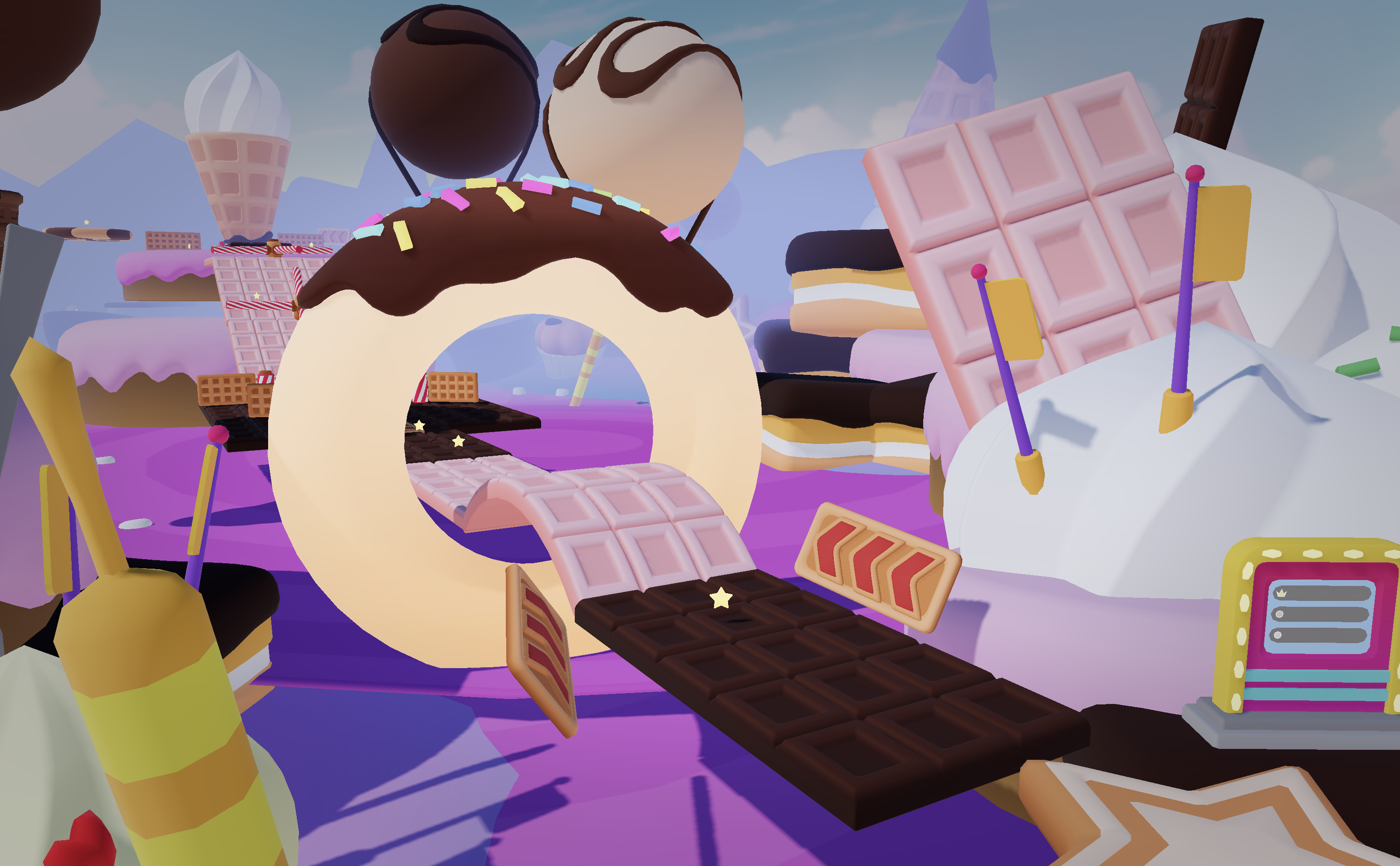
Roblox-focused builder: You build in Roblox Studio but keep hitting the 20K polygon limit after long Blender sessions. You generate the same asset in Nilo with Craft Your Model, use the LOD slider to match the polygon cap automatically, and export a Roblox-ready FBX in one click. Work that used to take 30 minutes of manual retopology now takes minutes.
Small collaborative team: You and two friends want to build a roleplay world together. One person handles environment, one handles characters, and one handles logic. You all work in the same Nilo world at the same time on different devices without syncing files or coordinating installs. You publish the world with one click when it feels ready.
Frequently Asked Questions
Is GDevelop or Godot better for making 3D games?
GDevelop focuses on 2D. Its event-sheet logic feels great for 2D games, but 3D support stays limited. Godot offers a more capable 3D engine and uses GDScript, which feels similar to Python, yet still needs coding knowledge and a desktop install.
If your goal is 3D multiplayer worlds without coding, neither GDevelop nor Godot gives you the most direct path. Browser-native AI-assisted tools like Nilo focus on 3D creation without scripting and use natural-language logic that feels close to GDevelop’s event sheets.
How do you make 3D games without coding?
The most accessible approach in 2026 uses a natural-language code editor. You describe what you want to happen, such as “when the player touches the coin, add 10 points,” and the AI generates working code instantly.
Nilo’s vibe coding editor works this way and shows real-time feedback in your 3D world, so you see changes as soon as you describe them. You can open the code and tweak variables directly, which helps you start learning real programming concepts without a formal scripting course.
What is the most beginner-friendly game engine for Roblox builders?
The most beginner-friendly option depends on what “beginner” means for you. If you want to stay inside Roblox’s ecosystem, Roblox Studio gives you the direct path, but it needs a desktop install and Lua scripting before anything becomes interactive.
If you want to create Roblox-ready assets and worlds without scripting or installs, Nilo stands out for that workflow. You get a browser-based editor, natural-language logic, automatic Roblox optimization, and one-click export. The survey of early builders reflects this, with 93 percent saying they would recommend Nilo to a friend.
Can I use a browser-based tool to export assets to Roblox?
Yes. Nilo exports to FBX, OBJ, STL, and glTF, which all work with Roblox Studio. The export includes automatic LOD optimization so your models meet Roblox’s polygon caps without manual cleanup.
Rigged and animated characters export intact and import directly into Roblox Studio. Nilo works as a standalone browser platform that feeds into your Roblox workflow rather than a simple Roblox plugin.
Do I need a powerful computer to build 3D games in a browser?
No. Nilo runs on any device with a modern browser, desktop or mobile, using WebAssembly and WebGPU, with WebGL as a fallback. You do not need a high-end GPU or a heavy desktop install.
The same technology that lets Figma run complex 2D design in a browser now powers full 3D game creation. You open a link and start building.
Conclusion: A Smoother Path From 2D to 3D Worlds
Moving from GDevelop’s 2D event sheets to 3D multiplayer worlds does not have to mean learning Lua, installing Blender, or spending weeks on retopology. You should look for browser access with no install, natural-language logic with real-time 3D feedback, automatic optimization for Roblox’s limits, real-time co-creation via shared links, and standard export formats that work across engines.
Nilo stands out as a tool built around those criteria. It behaves like a game engine first, not a prompt-to-game wrapper, and keeps creation feeling like play. The survey data supports this, with 82 percent of builders rating their experience as “Awesome” or “Good,” and 72 percent saying Nilo makes their creative process easier by “a lot.”
Join Nilo’s open beta and try building and playing for free.