Written by: Nuno Leiria, Founder & CEO @ Nilo | Last updated: July 6, 2026
Key Takeaways
- Free online game creators let you build, play, and share interactive 3D worlds in your browser without coding or downloads.
- Traditional tools like Roblox Studio or Unity slow you down with installs, steep learning curves, and manual scripting that kills early momentum.
- AI-assisted features in modern platforms handle 3D asset generation, natural-language logic, real-time performance tuning, and automatic LOD to respect limits like Roblox’s polygon caps.
- Browser-based collaboration and one-click exports to Roblox, Unity, and other engines remove the biggest blockers for aspiring creators and teams.
- Ready to turn your ideas into playable 3D worlds? Try Nilo for free and start building today.
The Problem: Moving From Playing to Creating Still Feels Hard
You might have spent hundreds of hours in Roblox, Minecraft, or Fortnite and already have worlds in your head. Then you open Roblox Studio, Unity, or Blender, and everything suddenly feels overwhelming.
These tools were built for professionals. They expect installations, strong desktop hardware, and months of learning before you can make anything interactive. Scripting in Lua, doing retopology in Blender, and juggling multiple disconnected apps all pile on friction that kills your momentum fast.
Even no-code tools still take time to really learn, and many hit hard limits when you try to build complex or fully 3D projects. Many aspiring builders burn out, drop projects, and cycle through half-finished ideas for years.
Why Fast Progress Matters When You Start Building
Momentum is everything when you create your first games. The longer it takes to go from idea to something you can play, the more likely you are to quit.
As a game’s player base grows, teams often move to more complex tools for stability and performance. Most aspiring builders never reach that stage because early friction stops them long before their first real release.
The creator economy keeps growing fast. Roblox pays creators over $1B every year, growing more than 30% year over year. Roblox, Minecraft, and Fortnite together reach 735M+ monthly players, and many of those players want to move from playing to building. Today’s tools still do not fully match that ambition.
AI-assisted creation changes what you can do in a weekend. Traditional 3D modeling from scratch can take 20–40 hours of skilled artist time per character, while AI tools can cut that to minutes for a first version. The gap between imagination and execution is closing, and AI-native tools are the bridge that makes this possible for you.
Explore Nilo’s open beta and see how fast you can go from idea to playable world.
AI-Assisted Browser-Based 3D Creation Tools Explained
AI-assisted browser-based 3D creation tools handle asset generation, logic, optimization, collaboration, and export inside your browser, with no downloads. You work in one place instead of jumping between engines, modeling apps, and exporters.
These tools form a different category from traditional desktop engines like Roblox Studio, Unity, or Blender. They also differ from simple prompt-to-game generators that spit out a result but do not let you stay inside the world and keep building.
The browser is finally strong enough for this kind of work. WebGPU support brings fast load times and smooth 60fps gameplay in the browser. This is the same kind of shift that let Figma deliver pro 2D design without a desktop app, and now it is happening for 3D creation.
The key difference from prompt-to-game tools is control. You stay inside the world, building, tweaking, and playing in real time. AI acts like a co-pilot that speeds you up instead of replacing your creativity.
AI Game Maker Power: 3D Asset Generation and Cleanup
Creating a 3D asset used to mean learning Blender or paying a professional artist. AI text-to-3D tools change that so you can type what you want and get a 3D model in seconds.
Quality still matters a lot. Many AI tools produce meshes with geometric defects, asymmetry, or “melted” surfaces that need manual cleanup before they are usable. Meshy.ai combines text-to-3D, image-to-3D, PBR texturing, auto-rigging, and remeshing in a browser-based platform, but output quality can vary, and you often still need cleanup before assets feel game-ready.
Nilo stands out by hiding multiple AI model providers behind one simple interface. It connects to Meshy, Tripo, Nano Banana, Cartwheel, Uthana, and others. You can switch between models based on quality, style, or speed without leaving your project. As those models improve, Nilo improves with them. Builders in Nilo’s February 2026 survey said, “You can work 20 times faster than you usually work on models.”

You can also follow a sketch-to-3D flow. Draw in 2D, refine the sketch with AI, then drag and drop the result into your 3D world. You skip traditional modeling software completely.
Make a Game Without Coding Using Natural-Language Logic
Natural language prompts let you create game logic by just talking, texting, or even sending images to the AI, so you do not need scripting knowledge. Many builders call this “vibe coding,” and it is one of the biggest shifts in game creation right now.
Reliability becomes the main challenge as your projects grow. Debugging gets harder at higher complexity if you do not understand the underlying systems, and AI can introduce extra bugs. Multiplayer networking is still very hard to build purely with no-code or prompts because syncing physics and player states across a network needs precise tuning.
Nilo’s built-in code editor accepts natural language prompts in any language, including English and Spanish, and shows real-time feedback directly in your 3D world. You can also see and tweak the actual code variables, like changing “speed = 2” to “speed = 20,” and you learn real programming concepts while you build. One builder from Nilo’s February 2026 survey said, “You made me enjoy vibe-coding. The code assistance works almost flawlessly.”
3D Game Creator Online Free: World Building in Your Browser
Building a full 3D world needs more than a single asset. You need tools for placing objects, shaping environments, and making everything feel alive. Many free tools either keep you in 2D or push you back to a desktop app for real 3D work.
GDevelop added a real-time 3D editor in December 2025 and supports browser games, but it struggles with very large or complex projects like open worlds or heavy physics. Construct offers browser-based drag-and-drop tools but focuses on 2D and does not support 3D.
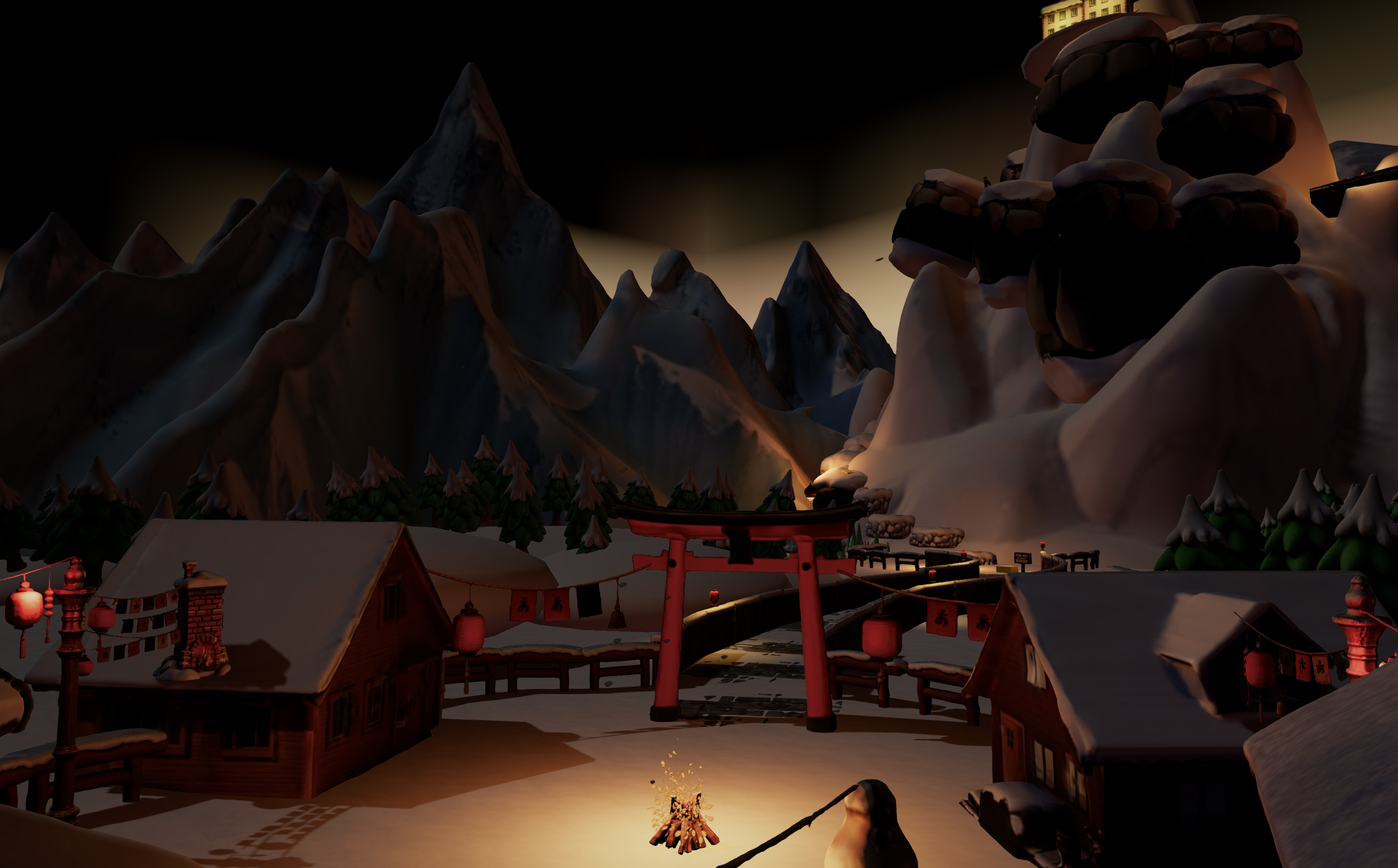
Nilo’s world-building tools give you a radial menu for quick object creation, an inspector panel for detailed property edits, and procedural generation combined with AI. Physics simulation runs in real time, so everything is interactive and dynamic by default. You do not need to wire basic interactions by hand. As one builder said in Nilo’s February 2026 survey, “It helps me physically visualize any images I may have drawn and helps make my ideas actually come to life.”
Browser-Based Game Engine Performance and Optimization
Running a real 3D game engine in a browser is technically demanding because of performance constraints like polygon counts, texture sizes, and frame rates. These limits become critical when you export to platforms like Roblox, which caps assets at 10K–20K polygons.
Professional optimization tools like InstaLOD can reduce polygons by more than 10x while keeping visuals sharp, but they target enterprise pipelines, not aspiring builders like you. Tripo AI’s Smart Mesh tool lets you pick polygon counts during generation, which gives control but also expects you to know what counts work for your target platform.
Nilo’s custom engine uses C++ physics compiled to WebAssembly, with WebGPU graphics and a WebGL fallback, and handles optimization for you. Its real-time LOD system adjusts polygon counts on the fly so assets stay within platform limits. You stop worrying about triangle counts and focus on building your world.
Building Together: Collaboration and Sharing
Game creation feels more fun when you build with friends. Most tools still treat collaboration as an afterthought, so you build alone and share files later.
PlayCanvas supports collaborative building in its visual editor, which lets small teams create games together directly in the browser with free hosting and link sharing. It works well for web-focused developers, although its main export path targets web environments instead of platforms like Roblox.
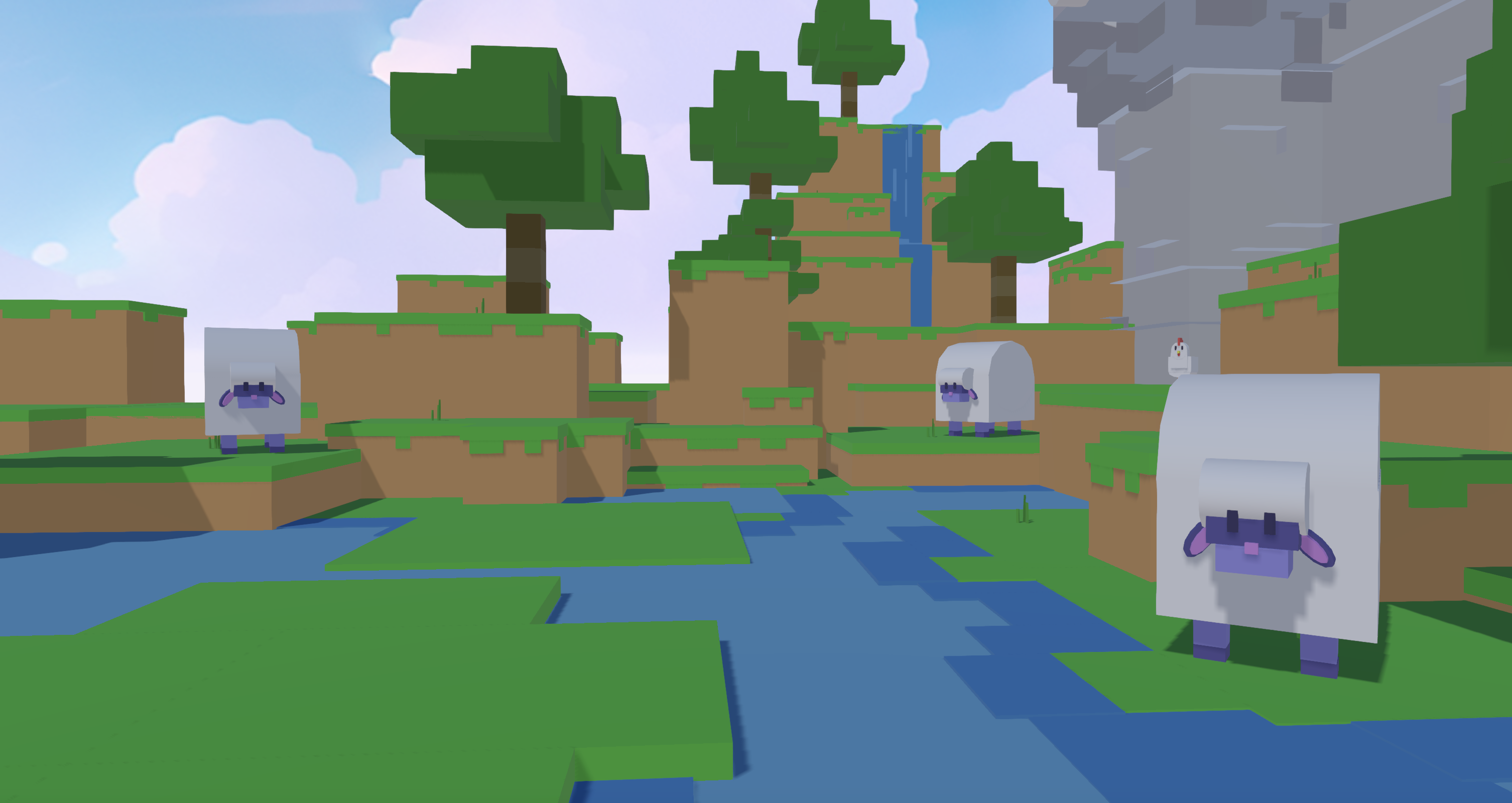
Nilo supports real-time multiplayer creation so you can build with friends across desktop and mobile, often coordinating through Discord or Telegram. You share a URL and anyone can click and play instantly. You can publish worlds publicly, keep private staging worlds, or clone and remix other builders’ creations. With more than 9,000 builders on Discord, the community gives you plenty of people to learn from.
Roblox Game Creator Without Scripting: Export and Interoperability
Export paths matter a lot when you want to build for Roblox without scripting. Roblox Studio expects installation, Lua scripting for interactivity, and manual optimization to meet strict performance limits. Many AI tools ignore those limits completely.
Sloyd creates clean, optimized mesh topology with automatic UV-unwrapping and LOD generation and includes AI auto-rigging, but it focuses on asset creation only. It does not cover in-context game building, animation, or publishing flows.
Nilo’s LOD system keeps polygon counts within Roblox’s caps automatically. You can export in FBX, OBJ, STL, or glTF, which works with Roblox, Unity, Blender, VRChat, and Unreal Engine. Nilo tunes polycount so models work directly in Roblox Studio and other platforms without extra cleanup. One builder from Nilo’s February 2026 survey said, “I like how it feels like a good game engine rather than a vibe coding tool, with easy building and a good focus on being able to export and import content.”
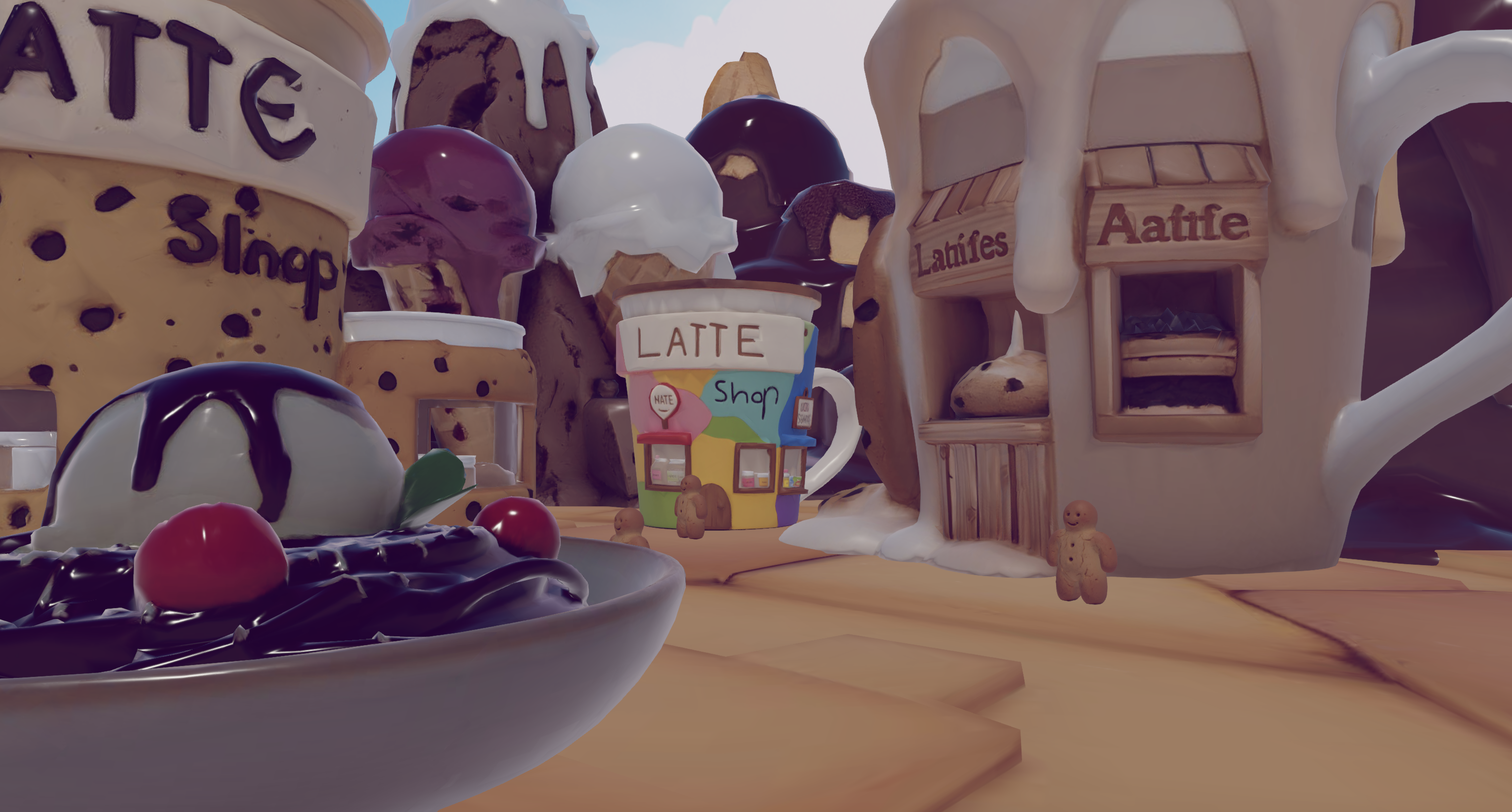
Export a Roblox-ready asset from Nilo’s open beta and see how the workflow feels.
Capability Comparison: Nilo, PlayCanvas, and Roblox Studio
| Capability | Nilo | PlayCanvas | Roblox Studio |
|---|---|---|---|
| AI 3D asset generation | Text, sketch, and image-to-3D via multiple AI providers | Not built-in | Not built-in |
| Natural-language logic (vibe coding) | Built-in, any language, real-time feedback in 3D world | Requires code, no natural-language editor | Requires Lua scripting |
| Automatic optimization / LOD | Real-time LOD system, Roblox polygon caps met automatically | WebGPU-accelerated LOD and streaming LOD via SuperSplat | Manual, builders manage polygon counts themselves |
| Real-time multiplayer collaboration | Build together via shared URL, desktop and mobile | Collaborative editor, browser-based | Desktop only, no real-time co-building |
| Roblox export | One-click, Roblox-optimized FBX/GLB export | Web-focused, no native Roblox export path | Native platform, no export needed |
| No download required | Fully browser-based | Fully browser-based | Desktop installation required |
Quick-Start Checklist for Choosing a Free Creator
When you test a free online game creator, walk through these steps before you commit to a full workflow:
- Check whether you can open it in a browser right now without downloading anything.
- Try generating a 3D asset from a text prompt or sketch in under five minutes.
- See if the tool handles polygon optimization automatically or expects you to manage it yourself.
- Add basic game logic like movement, collisions, and interactions without writing code.
- Invite a friend to build with you by sharing a link and see how smooth that feels.
- Export to your target platform, such as Roblox or Unity, in a standard format like FBX or GLB.
- Confirm that the free tier lets you build something real instead of locking core features behind a paywall right away.
Best Practices When You Adopt a New Tool
Start with your export target. If you want to build for Roblox, first confirm that the tool exports Roblox-compatible files with correct polygon counts. A game’s functionality depends on the capabilities and roadmap of the platform you choose, so pick one that matches where you plan to publish.
Test output quality on a real asset. Generate something specific, like a character, prop, or environment piece, and inspect the mesh topology and texture quality. Import it into your target platform and see how cleanly it comes through instead of trusting only demo assets.
Check collaboration before you need it. Real-time co-building is still rare. If you plan to build with friends, test the multiplayer workflow early instead of waiting until you have already built half a world solo.
Be honest about the learning curve. Mastering a no-code tool’s full potential still takes time and practice, even if it is easier than traditional programming. Look for tools with in-app guidance, active communities, and responsive developers.
Plan for when you level up. Strong tools either grow with you or export cleanly to professional pipelines. Avoid walled gardens that trap your work and make it hard to move later.
Realistic Builder Scenarios You Can Learn From
First-time creator. You have never used a game engine before and want to build something playable this weekend. Look for a browser-based tool with AI asset generation, built-in physics, and no scripting requirement. The ability to share a link and play instantly, without publishing to an app store, matters a lot at this stage. Nilo’s open beta fits this path, since you can generate assets from text or sketches, add logic by describing what you want, and share a link to play.
Roblox-focused builder. You already build in Roblox Studio but spend too much time cleaning up AI-generated assets in Blender or hitting Roblox’s strict polygon limits. The right tool here handles retopology automatically and exports Roblox-ready files. Nilo stands out for this workflow because its LOD system respects Roblox’s caps automatically, and export takes one click.
Collaborative team. You and two friends want to build a world together and need real-time co-building instead of file-sharing. PlayCanvas offers collaborative browser-based editing for web-focused projects. Nilo supports real-time multiplayer creation across desktop and mobile, with Roblox export built in, which helps if your team wants to publish on Roblox instead of only on the web.
Frequently Asked Questions
What is a free online game creator?
A free online game creator is a browser-based tool that lets you build interactive 3D or 2D games without installing software or paying upfront. These tools vary a lot. Some focus on 2D casual games, others on 3D world building, and newer AI-native platforms handle asset generation, logic, and export in one place. The free tier usually gives you enough features to build and publish something real, with paid plans for heavier usage or advanced options.
Do I need any coding or design skills to use these tools?
You do not need coding skills with the newer generation of AI-assisted tools. Platforms like Nilo let you describe what you want in plain language by typing, speaking, or sending an image, and the AI generates 3D assets, animations, and game logic for you. You can also tweak the underlying code variables directly, which helps you start learning real programming concepts without pressure. Traditional tools like Roblox Studio and Unity still require scripting for interactive features, which is why many builders look for alternatives.
What is the difference between a browser-based game engine and a desktop engine like Unity or Roblox Studio?
A browser-based game engine runs entirely in your web browser, so you avoid installations, downloads, and high-end hardware. You open a link and start building. Desktop engines like Unity and Roblox Studio require installation and target professional workflows. They are powerful, but the learning curve is steep and setup takes time. Browser-based tools are faster to start with and easier to share because you just send a link and anyone can play or build with you instantly.
Can I export what I build to Roblox?
Export options depend on the tool you choose. Many browser-based game creators export only to web formats. Nilo exports to standard 3D formats like FBX, OBJ, STL, and glTF and is tuned for Roblox’s strict polygon limits. Its LOD system handles that optimization automatically, so you do not need to clean up meshes by hand before importing into Roblox Studio. You can also export to Unity, Unreal Engine, Blender, and VRChat using the same files.
Is real-time multiplayer creation actually possible in a browser?
Real-time multiplayer creation is possible in a browser, although still uncommon. Most tools support solo creation with sharing after you finish. Nilo supports real-time multiplayer building so you and your friends can build in the same world at the same time on desktop or mobile by sharing a link. Collaborators do not need accounts or downloads to join. This works through Nilo’s custom networking layer built on WebAssembly and WebGPU, the same browser tech that powers console-style 3D in a tab.
Who owns the assets I create with AI tools?
Ownership rules change from platform to platform, so you should always read the terms of service before you publish or monetize. With Nilo, any models, skins, or UGC items you create belong to you to use, publish, and monetize, including on the Roblox Marketplace. Nilo does not lock you in, since you can export your work in standard formats and use it anywhere.
Conclusion: Picking the Right Free Online Game Creator
The right free online game creator depends on what you want to build, where you plan to publish, and how much friction you are willing to deal with. Browser-based tools remove installation pain. AI-assisted generation removes most modeling work. Natural-language logic removes the first big scripting barrier. No single tool solves every problem equally well, but the gap between your ideas and a playable world keeps shrinking.
If you want to build 3D worlds for Roblox without scripting or Blender and you prefer to work collaboratively in a browser, Nilo stands out as an AI-native option designed for that flow. The February 2026 builder survey mentioned throughout this article shows strong satisfaction, with most builders ready to recommend Nilo to friends. Backed by Supercell and currently in open beta, it is free to try right now.
Start building your first 3D world in Nilo’s open beta and see how far you can get this week.