Written by: Nuno Leiria, Founder & CEO @ Nilo
What You Will Learn About Roblox Asset Speed
- AI generators like ForgeGUI create meshes in seconds but often produce dense, messy geometry that needs heavy cleanup before Roblox import.
- Blender gives you clean, professional topology but usually takes weeks or months to learn, plus manual retopology for every asset.
- Integrated browser tools pull generation, retopology, LOD control, and Roblox-ready export into one place so you stay in a single workflow.
- Real-time LOD systems and automatic polygon control can remove the hours you usually spend decimating meshes to fit Roblox triangle limits.
- Nilo combines AI generation, automatic retopology, and direct FBX/OBJ/GLB export so you can go from prompt to playable Roblox asset without leaving the browser. Join Nilo’s open beta and try building and playing for free.
Why Slow Workflows Kill Your Roblox Momentum
You lose momentum every time asset creation drags on for days. Traditional 3D modeling for a single game character, including modeling, UV unwrapping, texturing, and rigging, can take dozens of hours of skilled work. A small Roblox project with several characters can balloon into hundreds of hours, which hits solo builders and small teams hardest.
AI generators shrink that front-end time dramatically. Meshy.ai can generate an initial 3D mesh with PBR textures in under 1 minute and perform auto-rigging in under 30 seconds. That speed feels amazing at first. The advantage fades once you start fixing problems. Complex or hero characters still need manual refinement before they are ready for your game.
A 2026 comparative case study from Lindenwood University compared an AI-assisted pipeline with a human-authored Blender workflow for a stylized fantasy tavern. The AI scene shipped with much higher triangle counts than the Blender scene. Researchers described this as “substantial technical debt” that you eventually pay back in cleanup time.
A traditional model-to-export pipeline once took 3–5 days. AI-assisted workflows now cut generation to minutes. Generation is only the first step though, and Roblox has strict cleanup requirements that still slow you down.
The Emerging Category of Integrated AI Browser Tools
This speed-versus-cleanup trade-off has pushed many builders toward a third option. Until recently, your choices were a fragmented stack or a steep learning curve. The fragmented stack looks like this: generate in ForgeGUI or Meshy, clean up topology in Blender, then import into Roblox Studio. You juggle three tools, three learning curves, and several chances for colors, materials, or collision data to break.
The Blender Foundation’s desktop suite gives you complete control over every vertex. Blender usually takes weeks to months to learn well. Blender is not a game engine, not browser-based, and not built for real-time collaborative creation with friends.
A newer category, integrated AI browser tools, collapses this stack into one environment. These platforms handle generation, retopology, optimization, and export inside a single browser tab. You avoid installs, tool switching, and constant context loss. Nilo stands out as one example in this category, built around Roblox export requirements.
How Each Tool Handles Generation, Cleanup, and Logic
When you compare tools for asset generation, focus on the final output and the cleanup work that still remains. The mesh you see after export matters more than the pretty preview.
ForgeGUI generates assets quickly from text or image prompts. The speed is real and feels great for quick ideas. The main issue is the geometry that comes out of the tool. Raw AI-generated meshes are often dense, irregular triangle soups with poor edge flow, holes, non-manifold geometry, intersecting faces, and floating mesh islands. These meshes rarely work directly in real-time game pipelines.
AI 3D generators often output meshes that blow past real-time triangle budgets. For Roblox specifically, Roblox’s 3D Importer caps individual meshes at around 10,000 triangles for batch import and up to 21,000 triangles for single import. The gap between what AI tools generate and what Roblox accepts is where you lose hours.
Blender gives you full control over topology, UV maps, and polygon counts. Manual retopology, done polygon by polygon, delivers the highest quality. Artists prefer this approach for hero characters and faces where edge flow around joints, mouths, and eyes really matters. The trade-off is time and skill. Teaching someone to model a convincing rock from scratch in Blender can take weeks.
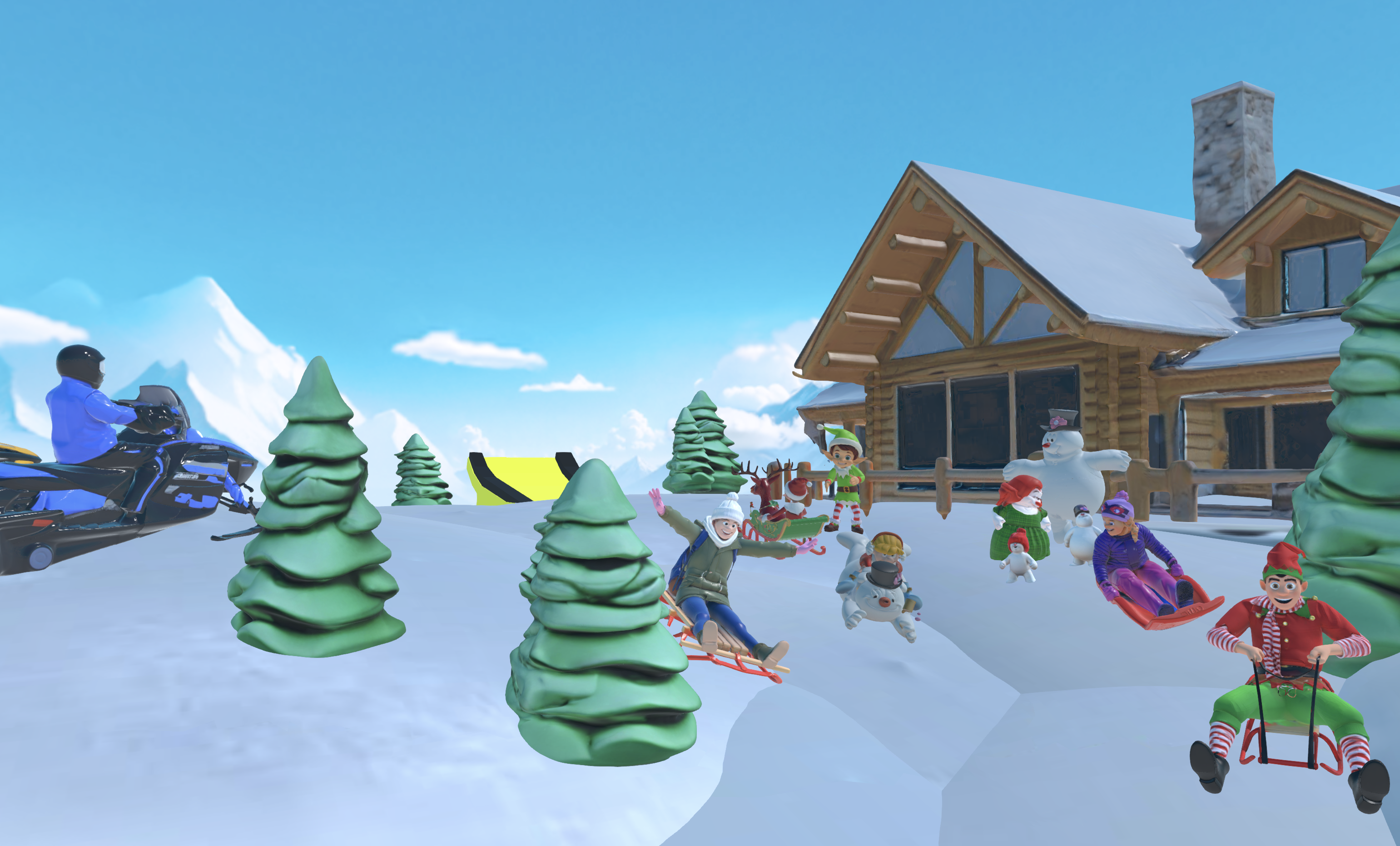
Integrated browser tools like Nilo handle generation and retopology together. Nilo’s real-time LOD system automatically adjusts polygon counts while you work. You can generate an asset and have it Roblox-ready without opening a second app. Builders in Nilo’s February 2026 survey shared feedback such as: “I do not have to spend hours on 3D modeling the simplest things, now I can use Nilo and do it in 15 seconds.”
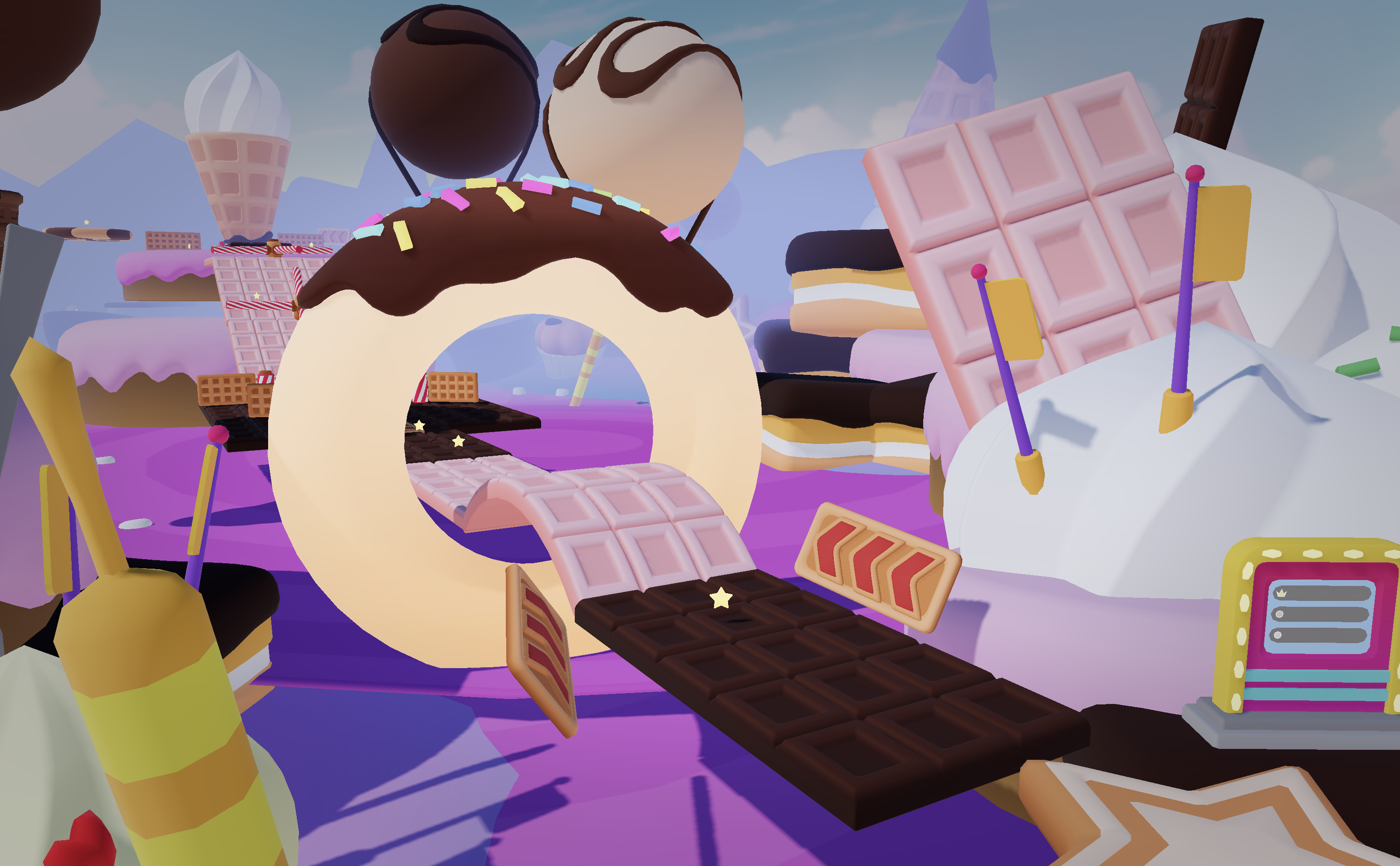
Nilo also includes a natural language code editor. You describe your game logic by talking, texting, or sending images to the AI. You do not need to know Lua or any scripting language to get basic interactions running.
World Building, Scene Assembly, and Roblox Limits
Building a full Roblox scene means juggling dozens of assets and their polygon budgets at once. Textures for Roblox meshes must be PNG, JPG, TGA, or BMP at a maximum resolution of 4096×4096 pixels. You often need texture atlases when your models use several surface types.
ForgeGUI speeds up individual asset creation but does not manage scene-level optimization. You still track triangle counts per asset yourself and handle Roblox’s strict import rules by hand.
Blender handles scene assembly well once you know the tool. A common import failure happens when model scale does not match Roblox studs because of unit mismatch. You must apply the correct unit scale and transforms in Blender before export or adjust import scale in the 3D Importer. Scale errors, flipped normals, and dropped material slots are the main cleanup headaches when you move between tools.
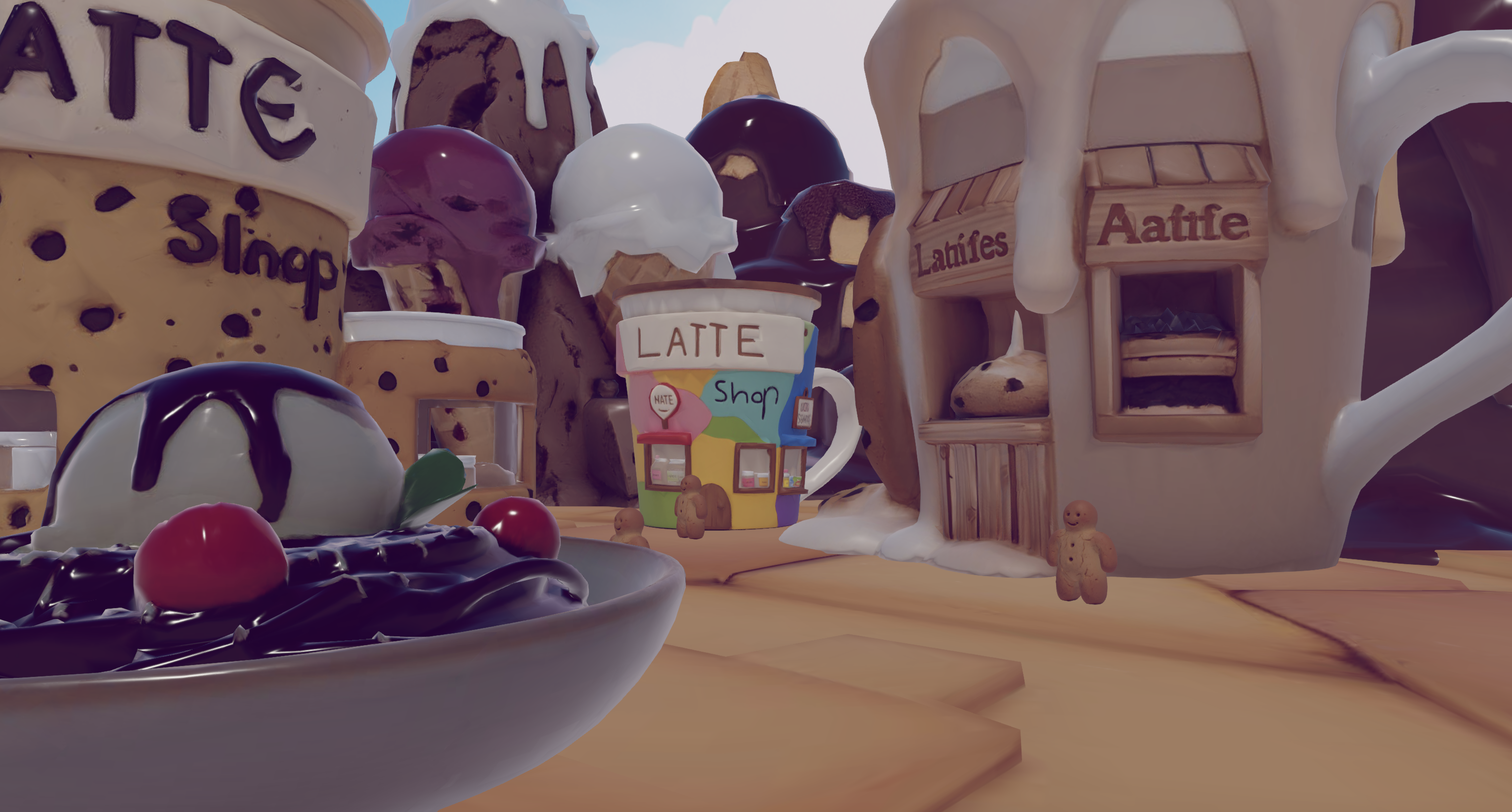
Nilo’s world-building environment runs physics simulation in real time. Everything feels interactive and dynamic by default. The LOD system handles polygon optimization for you, so you can focus on designing objects instead of fighting polycounts. Builders describe the experience as: “It helps me physically visualize any images I may have drawn and helps make my ideas actually come to life” (Nilo February 2026 survey).
Collaboration, Sharing, Export, and Interoperability
Exporting assets into Roblox Studio is where many workflows break. Roblox Studio’s OBJ exporter often fails to preserve multiple colors assigned to a single material. The file can default to white when imported into Blender, which forces you to rebuild color data by hand.
Here is how the three approaches compare across criteria that matter most for Roblox builders like you:
| Criteria | ForgeGUI | Blender | Integrated Browser Tools (e.g., Nilo) |
|---|---|---|---|
| Output quality (topology) | Dense, irregular triangle meshes are common, with poor edge flow that needs cleanup before rigging or engine import | Manual quad-based topology with deliberate edge loops, ideal for hero assets | Real-time retopology and an LOD system that produce clean, optimized meshes without extra cleanup steps |
| Roblox export readiness | Raw output often lands around 100k–500k triangles and must be decimated to meet Roblox’s triangle caps before import | Requires correct unit scale, frozen transforms, and FBX export settings; scale errors and material drops are common | LOD system targets Roblox-friendly triangle counts automatically and exports FBX, OBJ, and GLB that work with Roblox Studio |
| Learning curve | Low for generation, though writing strong prompts still takes practice | High, often weeks to months for proficiency across modeling, UVs, and 3D theory | Browser-based with no install, designed for aspiring builders and already builders like you coming from Roblox and Minecraft |
| Cost | Varies by plan, with generation credits used per asset | 100% free and open source | Free tier with 1,000 Nilo Bits per month, with the open beta currently free to join |
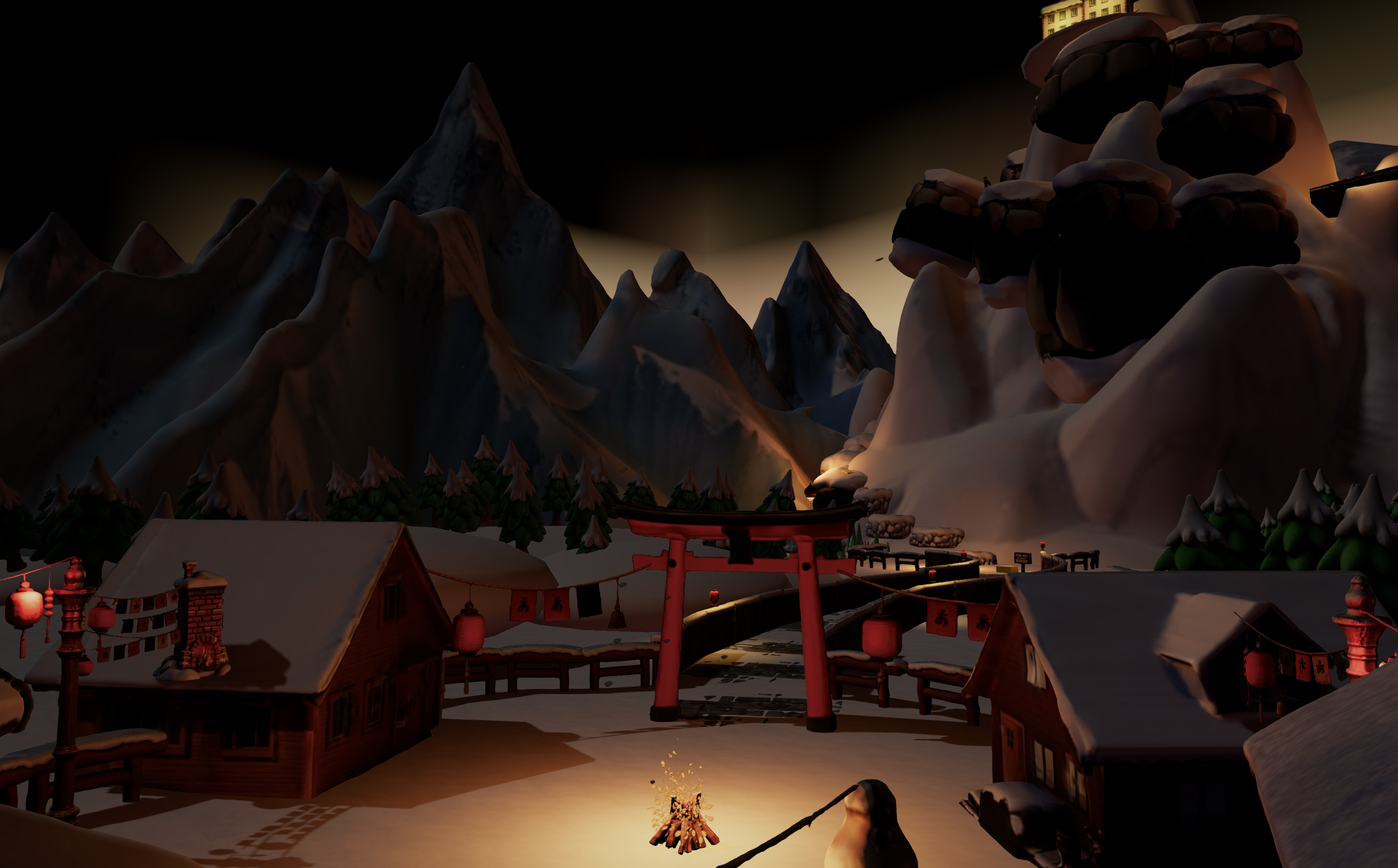
On collaboration specifically, ForgeGUI and Blender both work as solo tools by default. Nilo supports real-time multiplayer creation, so you share a URL and start building together on desktop or mobile. For small teams, this removes the overhead of passing files back and forth.
How To Test 3D Tools Against Your Own Roblox Goals
You get the clearest picture when you test each tool against your real workflow instead of a generic benchmark. Here is a simple sequence you can follow.
Start by generating one asset you actually need and check the triangle count before any cleanup. This shows whether the tool’s raw output fits Roblox’s limits or needs heavy decimation.
Next, import that asset into Roblox Studio and note what breaks, including colors, materials, scale, and collision. These failures reveal where the export format does not match Roblox’s importer.
Then time the full process from prompt to working Roblox import, including all cleanup steps. This gives you the real workflow cost, not just generation speed.
After that, check whether the tool requires a desktop install or runs in the browser. Installation friction affects how quickly you and your friends can start testing.
Finally, see whether a friend can join and build with you without downloading anything. Real-time collaboration removes file-passing overhead for team projects.
Three scenarios show how different goals point you toward different tools.
Scenario 1 — First-time creator with no modeling experience. If you have never touched Blender and want something in Roblox this week, the Blender learning curve becomes a real blocker. For beginners with zero traditional modeling experience, AI generation usually delivers usable 3D results faster than traditional methods. An AI generator or an integrated browser tool will move you forward faster. The key check is whether the output still needs manual cleanup before Roblox accepts it.
Scenario 2 — Roblox-focused builder who wants clean exports. If you already build in Roblox Studio and feel stuck with messy AI output or long Blender retopology sessions, an integrated tool that handles optimization for you is worth a look. Nilo stands out here because its LOD system aims at Roblox triangle caps without a separate cleanup pass. One builder in Nilo’s February 2026 survey said: “I like how it feels like a good game engine rather than a vibe coding tool, with easy building and a good focus on being able to export and import content.”
Scenario 3 — Small collaborative team building a full Roblox game. If you work with friends and need to iterate quickly across many assets, Blender’s file-passing workflow and ForgeGUI’s solo-generation model both slow you down. Handoffs between separate tools are a primary source of scale errors, flipped normals, and dropped materials. A browser-based platform with real-time multiplayer creation removes that handoff completely.
FAQ
What is retopology and why does it matter for Roblox?
Retopology means rebuilding a 3D model’s surface with new, cleaner geometry while keeping the same shape. AI generators often produce meshes with hundreds of thousands of triangles arranged in irregular patterns, sometimes called “triangle soup.” Roblox’s 3D Importer caps individual meshes at around 21,000 triangles for single import and roughly 10,000 for batch import. If your AI-generated asset lands at 300,000 triangles, you either decimate it automatically, which can distort the shape, or retopologize it manually in a tool like Blender.
Both options take time and focus. Tools that handle retopology automatically before export remove this step from your workflow.
What is the real difference between using ForgeGUI in a browser versus Blender on the desktop?
ForgeGUI generates assets through a browser or app interface using AI prompts. You can start fast without 3D modeling knowledge. Blender is a full desktop application that needs installation, a capable computer, and a serious time investment to learn. For Roblox builders like you, ForgeGUI gets you a mesh in seconds but often forces you into Blender for cleanup before Roblox accepts it.
Blender gives you complete control but expects you to already understand modeling. Browser-based integrated tools like Nilo aim to close this gap by handling generation, optimization, and export in one place without any desktop install.
Can AI-generated assets go directly into Roblox Studio without any cleanup?
This happens rarely without the right pipeline. Most AI generators output meshes that exceed Roblox’s triangle limits, use multiple materials where Roblox expects one per mesh, and miss the correct scale or UV mapping. The cleanup steps, including decimation or retopology, UV reconstruction, material consolidation, and scale correction, usually consume most of your time.
Some integrated platforms, including Nilo, automate these steps with real-time LOD systems and Roblox-focused export settings. This approach reduces or removes the manual cleanup pass.
Do I need to learn Blender to use Nilo?
No. Nilo runs as a standalone, browser-based platform, so you do not need Blender knowledge or installation. You generate assets using text prompts, sketches, or reference images, and Nilo handles retopology and polygon optimization for you. You can export directly to Roblox Studio in FBX, OBJ, or GLB format.
If you already use Blender and enjoy advanced finishing work, Nilo’s exports remain compatible with Blender. You can treat Nilo as the generation and optimization step and Blender as your polishing stage.
Who owns the assets I create in Nilo?
You own the assets you create in Nilo. Any models, skins, or UGC items you build are yours to use, publish, and monetize, including on the Roblox Marketplace or any other platform. Nilo does not lock you in. You export assets in standard formats and take them wherever you want.
Choosing the Right Tool for Your Roblox Goals
ForgeGUI and Blender each solve real problems for Roblox builders. ForgeGUI removes the skill barrier for getting a first mesh quickly. Blender removes the quality ceiling for builders who invest the time to master it. The open gap sits in the middle, where you want fast generation and clean, Roblox-ready topology without a separate cleanup pass.
As discussed earlier, the dominant time cost in shipping an AI-generated game asset remains the downstream pipeline steps rather than generation itself. Whichever tool you choose, that post-generation bottleneck deserves your attention.
If you want to spend your time designing objects instead of fixing polycounts, judge tools by what happens after generation, not just how fast they create a mesh. Check triangle counts on export, test the Roblox import, and see whether you need a second tool to finish the job. Nilo stands out for builders who want the full workflow, from generation through optimization, rigging, and export, handled in one browser tab, with a community of 9,000+ builders on Discord building worlds like yours.
Join Nilo’s open beta and try building and playing for free.