Written by: Nuno Leiria, Founder & CEO @ Nilo
Key Takeaways for You as a Roblox Creator
- You feel a gap between your ideas and the technical complexity of tools like Roblox Studio, Blender, and Unity.
- AI-assisted browser-based 3D tools cut onboarding friction by removing downloads, installs, and high-end hardware needs.
- Specialized tools like ForgeGUI work well for Roblox-style thumbnails, icons, and GUI assets but stop at visuals.
- Full platforms that handle generation, LOD, rigging, animation, and Roblox-ready export in one browser session feel smoother.
- Try Nilo’s open beta if you want an integrated browser-native platform that turns ideas into Roblox-ready assets without switching tools.
Why Tool Friction Kills Your Roblox Projects
Tool friction does more than annoy you, it kills projects. You start with energy, hit a wall trying to retopologize a mesh in Blender, and your excitement drains away. Most aspiring builders or already builders like you do not quit because of weak ideas. You quit because the tools demand technical skills that usually take years to build.
This shows up at every skill level. New creators cannot make custom 3D models without touching Blender. Aspiring builders hit scripting as a hard wall, because Lua rarely clicks in a single afternoon. Experienced builders juggle Meshy, Blender, and Roblox Studio in a long chain that breaks your creative momentum every time you switch tools.
A 2026 analysis of solo developer workflows found that AI tools can reduce total weekly hours when they sit inside your pipeline instead of living as extra steps. That difference matters a lot for you as a Roblox creator.
The shift toward browser-based, AI-native tools is real. A June 2026 Presenc AI report found that 79% of studios use AI in development or operations, and content and asset generation tools keep growing fast. The category matures quickly, and the tools that feel best keep you in flow instead of adding more steps. A new generation of browser-based creation platforms aims to do exactly that.
AI-Assisted Browser 3D Tools and How They Help You
AI-assisted browser-based 3D creation tools form a clear category, separate from desktop engines and standalone AI generators. These tools run fully in your browser, with no downloads, no installation, and no need for a high-performance PC. They combine generation, editing, and export inside one environment.
This setup removes several big barriers for you as a Roblox creator. First, accessibility improves, because you can start building on almost any device, including a school laptop or mobile browser, with very little setup. Second, your creation flow stays intact, since a browser-native tool keeps modeling, animation, and export in one place instead of forcing you through Meshy, Blender, and Roblox Studio.
Third, collaboration becomes easier, because sharing a URL feels simpler than trading files across a group chat. Finally, broader industry trends support this shift. BCG’s Video Gaming Report 2026 describes platform convergence driven by cloud infrastructure, which pushes the industry toward hardware-agnostic, browser and cloud-based tools instead of heavy desktop software.
The trade-off compared with desktop engines like Roblox Studio or Unreal Engine comes down to depth. Large professional teams still get more granular control from traditional pipelines. For aspiring builders and Roblox-focused creators like you, the integrated browser approach removes the barriers that slow you down most.
Start creating in your browser with Nilo, no downloads and no setup, completely free.
What These Tools Actually Do for You
ForgeGUI for Roblox Visuals: Strengths and Limits
ForgeGUI is an AI design platform built for Roblox, UEFN, and Minecraft that generates game icons, thumbnails, GUI sets, and GFX. A 2026 comparison describes ForgeGUI as a strong choice for thumbnails, icons, and GUI for Roblox, because it focuses on Roblox-style visuals. Its main strengths include high-CTR thumbnails, fast generation, and visual assets that match Roblox’s look.
ForgeGUI’s documented features include a GUI and HUD generator, a 3D model creator, a thumbnail and icon maker, and an in-Studio coding assistant. If you need polished marketing images or UI mockups quickly, it covers that slice of your workflow well.
The gaps appear once you move past visuals. ForgeGUI does not handle scripting or playtesting. Public information about export reliability, real Roblox optimization, and model performance remains limited. When you test ForgeGUI, you should check whether the output respects Roblox’s polygon caps without extra cleanup and whether exports keep textures and materials intact. Public documentation does not fully answer those points yet.
Roblox’s own limits give useful context. Roblox’s 3D Importer caps individual meshes at around 21,000 triangles. Any tool that ignores these constraints during generation hands that cleanup work back to you.
Other AI Creation Tools You Might Try
Bloxsmith combines a web app with a Roblox Studio plugin that work together on UI. You describe a UI in plain English, pick from style presets, and receive Luau code plus matching image assets. You can refine designs in the same session and then inject them into Studio with one click. Bloxsmith uses a pay-as-you-go model at $0.50 per frame for the first generation and focuses specifically on GUI and HUD work.
Sloyd focuses on 3D asset generation with clean topology and aims at beginners and hobbyists. It concentrates on model creation and does not cover game building, rigging, animation, or publishing.
Meshy generates 3D models with a Roblox Bridge for direct transfer to Creator Hub. The suggested workflow is Generate, then Remesh, then Texture, which helps keep models under Roblox’s 20 MB upload limit. In practice, generation-first tools like Meshy often require a long Roblox handoff that includes queueing, remeshing, texturing, paid export, downloading, importing, and manual collision fixes after import.
AI Coding Help for Roblox: What You Should Expect
AI coding assistants that turn natural language into Lua or Luau scripts now appear in many Roblox workflows. You should understand their limits before you rely on them.
Direct prompting of generic AI models for Roblox code often produces hallucinated Instance APIs. Roblox Developer Forum members report that AI coding tools frequently generate unoptimized code with memory leaks and other issues that still need a developer to fix. SlashData’s survey of game developers also highlights concerns about how AI fits into real projects.
These points do not make AI coding useless. They show that implementation matters. Tools built specifically for Roblox APIs and constraints usually perform better than generic language models pasted into a Roblox workflow.
Where Nilo Fits in Your Roblox Workflow
Nilo stands out in this category by covering your full workflow instead of a single step. It runs in the browser and handles 3D asset generation, one-click rigging, AI animation from text descriptions, natural language coding, and Roblox-optimized export without leaving that environment.
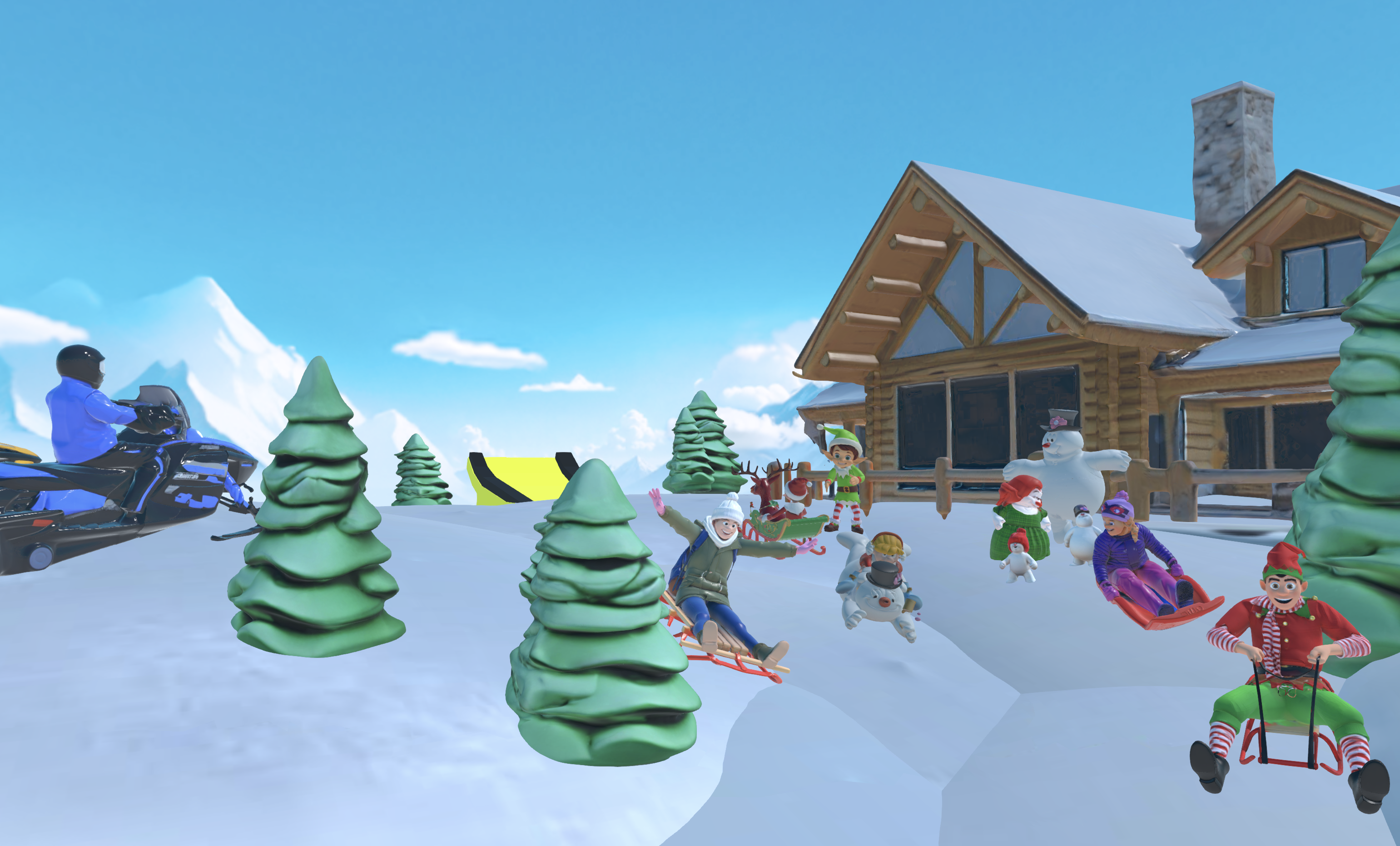
The most important difference for Roblox builders is the LOD system. It automatically adjusts polygon counts to match Roblox’s triangle limits, so you skip manual retopology and avoid opening Blender. One builder in a February 2026 Nilo survey said, “I do not have to spend hours on 3D modeling the simplest things. Now I can use Nilo and do it in 15 seconds.”
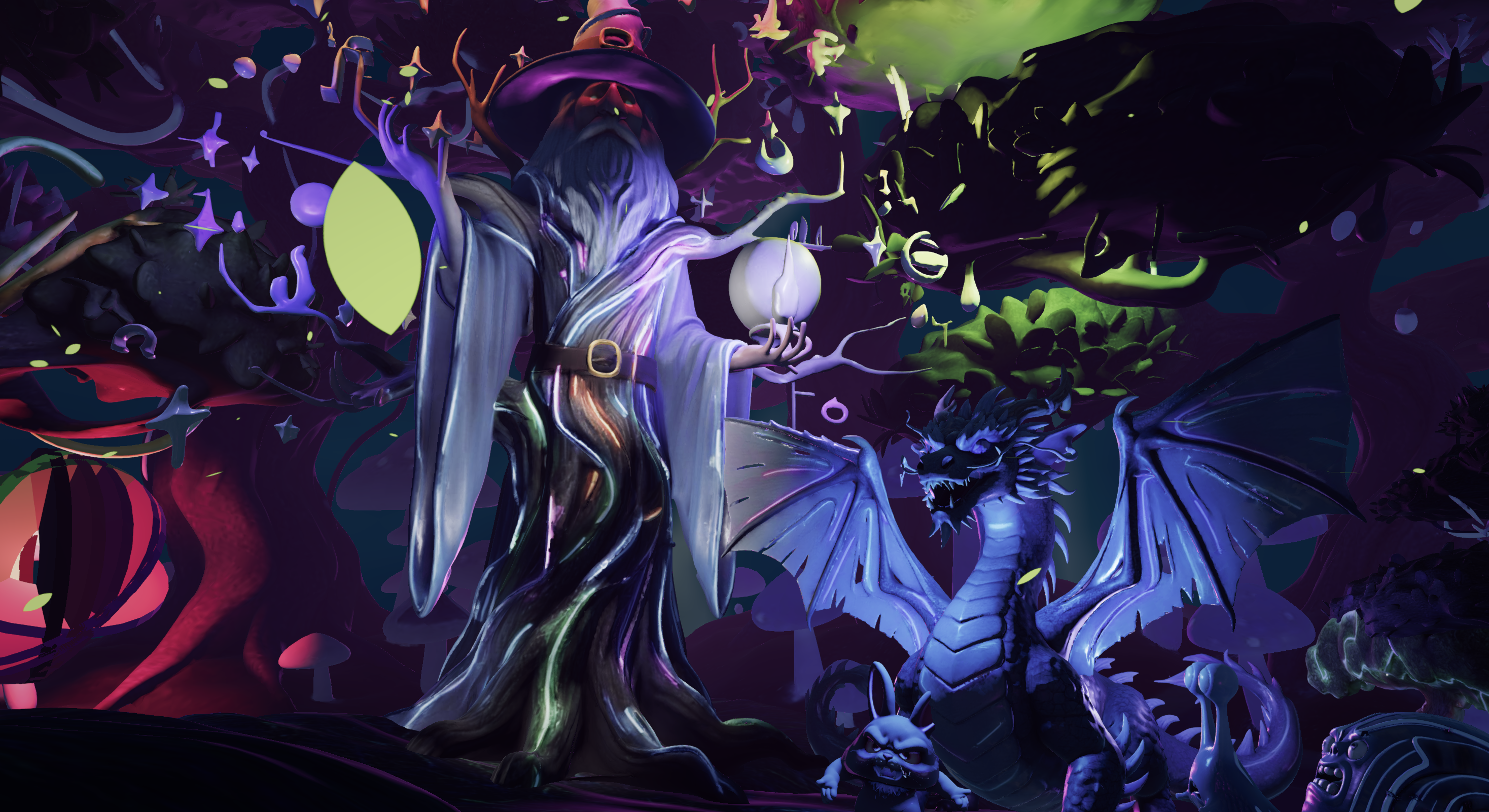
Nilo’s model-agnostic AI layer connects to several providers, including Meshy, Tripo, Nano Banana, Cartwheel, and Uthana, behind one interface. You get strong results without jumping between tools. Exports support FBX, OBJ, STL, and glTF, which work with Roblox Studio, Unity, Blender, and Unreal Engine.
| Capability | ForgeGUI | Bloxsmith | Nilo |
|---|---|---|---|
| GUI / HUD generation | Yes | Yes | No |
| 3D asset generation | Yes | No | Yes |
| One-click rigging | No | No | Yes |
| AI animation | Yes | No | Yes |
| Roblox LOD optimization | Not documented | No | Yes |
| Browser-native | Not confirmed | Web app + Studio plugin | Yes |
| Real-time collaboration | No | No | Yes |
| Export to Roblox Studio | Not documented | Via Studio plugin | Yes |
ForgeGUI capabilities sourced from ropilot.ai’s 2026 comparison and toolfolio.com. Bloxsmith capabilities sourced from bloxsmith.net and the Roblox Developer Forum. Nilo capabilities sourced from Nilo’s open beta launch and nilo.io.
Try Nilo’s automatic LOD handling and multi-format export for free in the open beta.
How You Can Compare AI Creation Tools
When you compare ForgeGUI, Bloxsmith, Nilo, or any other AI-assisted creation tool, you should weigh them against how you actually build.
- Onboarding friction: Check whether the tool forces installation, long account setup, or payment before testing. Browser-native tools with free tiers let you see if they fit your style first.
- Output quality consistency: AI assets vary a lot. Look for tools that let you refine, regenerate, and adjust instead of locking you into a single-shot result.
- Export compatibility: Confirm that exports match Roblox’s documented constraints, including triangle caps and texture rules mentioned earlier. Ask whether the tool handles this automatically or leaves it to you.
- Performance across devices: If you build for Roblox’s mobile audience, your assets must run well on weaker hardware. Built-in LOD systems help you avoid performance surprises.
- Collaboration needs: Solo creators and teams need different features. Real-time multiplayer creation through a shared URL matters if you build with friends.
- Learning value: Helpful tools teach you concepts like rigging, polygons, and mesh topology through the interface. That knowledge carries over to other engines.
Broader AI game tool criteria in 2026 also include export ownership, asset licensing clarity, and avoiding hidden vendor lock-in that blocks local building or free export.
Real Builder Scenarios and Which Tool Fits You
First-time creator: You want a custom avatar or prop for your Roblox game and have never opened Blender. A tool like Nilo lets you type a description, generate a 3D model, handle Roblox-friendly optimization, and export it without modeling skills. ForgeGUI helps with thumbnails and icons here but does not cover 3D asset creation with documented Roblox optimization.
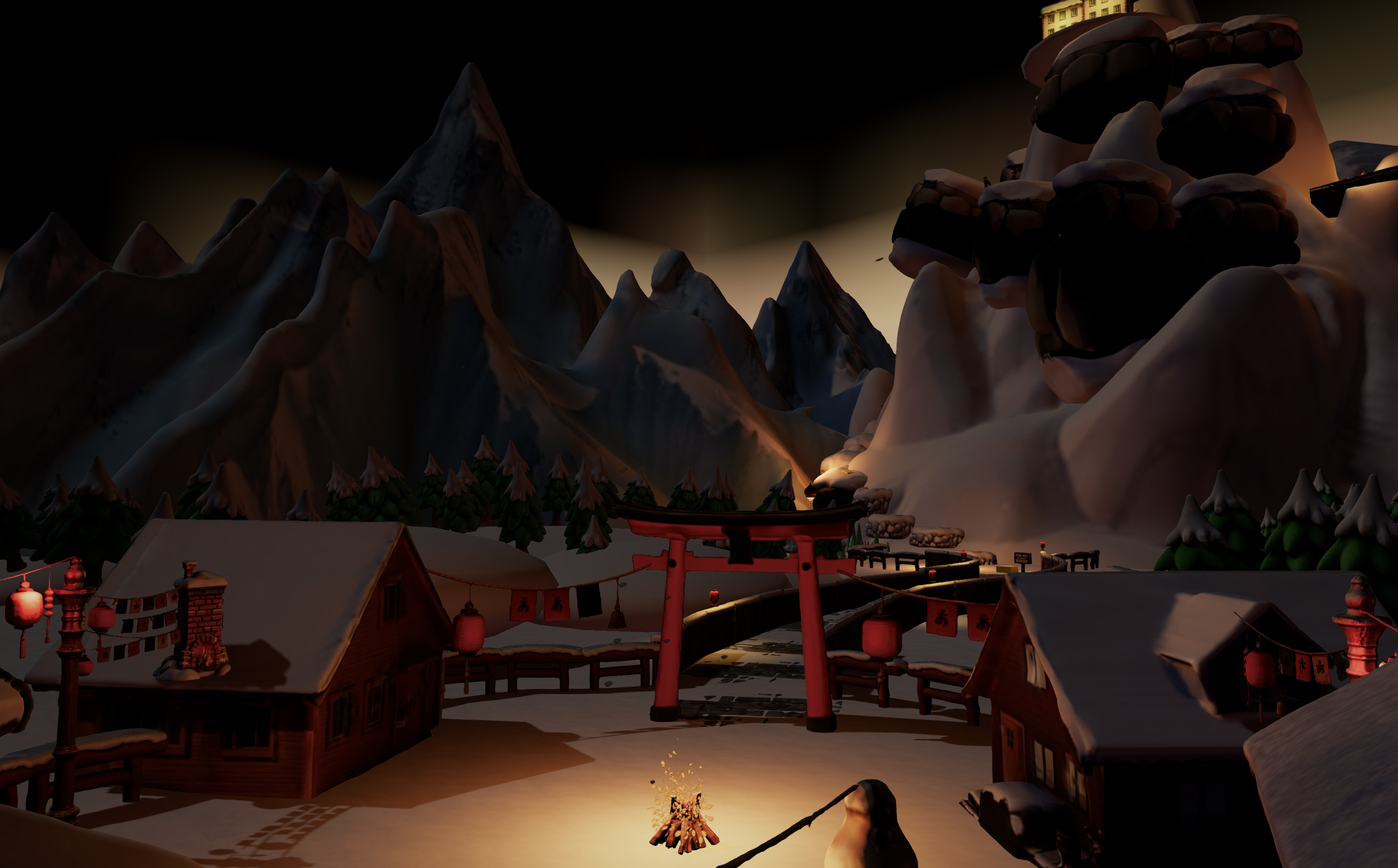
Roblox-focused developer: You are building a tycoon game and need a consistent pack of buildings, props, and vehicles in one style. Nilo’s asset pack features let you create a cohesive set from a single reference image, while the LOD system keeps assets within Roblox performance limits. Meshy offers similar generation but still expects you to run through the remesh, texture, export, and import chain.
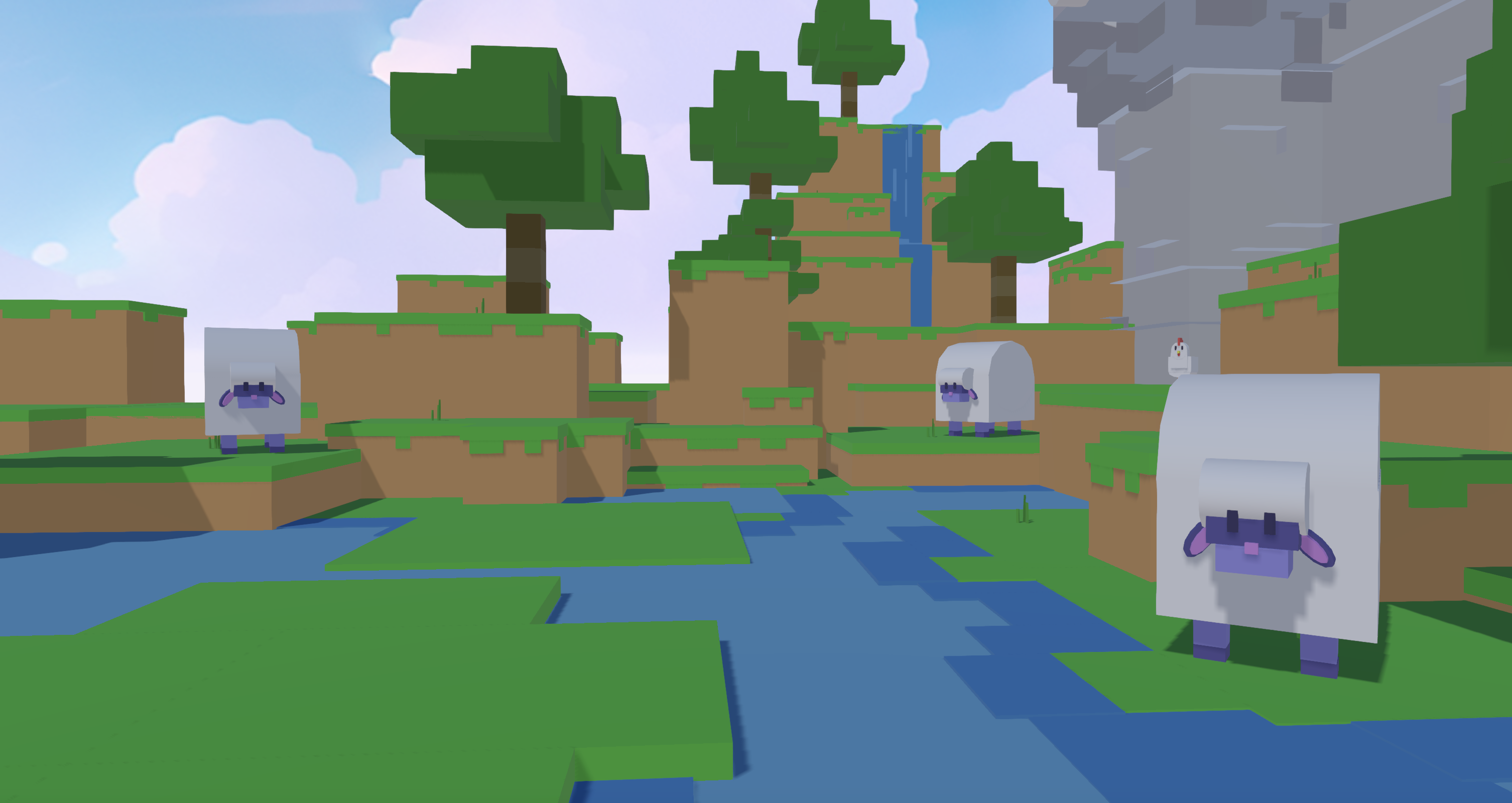
Team building together: You and a couple of friends want to build a roleplay world at the same time. Nilo’s real-time multiplayer creation lets you share a URL and build together on desktop or mobile. The other tools in this comparison do not currently offer real-time collaborative world building.
Rapid prototyper: You have a game idea and want to test the core loop quickly. Nilo’s browser-native setup lets you generate assets, add physics, test interactions, and iterate in one place. One builder in the February 2026 survey said, “I like how it feels like a good game engine rather than a vibe coding tool, with easy building and a good focus on being able to export and import content.”
Frequently Asked Questions
Is ForgeGUI legit?
ForgeGUI is a real tool with documented features for Roblox-style visual asset generation, including thumbnails, icons, GUI sets, and GFX. It focuses on Roblox and UEFN aesthetics. The more practical questions involve export reliability and Roblox optimization, especially whether outputs meet Roblox’s polygon and texture constraints without extra cleanup. Independent analysis of those details remains limited, so you should test ForgeGUI exports against Roblox Studio’s import requirements before you rely on it for production.
What is the difference between a GUI generator and a full 3D creation platform?
A GUI generator like ForgeGUI or Bloxsmith produces screen-space elements such as health bars, inventory panels, menus, and HUDs that sit on top of your game. A full 3D creation platform handles the world itself, including characters, props, environments, physics, scripting, and publishing. These tool types complement each other. If you mainly need polished UI assets, a GUI generator works well. If you need to build the world that UI sits on, you need a broader platform. Nilo focuses on 3D asset creation, optimization, and export, while GUI tools cover the interface layer.
Do you need to know how to code to use these tools?
For GUI generators like Bloxsmith, you receive Luau code that you inject into Roblox Studio. You do not write that code, but you still need to know where to place it and how to wire events. For 3D asset tools like Nilo, you can generate, optimize, rig, and export assets without coding knowledge. Nilo’s natural language code editor lets you add game logic by talking, texting, or sending images to the AI instead of writing Lua. Basic understanding of polygons, rigging, and mesh topology still helps you get better results, and Nilo’s interface aims to teach those ideas as you build.
What are Roblox’s limits for imported 3D assets?
Roblox Studio’s 3D Importer accepts FBX, OBJ, and glTF formats, with triangle caps and texture constraints described earlier. Any AI tool that ignores these rules during generation or export forces you to fix assets manually, usually in Blender.
Can you use Nilo just for asset creation and still publish on Roblox?
Yes. Nilo works as a standalone asset creation pipeline that feeds straight into Roblox Studio. You generate, adjust, rig, and animate in Nilo, then export as FBX, OBJ, STL, or glTF and import into Studio. Nilo handles the polygon optimization described earlier automatically, so exports arrive Roblox-ready without extra cleanup. You keep ownership of the models, skins, or UGC items you create and can publish and monetize them on the Roblox Marketplace. You can treat Nilo purely as an asset tool or as a full creation environment.
Conclusion: Picking the Right AI Helper for Your Roblox Ideas
The gap between what you imagine and what you can actually build still defines Roblox creation in 2026. ForgeGUI covers a real slice of that gap by handling visual assets, GUI generation, and thumbnails with Roblox-focused aesthetics. It does not close the 3D asset, optimization, rigging, animation, scripting, and collaboration gaps.
Your ideal tool depends on what you want to ship. If you mainly need high-CTR thumbnails and polished UI mockups, ForgeGUI and Bloxsmith deserve a look. If your main bottleneck is the full asset-to-Roblox workflow, including 3D models that pass Roblox performance checks without hours in Blender, Nilo stands out as an integrated browser-native option that tackles those constraints directly.
In a February 2026 Nilo survey, 93% of builders said they would recommend Nilo to a friend, and 82% rated their experience as “Awesome” or “Good.” The platform is backed by Supercell and currently runs as a free open beta with no installation required.
See why so many builders recommend Nilo and join the open beta for free.