Written by: Nuno Leiria, Founder & CEO @ Nilo
Key Takeaways
- Traditional 3D tools like Roblox Studio, Unity, and Blender expect installs, scripting, and months of learning, which slows you down as an aspiring builder.
- AI-generated 3D assets often need heavy cleanup in Blender before they work in games, which creates frustration and makes many builders quit.
- Browser-based AI-assisted tools remove installs and let you describe assets and game logic in plain language instead of writing code.
- Nilo stands out with real C++ physics, automatic LOD for Roblox export, real-time collaboration, and editable generated code so you can learn while you build.
- If you feel ready to move beyond simple prompt-only games, you can join Nilo’s open beta and start building and playing for free.
The Problem: Turning Your Game Ideas Into Playable 3D Worlds Still Feels Hard
You already think in 3D if you play Roblox or Minecraft. You understand how worlds are built, how spaces feel, and what makes a game fun. The moment you try to build your own world, you often hit a wall.
Roblox Studio, Unity, and Blender were designed for professional developers. They expect installation, scripting skills, and months of learning before you can ship anything interactive. Building a massively multiplayer online game without code feels nearly impossible, and many prompt-based tools work better for quick prototypes than for full 3D experiences.
Prompt-only AI tools create a different kind of friction. AI-generated meshes from tools like Meshy and Tripo often contain dense, chaotic geometry that needs manual cleanup in Blender before you can use the asset in a game engine. You generate something, it looks off, and you cannot tweak a single detail. You regenerate from scratch and repeat the cycle.
Many builders burn out, drop projects, and repeat this pattern of failed attempts for years.
Why This Problem Kills Momentum, Learning, and Finished Projects
This pattern of abandonment is not just annoying. It shapes how you learn and what you actually finish. Creative momentum is fragile.
When you spend five hours modeling a shipping container in Blender and it still looks wrong, you lose more than time. You lose the energy to keep going. As one builder put it in Nilo’s February 2026 Survey of beta builders: “Picture yourself, frustrated because you spent the last 5 hours 3D modeling a shipping container. All I have to do is open Nilo and do it in 20 seconds.”
This affects how quickly you improve. Traditional modeling can make you afraid to revise designs after a big time investment, while AI lets you iterate with near-instant feedback. Fast iteration speeds up learning. Slow iteration makes you quit.
Working alone hurts too. Game creation today usually feels solitary. You cannot invite a friend to build with you in Roblox Studio the same way you invite them to play. That isolation makes building feel like homework instead of play.
AI-Assisted Browser-Based 3D Creation: The New Tool Category
A new group of tools now sits between pro desktop engines and prompt-only generators. These AI-assisted browser-based 3D platforms run in your browser, skip installation, and use AI to handle technical 3D work so you can focus on building.
The category shares a few traits: no download, AI-powered asset generation, and some kind of interactive 3D environment. These shared features now feel like the baseline. Where tools in this category actually differ is in depth, such as how much real game logic they support, how reliable their exports feel, and whether the experience feels like building or just prompting.
This shift matters for access. Roblox Studio runs only as a desktop app for Windows and Mac, with no official browser version, which blocks builders on Chromebooks, school machines, or Linux. Browser-based tools remove that wall completely.
3D Asset Generation and Cleanup-Free Refinement
The basic promise of AI-assisted tools sounds simple. You describe what you want and receive a 3D model. In reality, quality varies a lot between platforms.
AI-generated UV mapping, which unwraps a 3D surface for textures, often creates fragmented islands that cause texture bleeding and waste texture memory in real-time engines. Raw AI models often fail in animation or real-time rendering until you clean them up.
Automated retopology tools can rebuild messy meshes into cleaner shapes and give you a strong starting point. Many teams still run manual refinement in Blender or Maya for joints and other critical areas.
Nilo stands out by hiding the complexity of multiple AI model providers, including Meshy, Tripo, Nano Banana, Cartwheel, and Uthana, behind one interface. A built-in LOD system automatically adjusts polygon counts to match Roblox’s 10K–20K triangle caps. According to Nilo’s February 2026 Survey, builders reported generating assets about 20 times faster than with traditional tools.
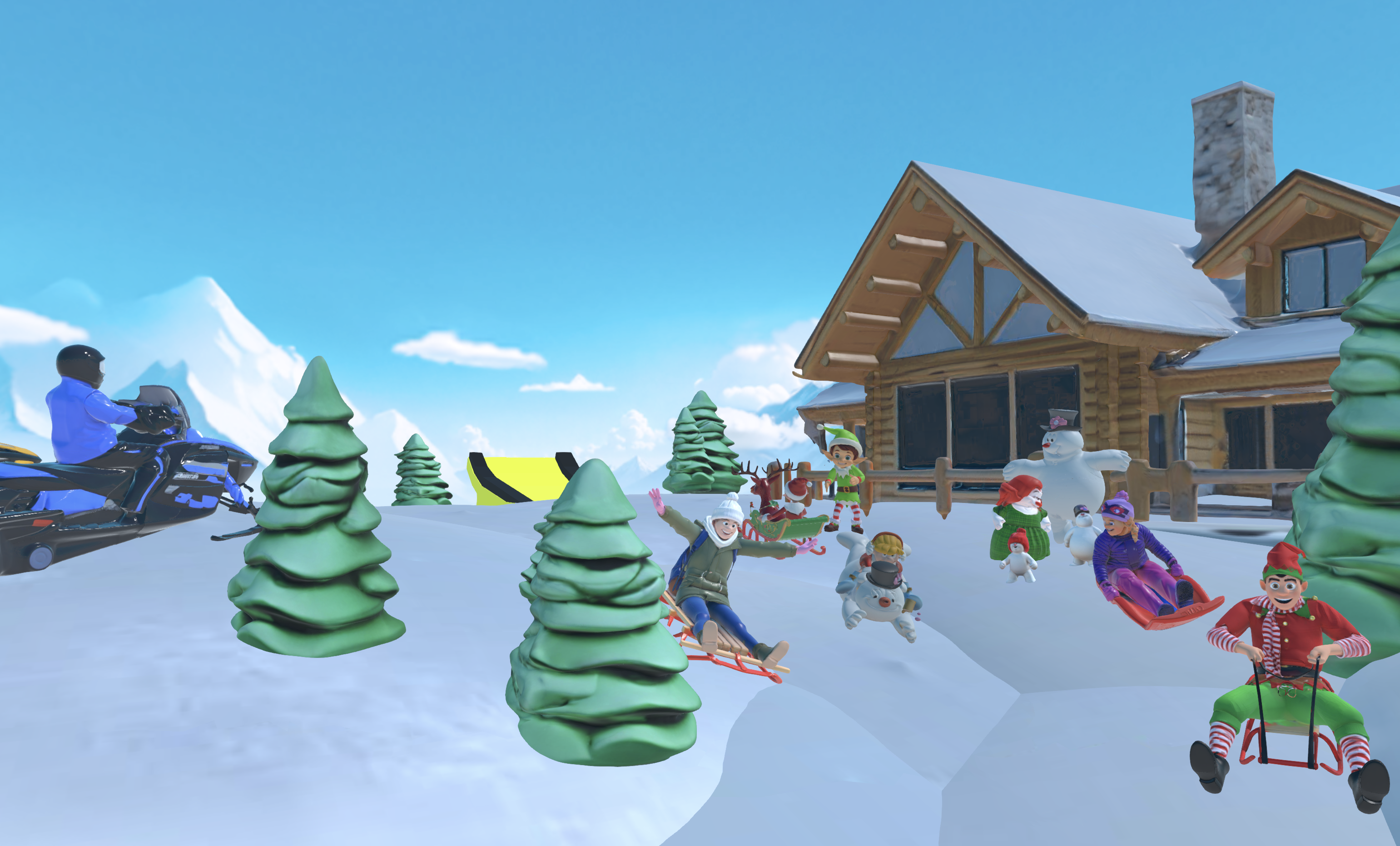
Natural-Language Logic Creation With Vibe Coding
Scripting blocks many aspiring builders from reaching playable games. You might have strong ideas but no Lua or JavaScript experience. The usual advice to find a scripter or spend months learning to code often kills your project before it starts.
Vibe coding offers a different path. You describe what you want in plain language by typing, talking, or sending an image to the AI. The tool then generates working game logic in real time, and you see the result directly in your 3D world.
Analyses of interactive game world models show that many prompt-based systems look interactive while struggling with real game logic and state persistence. Some vibe coding tools output code that appears correct but breaks once game conditions stack up. The strength of the underlying engine matters a lot.
Nilo’s built-in code editor accepts natural language prompts in any language and returns working code with instant feedback. You can inspect and edit real variables, such as changing “speed = 2” to “speed = 20,” and learn programming concepts while you build. One builder said in Nilo’s February 2026 Survey: “You made me enjoy vibe-coding. The code assistance works almost flawlessly, other experiences have just been frustrating at best.”
Building Worlds, Optimizing for Roblox, and Creating Together
World Building and Scene Assembly
World building means more than dropping objects into a scene. You need physics that behave correctly, lighting you can tune, and an environment that feels alive. Many prompt-only tools generate a static scene from a description and then block you from deeper control. You cannot walk around inside, tweak a single prop, or invite a friend to help.
Nilo uses a radial menu for quick object creation and an inspector panel for detailed property edits. Physics simulation runs in real time, so everything starts interactive and dynamic without extra wiring. As one builder shared in Nilo’s February 2026 Survey: “It helps me physically visualize any images I may have drawn and helps make my ideas actually come to life.”

Optimization for Smooth Roblox Performance
Optimization, which means reducing polygon counts and texture sizes so games run smoothly, often feels like one of the most stressful Roblox tasks. A single uncompressed 4096×4096 RGBA texture can eat 64 MB of VRAM, and AI models often ship with dense geometry and poor topology that work for still renders but fail for real-time deformation.
Nilo’s real-time LOD system handles this for you. It adjusts polygon counts on the fly so your exports meet Roblox performance requirements without manual cleanup.
Collaboration and Export to Real Engines
Real-time multiplayer creation, where you build with friends just by sharing a link, still feels rare in this space. Most tools keep you in a single-player editor. Nilo supports real-time collaborative building across desktop and mobile, and you can share worlds with a simple link.
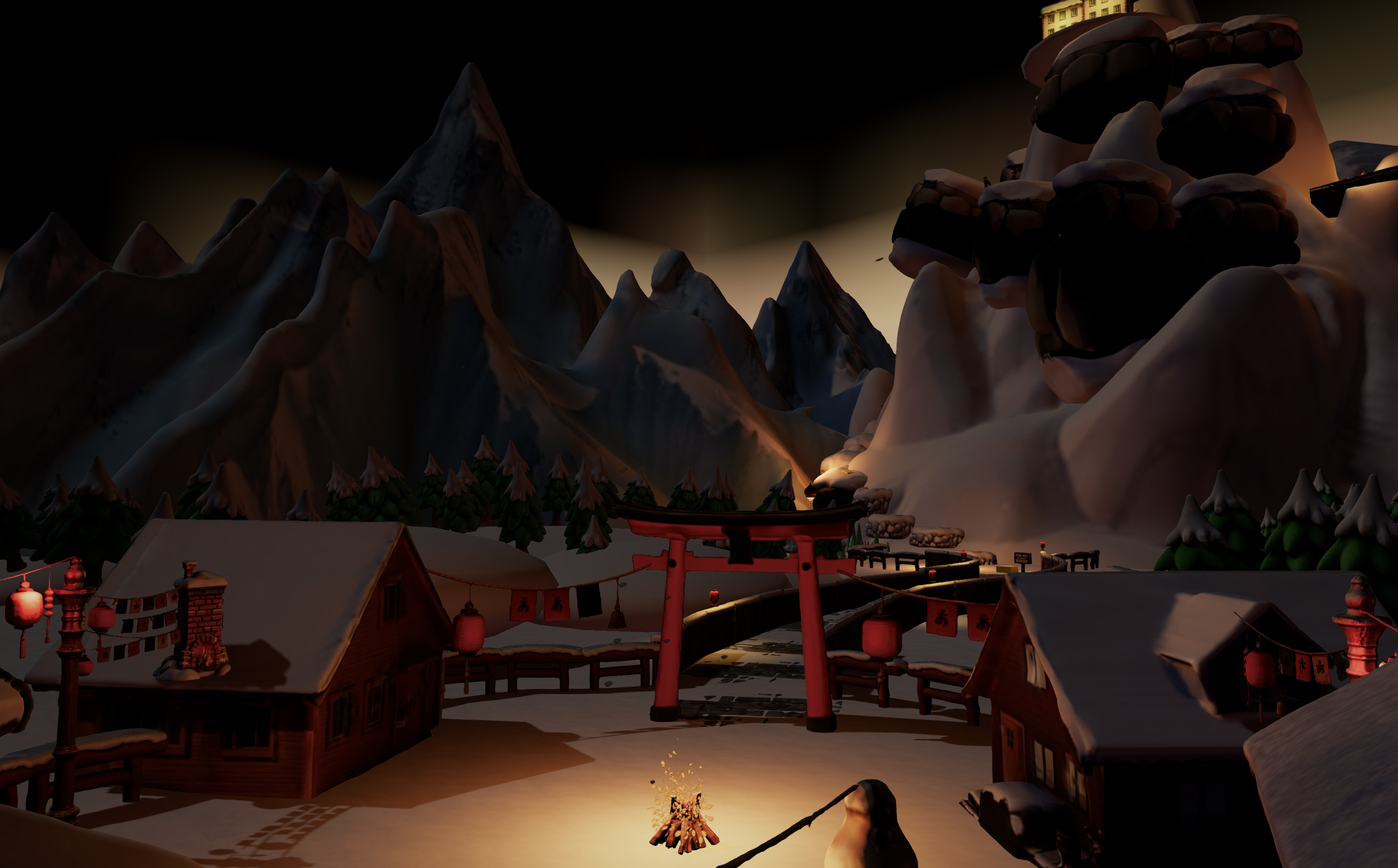
On export, Nilo outputs standard 3D formats such as FBX, OBJ, STL, and glTF that work with Roblox, Unity, Unreal Engine, Blender, and VRChat. Roblox Studio remains the official and only way to ship games to Roblox, so export quality and format support directly affect how useful your assets feel later.
Side-by-Side Comparison: Rosebud AI, Nilo, and Other Options
| Tool | What You Need To Start | 3D Depth | Export Options | Collaboration |
|---|---|---|---|---|
| Nilo | Browser-based, no install, open beta free to join | Custom game engine with C++ physics, WebAssembly, WebGPU, real-time LOD, rigging, animation, and vibe coding | FBX, OBJ, STL, glTF, Roblox-optimized with automatic polygon caps, compatible with Unity, Unreal Engine, Blender, VRChat | Real-time multiplayer creation via shared link on desktop and mobile |
| Rosebud AI | Browser-based, start from a text prompt | Vibe coding and AI code generation, limited real 3D engine depth | One-click Windows .exe downloads added in June 2026, with desktop exports available only on paid plans after a browser-first focus | Primarily solo creation |
| PlayCanvas | Browser-based, JavaScript knowledge recommended | Full browser 3D editor with WebGL output, scripting required | WebGL output and standard web export | Live collaboration supported |
| GDevelop (web editor) | Browser-based, free and open source, event-based no-code | Basic 3D features in 5.6 releases, mainly focused on 2D | Exports owned HTML5, desktop, and mobile builds | Limited real-time co-creation |
How You Should Evaluate AI 3D Creation Tools
When you compare AI-assisted browser-based 3D tools, you can use a simple set of criteria that work together as a checklist.
- Onboarding speed: You should be able to start creating in under five minutes without installs or payment details.
- 3D engine depth: The tool should support real physics and game logic, not just static scenes from prompts.
- Export quality: Exports should work in Roblox Studio, Unity, or Blender without hours of cleanup. Check polygon counts, texture formats, and rigs.
- Built-in optimization: The platform should handle LOD and polygon reduction for you instead of forcing manual tweaks.
- Collaboration: You should be able to build with friends in real time instead of working alone.
- Learning value: The interface should teach real concepts like rigging, mesh topology, and physics instead of hiding everything behind a black box.
Practical Scenarios: How Different Builders Choose
Scenario 1: You build for Roblox and feel tired of Blender cleanup. You use Meshy to generate props for your Roblox game, but every asset needs 20–30 minutes of retopology in Blender before it passes Roblox checks. Technical artists often spend 15 to 30 minutes per AI-generated model on manual cleanup before using it in commercial games. Nilo’s built-in LOD system and Roblox-optimized export handle this for you, so you can skip the Blender detour.
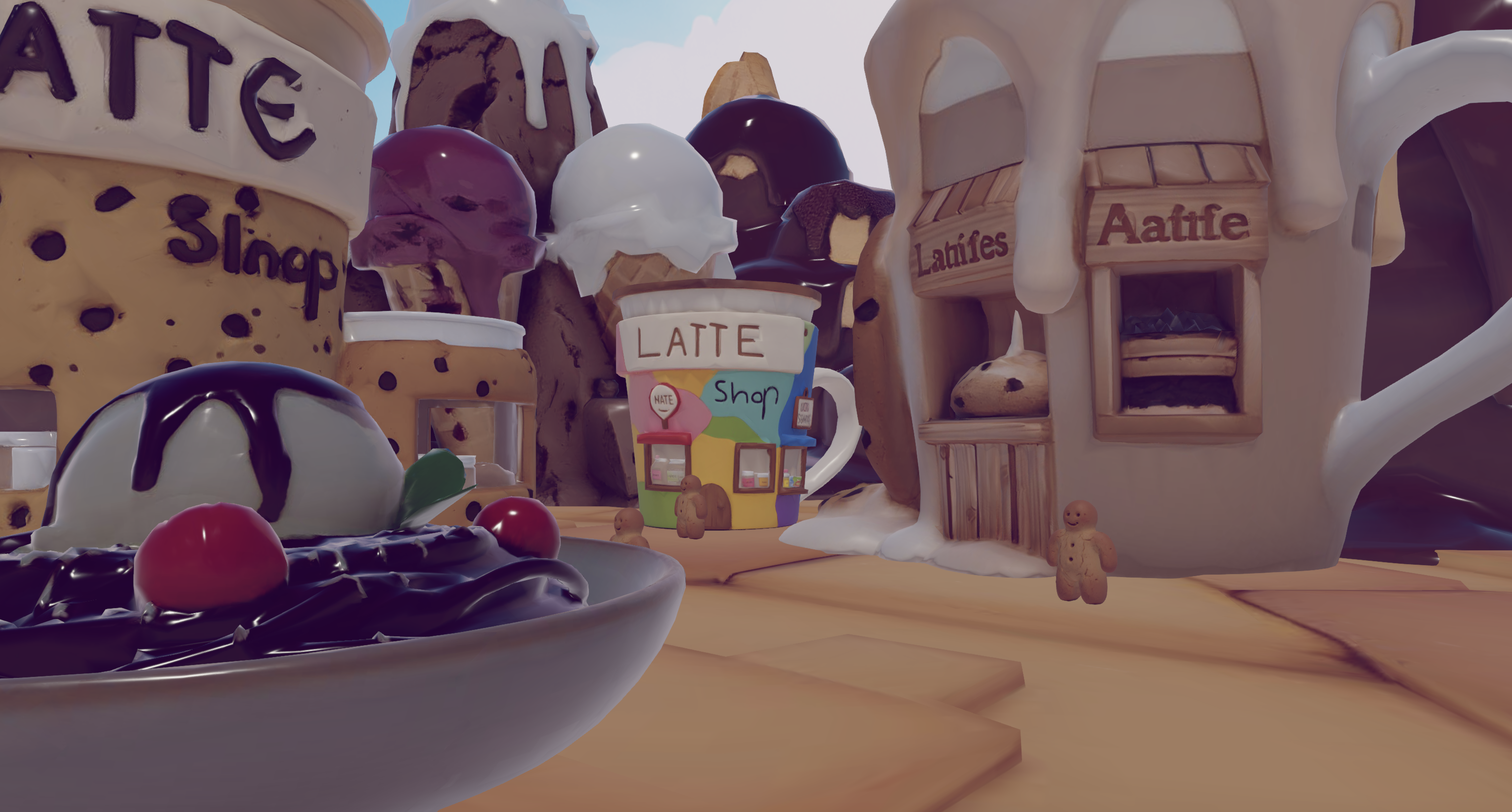
Scenario 2: You have ideas but cannot script yet. You have a strong obby concept, but Roblox Studio scripting stops you every time. Rosebud AI can generate a simple browser game from a prompt, which feels like a friendly starting point. When you want more depth, such as real physics, custom assets, and Roblox export, Nilo’s vibe coding editor lets you describe logic in plain language and see it run in real time without writing Lua.
Scenario 3: You want to build with friends after school. You and two friends want to create a world together. Most tools keep you in a solo editor. Nilo supports real-time multiplayer creation, so you share a link and start building together on desktop or mobile. In Nilo’s February 2026 Survey, 93% of builders said they would recommend Nilo to a friend.
Is Rosebud AI Good for Getting Started?
Rosebud AI is a browser-based vibe coding tool that lets you generate playable games from text prompts. It feels genuinely accessible when you want to see a game appear quickly. Rosebud AI can generate a playable browser game from a single text prompt in minutes, which keeps friction low.
The limits show up as your ideas grow. Until the June 2026 addition of one-click Windows .exe downloads, most Rosebud AI games stayed browser-only with no desktop or Steam export, and those exports still sit behind paid plans. The platform also lacks a deep game engine, strong 3D asset tools, and real-time collaboration.
If you want to try it, you can follow a simple flow:
- Go to Rosebud AI’s website and create a free account.
- Type a plain-English description of your game, such as “a top-down survival game where you collect resources and avoid enemies.”
- Wait a few minutes while Rosebud AI generates a playable browser game from your prompt.
- Use the editor to adjust code, assets, or settings, keeping in mind that many changes require re-prompting instead of direct parameter tweaks.
- Share your game with a browser link and check current export options if you want to publish elsewhere.
Why Many Builders Switch From Rosebud AI to Nilo
Many builders start with Rosebud AI for quick wins and then move to Nilo when they want more control. Nilo behaves like a game engine first. It runs C++ physics compiled to the browser with WebAssembly and uses WebGPU for graphics, which gives you real physics, real game logic, and exports that work in other engines while still running in a tab.
The vibe coding editor handles scripting in plain language. The LOD system manages optimization. The Roblox exporter outputs clean assets that respect Roblox polygon caps. You can also build with friends in real time by sharing a link, which Rosebud AI does not currently support.
Rosebud AI’s Limits for Complex 3D Projects
The five-step process above covers Rosebud AI’s core workflow. The key idea is that Rosebud AI behaves as a prompt-driven tool. You describe what you want and the AI generates it. This works well for simple browser games.
For 3D worlds with custom assets, Roblox export, and collaborative building, this workflow reaches its limits quickly. A May 2026 arXiv paper highlights action-conditioned controllability and long-horizon state consistency as major open problems in interactive world modeling. Prompt-only tools struggle with these challenges when you try to build complex experiences.
Can You Sell Games Made With Rosebud AI?
As mentioned earlier, Rosebud AI’s export options remain limited and tied to paid plans. Before you invest serious time into any platform, you should read its current terms of service for ownership and export rights.
Nilo takes a different stance. Any models, skins, or assets you create in Nilo belong to you. You can use, publish, and monetize them on the Roblox Marketplace or anywhere else that accepts the formats.
Frequently Asked Questions
What is an AI-assisted browser-based 3D creation tool?
This kind of platform runs entirely in your browser with no download or installation. It uses AI to help you generate 3D assets, write game logic, and build interactive worlds. You describe what you want in plain language and the AI handles the technical work. Strong tools in this category also include a real game engine so your worlds have working physics and logic instead of just pretty visuals.
Do you need to know how to code to use these tools?
You do not need coding experience. Tools like Nilo use vibe coding, where you type, talk, or send an image describing what you want your game to do, and the AI generates working code in real time. You can still see and edit real variables, which helps you learn programming concepts while you build.
What is the difference between browser-based tools and desktop engines like Roblox Studio?
Desktop engines such as Roblox Studio expect installation, specific hardware, and scripting knowledge. Browser-based tools run in a tab on almost any device, including many school machines, with no setup. Desktop engines still offer deeper pro toolsets, while browser-based tools focus on access and fast iteration.
What are the real limits of AI-generated 3D assets?
AI-generated 3D models work well for props, background pieces, rapid prototypes, and style tests. They feel less reliable for hero characters, rig-ready meshes, or assets that must survive animation and strict engine imports without cleanup. Platforms that include automatic retopology and LOD optimization, such as Nilo, narrow this gap a lot for Roblox-focused workflows.
Can you export what you make to Roblox or other platforms?
Export support depends on the tool. Rosebud AI keeps many games platform-locked and offers limited export. Nilo exports to FBX, OBJ, STL, and glTF with automatic optimization for Roblox polygon caps and works with Unity, Unreal Engine, Blender, and VRChat. Assets you create in Nilo remain yours to use and monetize.
Next Steps for Aspiring Builders Like You
The gap between playing 3D games and making them keeps shrinking. AI-assisted browser tools remove big blockers such as installs, scripting walls, and endless Blender cleanup. The real decision now is which tool fits the kind of worlds you want to build.
If you want a quick browser game from a single prompt, Rosebud AI offers a simple starting point. If you want real 3D worlds with working physics, custom assets, Roblox export, and friends building beside you, Nilo stands out as a strong fit for that workflow. In Nilo’s February 2026 Survey, 82% of builders rated their experience as “Awesome” or “Good,” and 72% said Nilo makes their creative process easier by “a lot.”
Creation should feel like play. Your ideas deserve tools that keep up with your imagination instead of slowing you down.
Join Nilo’s open beta to start building and playing your own 3D worlds for free.