Written by: Nuno Leiria, Founder & CEO @ Nilo | Last updated: July 12, 2026
Key Takeaways
- Roblox Studio needs a desktop install, scripting skills, and manual asset cleanup, which blocks many creators from starting.
- Browser-based AI tools remove installs, scripting walls, and retopology loops so you can create 3D assets with plain-language prompts.
- Nilo handles polygon limits and retopology automatically so models stay within Roblox’s caps without extra Blender work.
- Vibe coding lets you add game logic by typing instructions instead of writing Lua, and you see results live in your 3D world.
- Ready to skip the grind and start faster? Try Nilo’s open beta and build and play for free.
The Problem: Why Roblox Studio Feels Difficult
You have a game idea, you open Roblox Studio, and friction hits almost immediately.
First comes the install. Roblox Studio runs as a desktop app on Windows and Mac, so Chromebooks, locked school machines, and low-end laptops are shut out. Then the interface hits you: the Explorer tree, Properties panel, parts, terrain, and models all compete for attention before you place a single object.
The biggest wall is scripting. Many self-taught builders stitch games together from free models without understanding any code, so progress feels fake and shallow. To make a door open when a player touches it, you need variables, events, functions, and object references. You face all that before your game does anything fun.
Asset cleanup adds another wall. AI tools like Meshy generate 3D models quickly, but the output often has messy topology that breaks Roblox’s polygon limits. You end up in Blender doing manual retopology, which can take 30 minutes or more per asset. Momentum dies and projects get abandoned.
According to a February 2026 Nilo survey, one builder described it like this: “Picture yourself, frustrated because you spent the last 5 hours 3D modeling a shipping container.”
These friction points do not have to define how you build. Browser-based AI tools remove the install, scripting, and cleanup barriers so you can focus on your ideas.
AI Browser Tools That Remove Roblox Studio Friction
Browser-based, AI-assisted creation tools remove three major blockers: the install, the scripting wall, and the asset cleanup loop. You open a tab instead of downloading software. You describe what you want in plain language instead of writing Lua. You let the tool handle polygon limits instead of retopologizing meshes by hand.
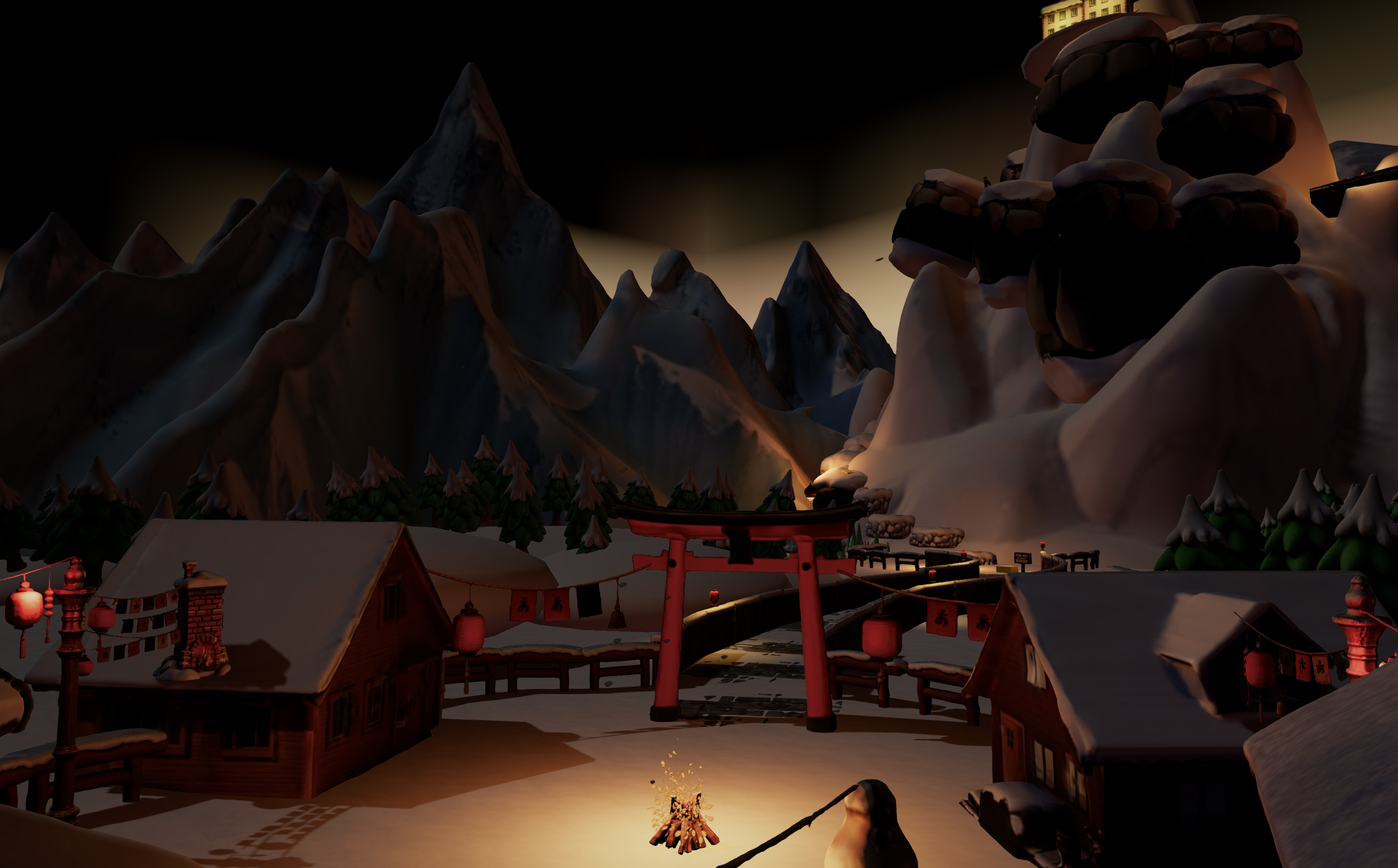
Here is how browser-based tools compare to the traditional desktop approach:
| Feature | Browser-Based Tools | Roblox Studio (Desktop) |
|---|---|---|
| Installation required | No, open a link and start building | Yes, Windows or Mac desktop app |
| Scripting required | No, natural language or no-code logic | Yes, Lua/Luau scripting for interactivity |
| Roblox export readiness | Varies, Nilo exports optimized FBX/GLB directly, others may need manual steps | Native, but assets must be built or imported manually |
| AI asset generation | Built-in text-to-3D and sketch-to-3D in tools like Nilo | Not native, requires third-party tools like Meshy and manual import |
Roblox Studio has no browser version and only runs on Windows and Mac, which blocks you if you use Chromebooks, school machines, Linux, or low-end hardware. Browser-based tools close that gap so you can build from almost any device.
3D Asset Generation and Cleanup-Free Refinement
AI-generated 3D models solve speed but often break quality. Tools like Meshy and Tripo create models quickly, yet many web AI generators output meshes that need retopology before animation or game-engine use. You face extra cleanup before anything works in Roblox.
Nilo stands out by handling retopology for you. Its real-time LOD system adjusts polygon counts on the fly so models stay within Roblox’s polygon limits without manual work. You generate a character or prop from a text prompt, sketch, or reference image, and the result is already game-ready.

Nilo’s model-agnostic AI layer connects to providers like Meshy, Tripo, Cartwheel, Nano Banana, and Uthana behind one interface. You get strong results without switching tools or learning each provider’s quirks. As one survey respondent said, “You can work 20 times faster than you usually work on models.”
When you evaluate any tool in this space, check for automatic retopology, clear polygon controls, and exports that pass Roblox performance checks without extra Blender steps.
Natural-Language Logic Creation with Vibe Coding
Vibe coding means you create game logic by describing what you want in plain language, not by writing code. You talk, type, or send images to an AI, and the AI generates working logic in real time so you see changes instantly in your 3D world.
This approach removes the scripting wall. You skip Lua variables, events, and functions at the start. You type “make this door open when a player touches it” and watch it work.
Here is how vibe coding works in Nilo, step by step:
- Open your world in Nilo’s browser-based editor, with no download.
- Select the object you want to control, such as a door, coin, or platform.
- Open the built-in code editor and type your instruction in plain language, in Spanish, French, English, or another language.
- Watch the change apply in real time inside your 3D world.
- Tweak variables directly, such as changing “speed = 2” to “speed = 20”, so you learn how the logic behaves.
- Export your asset as FBX or GLB and import it into Roblox Studio when you are ready.
One builder summed it up: “You made me enjoy vibe-coding. The code assistance works almost flawlessly, other experiences have just been frustrating at best.”
Collaborative World Building and Performance-Friendly Scenes
Building a full scene means more than dropping in assets. You place objects, tune lighting, manage performance, and often want to build with friends instead of working alone.
Nilo’s world-building tools give you a radial menu for quick object creation, an inspector panel for detailed property edits, and real-time physics so everything feels interactive by default. Collisions and basic animations work without extra wiring. You adjust sky, ground, color, and environment settings without leaving your browser.
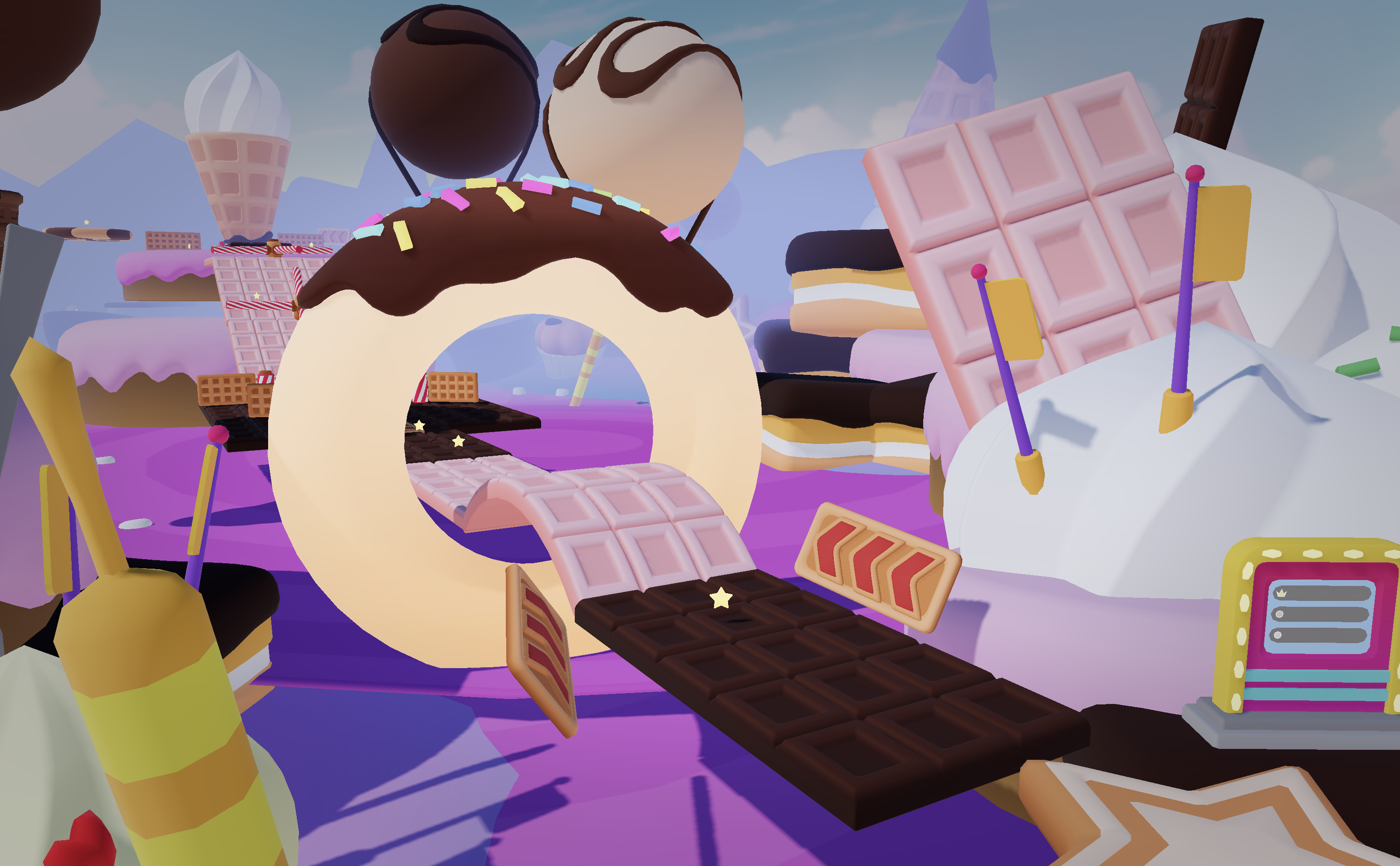
Performance support runs in the background. The LOD system manages polygon counts automatically so you worry less about laggy unions and high part counts. Real-time collaboration in browser-based 3D platforms can boost team productivity compared to slow, file-based workflows. Nilo supports real-time multiplayer creation, so you share a link and build together with friends on desktop or mobile.
Another builder said, “It helps me physically visualize any images I may have drawn and helps make my ideas actually come to life.”
Export and Interoperability for Roblox and Beyond
Export compatibility should sit near the top of your checklist when you look for a Roblox Studio easy alternative. A tool that traps assets inside its own ecosystem will not help if you want to publish on Roblox.
When you compare export options, start with format support. Check whether the tool exports standard formats such as FBX, OBJ, GLB, or glTF that Roblox Studio accepts. Format support alone is not enough, so look at polygon handling next. You want automatic optimization that respects Roblox’s caps, because manual cleanup defeats the point of using AI.
After that, test how rigged and animated models behave on import. Pivot errors or strange deformations can break hours of work. Finally, think about cross-platform flexibility. If you later move to Unity, Unreal Engine, Blender, or VRChat, export options should let you bring your assets with you.
Nilo exports to FBX, OBJ, STL, and glTF, which works with Roblox, Unity, Unreal Engine, Blender, and VRChat. Nilo manages polycount so models work directly in Roblox Studio and other platforms without extra steps. You can treat Nilo as an asset creation pipeline and continue your work anywhere.
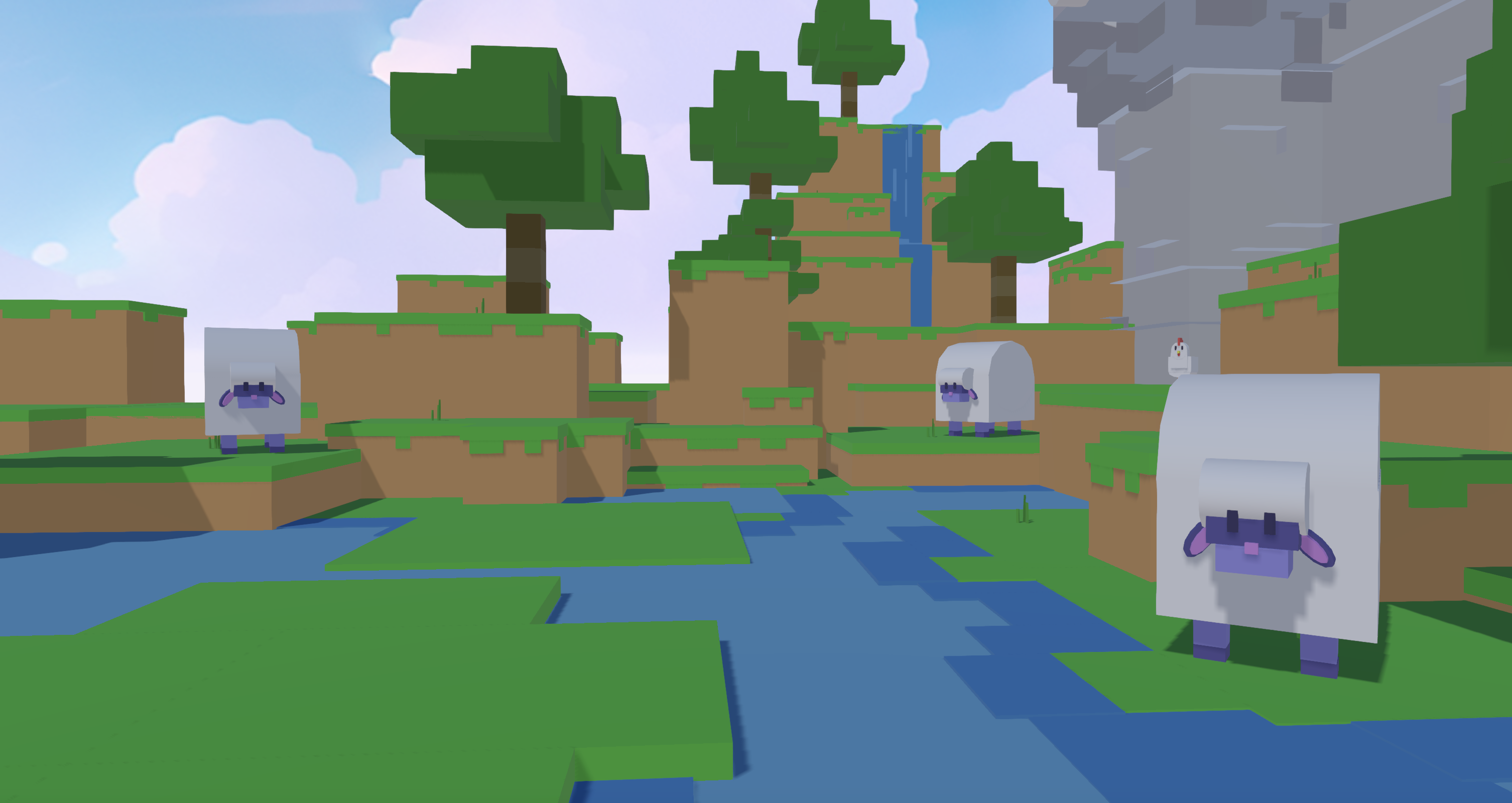
Tools like Rosebud AI generate playable browser games from prompts, but those games mainly live inside that platform with limited or no off-platform export. If Roblox is your target, export flexibility becomes a key factor.
How To Match Tools to Your Roblox Building Style
Different creators need different workflows, so you should match tools to your situation.
- First-time creator with no coding experience: You benefit from zero-install access, natural language logic, and automatic optimization. Nilo fits this path well, since you open a browser, generate an asset, type logic, and export to Roblox.
- Roblox-focused builder tired of the Meshy → Blender → Studio pipeline: You want automatic retopology, Roblox-friendly exports, and one tool that replaces the daisy-chain. Nilo’s end-to-end workflow targets this use case.
- Collaborative team building a map or environment: You need real-time multiplayer creation and simple sharing. Nilo’s link-based collaboration lets your whole group build together without version chaos.
- Builder who plans to stay in Roblox Studio long term: Tools like Lemonade.gg connect directly to Roblox Studio, and Sloyd focuses on model generation only. These narrower tools help with specific steps but do not replace a full pipeline.
How To Evaluate Roblox Studio Easy Alternatives
When you compare any Roblox Studio easy alternative, focus on four main dimensions.
- Onboarding: You should start creating in under five minutes without a long tutorial, and it should run in a browser on your device.
- Output quality: Generated assets should respect Roblox’s polygon and texture limits without manual cleanup, with clean textures and solid topology.
- Limits: You should know what the tool cannot do yet. Nilo currently focuses on asset creation and world building, and full game publishing sits on the roadmap, not in the product today.
- Collaboration: You should be able to build with friends in real time and share a link so someone can join instantly.
84% of developers use or plan to use AI coding tools at work as of 2026, and 22% of all games released on Steam in 2025 included an AI content disclosure. AI-assisted creation is becoming standard, so the real decision is which tool fits your workflow.
The same survey found that 93% of builders would recommend Nilo to a friend, and 72% said it makes their creative process easier “by a lot.” Those numbers point to a tool that removes friction instead of adding it.
Frequently Asked Questions
What exactly is a “Roblox Studio easy alternative”?
A Roblox Studio easy alternative is a creation tool that removes three main barriers of Roblox Studio, the desktop install, the scripting requirement, and the manual asset cleanup process, while still letting you export game-ready assets to Roblox. Strong alternatives run in a browser, use AI to generate and refine 3D models, and let you add game logic without writing code. Nilo is one example, where you generate assets with text prompts or sketches, adjust polygon counts with a slider, and export to Roblox Studio in FBX or GLB format.
Do I need any coding or 3D modeling skills to use these tools?
No. Browser-based, AI-assisted tools like Nilo let you describe what you want in text, by drawing, or by uploading a reference image, and the AI handles the technical work. Vibe coding, which means creating game logic by typing plain-language instructions to an AI, replaces scripting for most tasks. You can still view and tweak code variables if you want to learn, but you never have to. You spend your time designing instead of debugging.
How does browser-based creation compare to Roblox Studio for serious builders?
Roblox Studio stays a powerful professional tool with deep platform integration. Browser-based alternatives trade some depth for easier access, faster iteration, and smoother collaboration. If you want Roblox-ready assets without install steps, scripting, or Blender cleanup, browser tools feel faster and less frustrating. Nilo exports optimized assets directly to Roblox Studio, so you can use both together. You create and refine in Nilo, then move into Roblox Studio when you are ready.
What are the limits of AI-generated 3D assets for Roblox?
AI-generated assets can vary in quality, with geometric defects, asymmetry, unpredictable textures, or polygon counts that break Roblox’s caps. As discussed earlier, standalone AI tools typically require manual retopology in Blender before assets are usable. Nilo addresses this with a built-in LOD system that adjusts polygon counts to meet Roblox’s requirements, plus a model-agnostic AI layer that lets you switch between multiple generation providers. You still regenerate sometimes, since no AI is perfect, but the cleanup loop becomes much shorter.
Who owns the assets I create in Nilo?
You own the models, skins, and assets you create in Nilo, and you can use, export, publish, and monetize them, including on the Roblox Marketplace. Nilo does not lock you in. You export your work in standard formats such as FBX, OBJ, STL, and glTF and use it on Roblox, Unity, Unreal Engine, Blender, or VRChat. The Roblox creator economy pays over $1 billion annually to creators and keeps growing, and your Nilo-created assets can join that ecosystem.
Ready to Build Without the Grind?
The desktop install, the scripting wall, and the Blender cleanup loop no longer have to shape your workflow. Browser-based, AI-assisted tools let you move from idea to Roblox-ready asset without leaving your browser or writing a single line of code.
Nilo stands out as a focused option for aspiring builders or already builders like you who want to generate, refine, rig, and export game-ready 3D assets in one place. You get real-time retopology, vibe coding, multiplayer collaboration, and direct Roblox export in a single browser tab. In the February 2026 Nilo survey, 82% of builders rated their experience as “Awesome” or “Good,” and the community of 9,000+ builders on Discord keeps growing.
Creation should feel like play, and modern tools make that possible.
Try Nilo’s open beta and build your first Roblox-ready asset in minutes.