Written by: Nuno Leiria, Founder & CEO @ Nilo | Last updated: July 26, 2026
Key Takeaways for Your First No‑Code Obby
- Scripting blocks many new obby creators, yet 2026 tools now let you build full obstacle courses without writing code.
- Roblox Studio’s Obby template and Toolbox hazards let you build a simple course in one afternoon using only drag-and-drop and part tools.
- Advanced mechanics like moving platforms, kill bricks, and skip-stage logic usually need Lua scripts or a tool that writes those scripts for you.
- Nilo stands out as a browser-based AI platform that combines text-to-3D generation, one-click rigging, vibe coding, and Roblox-ready exports in a single tab.
- You can skip the scripting wall entirely and start building today. Start building your first obby in Nilo’s open beta for free.
Prerequisites: Core Terms You Should Know
You move faster when you understand a few key words first.
- Obby means obstacle course. You create a Roblox game where players jump, dodge, and survive platforms and hazards to reach a finish line.
- Scripting means writing code, usually Lua or Luau in Roblox, to make things interactive, like kill bricks that damage players or checkpoints that save progress.
- Vibe coding means describing what you want in plain language, by typing, talking, or sending images to an AI, and having the AI write working code for you in real time.
- Retopology means cleaning up a 3D mesh so it has fewer, better-organized polygons. Roblox caps assets at roughly 10,000–20,000 triangles, so messy AI meshes often need retopology before they work in-game.
- LOD (Level of Detail) system means a setup that automatically reduces polygon counts on objects far from the camera, which keeps performance smooth without manual cleanup.
Roblox Studio Path: 5-Step No‑Code Obby Template Workflow
This is the standard Roblox Studio route. It works, it is free, and it gives you full publishing rights. Follow this sequence step by step.
- Open the Obby Template. Launch Roblox Studio from create.roblox.com on Windows or Mac. Select the Obby template from the New Project screen. Studio loads a pre-built course with platforms and a finish line already in place.
- Build and Scale Platforms. Use the Part tool to add new platforms. Select any part, then use the Move, Scale, and Rotate handles in the toolbar to position it. Change colors in the Properties panel. You can build and publish a first no-code obby in a single afternoon using only the Part tool and Toolbox.
- Use the Toolbox for Special Hazards. Open the Toolbox from View, then Toolbox, and search for pre-made hazards such as spinning blades, lava tiles, or bouncy pads. Drag them into your world. Many assets include scripts already, so you get interactivity without writing code.
- Add Checkpoints Without Code. A no-script checkpoint system uses Teams and SpawnLocation parts with matching team colors. Place a SpawnLocation, create a matching Team, set the team color, enable Allow Team Changing on the SpawnLocation, and assign the same color. When a player touches it, their respawn point updates automatically. Repeat this setup for each stage.
- Test and Publish. Press Play to test your course in Studio. When it feels right, go to File, then Publish to Roblox. Your obby goes live and anyone can play it from any device.
This workflow covers basic courses well. Fully playable obbies with interactive elements like kill bricks still need Luau scripts, and Roblox Studio does not run on Chromebooks or iPads. You hit a scripting wall once you want moving platforms, custom kill bricks, or skip-stage logic.
Start building in Nilo when you are ready to move past that scripting wall.
Can You Create a Roblox Game Without Coding? Use Nilo as Your Shortcut
Nilo is a browser-based AI platform built for Roblox creators like you. No scripter needed, no Blender, no installation. You open play.nilo.io in any browser and start building on a Chromebook, a school laptop, or your phone.
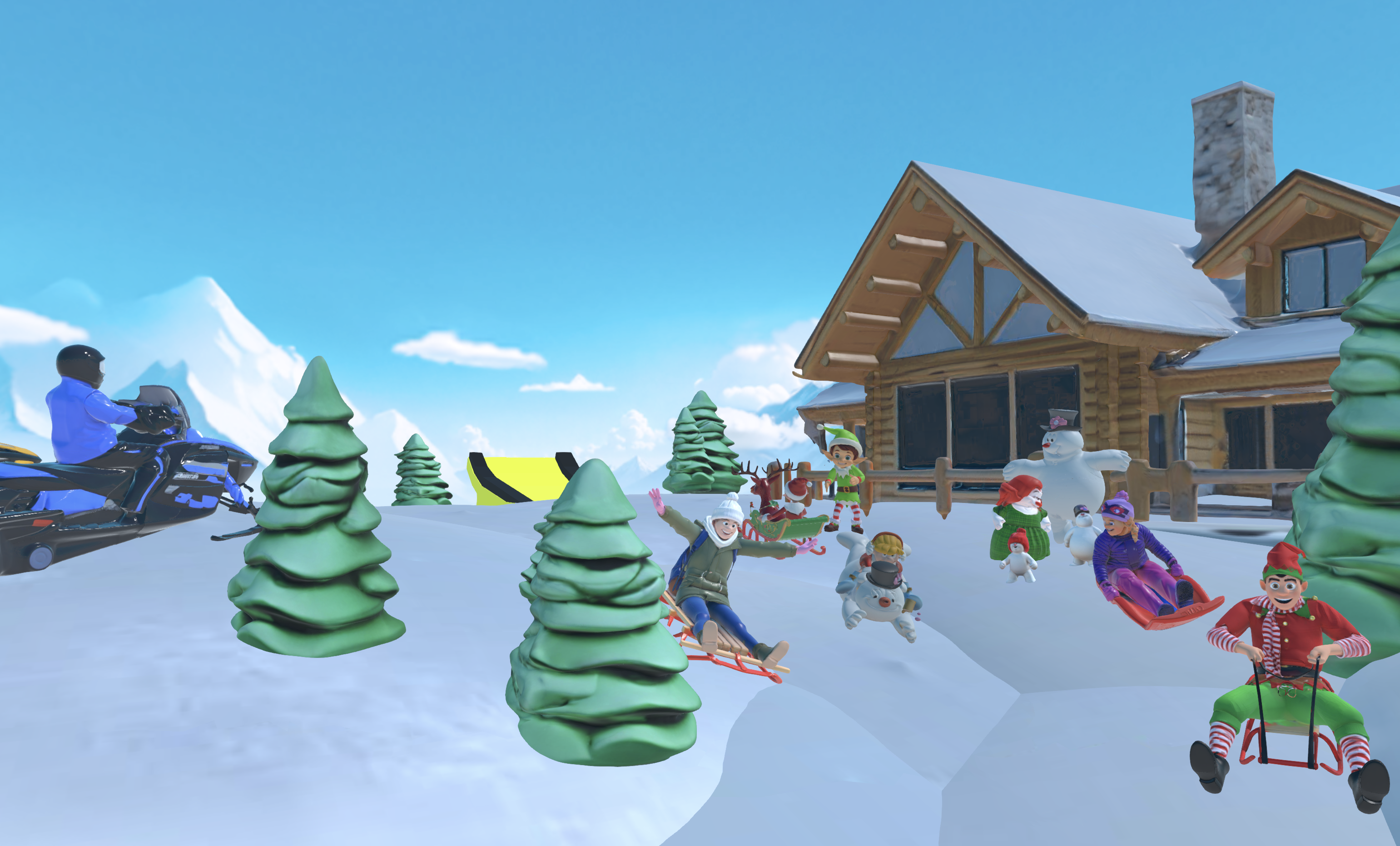
Here is how the Nilo workflow lines up against the Studio route above.
- Generate obstacles with text or a sketch. Type “floating lava platform with spinning blades” or draw a rough shape and Nilo’s AI generates a 3D model in seconds. Nilo supports 3D characters, weapons, and pro-level props in seconds through sketching or prompting.
- Rig and animate with one click. Select your obstacle, hit rig, then type an animation description like “slow rotation” or “bounce up and down”. The AI creates the motion for you.
- Vibe-code checkpoints and kill bricks. Open the code editor and type what you want, such as “make this brick kill the player on touch” or “add a checkpoint here that saves progress”. Working code appears instantly with real-time feedback in your 3D world.
- Test in real time. Everything stays interactive by default. Physics run live, so you can jump around your course inside Nilo before exporting anything.
- Export FBX or GLB. Nilo keeps polycount within Roblox limits so models work directly in Roblox Studio and other platforms. One click gives you a Roblox-ready file.
In Nilo’s February 2026 survey, 93% of builders said they would recommend Nilo to a friend, and 72% said it makes their creative process easier “by a lot”. One builder put it simply: “I do not have to spend hours on 3D modeling the simplest things. Now I can use Nilo and do it in 15 seconds.”
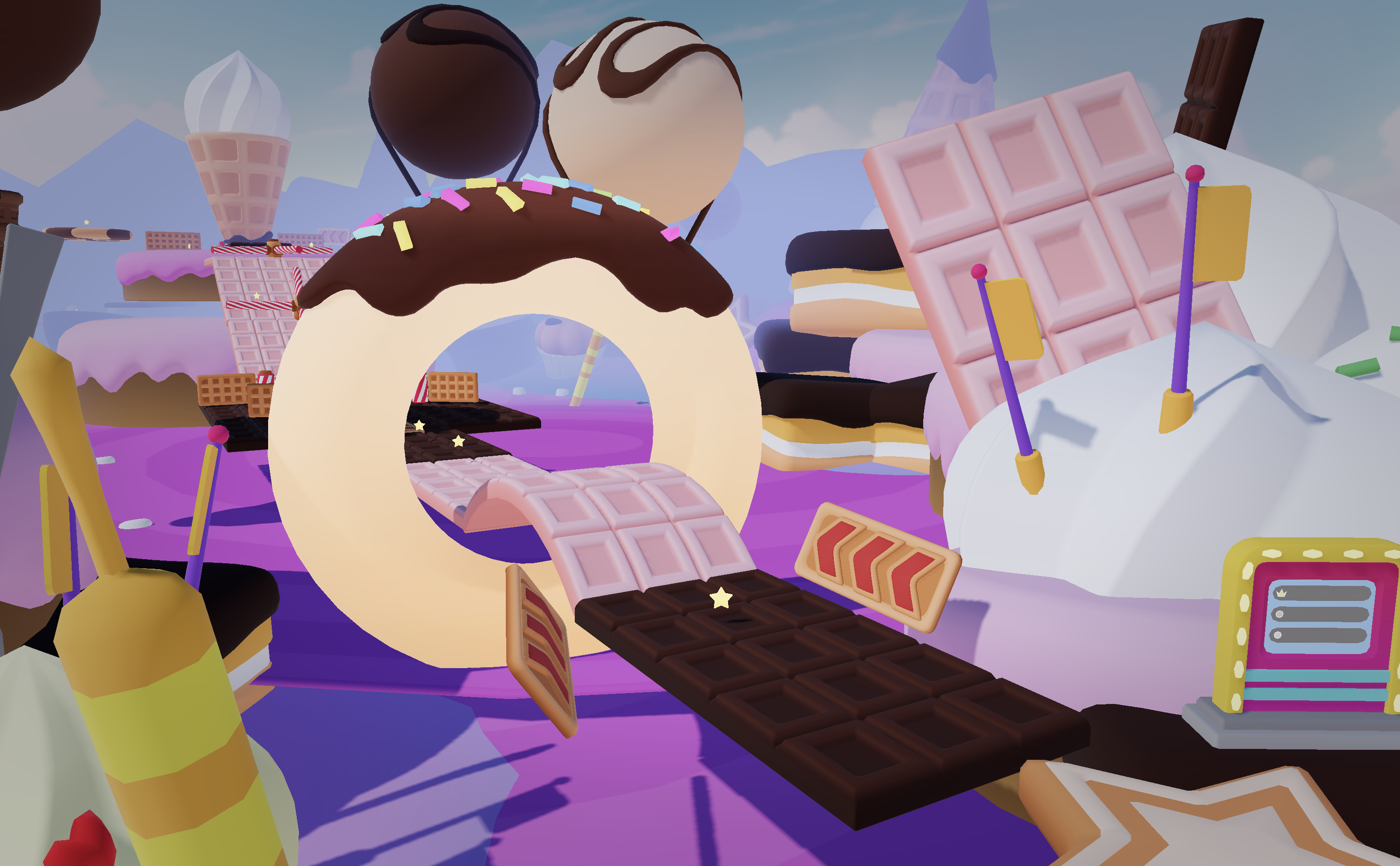
Try generating your first 3D obstacle in Nilo’s open beta.
Skip Stage Logic Without Writing Scripts
Skip-stage logic lets a player jump ahead to a later checkpoint. Roblox Studio usually needs DataStore scripts and team management for this feature. Nilo lets you set it up with natural language instead. You open the code editor and describe what you want, for example “add a skip button at stage 5 that teleports the player to stage 10’s spawn point”. The AI generates the logic, you see it working in real time, and you can tweak variables directly in the editor, such as stage numbers or teleport offsets, without understanding the underlying code.
This shows the vibe coding approach in action. You stay in creative flow instead of diving into documentation and Stack Overflow threads. As one builder noted in Nilo’s February 2026 survey: “You made me enjoy vibe-coding. The code assistance works almost flawlessly, other experiences have just been frustrating at best.”
Tool Comparison: Replacing a Fragmented Obby Stack
When you pick tools for a no-code obby, focus on four things. Check if it runs in the browser without installation, handles retopology automatically, exports Roblox-ready assets within polygon limits, and lets you add game logic without writing code.
The comparison below shows which tools cover all four needs and which ones force you to stitch together several apps.
- Nilo runs in the browser with no install. It combines AI text-to-3D generation, one-click rigging, vibe coding for game logic, a real-time LOD system, and FBX or GLB export tuned for Roblox. You can use it on almost any device.
- Roblox Studio + Toolbox is free, official, and gives full publishing access. It requires Windows or Mac, installation, and Lua scripting for anything beyond basic platforms. Templates help but can feel generic without deeper customization.
- Meshy focuses on fast AI 3D generation with a Low Poly Mode. Meshy 6 generates geometry in 20–30 seconds and finishes texturing in about 1 minute. Many outputs still need manual retopology in Blender before they meet Roblox’s polygon caps, and Meshy does not include game logic tools.
- Blender is a powerful open-source modeling tool that takes months to learn. It has no built-in game logic or publishing features, so it works better as a cleanup step than as your starting point.
The traditional stack of Meshy for generation, Blender for cleanup, and Roblox Studio for scripting can work, yet it breaks your creative momentum every time you switch tools. Nilo stands out by keeping the entire workflow in one place, which directly tackles the three problems that derail many no-code obby projects.
Common No‑Code Obby Problems and How Nilo Helps
Three problems show up again and again when you try to create obbies without scripting.
- Messy AI meshes. Tools like Meshy produce fast results, yet the geometry often has artifacts, asymmetry, or a “melted” look that fails Roblox’s import checks. Nilo’s real-time retopology cleans topology automatically, so you skip a Blender detour.
- High part counts. Roblox caps assets at 10,000–20,000 triangles. If you import unoptimized meshes, you hit performance limits that cause lag or failed loads. Nilo’s LOD system adjusts polygon counts on the fly, so exports stay within Roblox’s limits by default.
- Export errors. Rig components that do not apply correctly, pivot errors with accessories, and missing collision masks all slow you down. Nilo’s export pipeline targets Roblox compatibility, which cuts down the back-and-forth between tools.
The survey results mentioned earlier, with 82% of builders rating their experience as “Awesome” or “Good”, show that these pain points are getting solved in real projects, not just in theory.
Measuring Success: Final Obby Readiness Checklist
Once you fix the technical barriers, you still need to confirm your obby is ready to share. Run through these checkpoints in order.
- Creation time reduced, so you ship in hours, not weeks. Speed matters, but only when the rest of the checklist passes.
- Clean exports under 20,000 triangles per asset, which keeps your game smooth on low-end devices.
- Checkpoints working at each stage, so players feel steady progress instead of random respawns.
- Kill bricks triggering correctly on touch, which keeps hazards consistent and fair.
- Skip-stage logic tested and confirmed, so advanced players have a fast path forward.
- Instant link sharing, where anyone can click and play without downloading anything, which grows your audience.
Obby Building in 2026: What Changed for You
Browser-based creation tools have grown up, which means you can now build full obbies in a browser without installing anything. WebAssembly and WebGPU power game-engine-level performance inside a browser tab, similar to the shift that let Figma replace desktop design software. Roblox is investing in 4D generation through its Cube Foundation Model, which adds interactivity to AI-generated objects, and this points the whole industry toward natural language creation. Nilo focuses today on asset creation done right, with real-time retopology, Roblox-optimized exports, and vibe coding for game logic. Full game creation and publishing inside Nilo is the direction the platform is moving toward.
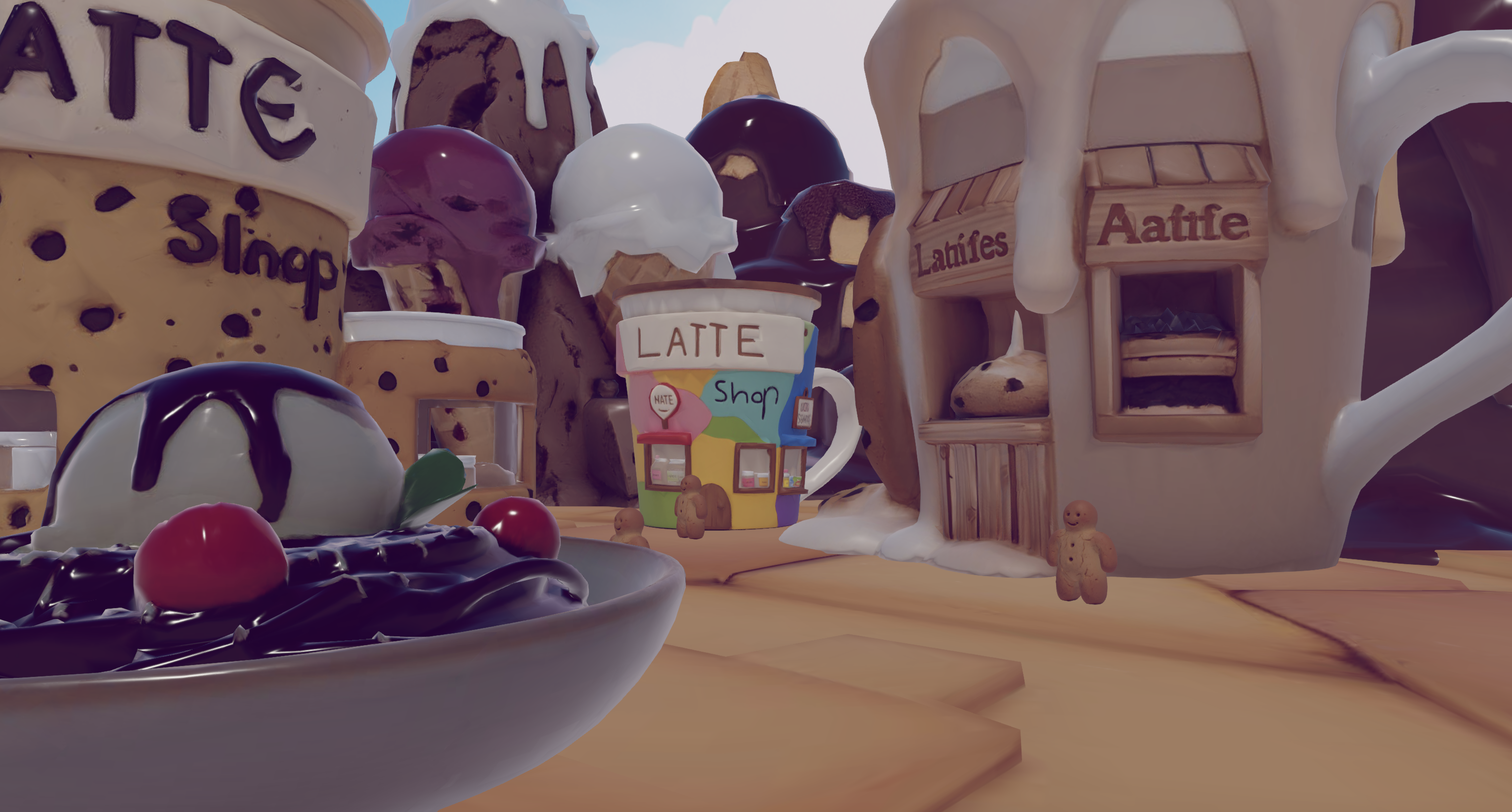
Nilo Obby Tutorial: Build Your First Stage in 7 Steps
- Open play.nilo.io in any browser, and you already know there is no download required.
- Use the radial menu to create a base platform, then scale it with the inspector panel.
- Type a prompt such as “floating stone platform with moss texture” and drag the generated asset into your world.
- Add a hazard with a prompt like “spinning blade obstacle, low poly, game-ready”. Rig it with one click, then type “rotate continuously at medium speed” to animate it.
- Open the code editor and type “make this part kill the player on touch”. Watch the logic appear and test it immediately.
- Add a checkpoint with a prompt such as “place a spawn point here that saves the player’s progress”.
- Export as FBX or GLB and import into Roblox Studio. Your asset arrives optimized and ready to use.
As one builder described it in Nilo’s February 2026 survey: “There are no limits on what you can create, just type, draw or add in an image and you can generate, rig, customise and place a fully 3D model within minutes.”
Follow this 7-step flow yourself in Nilo’s open beta.
Browser Obby Maker: Why Many Builders Pick Nilo
Speed matters when you are building after school with limited time, which is why Nilo removes every setup step, including installation, Blender cleanup, and waiting for a scripter. You open a link and start creating immediately, then invite a friend to build with you by sharing the world URL. Once you have something worth sharing, you can publish your assets to the Nilo community or export directly to Roblox Studio. The whole loop, from idea to shareable result, happens in one browser tab and keeps you in creative flow instead of bouncing between tools.
Backed by Supercell, with 9,000+ builders on Discord and 1M+ monthly organic social views, Nilo’s community keeps growing. Jaakko Harlas, Head of Investments at Supercell, said: “Their approach to making game creation as enjoyable as gameplay itself really stood out. Nilo has the potential to open up game development to a whole new generation of builders.”
Frequently Asked Questions
How do you make a game in Roblox without scripting?
The most accessible route inside Roblox Studio starts from the Obby template. You build platforms with the Part tool, drag pre-scripted hazards from the Toolbox, and set up checkpoints using SpawnLocation parts with matching Team colors, so you avoid Lua for the basics. For more interactive features such as custom kill bricks or moving platforms, you still need scripts or a tool that generates them. Nilo’s vibe coding editor lets you describe game logic in plain language and generates working code instantly, so you can add those mechanics without learning Lua.
Can you create a Roblox game without coding?
You can create a basic obby without coding, with some trade-offs. A simple course with static platforms and SpawnLocation checkpoints works entirely without code in Roblox Studio. More complex mechanics, including kill bricks, moving hazards, skip-stage logic, and DataStore progress saving, require either pre-written scripts from the Toolbox or a tool that writes the code for you. Nilo handles this through its natural language code editor. You describe what you want, the logic is generated and applied in real time, and you can tweak variables directly in the editor to learn how the code behaves.
How do you create your own obby?
You start by picking the path that fits your setup. If you use Windows or Mac and want full Roblox publishing control, open Roblox Studio, pick the Obby template, build your platforms, add Toolbox hazards, and set up SpawnLocation checkpoints. If you use a Chromebook, phone, or any device without Studio access, or you want custom 3D obstacles without modeling skills, open Nilo in your browser, generate assets with text or sketch prompts, add game logic through vibe coding, and export Roblox-ready files directly. Both paths lead to a playable obby, and Nilo stands out by removing installation, retopology, and scripting barriers in one workflow.
Conclusion: Your No‑Code Obby Is Within Reach
The scripting wall feels real, yet it does not have to stop your obby. The 5-step Roblox Studio template workflow gets you to a basic playable course without writing code. When you want custom obstacles, animated hazards, skip-stage logic, and Roblox-ready exports without Blender, Nilo gives you a fast browser-based path forward. You do not need a scripter or installs, you just open a tab and build.
Jump into Nilo’s open beta and start building and playing your own obby for free.