Written by: Nuno Leiria, Founder & CEO @ Nilo | Last updated: July 26, 2026
Key Takeaways
- Traditional desktop tools like Roblox Studio, Unity, and Blender slow down distributed teams with installs, hardware demands, and scripting walls.
- Browser-based collaborative tools remove setup friction because everything runs in a web browser with no installation.
- AI-assisted workflows handle 3D model creation and scripting from natural language prompts so non-coders like you can jump in.
- Real-time multiplayer editing powered by WebRTC and CRDTs lets multiple people work in the same 3D world at once from any device.
- Join Nilo’s open beta to try these browser-based workflows and start building games with your friends today.
Why Friction Kills Your Momentum and Learning
Tool friction quietly kills projects. You burn out when setup takes longer than creation. If you spend 30 minutes configuring a tool before writing a single line of logic, your creative momentum disappears. Many builders walk away from projects after investing serious time, not because the idea is bad, but because the process wears them down.
Remote work makes this worse. Many indie studios rely on distributed teams, and plenty operate fully online. When your team is spread across locations and time zones, slow workflows where one person exports a file and sends it to another break the feedback loop that keeps collaboration fun and productive.
Scripting often becomes the biggest wall. You might see a game mechanic clearly in your head, yet without coding skills you wait for a scripter to join or you grind through months of Lua tutorials. You end up choosing between dropping the idea or dropping the fun.
Learning also stalls when tools feel too heavy to experiment with freely. You build real game design intuition by rapid iteration. You try something, watch it break, fix it, then try again. That cycle needs tools that respond instantly and do not punish mistakes with long rebuild times. These challenges have pushed a new generation of browser-based, AI-native tools into the spotlight.
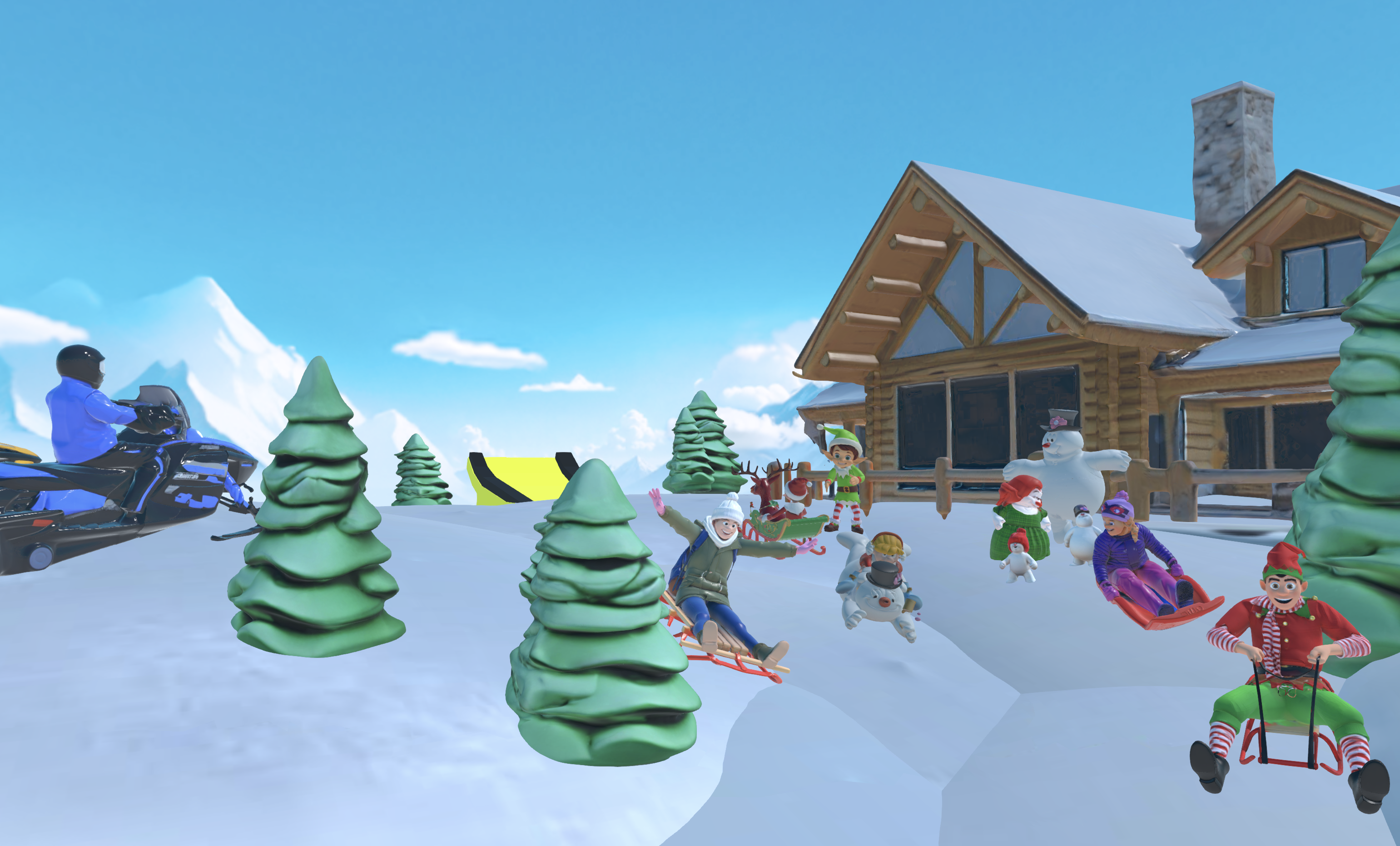
AI Browser Creation Tools: What to Look For
AI-assisted browser-based 3D creation tools combine instant access with smart creation workflows. You can use a simple checklist to understand this category before you pick any specific platform.
Accessibility: You skip installs, downloads, and strict hardware requirements. You open a link and start building from almost any modern browser. This helps especially when your friends or teammates use different operating systems and devices.
Once you are inside the project, the next question is how creation actually feels.
Creation flow: AI takes care of the hard technical pieces, such as generating 3D models, writing game logic, and rigging characters. You focus on design choices instead of menus and syntax. Natural language prompts let you create 3D games by talking, typing, or even sending images to the AI instead of wrestling with complex scripting environments.
After creation feels smooth, collaboration becomes the next key piece.
Collaboration: Real-time multiplayer editing becomes a core feature, not a bolt-on extra. Multiple builders can work in the same world at the same time. Technologies like WebRTC, which enables direct peer-to-peer browser connections, and CRDTs, which let multiple people edit shared data without conflicts, power this kind of editing. You do not need a central server to approve every change.
Once people can build together, performance decides whether the world actually feels good to play.
Performance: WebGPU, a modern graphics API that runs in the browser, now delivers higher frame rates than WebGL for complex 3D scenes. Global browser support keeps growing. Browser-based 3D tools can now reach performance levels that used to require installed software.
Finally, you want your work to travel with you.
Portability: Assets from these tools export to standard formats like FBX, OBJ, and glTF. Those formats work with Roblox, Unity, Unreal Engine, and Blender. You keep control of your creations instead of getting locked into one ecosystem.
Experience this portability firsthand in Nilo’s open beta and move your creations into the engines you already use.
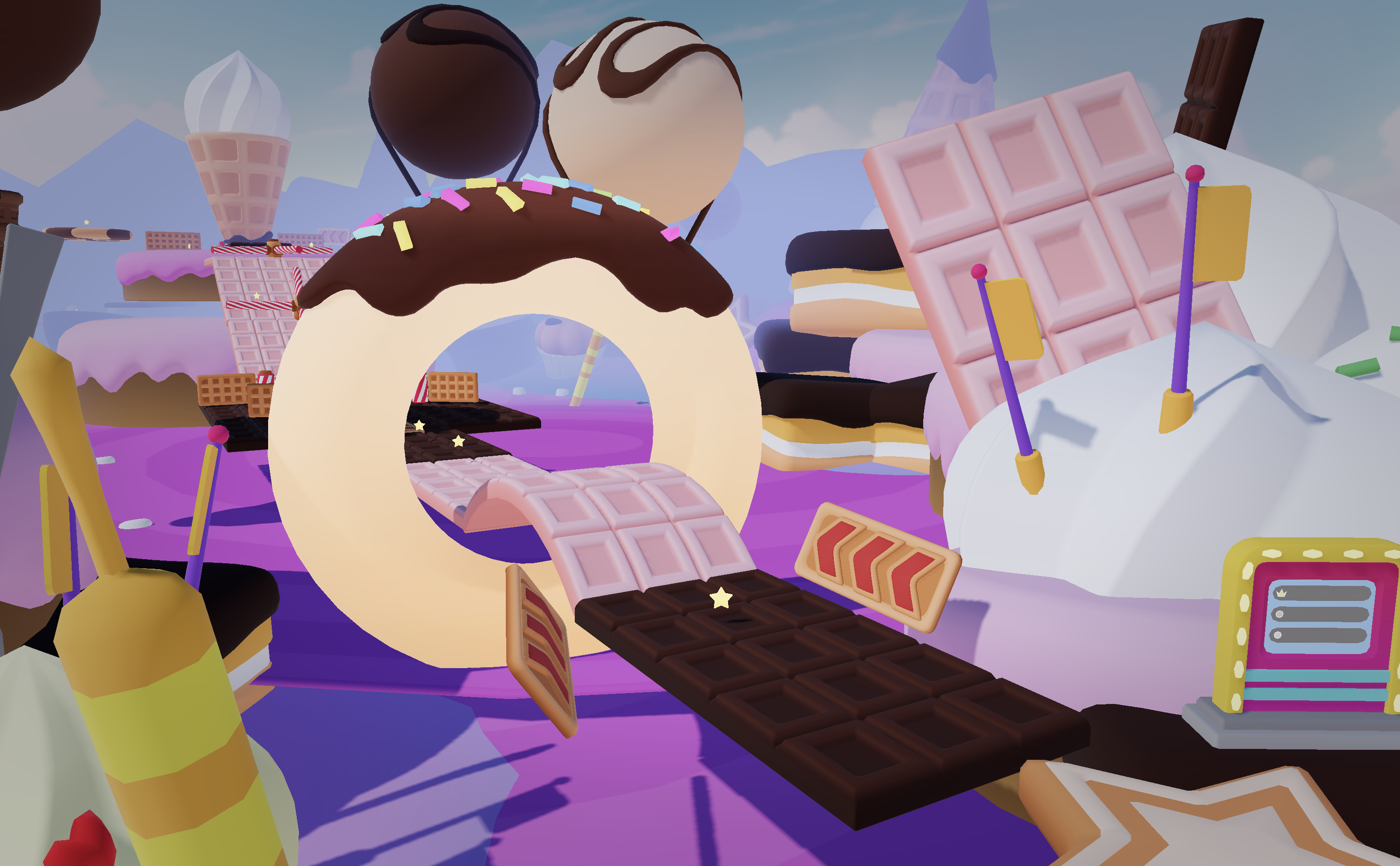
Turn Text into 3D Assets without Blender Overload
Building a 3D model from scratch usually means months of learning Blender or similar tools. As one builder described in Nilo’s February 2026 Survey, you can end up “frustrated because you spent the last 5 hours 3D modeling a shipping container.”
AI text-to-3D flips that experience. You describe what you want and receive a usable model in seconds. Output quality still matters a lot. Many AI tools create models with messy geometry, or poor mesh topology, that you must clean up before using them in platforms like Roblox. Roblox often caps polygon counts around 10,000 to 20,000, so bloated meshes cause problems fast.
Some tools, like Sloyd, focus on single-model generation. They give you fast results, yet you may still need Blender cleanup afterward. Other platforms combine several AI providers behind one interface. By early 2026, image-to-3D generation in browser tools can produce clean topology and export fully rigged animated files that load directly into engines without Blender, although quality still varies between providers.
Nilo stands out here by routing prompts through multiple AI model providers and pairing that with a real-time LOD system. The system automatically adjusts polygon counts to match Roblox performance limits. Survey respondents reported working “20 times faster than you usually work on models.”
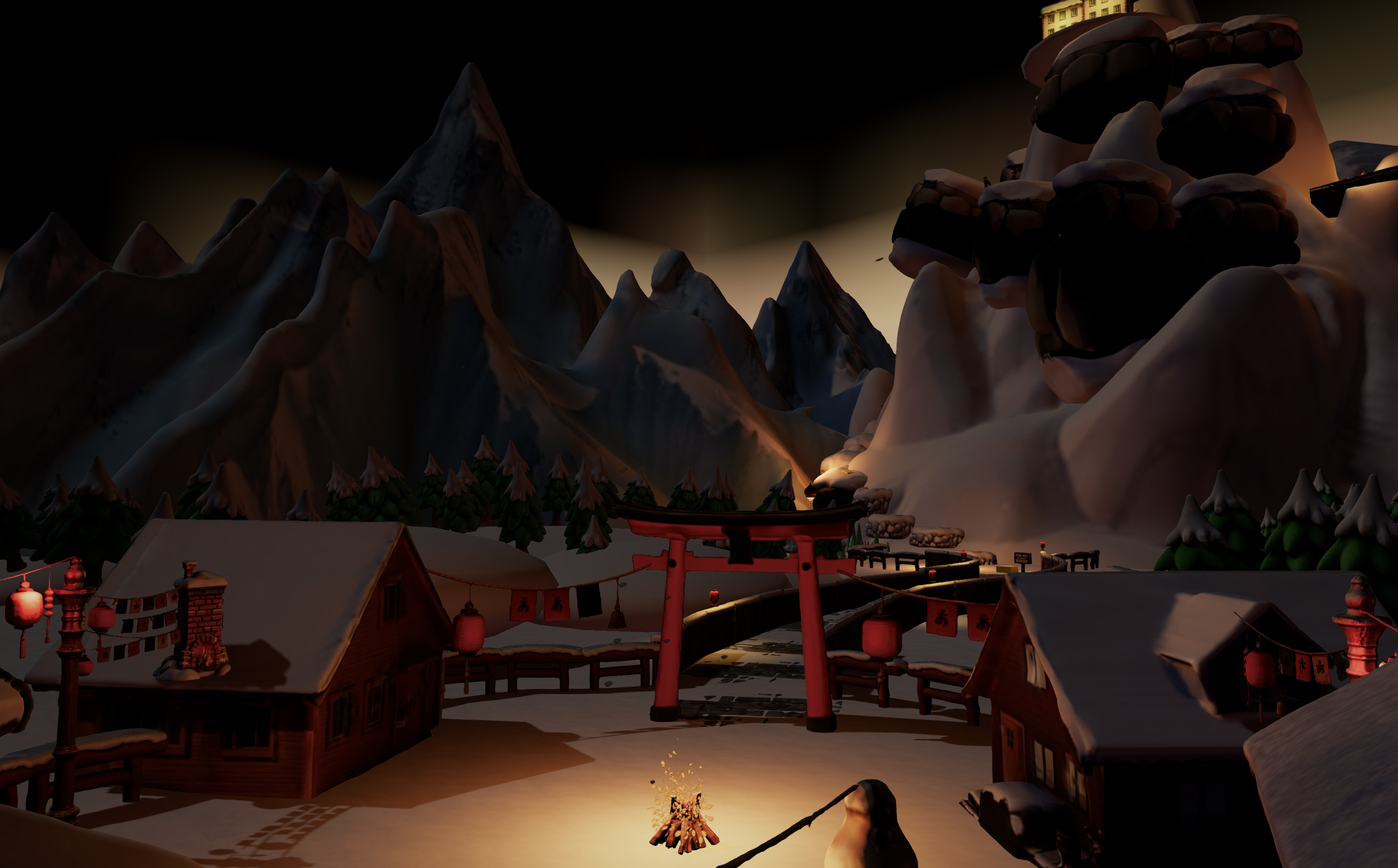
You should weigh a clear trade-off. Single-provider tools often cost less per generation but demand more manual cleanup. Multi-provider platforms give you flexibility and better odds of a clean result, yet they may use more complex credit systems.
Use Vibe Coding to Add Logic without Learning Lua First
Scripting, or writing the code that drives behavior, stops many aspiring builders. You know exactly how you want a character to move, yet you cannot write the Lua or JavaScript that makes it happen.
Vibe coding offers a different path. You describe what you want in plain language, and the AI generates working code on the spot. You can say “make the player jump when they press spacebar” and watch it work in your 3D world in real time. You do not need scripting experience to start.
Unity’s 2026 documentation notes that multiplayer networking and complex AI behaviors still challenge pure no-code or prompt-only tools. For the mechanics most aspiring builders care about, such as movement, collisions, scoring, and simple interactions, vibe coding already works well.
Tools like Rosebud AI use Phaser-based pipelines to turn prompts into playable 2D prototypes. Rosebud AI lets you type a prompt and receive a playable 2D prototype, which feels great for game jam ideas. The downside appears when you want to tweak details. Changing one part can break another, and you wait through another generation cycle.
Nilo’s built-in code editor accepts natural language prompts in any language and shows changes instantly in the 3D world. You can also see and edit the real code variables, such as changing “speed = 2” to “speed = 20.” You build real programming skills while you build your game, without waiting for a separate scripter.
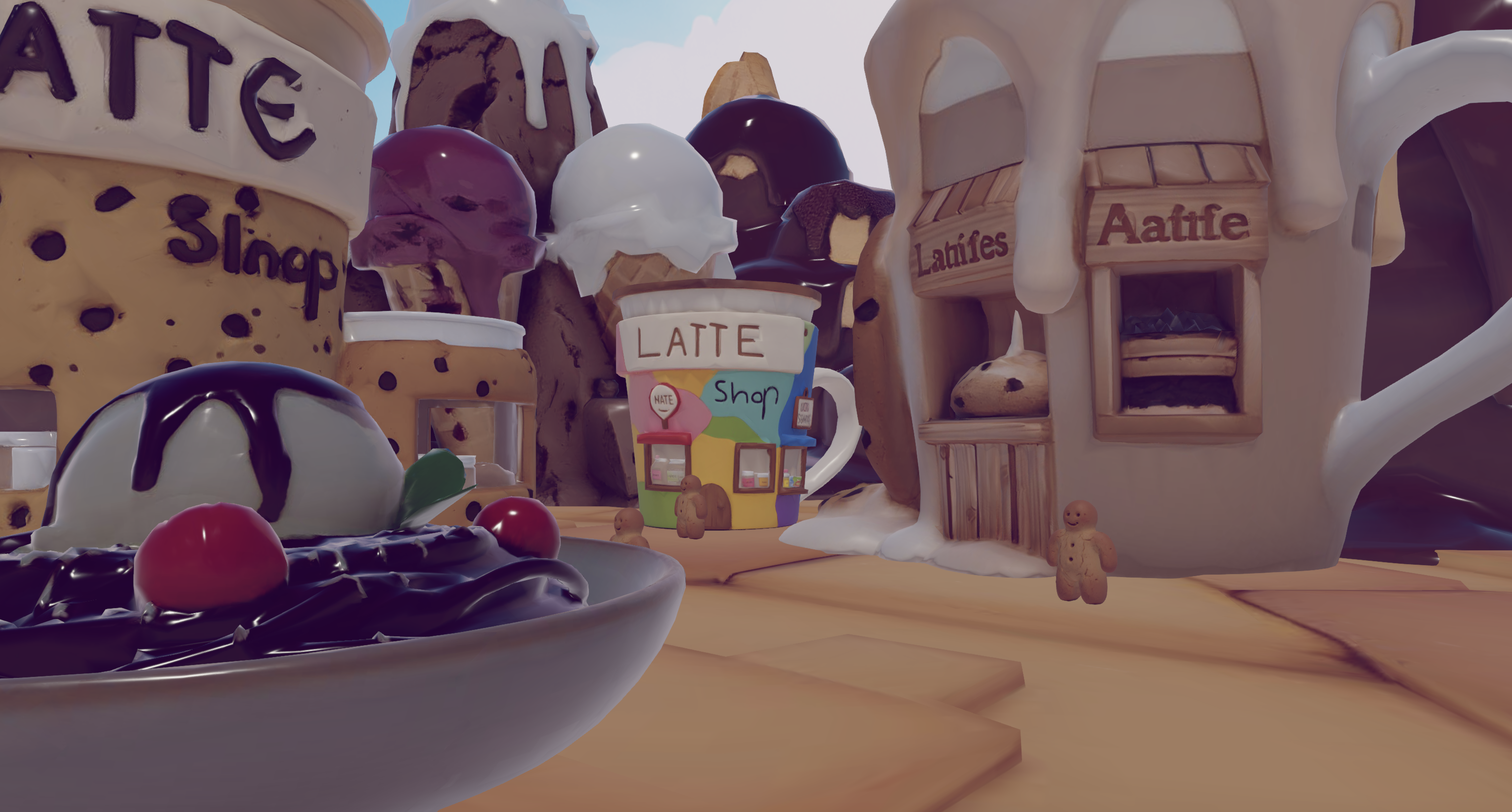
Make World Building Feel Like Play with Friends
Collaborative 3D world building needs synchronized views, graceful conflict handling, and solid performance as scenes grow. If any of those pieces fail, the experience stops feeling playful.
PlayCanvas, a browser-based engine acquired by Snapchat, supports real-time multi-user editing with property-level sync and colored cursors. This setup works well for professional teams. The tool still sits between pro and consumer audiences, so it may feel heavy if you are just starting.
The deeper goal is simple. World building should feel like playing a game, not like wiring a dashboard. Many tools keep objects static until you wire up physics, animations, and collisions by hand. That experience feels nothing like the games that inspired you to build.
The “Iron Man, not Wall-E” idea captures a better approach. You get superpowers and co-create with AI instead of watching AI build everything while you sit back. Creation stays hands-on, immediate, and social. Nilo’s world building tools run physics simulation in real time by default, so objects react the moment you place them. A radial menu lets you spawn objects quickly, and real-time multiplayer lets you share a link and start building with friends right away. Another builder from the survey said, “It helps me physically visualize any images I may have drawn and helps make my ideas actually come to life.”
Nilo’s LOD system also handles optimization automatically by adjusting polygon counts on the fly. You focus on designing your world instead of chasing frame rate bugs. Start building with automatic optimization in Nilo’s open beta and see how real-time collaboration changes your sessions with friends.
How To Compare Browser Game Creation Tools
When you compare browser-based collaborative tools, use clear criteria instead of guessing.
- Onboarding ease: Aim to go from zero to a simple playable scene in under five minutes without a tutorial. Look for tools with no installation and an interface that teaches you through doing.
- Output quality: Check whether AI-generated assets work directly in your target platform, such as Roblox, or need Blender cleanup. Test polygon counts and texture sizes against platform limits.
- Export compatibility: Confirm that the tool exports to FBX, OBJ, or glTF so you can move assets into Roblox, Unity, or Blender. Avoid tools that trap your work.
- Performance limits: A practical 2026 setup uses engines that support both WebGPU and WebGL2 with automatic fallback. Check how the tool behaves on low-end hardware.
- Collaboration needs: See whether real-time multiplayer editing sits behind a paywall. Test if a friend can join from a shared link without a long account setup.
- Learning value: Look for tools that teach concepts like rigging, polygons, and physics while still feeling approachable. Strong tools help you learn as you build.
Then match those criteria to your own situation.
- First-time creator: Choose a tool with zero-install access, AI asset generation, and instant physics feedback. You should build something playable in your first session without reading docs.
- Roblox-focused builder: Prioritize automatic LOD optimization, direct Roblox export, and support for Roblox polygon caps. Nilo’s Roblox Exporter and real-time retopology system target this exact workflow.
- Small distributed team: Look for real-time multiplayer editing from a shared link, support for both desktop and mobile, and collaboration that does not depend on matching software versions.
Frequently Asked Questions
What is a browser-based game engine and how is it different from Unity or Unreal Engine?
A browser-based engine runs inside your web browser with no download or installation. You click a link and start building. Unity and Unreal Engine run as desktop apps that need installation, storage space, and often strong hardware. Browser engines trade some raw graphics power for instant access and easy collaboration. If you are starting out with 3D worlds, the browser approach removes setup friction that makes many beginners quit early.
Can browser-based tools handle real 3D games, or are they limited to simple 2D projects?
Modern browser engines can handle full 3D games. WebGPU, now supported across Chrome, Safari, and Firefox, delivers performance that used to require installed software. Nilo runs a custom engine with C++ physics compiled to WebAssembly, WebGPU graphics, and a WebGL fallback for older devices. You get real-time physics, 3D world building, and multiplayer collaboration in a single browser tab.
How does real-time collaborative editing actually work in a browser game engine?
Real-time collaboration in browser tools relies on the WebRTC and CRDT technologies mentioned earlier. When you and a friend edit the same world at the same time, these systems merge your changes automatically so nobody loses work. In practice, you share a link, your friend clicks it, and you both build in the same 3D space in real time without file exports or version conflicts.
Do I need to know how to code to use these tools?
You can start without coding knowledge on AI-native platforms. Vibe coding lets you describe what you want in plain language and receive working game logic instantly. Nilo’s editor accepts text, voice, or image prompts in any language and shows changes live in your 3D world. You can inspect and tweak the real code whenever you feel ready, which turns the engine into a built-in coding tutor.
What is the difference between Nilo and prompt-to-game tools like Rosebud AI?
Prompt-to-game tools create a full game from a text description and hand you a finished result. Iterating on that result can feel clumsy because small tweaks often require full regeneration. Nilo behaves like a game engine first. You stand inside a 3D environment, place objects, test physics, invite friends, and use AI as a co-pilot. You keep creative control while AI handles the hard technical work.
Conclusion: Pick the Path That Matches How You Want to Build
AI-assisted browser-based 3D tools close the gap between wanting to make games and actually shipping them. Desktop tools like Roblox Studio, Unity, and Blender still offer deep power if you have time and energy to learn them. For distributed teams and aspiring builders who want to build together now, without installs or long scripting grinds, browser-based collaboration often gives a smoother starting point.
Your best tool depends on your goals. If you focus on Roblox and care about clean exports, look for automatic LOD systems and direct Roblox support. If you build with friends across devices, prioritize real-time multiplayer from a shared link. If you are just starting, chase fast onboarding and AI-assisted creation before you worry about advanced features.
Nilo stands out as an AI-native browser engine with real-time multiplayer collaboration, vibe coding, AI 3D asset generation, and one-click Roblox export, all inside a single tab. In Nilo’s February 2026 Survey, 93% of builders said they would recommend Nilo to a friend, and 82% rated their experience as “Awesome” or “Good.”
Creation should feel like play, not like wrestling with tools. You can reach that feeling today in your browser without spending a bunch of money.
Join Nilo’s open beta and start building and playing with friends for free.