Written by: Nuno Leiria, Founder & CEO @ Nilo | Last updated: June 24, 2026
Key Takeaways for Browser Roblox-Style Building
- Roblox Studio limits polygon counts and texture sizes, and it expects Lua scripting plus a desktop install, which blocks many creators.
- Browser tools remove installs, scripting, and manual retopology, so you can build faster from almost any device.
- A seven-step flow covers asset generation from text or images, one-click rigging, vibe coding for logic, LOD tuning, playtesting, and export to Roblox Studio.
- Common problems like messy meshes and export errors are usually solved by switching AI providers, tightening prompts, or adjusting LOD inside the browser.
- Try this streamlined browser workflow in Nilo and start building Roblox-style games today.
Step-by-Step: Make a Roblox-Style Game Without Roblox Studio
This seven-step workflow takes you from idea to a Roblox-ready export entirely in your browser. You will see what you need for each step, how long it usually takes, and where you trade speed for control.
Step 1 — Set up your free browser workspace (~2 minutes)
Open Nilo's browser workspace in any desktop or mobile browser. You skip downloads and long account setup, then land directly inside a live 3D world. You move fast because you start in a shared environment with preset physics and lighting instead of a blank pro scene. For most Roblox-style builders like you, that feels like a boost, not a limit.
Step 2 — Generate and refine 3D assets from text, sketch, or image (~3–5 minutes per asset)
Use the radial menu to open the asset generator. Type what you want, like “low-poly tycoon cash register,” upload a sketch, or drop in a reference image. Nilo's model-agnostic AI layer taps providers including Meshy, Tripo, and Cartwheel, and you can switch between them based on the style and quality you want. Adjust colors, remove backgrounds, and tweak style, then drag the asset straight into your world. As one builder put it in Nilo's February 2026 Survey, “I do not have to spend hours on 3D modeling the simplest things. Now I can use Nilo and do it in 15 seconds.”
Step 3 — Rig and animate with one click (~1–2 minutes)
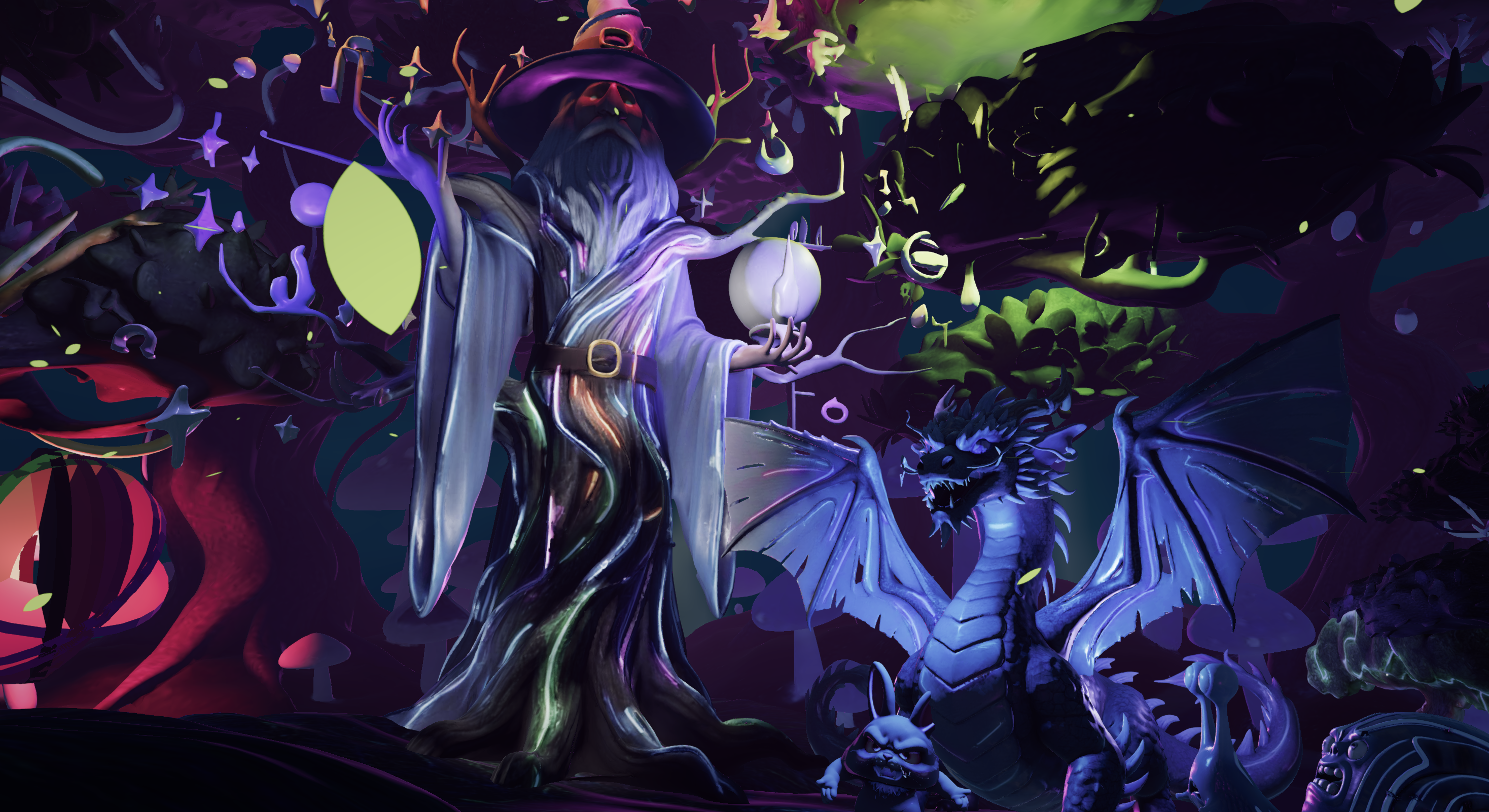
Select your model and hit the rig button. Nilo adds a skeleton automatically, which usually takes hours in Blender. Then type what you want the character to do, like “idle breathing loop” or “victory dance,” and the animation appears through text-to-motion. These rigged, animated models then move cleanly when you bring them into Roblox Studio.
Step 4 — Add gameplay with vibe coding instead of Lua (~5–10 minutes)
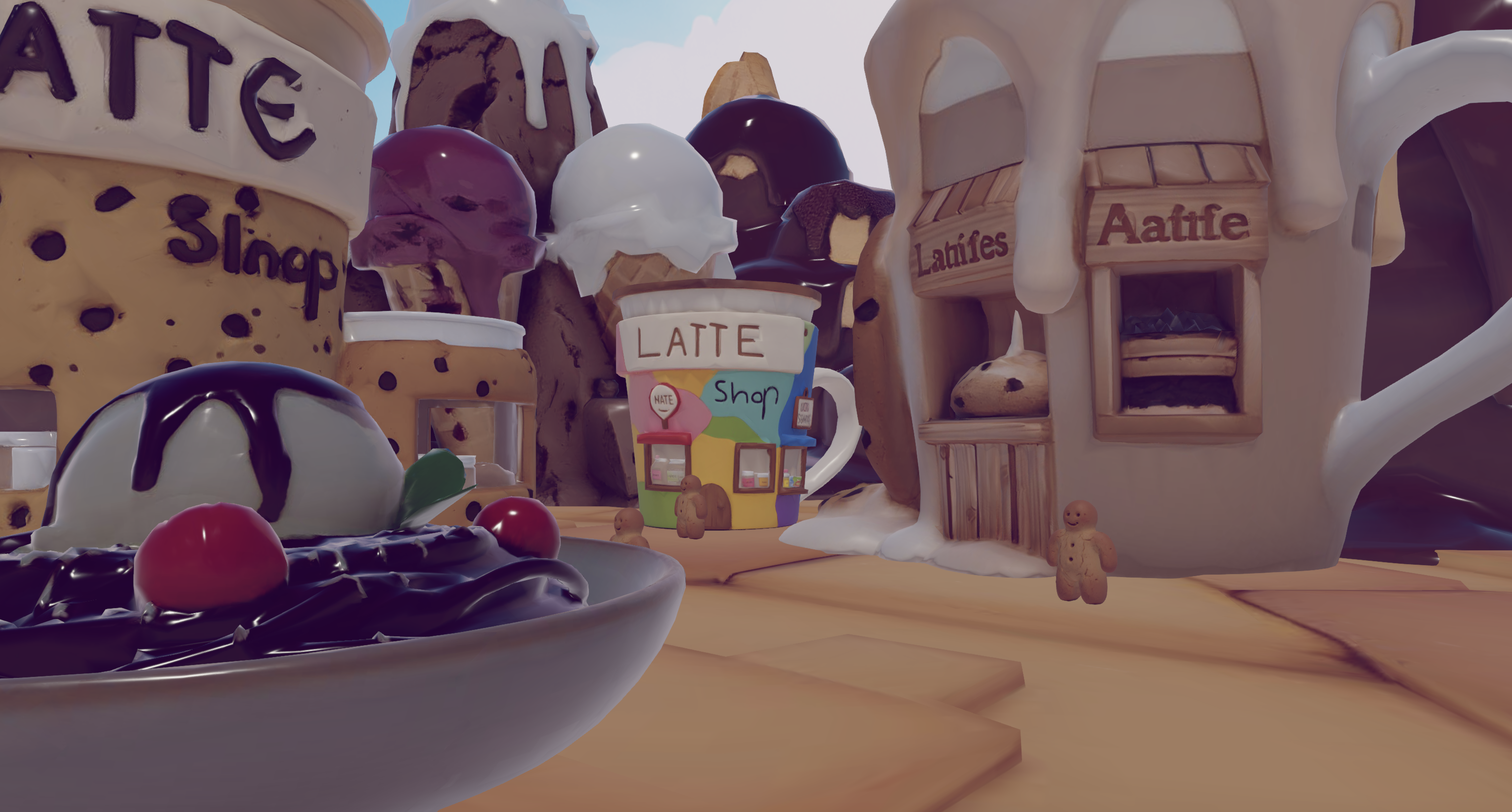
Vibe coding means you tell the AI what you want your game to do in plain language and watch working code appear. You can type, talk, or even send an image. You might say “make this coin disappear when a player touches it” or “open this door when the button is pressed,” and the logic shows up in real time. You can also open the code editor and tweak values directly, like changing “speed = 2” to “speed = 20,” so you learn real logic while still skipping a full Lua grind.
Step 5 — Use the LOD slider to match Roblox's polygon cap (~1 minute)
Drag the LOD slider until your mesh sits inside Roblox's 10K–20K triangle range. Nilo handles retopology for you, giving you clean topology without artifacts or manual Blender cleanup. Builders used to spend 30 minutes or more per asset on this step, so the slider saves a lot of time.
Step 6 — Playtest with friends in real time using a link (~instant)
Share your world's URL so friends can join on desktop or mobile. They do not need to install anything. You can build together, test your obby or tycoon, and spot problems before you export. Real-time multiplayer creation turns feedback loops that used to take days into quick sessions that last a few minutes.
Step 7 — Export FBX or glTF and import into Roblox Studio (~2 minutes)
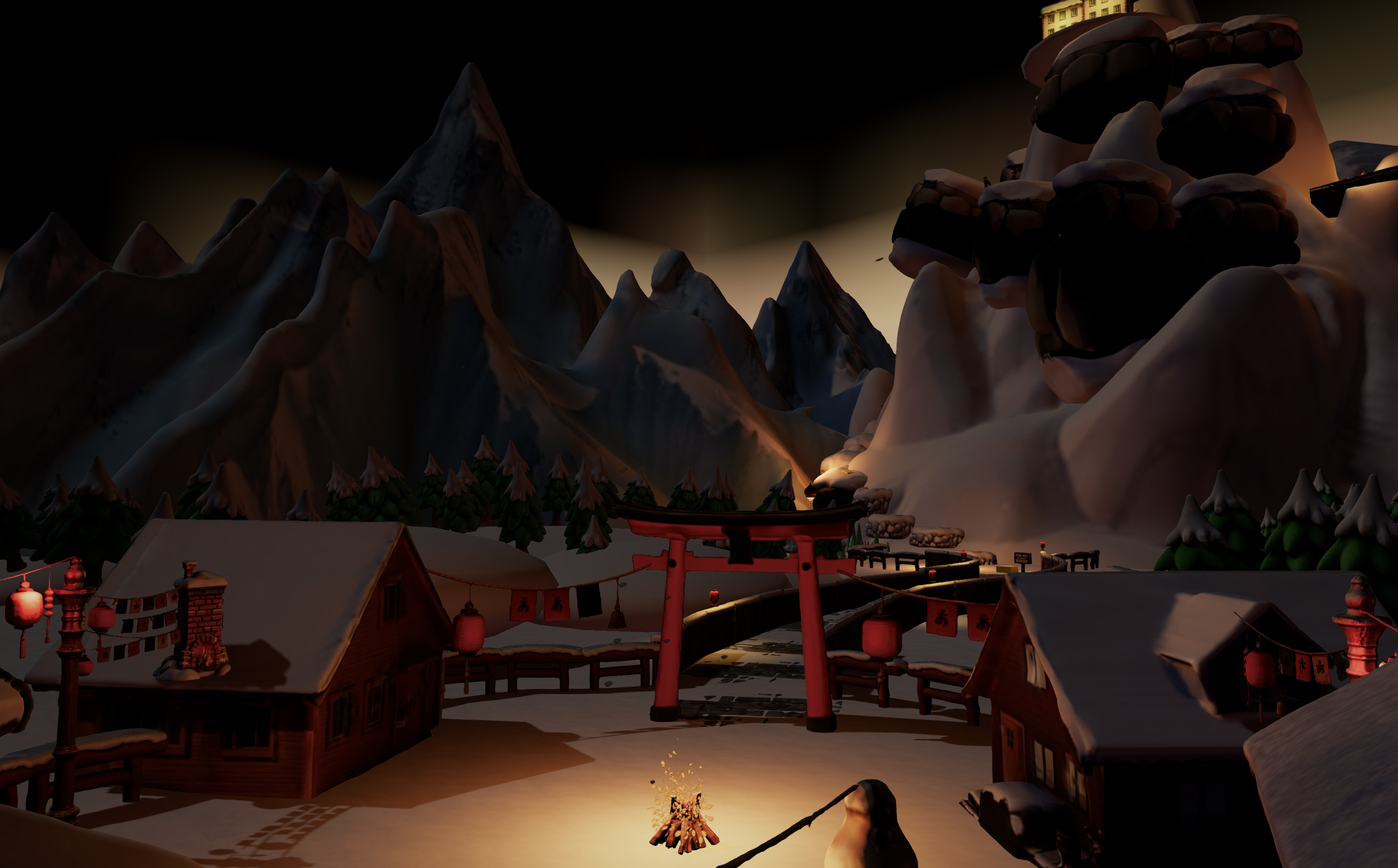
Click Export, choose your format, and download. FBX or glTF usually work best for Roblox. Open Roblox Studio, import the file, and your asset appears ready to use, already optimized, rigged, and animated. Nilo also exports OBJ and STL for compatibility with other platforms including Unity, Blender, Unreal Engine, and VRChat.
Browser Workflows That Feel Like Roblox, Not Homework
Now that you have seen the step-by-step process in Nilo, you can apply the same ideas across different browser tools and game types. Regardless of which browser-based tool you pick, the most effective no-install workflow usually follows this pattern: ideate → generate → refine → test → export.
For an obby, you might sketch the obstacle shapes, generate low-poly props, rig any moving parts, vibe code the collision logic, playtest with a friend through a link, then export the asset pack to Roblox Studio.
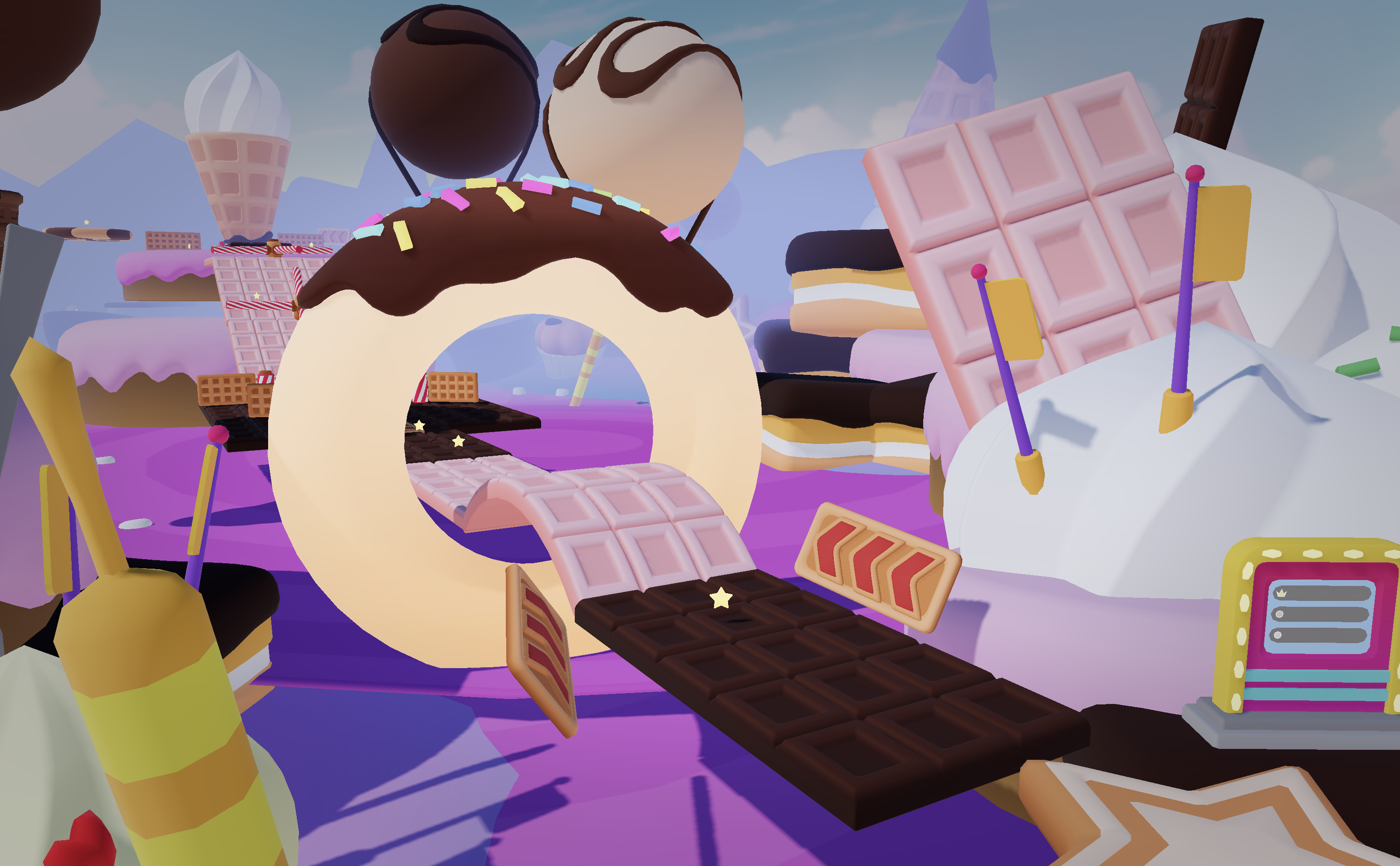
For a tycoon, you might generate a building and prop set from a single reference image using Nilo's asset pack feature, add vibe-coded drop logic and currency counters, playtest the economy loop in your browser, then export.
These examples highlight the core abilities that make browser workflows feel fast and fun. When you compare tools for your own projects, focus on three things that keep that speed: Does it run in the browser with no install? Does it handle retopology for you? Does it export to Roblox-friendly formats? Tools that cover all three, like Nilo, help you stay in creative flow. Tools that cover only one or two, such as Rosebud AI, which runs in the browser with AI support but lacks a full 3D engine, or Blender, which handles retopology but needs a desktop install and manual export, add friction at different stages.
Fixing Common Problems While You Build
Poor mesh quality: Early warning signs include “melted” geometry, uneven shapes, or textures that land in the wrong place. You can usually fix this by switching AI providers inside Nilo, such as trying Tripo instead of Meshy for organic shapes. You can also sharpen your prompt with more detail, like “blocky low-poly style, symmetrical front view,” or pair a reference image with your text.
Export errors in Roblox Studio: Most errors come from polygon counts that still sit above Roblox's cap. Go back to the LOD slider and push it lower. Also check that rig parts apply correctly. If a rigged model bends in strange ways when it animates, export as FBX instead of glTF and import again.
Vague prompts that miss the mark: Prompt clarity works like any other skill. Instead of “make a sword,” try “medieval short sword, low-poly, metallic blade, brown leather handle, Roblox style.” Specific prompts cut down on the number of times you need to regenerate.
Measuring When an Asset Is Truly Ready
Before you call an asset export-ready, run through this quick checklist:
- Topology looks clean, with no overlapping faces and no non-manifold edges.
- Polygon count sits under 20,000 triangles, which you can confirm in Nilo's LOD panel before export.
- Texture resolution stays at or below 1024×1024.
- Rig moves correctly in Nilo's preview before you export.
- At least one friend has playtested the world through a shared link without lag.
- Asset imports into Roblox Studio without errors and keeps stable FPS in a test place.
If FPS drops after import, return to Step 5 and reduce the LOD further. This usually means your polygon count is still too high. If FPS stays stable but collision masks or colors disappear on import, you likely have a format issue, so re-export and double-check your format settings.
Scaling Up Worlds and Working With a Community
Once you have a single asset moving smoothly through the pipeline, you can scale up. Use Nilo's asset pack feature to upload one reference image and pick which elements to generate as a set. This approach helps you build consistent prop libraries for full tycoon or obby worlds faster than generating each asset on its own.
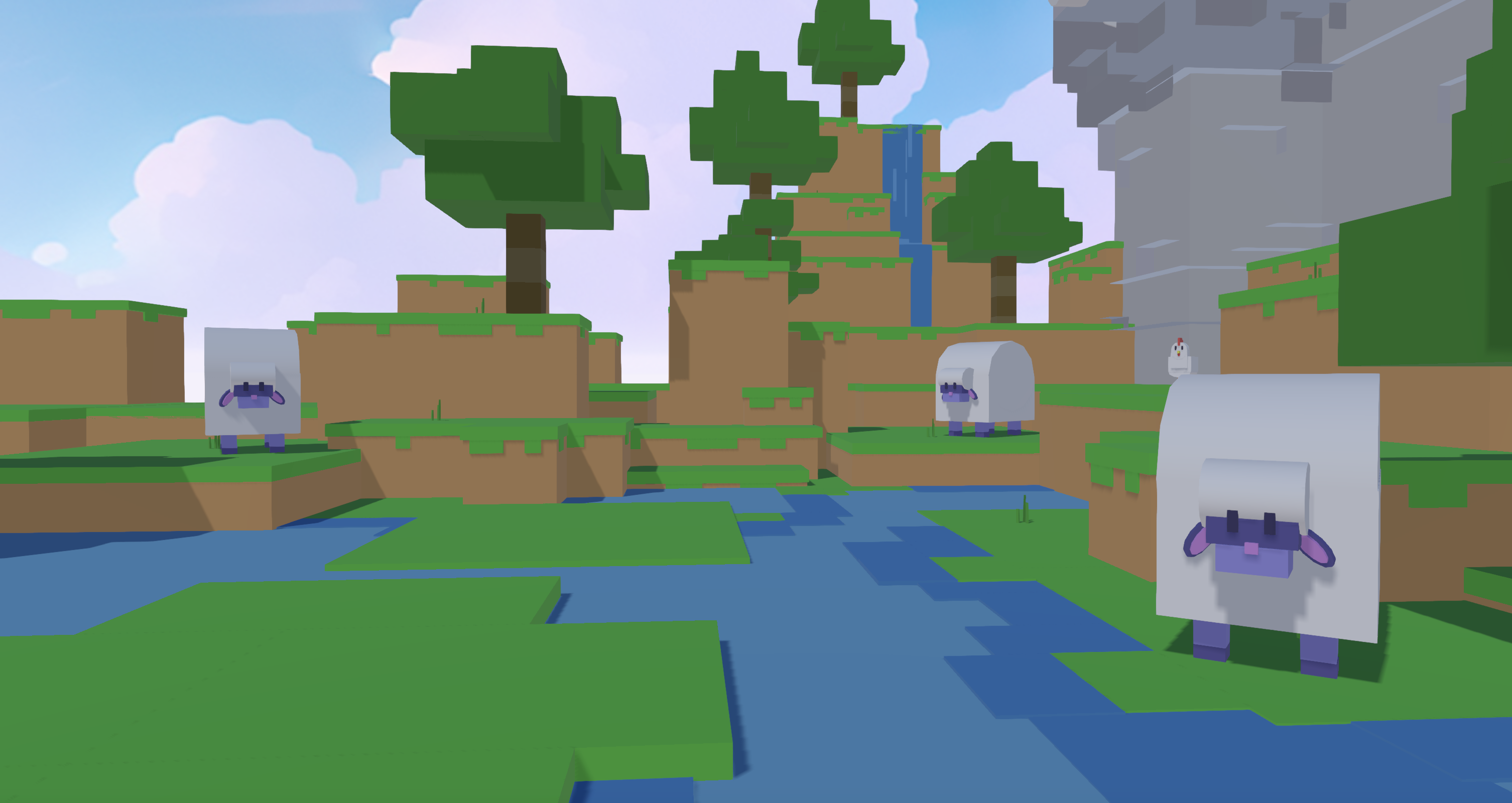
For larger worlds, keep individual asset polygon counts conservative, around 5,000–8,000 triangles per prop, so the full scene stays inside Roblox's performance budget. While Nilo's real-time LOD system can adjust on the fly if you push past that budget, planning your polygon use early saves you from re-optimizing a bunch of assets later.
After you publish, share your world link with Nilo's 9,000+ Discord community. Builders there trade techniques, show off projects, and give direct feedback, which usually feels faster and more specific than broad Roblox forums. You can then iterate based on what real players notice instead of relying only on your own solo testing.
Start building in Nilo's open beta and see how your ideas play with real people.
Frequently Asked Questions
Do I need any coding or 3D modeling experience to use this workflow?
No. This browser workflow is built for aspiring builders or already builders like you who have ideas but have not learned Lua or Blender yet. Vibe coding lets you describe gameplay logic in plain language and see it run right away. AI generation handles 3D modeling from text, sketches, or images. You will pick up real concepts like rigging, polygons, and mesh topology as you go, but you do not need them on day one.
How long does it take to go from idea to a Roblox-ready asset?
For a single prop such as a weapon, building piece, or character, the full flow of generate, rig, optimize, and export usually takes 10–20 minutes in Nilo. A simple obby asset pack with five to ten pieces can be ready in under an hour. More complex tycoon environments with vibe-coded logic take longer, but you still measure the work in hours instead of days.
Can I sell what I make on the Roblox Marketplace?
Yes. Assets you create and export from Nilo belong to you. You can publish them to the Roblox Marketplace as UGC items, use them in games you monetize with Robux, or sell them as commissioned work. Roblox pays creators over $1 billion each year through its creator economy, growing more than 30% year over year, and assets you build with this workflow fit into that ecosystem.
What export formats work best for Roblox?
FBX and glTF usually give the most reliable imports into Roblox Studio, especially for rigged and animated models. OBJ works well for static props. Nilo exports all of these formats. If you hit rig or animation issues after import, FBX is usually the safer choice for Roblox.
Is this workflow only useful for Roblox, or can I use it for other platforms?
The same assets export to the platforms mentioned earlier using standard formats. If you want to push a model further after export, you can bring it into Blender for advanced editing. The workflow focuses on Roblox, but it still supports other engines, so Nilo does not lock you in.
Ready to Start Building Roblox-Style Games in Your Browser?
You can follow a simple path: open a browser tab, generate your assets with text or sketches, rig and animate with one click, describe your gameplay logic, tune polygon counts with a slider, playtest with friends through a shared link, and export to Roblox Studio. You skip installs, Lua, and long Blender detours.
Nilo stands out because it brings generation, retopology, rigging, animation, vibe coding, collaboration, and Roblox-friendly export into one browser space. Builders in Nilo's February 2026 Survey consistently highlighted this speed and creative freedom, since the workflow removes technical barriers without limiting what you can build.
Creation should feel like play, not work. This browser-first approach keeps it that way for aspiring builders or already builders like you.
Open Nilo and start your first project with no install required.