Written by: Nuno Leiria, Founder & CEO @ Nilo
Key Takeaways
- Many Roblox players like you struggle to move from playing to creating because Roblox Studio, Unity, and Blender were built for professionals, not hobbyists.
- Scripting, manual asset cleanup, and constant tool-switching slow you down, no matter how experienced you are.
- Browser-based 3D creation environments remove installs, keep generation and world-building in one flow, and support real-time collaboration.
- When you compare tools, look for AI asset generation with automatic retopology, natural-language logic creation, automatic Roblox-safe limits, and clean export to standard formats.
- Nilo combines these features in a single browser tab, so you can start building and playing for free at try Nilo in your browser and start building today.
Why Roblox Creation Tools Slow Your Momentum
The friction hits you at every level, not just when you are starting out.
If you are new, scripting becomes the first wall. Roblox Studio expects you to know Lua before you can make anything interactive. Tutorials help, but they move fast and leave gaps. You either spend months trying to learn or give up and start hunting for a scripter to partner with.
If you are more experienced, the pain shifts to the tool chain. Getting a single asset from idea to Roblox Studio often means daisy-chaining tools. You generate in Meshy, clean up in Blender, optimize by hand, then import and fix whatever broke. One builder described it in a February 2026 Nilo survey: “Picture yourself, frustrated because you spent the last 5 hours 3D modeling a shipping container.”
Roblox also enforces strict performance limits, such as 20,000 triangles per mesh and 1024×1024 textures. Hitting those caps manually, every time, drains your creative energy fast.
A broader shift is happening toward browser-based and AI-assisted tooling. WebAssembly and WebGPU now let real game engines run inside a browser tab. AI can generate 3D models, animations, and working code in seconds. Together, these shifts close the gap between imagination and execution and create a new class of tools built to remove the friction you feel today.
Browser-Based 3D Creation Environments Explained
Browser-based 3D creation environments run entirely in your browser and keep your whole flow in one place. You avoid downloads and installs and move from asset generation to optimization, logic, and export without switching tools.

Fast Access on Any Device
You open a link and start building, with no hardware requirements and no setup. The same project works on desktop and mobile. This removes the first barrier most aspiring builders and already builders like you hit before anything gets made.
Connected Creation Flow
Asset generation, rigging, animation, and world building all live in the same environment. You keep your momentum instead of bouncing between apps. One survey respondent put it clearly: “It lets my imagination free and let loose instead of having to plan out a whole blueprint on what to make with my past modeling tools.”
Social Building with Friends
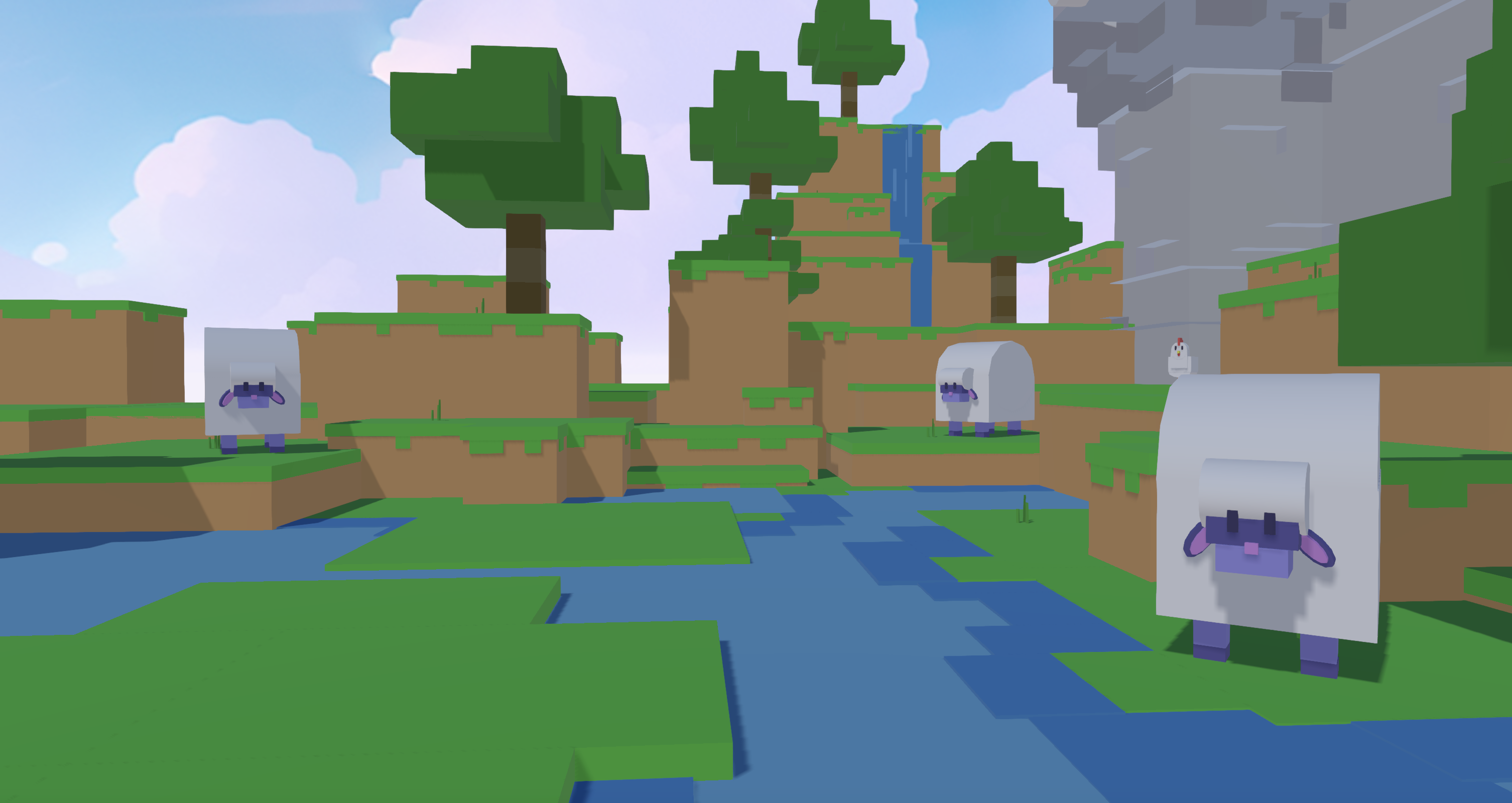
Real-time multiplayer creation lets you and your friends build together by sharing a link. You skip file transfers and version conflicts. Creation feels social again, just like the games that inspired you.
Game-Quality Performance in the Browser
Modern browser engines built on WebAssembly and WebGPU handle physics, collisions, and rendering at real game quality. Everything stays interactive by default. You can playtest inside the same place where you build.
Easy Export to Your Favorite Tools
Standard export formats such as FBX, OBJ, STL, and glTF keep your work portable. You can move assets into Roblox Studio, Unity, Blender, or Unreal Engine whenever you need to.
Six Capabilities You Should Compare
1. 3D Asset Generation and Cleanup Speed
The core challenge is messy AI output. Tools like Meshy generate models quickly, but the topology often breaks. Fixing that by hand in Blender can take 30 minutes or more per asset, which many builders call “retopology hell” on Reddit.
Most workflows sit on a spectrum from pure manual modeling in Blender to AI generation followed by manual cleanup. You trade speed for quality, since faster generation usually means more cleanup later.
Nilo stands out here by combining AI generation with real-time retopology and a level-of-detail system that adjusts polygon counts on the fly. Models come out Roblox-ready, so you skip the Blender detour. This directly solves the five-hour modeling sessions mentioned earlier, turning them into a 15-second step.
2. Natural-Language Logic and Vibe Coding
Scripting blocks more builders than any other step. You might have strong ideas but no Lua or JavaScript experience.
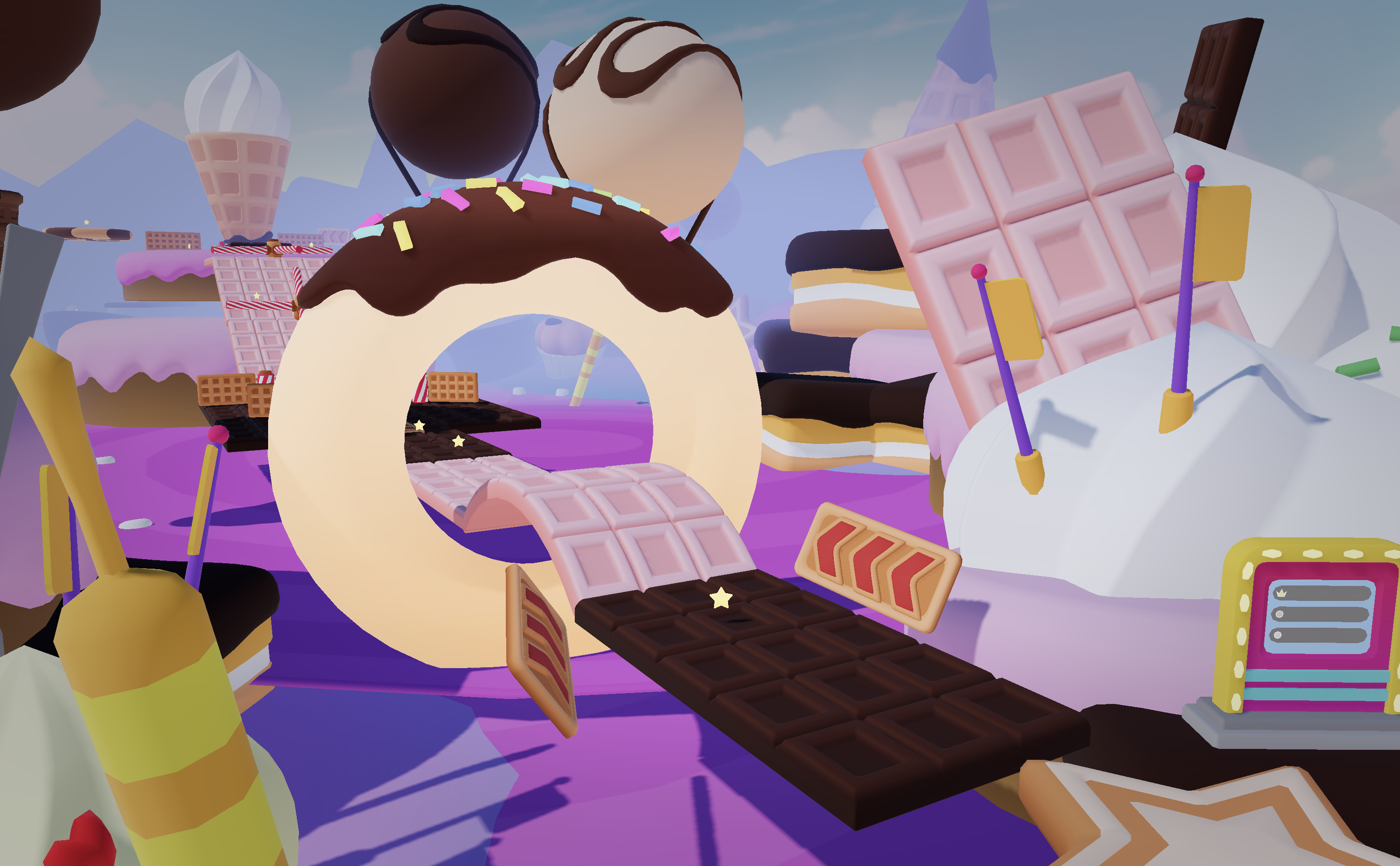
Vibe coding lets you create game logic by typing, talking, or sending images to an AI instead of writing code line by line. Natural language prompts can feel inconsistent when they are vague, so tools that show real-time feedback in the 3D world help a lot. You see what your words do and adjust quickly.
3. World Building Inside One Session
Assembling a full environment from individual assets takes time. Many tools treat world building and asset creation as separate jobs.
Integrated environments let you generate assets and place them in a world during the same session. Procedural tools and quick radial menus speed up layout. Different browser engines balance creative control and automation in different ways, so you should test how much freedom you feel while placing and editing.
4. Automatic Optimization for Roblox Limits
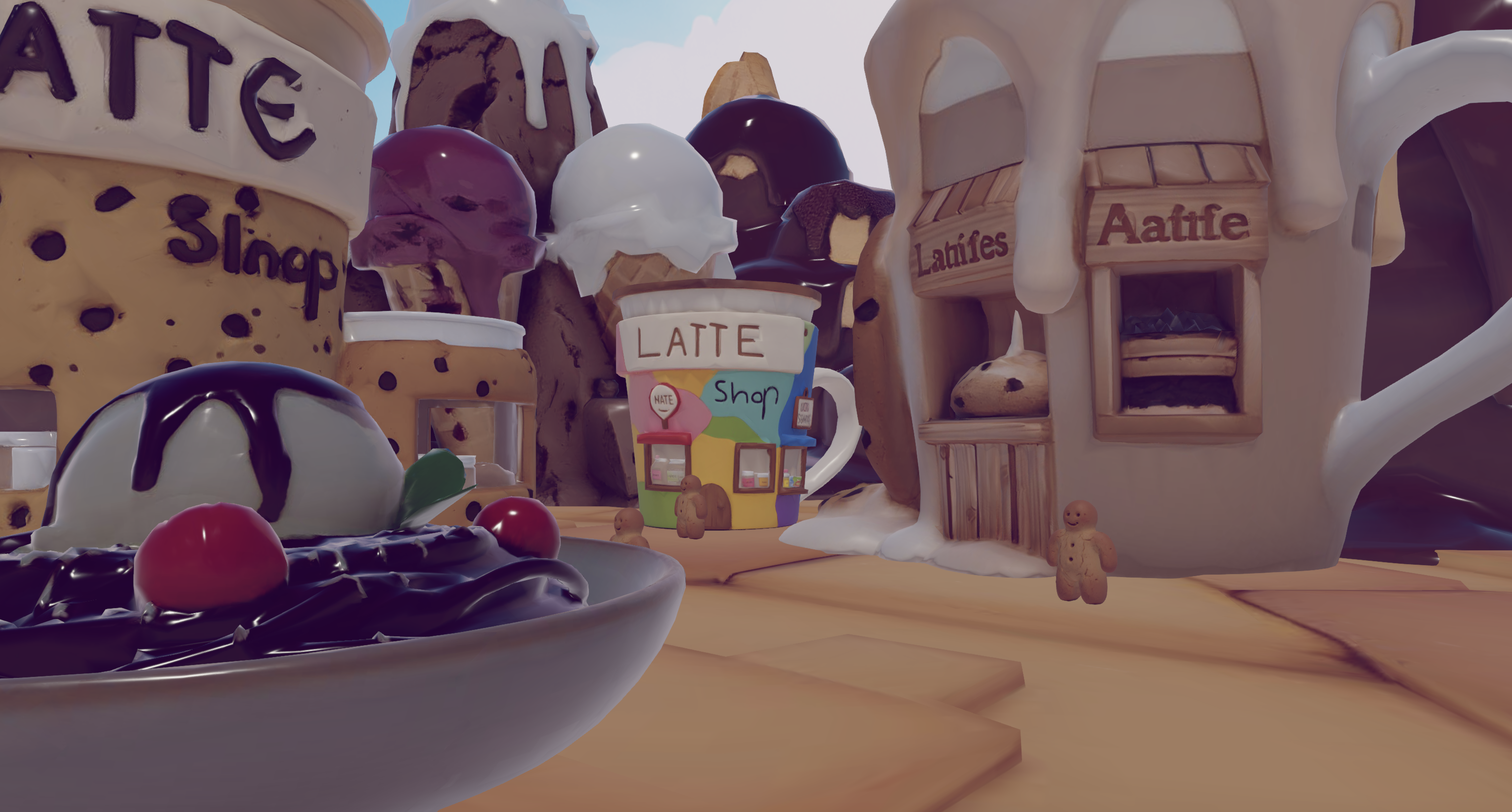
Roblox caps meshes at roughly 10,000 to 20,000 triangles. Hitting those limits by hand, asset by asset, frustrates many builders. High part counts cause lag and failed performance checks.
Automatic level-of-detail systems handle this work for you. Manual optimization in Blender gives more control but costs time. You decide how much precision you need versus how much speed you want.
5. Real-Time Collaboration for Teams
Most creation tools behave like single-player editors. Building with a team means sharing files, tracking versions, and juggling separate apps.
Browser-based platforms with multiplayer creation let you share a URL and build together instantly. Real-time collaboration depends on stable connections and smart conflict handling when two people touch the same object, so you should test this with a friend.
6. Export Quality and Interoperability
Assets that look correct in one tool often break when you import them into another. Rigs fail, colors shift, and collision masks disappear. Every export can turn into a debugging session.
Support for standard formats such as FBX, OBJ, STL, and glTF reduces these problems but does not remove them completely. Nilo exports to all standard formats and works with Roblox Studio, Unity, Unreal Engine, Blender, and VRChat. The platform avoids a walled-garden approach, so you can start in Nilo and continue anywhere. A third builder explained it this way: “I like how it feels like a good game engine rather than a vibe coding tool, with easy building and a good focus on being able to export and import content.”
How You Should Test Browser-Based Tools
You get the best results when you test tools against clear questions before you lock in a workflow.
- Onboarding: Try to generate and place a 3D asset within five minutes of opening the tool for the first time. If setup takes longer, your momentum drops.
- Roblox export quality: Export a test asset and import it into Roblox Studio. Check for missing textures, broken rigs, and polygon count violations.
- Performance under 20,000 triangles: See whether the tool automatically keeps meshes within Roblox’s polygon caps or expects you to fix that yourself.
- Collaboration needs: Invite a friend with a shared link and see if you can both build smoothly. Test on mobile and desktop if your group uses different devices.
- Learning value: Look at how the tool exposes concepts like rigging, mesh topology, and level of detail. You should be able to learn from the interface instead of having everything hidden behind automation.
| Tool | Browser-Based | AI Asset Generation | Auto Optimization for Roblox | Real-Time Collaboration | Vibe Coding | Standard Export Formats |
|---|---|---|---|---|---|---|
| Nilo | Yes | Yes (multi-model) | Yes (real-time LOD) | Yes | Yes | FBX, OBJ, STL, glTF |
| Roblox Studio | No (desktop install) | Limited | Manual | Limited | No | Roblox-native only |
| Rosebud AI | Yes | Yes | No | Limited | Yes | Limited |
| Sloyd | Yes | Yes (models only) | No | No | No | FBX, OBJ, glTF |
| Unity (browser editor) | Partial | Limited | Manual | Limited | No | Multiple |
Three Workflows That Might Match You
Scenario 1: First-Time Creator Building a Simple Map
You have never used a 3D tool before and want a simple map with custom props. Time is your main constraint, and you do not want weeks of tutorials before you see results.
A browser-based tool with AI generation and no install fits this situation well. Focus on whether the tool shows you changes in real time instead of spitting out a result you cannot control. Real-time feedback matters most here.
Scenario 2: Roblox Power Builder Needing Faster Assets
You already ship Roblox experiences. Your bottleneck is the Meshy to Blender to Roblox pipeline, and you spend 30 minutes or more per asset on cleanup that should feel automatic.
Export quality becomes the key decision. A tool that generates clean topology and respects Roblox’s polygon caps without extra steps saves you the most time. You likely still want Roblox Studio for final assembly, so reliable export is non-negotiable.
Scenario 3: Small Team Building One World Together
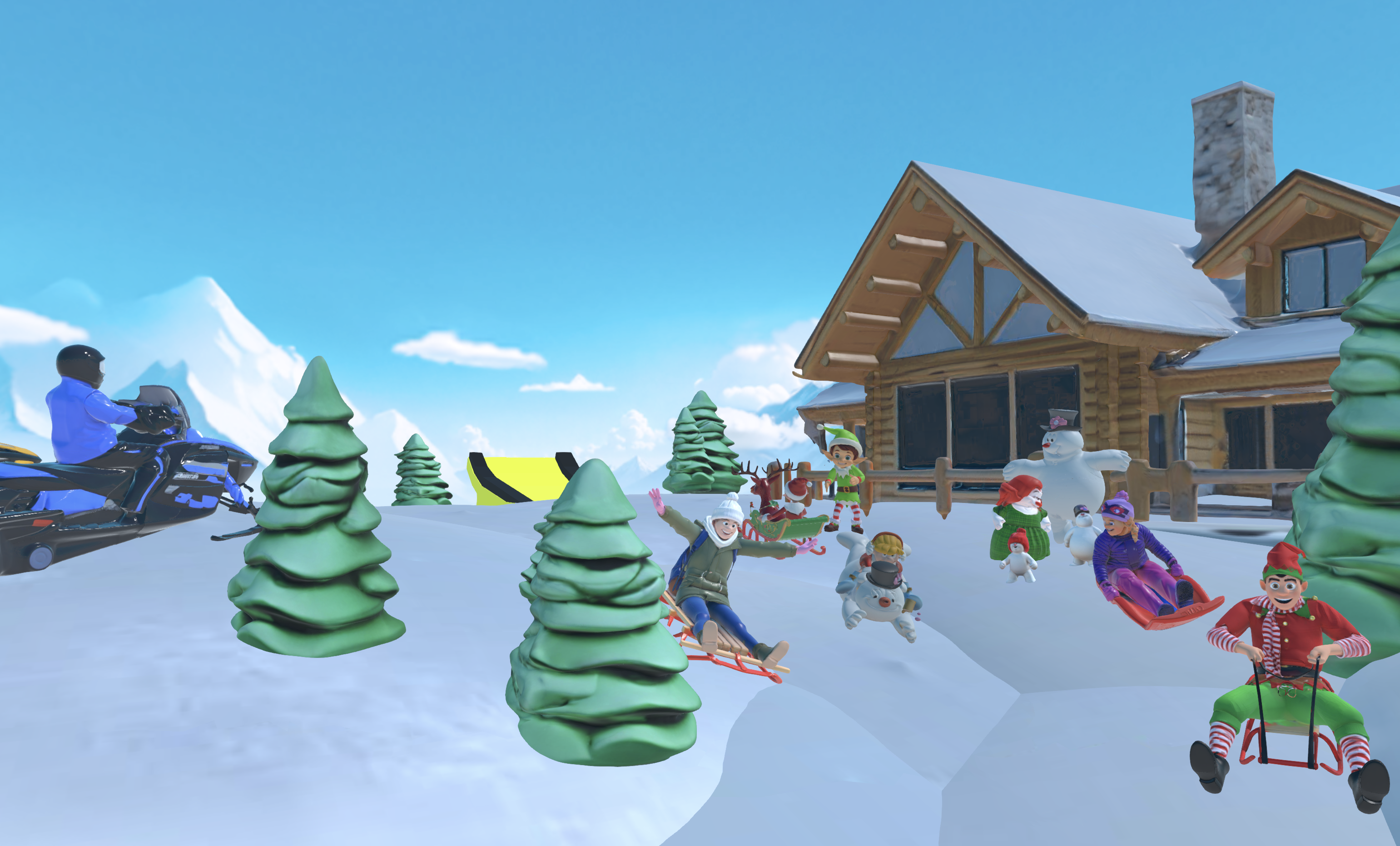
You work with two or three builders on the same world. Coordination slows you down, since file sharing breaks momentum and version conflicts waste time.
Real-time multiplayer creation becomes the deciding factor. Everyone should work in the same environment at once, on whatever device they have. Mobile support matters if not everyone owns a high-spec desktop.
Frequently Asked Questions
What is a browser-based 3D creation environment?
A browser-based 3D creation environment runs fully inside your web browser, with no downloads, installs, or special hardware. You open a link and start building. Strong platforms combine AI asset generation, world building, logic creation, and export in one place so you never switch tools mid-project.
Do I need coding or modeling skills to use these tools?
Newer AI-native platforms reduce that need a lot. Tools like Nilo let you describe what you want in plain language by typing, talking, or uploading a sketch or image, and the AI handles generation, rigging, and animation. You can still tweak code variables and learn real concepts at your own pace without writing everything from scratch.
Is browser-based creation as strong as desktop tools?
For asset creation and world building, browser-based tools now work very well, especially for Roblox workflows. Modern browser engines built on WebAssembly and WebGPU run physics and 3D rendering at game quality. The gap between browser and desktop has narrowed a lot. Desktop tools like Blender still offer deeper modeling control for professional pipelines, but browser tools now handle generating, preparing, and exporting Roblox-ready assets end to end.
What are the real limits of AI-generated assets?
AI generation can still feel inconsistent. You might see geometric defects, asymmetry, odd textures, or a “melted” look on complex shapes. Prompt clarity matters, since vague descriptions produce vague results. The strongest tools give you multiple AI model options and real-time editing controls so you do not just reroll the same prompt. Automatic retopology and level-of-detail systems cut down cleanup, though some assets will still need manual tweaks.
Who owns what I create in Nilo?
With Nilo, everything you create belongs to you. You can export models, skins, and assets and use them anywhere, including the Roblox Marketplace, UGC items, Unity, or Unreal Engine. Nilo avoids a walled-garden approach. Always read the terms of service for any tool you use, but Nilo’s stance stays clear: your creations are yours.
Choosing the Workflow That Fits Your Goals
The gap between playing and creating 3D worlds feels real, but you can close it with the right setup. The best tool for you depends on where you are in your builder journey and what slows you down most.
If scripting blocks you, vibe coding tools that accept natural language remove that barrier without forcing you to learn Lua first. If Blender cleanup eats your time, automatic retopology and level-of-detail systems give those hours back. If building alone kills your motivation, real-time multiplayer creation makes the process social again.
No single tool fits every builder. You should evaluate based on your real constraints, such as onboarding speed, export quality, optimization automation, collaboration needs, and how much you want to learn versus how much you want the tool to handle. The comparison table above gives you a clear starting point.
Nilo stands out for builders who want to stay in creative flow from generation to Roblox export. Automatic optimization, multi-model AI generation, real-time collaboration, and standard format export all live in one browser tab. In a February 2026 Nilo survey, 93% of builders said they would recommend it to a friend, and 82% rated their experience as “Awesome” or “Good.”
Your best next step is to test these tools against the criteria that matter for your workflow. Start with the questions in Section 5, pick the scenario from Section 6 that matches your situation, and build something real.
Jump into Nilo’s open beta and build your first world for free