Written by: Nuno Leiria, Founder & CEO @ Nilo | Last updated: June 24, 2026
Key Takeaways for Aspiring 3D Builders
- Roblox Studio, Unity, and Blender create steep barriers for beginners through scripting requirements, desktop installs, and fragmented workflows that kill your creative momentum.
- Browser-based, AI-native 3D creation platforms remove these friction points by handling modeling, scripting, and optimization automatically, with no downloads or coding required.
- Key capabilities to check include AI-powered 3D asset generation, natural-language logic creation (vibe coding), real-time LOD optimization, and direct Roblox export compatibility.
- Whether you are a first-time creator, an existing Roblox builder who wants to skip scripting, or collaborating with friends, the right tool lets you go from idea to playable world in minutes.
- Start creating your first 3D world in Nilo’s open beta with no download.
Why Traditional Tools Drain Your Momentum
Momentum keeps you building. The longer the gap between “I have an idea” and “I can see it working,” the more likely you are to quit.
Scripting creates the biggest wall. You can build a beautiful environment in Roblox Studio, but without Lua scripting nothing moves, nothing reacts, and nothing feels like a game. That forces a choice. You either spend weeks learning to code or hunt for a scripter to partner with. Most aspiring builders do neither and quietly drop the project.
Tool fragmentation makes this even harder. Creating a single game today usually means learning a modeling tool, a code editor, a game engine, and game design basics as separate steps. As one builder described it in Nilo’s February 2026 survey: “Picture yourself, frustrated because you spent the last 5 hours 3D modeling a shipping container.”
That same survey found that 72% of builders said Nilo makes their creative process easier by “a lot,” which shows how much friction exists in current workflows. The 93% recommendation rate reinforces this. When nearly everyone would tell a friend to try the tool, the message is clear: the standard toolchain is failing aspiring builders at scale.
Optimization anxiety adds another layer. Roblox caps polygon counts at 10K–20K per mesh. If you do not know what a polygon is, or how to reduce them, your assets will not import correctly. That is a technical problem most aspiring builders cannot solve alone.
The pattern stays the same across skill levels. You feel excited at the start, hit friction in the middle, then burn out before the finish line. A different kind of tool needs to break that pattern.
Browser-Based, AI-Native Platforms That Let You Stay in Flow
Browser-based, AI-native 3D creation platforms now tackle all three friction points at once. These tools run entirely in your browser, so you avoid downloads, installs, and high-end hardware. They use AI to handle the technical work like modeling, rigging, animation, and code, so you can stay focused on building your world.
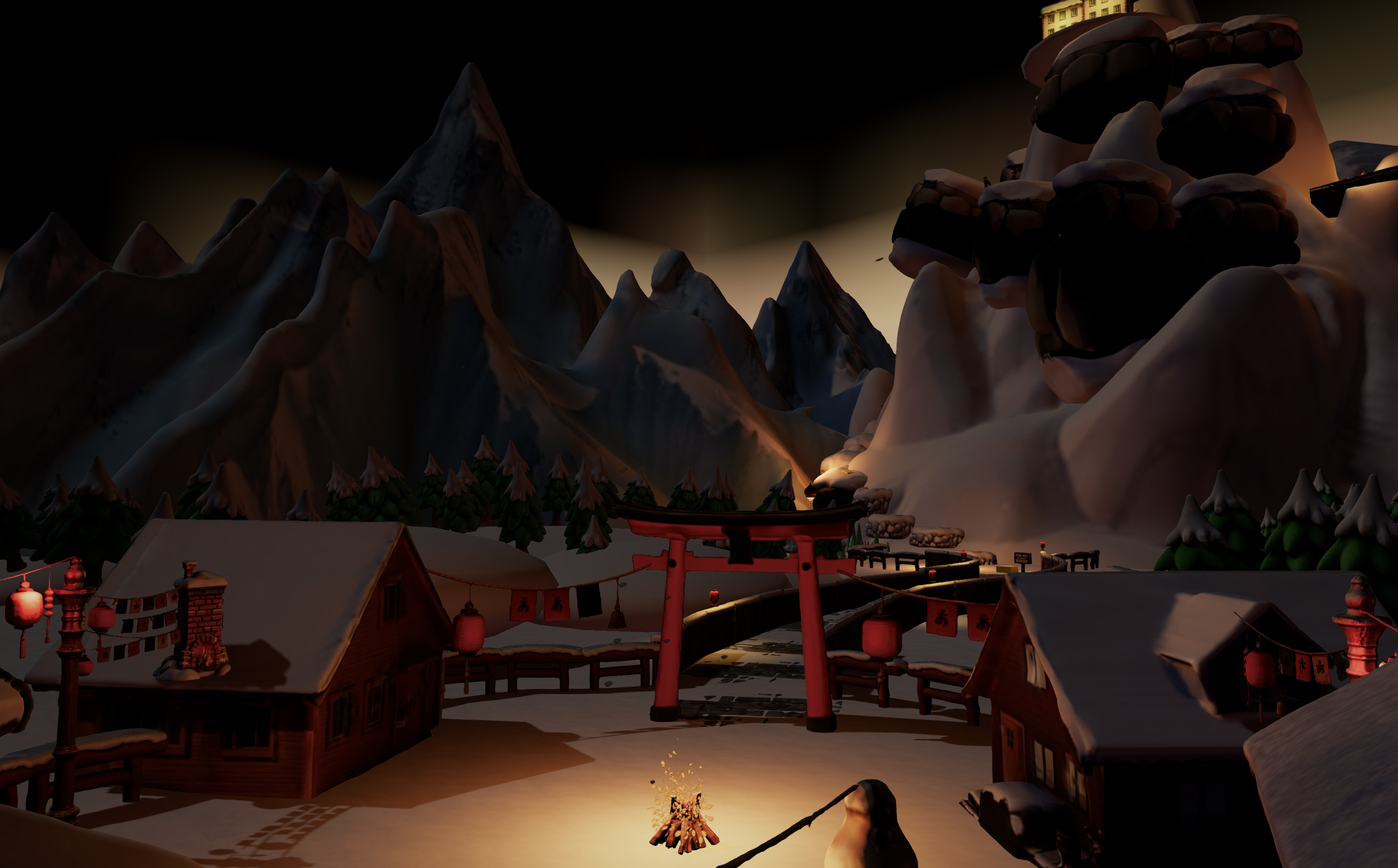
This approach feels very different from desktop engines such as Roblox Studio, Unity, or Godot. Those tools are powerful, but they were built for professionals and assume you already know how to model, script, and optimize. Browser-based AI-native platforms assume you do not, then fill those gaps automatically.
Prompt-to-game tools like Rosebud AI or Arcade AI sit in another category. They generate a game from a text prompt but give you limited control over the result. When something breaks or looks wrong, you wait for a full regeneration. A more practical category puts you inside a 3D environment where you build, tweak, collaborate, and play in real time, with AI acting as your co-pilot instead of your replacement.
Think of it as the difference between wearing an Iron Man suit and sitting in Wall-E’s chair. You get superpowers while still driving the process.
Recent web technology makes this possible. WebAssembly lets high-performance code run in your browser. WebGPU brings near-native graphics to the web. Real-time multiplayer networking lets you and your friends build together live. The same shift that let Figma move professional design into the browser is now happening for 3D game creation.
Key Capabilities to Check Before You Commit
You can compare browser-based, AI-native 3D creation platforms by focusing on a few core capabilities that matter most for aspiring builders like you.
Fast 3D Asset Generation and Easy Refinement
You should be able to describe what you want in text, a sketch, or an image and get a 3D model back in seconds. Quality varies a lot between platforms, so pay attention to control. Look for tools that let you switch between multiple AI model providers, so you are not locked into one generator.

Refinement matters just as much. You want to adjust the model after generation instead of re-rolling over and over. Nilo stands out here with a model-agnostic setup that hides providers like Meshy and Tripo behind one interface, so you can chase the best result without breaking your creative flow. Another builder from the same survey said: “I do not have to spend hours on 3D modeling the simplest things. Now I can use Nilo and do it in 15 seconds.”
Try Nilo’s asset pipeline in the open beta and build a scene in minutes.
Natural-Language Logic Creation (Vibe Coding)
Vibe coding lets you create game logic by describing what you want in plain language instead of writing code from scratch. You type or say “make this door open when a player walks near it,” and the AI generates working code on the spot. Look for tools that also reveal the actual code and variables, so you can tweak values like speed or range and slowly learn real programming concepts while you build.
World Building With Built-In Physics
Asset generation only gets you halfway. You also need a 3D environment where you can place, arrange, and test your assets in real time. Built-in physics should handle movement, collisions, and reactions without extra setup. The strongest tools make everything interactive by default, so your world feels alive as soon as you drop objects in.
Real-Time Level-of-Detail (LOD) Optimization
LOD systems adjust how detailed a 3D model looks based on camera distance. This matters a lot for Roblox, which enforces strict polygon caps. If a tool does not handle LOD automatically, you will spend hours reducing polygon counts by hand. That kind of technical grind kills momentum fast.
Collaboration That Feels Like Playing Together
Building with friends should feel as simple as sharing a game link. Look for real-time multiplayer creation where you send a link and everyone can build together instantly on any device. When collaboration lives at the core of the tool, you avoid messy file transfers and version conflicts.
Roblox Export That Just Works
If you want to publish on Roblox, your tool needs to export in formats Roblox Studio accepts, such as FBX, OBJ, or glTF. It should also respect Roblox’s polygon and texture limits automatically. Manual cleanup after export wastes time and defeats the whole point of using AI help.
Quick Comparison: Browser vs Desktop, AI vs Manual, Single Tool vs Fragmented
| Dimension | Desktop Tools (Roblox Studio, Unity, Blender) | Browser-Based AI-Native (for example, Nilo) |
|---|---|---|
| Setup | Download, install, configure hardware | No install, open a link and start building |
| Scripting | Manual code required (Lua, C#, GDScript) | Natural language prompts generate working code instantly |
| 3D Modeling | Manual (Blender takes months to learn) | AI text-to-3D and sketch-to-3D in seconds |
| Optimization | Manual retopology and polygon reduction | Real-time LOD system handles optimization automatically |
How to Choose the Right Tool for Your Goals
Every tool involves trade-offs, so you should match the platform to what you want to build and how you like to learn.
Onboarding speed: Measure how long it takes to go from sign-up to your first working asset. If that takes hours, you will feel friction fast. Aim for tools where you can create something real in under 10 minutes, because speed keeps you motivated through the early learning curve.
Output quality: Once you can create something quickly, you need results worth improving. AI-generated assets vary widely, so check whether the tool lets you refine, adjust, and iterate. If you are stuck with whatever the AI gives you, you will hit frustration again.
Export compatibility: When your goal is Roblox, confirm that the tool exports in compatible formats and respects Roblox’s polygon caps automatically. That connection between creation and publishing keeps your workflow smooth.
Performance limits: Browser-based tools have grown a lot more powerful, but you still need to test how they handle complex worlds, especially on mobile. A tool that lags on your usual device will slow down your sessions and break your flow.
Learning value: Some tools teach you real concepts like rigging, mesh topology, and physics through the interface. Others hide everything behind AI. Hidden systems can feel faster at first but leave you with less understanding later. Decide how much you want to learn under the hood while you build.
Godot and GDevelop are also worth exploring as free, open-source options. Godot supports 3D and uses its own scripting language, while GDevelop focuses on beginner-friendly 2D creation. Both require a serious learning investment before you can build interactive 3D experiences, and neither runs as a browser-based, AI-native platform.
Three Realistic Paths for Different Types of Builders
Scenario 1: First-Time Creator Testing 3D
You have never used a 3D tool before and want to build a simple world you can share with friends. A browser-based platform with no install requirement gives you the easiest starting point. You open a link, generate your first asset with a text prompt, and step into a playable world within minutes.
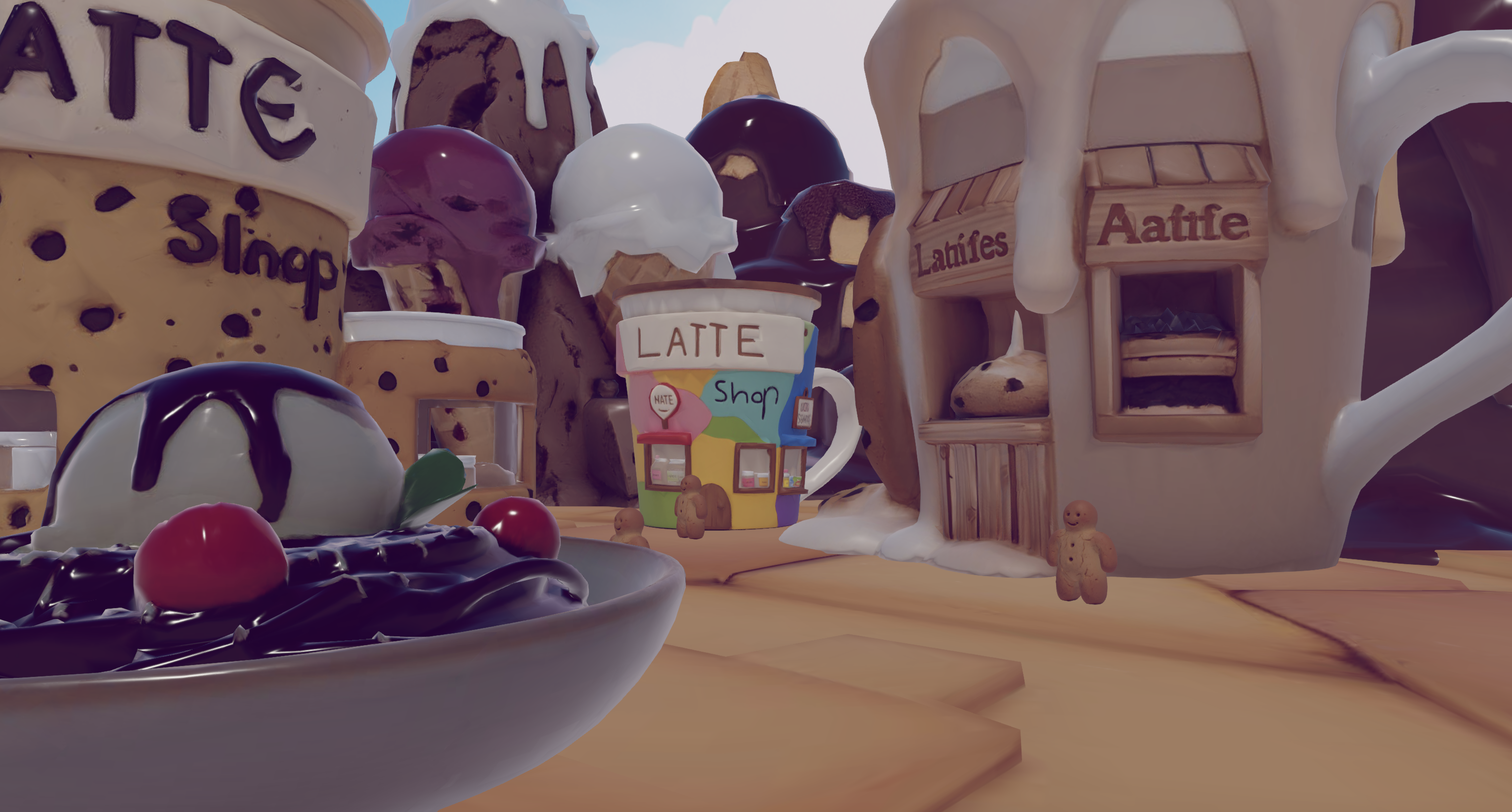
Onboarding speed and forgiveness matter most here. You want a tool that recovers gracefully when your first prompt does not match what you imagined, so you keep experimenting instead of giving up.
Scenario 2: Roblox Builder Who Wants to Skip Scripting
You already build in Roblox Studio and feel confident with environments and layouts. Lua scripting still blocks you from making interactive games. You need a tool with vibe coding and direct Roblox export support.
Nilo’s built-in code editor accepts natural language prompts and generates working code with real-time feedback, then exports Roblox-ready assets with automatic LOD optimization. Another builder from the same survey noted: “I like how it feels like a good game engine rather than a vibe coding tool, with easy building and a good focus on being able to export and import content.”
Scenario 3: Small Team Building Together
You and two friends want to build a game as a team. You handle building, one friend throws out ideas, and the other playtests while you work. You need real-time multiplayer creation so everyone can join the same world through a link and build together instantly.
Look for tools where collaboration sits at the core of the experience. When live editing, chat, and shared sessions feel natural, you spend more time building and less time syncing files.
Frequently Asked Questions
Why do so many aspiring Roblox developers abandon their projects?
Most projects stall when builders hit the scripting wall. Roblox Studio needs Lua scripting for any interactive logic, such as doors that open, enemies that move, or scores that update. Without scripting skills, your build stays static. Many aspiring builders do not have the time or support to learn a full programming language, and finding a reliable scripter is hard. When you add the complexity of 3D modeling and optimization, it becomes easy to walk away before the game feels playable.
What is the most beginner-friendly 3D game engine?
The answer depends on what you want to make. GDevelop feels friendly for 2D games. Godot supports 3D and is free and open-source, but it has a noticeable learning curve. If you want to create 3D worlds without coding or installing software, browser-based AI-native platforms such as Nilo focus on that exact use case. You describe what you want, and the AI handles the technical work while you stay focused on building.
Is Godot 100% free?
Yes. Godot is completely free and open-source under the MIT license. You pay no royalties, no subscription fees, and face no paid tiers. The trade-off is the time you spend learning the engine, especially for 3D, and the lack of built-in AI-assisted asset generation or browser-based access.
Can I build Roblox games without knowing how to script?
Roblox Studio on its own still requires scripting for interactive game logic. Browser-based platforms with vibe coding give you another path. You describe game behavior in plain language, and the AI generates working code. Nilo’s natural language code editor works in any language and shows results in real time inside your 3D world. You can also see and edit the actual code variables, so you slowly learn real concepts as you build.
Do browser-based 3D tools work on mobile?
The strongest ones do. Nilo runs on desktop and mobile browsers using WebGPU, with a WebGL fallback for older devices. You do not install anything on either platform. Performance still depends on your specific device, so you should test your own hardware, but you no longer need a high-end gaming PC just to start building.
Conclusion: Match Your Tool to How You Want to Build
The core problem remains the same. Moving from player to creator still feels harder than it should. Scripting barriers, desktop installs, and fragmented workflows stop many aspiring builders before they ship anything.
Browser-based, AI-native platforms tackle those barriers directly. They will not replace engines like Unity or Unreal for large commercial titles, but they make a lot of sense if you want to create playable 3D worlds, skip the scripting grind, and build with friends without downloading heavy software.
Nilo stands out in this space as a game engine first, not just a prompt-to-game wrapper. You get a full asset creation pipeline, real-time LOD optimization, vibe coding, and direct Roblox export, all inside your browser. The platform is in open beta and currently free to try.
Try Nilo’s open beta today and see how fast you can ship your first 3D world.