Written by: Nuno Leiria, Founder & CEO @ Nilo | Last updated: July 15, 2026
Key Takeaways for Your First Engine
- Most professional 3D engines bury you in installs, scripting walls, and hardware demands, so many people quit before finishing a project.
- Four simple criteria, browser access, AI help, scripting needs, and hardware limits, show fast if an engine fits your life and devices.
- Nilo stands out as a fully browser-based, AI-native tool that lets you generate, rig, and export Roblox-ready assets from text, sketches, or images without installs or coding.
- Compared to Roblox Studio, Godot, Unity, and others, Nilo removes the usual blockers while still creating models that import cleanly into Roblox Studio.
- Ready to skip setup and start building worlds faster? Try Nilo in your browser today and turn your first idea into a playable asset in minutes.
The Problem: Why Most Professional Tools Feel Overwhelming
You face a long checklist before anything appears on screen in a traditional workflow. You have to install software, learn the editor panels, learn enough syntax to avoid being blocked by a typo, and wire several pieces together. Many people stop there, long before they finish a first project.
Hardware blocks you too. Unreal Engine 5 needs a powerful system and uses a lot of resources, which feels like overkill when you just want to make something move. Unity is heavier to set up and has a steeper interface for a first-timer than lighter tools.
The Blender grind adds more friction. One builder in Nilo’s February 2026 survey said, “Picture yourself, frustrated because you spent the last 5 hours 3D modeling a shipping container.” That is time you could spend actually building worlds.
How to Evaluate Beginner-Friendly 3D Game Engines
These frustrations around installs, scripting walls, hardware, and slow workflows point to four criteria that really matter when you pick your first engine. Before you commit to any tool, run it through these four filters:
- Browser access, Can you open it in a tab and start building, or do you need to download gigabytes first?
- AI assistance, Does the tool let you describe what you want in plain language, or do you already need modeling and scripting skills?
- Scripting requirements, Can you make something interactive without writing code, or is scripting the only way forward?
- Hardware needs, Does it run on a school laptop, or does it demand a dedicated GPU?
These four filters reveal more about whether an engine fits your daily life than any long feature list.
What Is the Easiest 3D Game Engine for Beginners?
Your easiest engine depends on where you start and what you want to build. Here is how the main options compare against the four criteria.
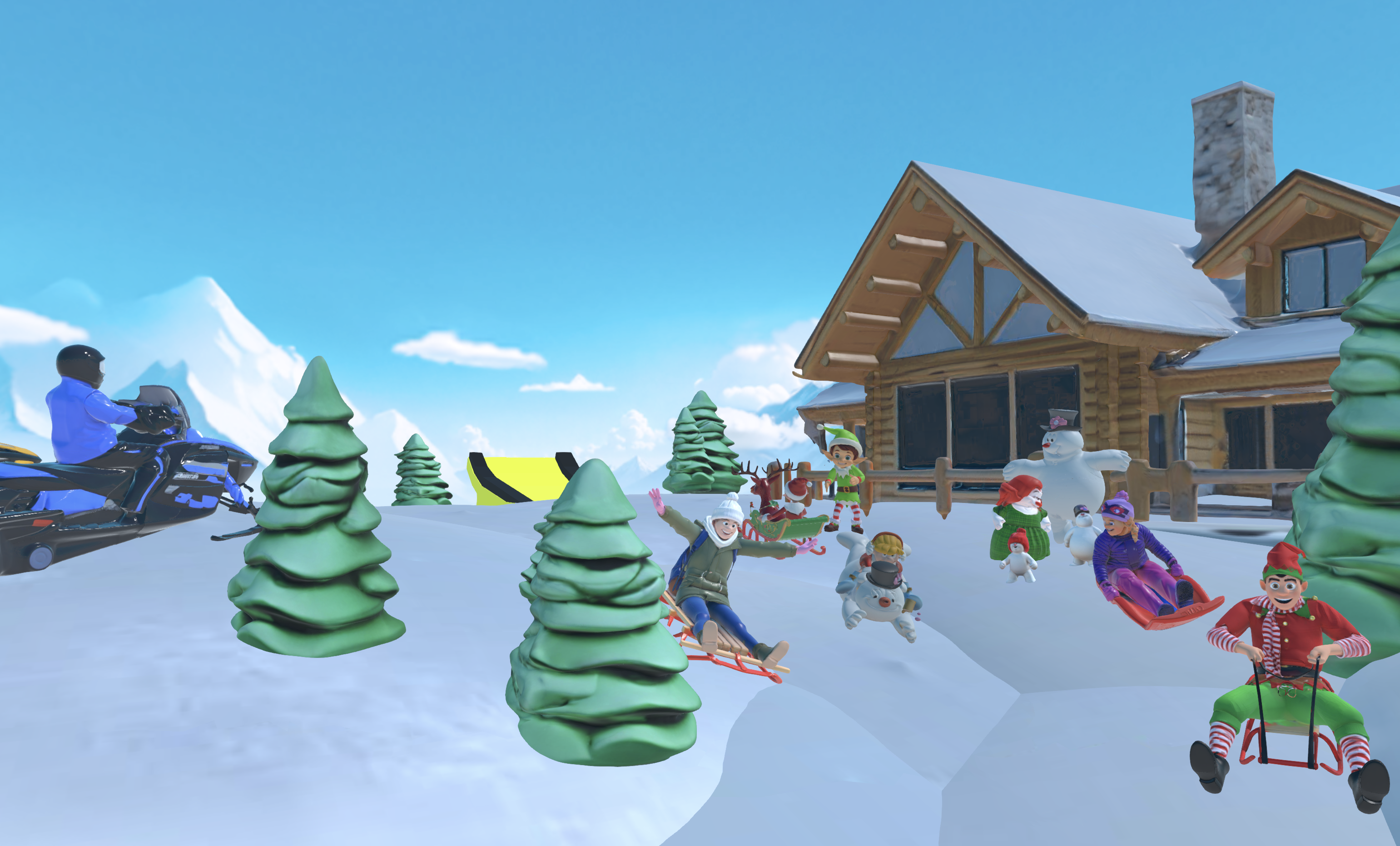
Nilo stands out if you want to go from idea to Roblox-ready asset without leaving your browser. You generate 3D characters, props, and environments from a text prompt or sketch, adjust polycount so models work directly in Roblox Studio without extra steps, rig with one click, and export FBX in the same tab. You avoid installs, scripting, and powerful GPUs. In Nilo’s February 2026 survey, 93% of builders said they would recommend it to a friend, 82% rated their experience as “Awesome” or “Good,” and 72% said it makes their creative process easier by “a lot.” One builder shared, “I do not have to spend hours on 3D modeling the simplest things. Now I can use Nilo and do it in 15 seconds.”
Roblox Studio focuses on builders and fits the Roblox ecosystem well. It is free and built specifically for Roblox games. You still need a desktop install, Lua scripting for interactive elements, and you do not get built-in AI generation. Roblox Studio works best once you already have assets ready to place.
Godot is free, open-source, and scored 92/100 on beginner-friendliness in a 2026 evaluation that ranked engines on cost, setup friction, scripting difficulty, and documentation quality. Its GDScript language feels close to Python. The 3D learning curve gets steep even though version 4 improved 3D a lot, and there is no built-in AI generation.
Unity is industry-standard and supports around 20 platforms. It is challenging for complete beginners but still more accessible than engines with similar power such as Unreal Engine. You need C# scripting and a desktop install.
PlayCanvas runs in the browser with a collaborative cloud editor, and Three.js made its WebGPURenderer production-ready with zero config and automatic WebGL fallback in 2026. It mainly targets professional web developers, and AI help stays limited.
Rosebud AI runs in the browser and feels AI-first, so you can build fast 2D prototypes and share them by link. Its ceiling arrives early for deeper projects, and it does not include a full 3D engine or Roblox export pipeline.
Blender is the standard for 3D modeling, but it is not a game engine. Learning Blender “could take you a lifetime”, and it has no AI generation, no browser access, and no game scripting environment.
Open Nilo in your browser and create your first AI-generated asset.
Is Godot or Unity More Beginner Friendly?
For most people starting from zero, Godot feels easier at the beginning. Godot’s download, ranging from 28–189.3 MB depending on the operating system, needs no installer, account, or license and can be unzipped and run immediately, while an empty Godot project is roughly 3 KB versus hundreds of MB or more for an empty Unity project. Its GDScript language stays close to Python.
Unity offers a larger tutorial library and stronger job-market value. At the same time, Unity highlights four main drop-off points for complete beginners, interface overwhelm, the first error message without debugging skills, the gap between following tutorials and building original ideas, and the scripting wall of learning logic and syntax together.
Neither Godot nor Unity runs in the browser or includes built-in AI generation. If you want Roblox-ready assets without scripting or installs, Nilo removes that friction so you can stay in creative flow from prompt to export.
Can a 10-Year-Old Use Unity?
A 10-year-old can open Unity, but the climb is steep. Unity expects beginners to write C# code from day one and does not offer a visual scripting system as advanced as Unreal’s Blueprints. A complete beginner working part-time with no coding background can spend 2–8 weeks on a first tiny game, and that assumes steady effort.
Hardware adds more pressure. Unity projects can take hundreds of MB or more, and the editor hits older machines hard. For a 10-year-old on a school laptop, that setup alone can end the session before it starts.
Nilo removes these barriers. You skip installs, C#, and GPU requirements. You open a browser tab, type what you want to build, and your 3D asset appears in seconds. You get serious creation power without a professional studio setup.
Is Unreal Engine Kid Friendly?
Unreal Engine does not target beginners. Its core or minimal installation is typically 25–50 GB, and full installs with all components often exceed 100 GB. It expects dedicated-GPU hardware and mainly uses C++, even though Blueprints visual scripting exists. The first month in Unreal Engine 5 feels harder than the first month in Unity or Godot because of configuration options, render pipeline complexity, and project structure.
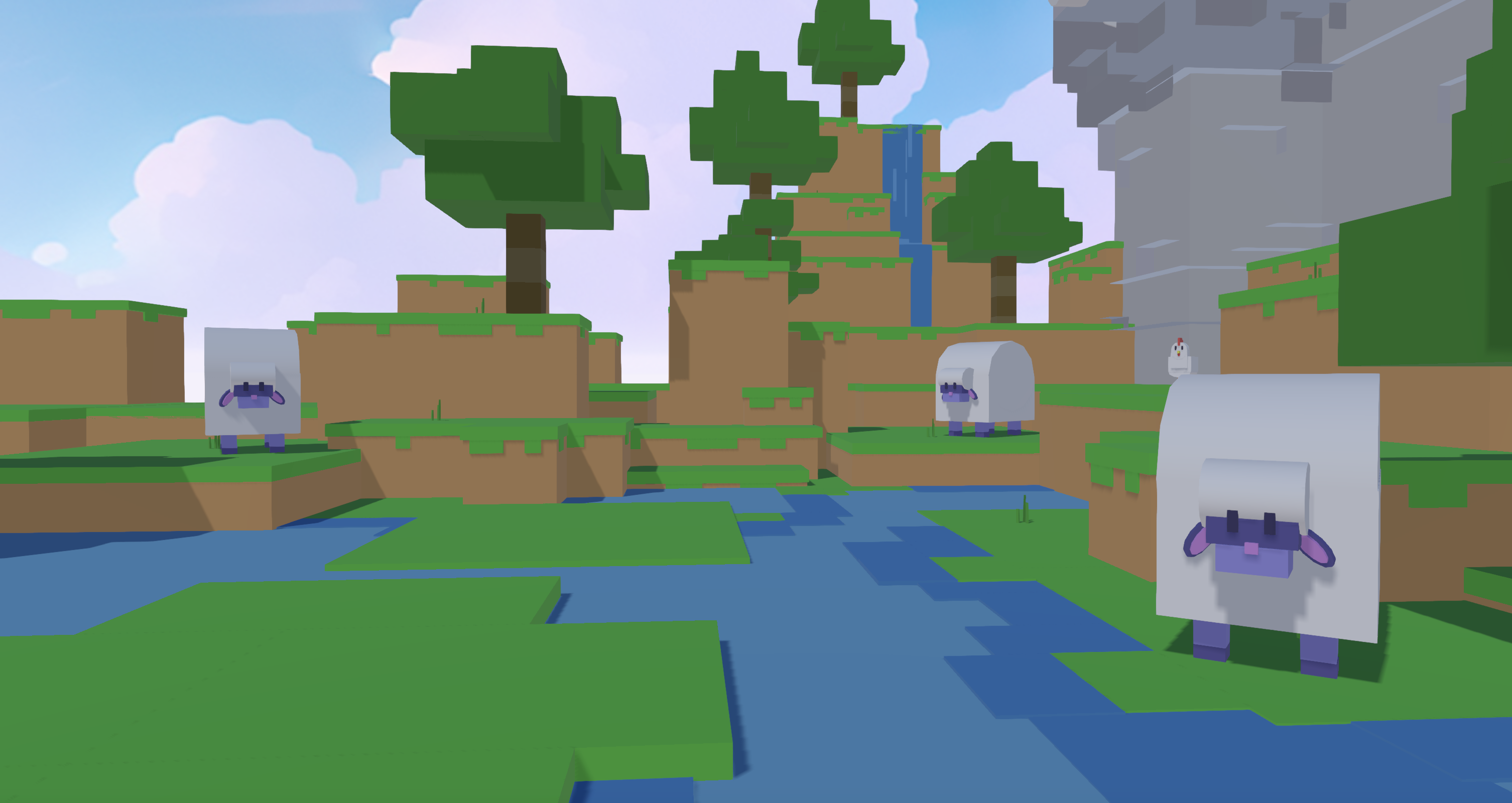
Nilo offers a different path. It runs in any modern browser, desktop or mobile, with no download. Its custom engine uses C++ physics compiled to WebAssembly and WebGPU graphics, so you still get real game performance in a tab. You do not need a gaming PC or a custom render setup. You just build.
Comparison Table: Browser Access, AI Assistance, Scripting, Hardware Needs
| Engine | Browser Access | AI Assistance | Scripting Required | Hardware Needs |
|---|---|---|---|---|
| Nilo | Yes, fully browser-based, no install | Yes, text, sketch, and image prompts with a model-agnostic AI layer | No, natural language vibe coding available | Any device, desktop and mobile browsers |
| Roblox Studio | No, desktop install required | Limited, Roblox AI Assistant for world changes via natural language prompts | Yes, Lua for interactive elements | Moderate, desktop only |
| Godot | No, download ranging from 28–189.3 MB depending on OS, no installer needed | No built-in AI generation | Yes, GDScript (Python-like) | Low, runs on a modest laptop |
| Unity | No, desktop install required; projects can require hundreds of MB or more | Limited, third-party integrations | Yes, C# required from day one | Moderate to high |
| PlayCanvas | Yes, collaborative cloud editor | Limited | Yes, JavaScript | Low to moderate |
| Rosebud AI | Yes, browser-based, shareable link | Yes, prompt-based | No, but ceiling arrives early for deeper projects | Low |
| Blender | No, desktop install required | No built-in AI generation | Yes, Python for advanced use | Moderate to high; steep learning curve |
How Nilo Fits What You Actually Want to Build
Creation should feel like play, not like filling out a tax form. Nilo is built around that idea from the start.
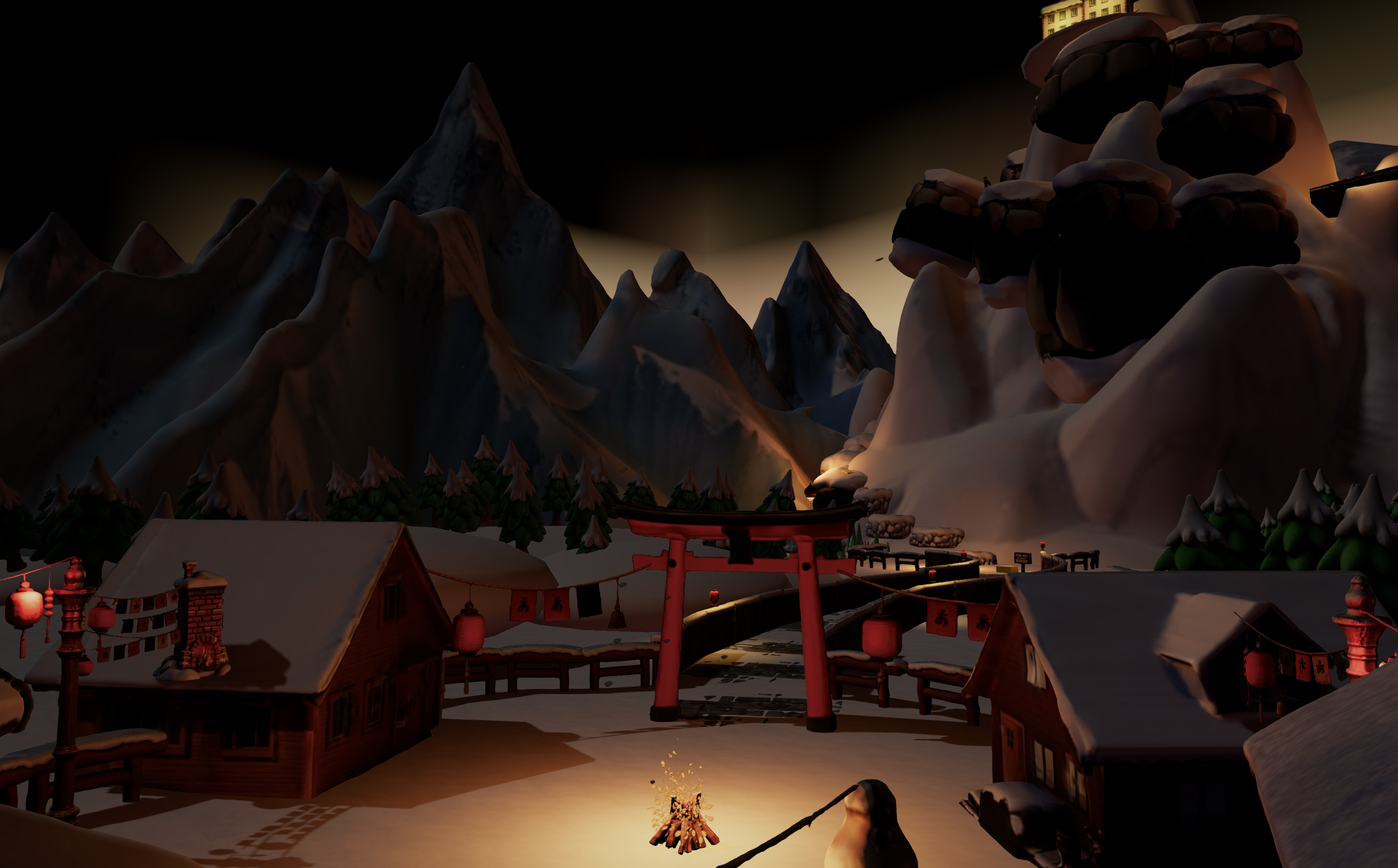
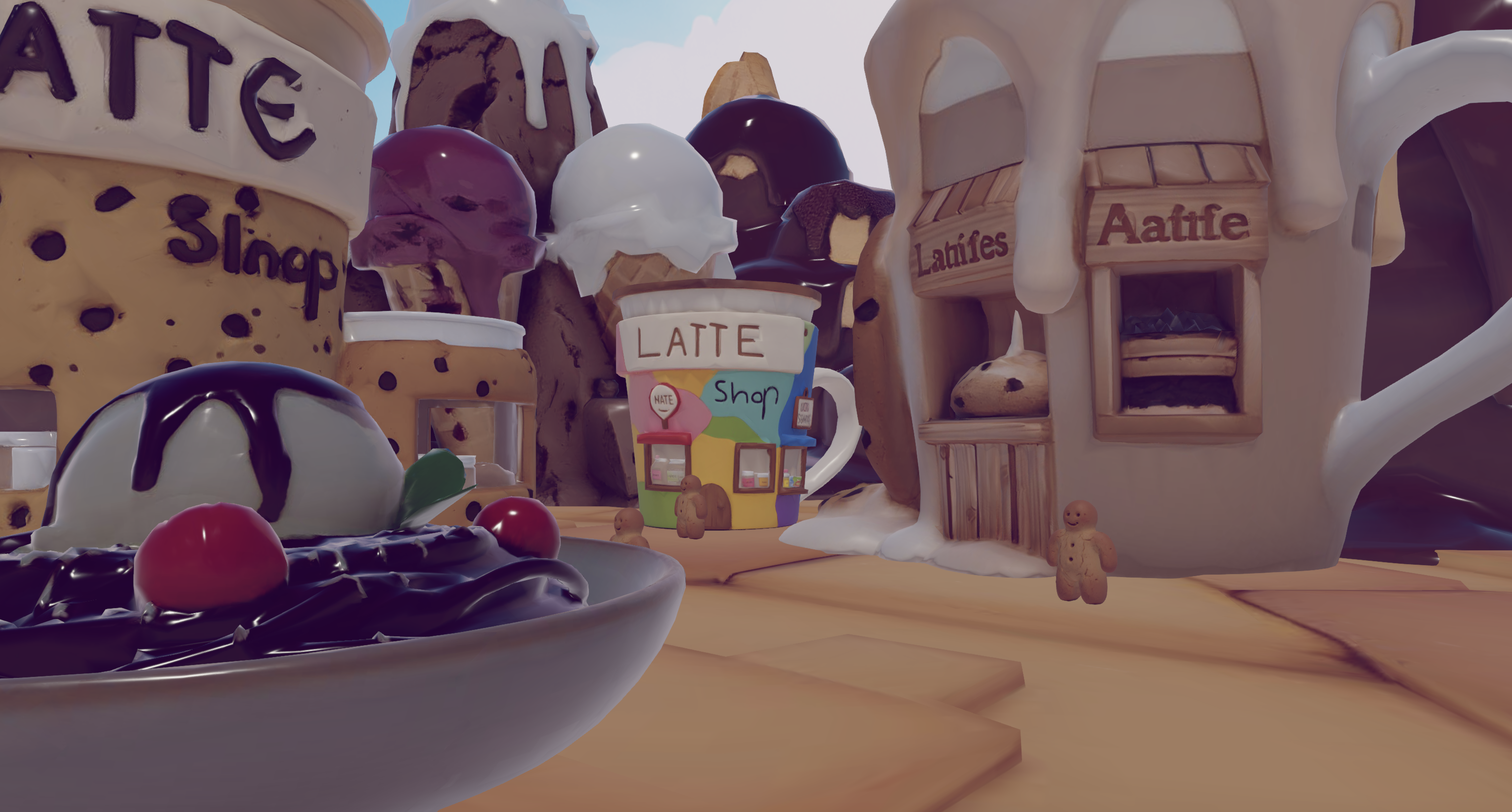
You open a browser tab and land directly inside a 3D world, with no account maze, driver updates, or project setup blocking you. Once you are in, you create assets in whatever way feels natural. Type a description like “floating island” or “medieval sword,” sketch in 2D and drag it into 3D space, or upload a reference image. Behind the scenes, a model-agnostic AI layer pulls from providers like Meshy, Tripo, and Cartwheel to generate your asset in seconds, and you do not have to choose which provider to use.
After your asset appears, you rig it with one click. That same step can take days in professional tools. The level of detail slider adjusts polygon counts to match Roblox’s 10K–20K cap, so you do not worry about triangle counts. You also create animations from text, describe how the character should move, and watch it come to life.
For interactive behavior, Nilo’s vibe coding editor lets you describe game logic in plain English and see it run instantly in your 3D world. You skip Lua and C#. You can invite friends to build with you in real time by sharing a link, and nobody needs to install anything.
Builders in Nilo’s February 2026 survey said this approach works in real projects. One shared, “There are no limits on what you can create — just type, draw or add in an image and you can generate, rig, customise and place a fully 3D model within minutes.” Another said, “I like how it feels like a good game engine rather than a vibe coding tool, with easy building and a good focus on being able to export and import content.” Builders confirmed this in practice, as noted in the February survey, most found Nilo much easier than traditional tools.
See how this feels in practice and build a simple obby asset right now.
Next Steps: Export Your First Character to Roblox Studio
This workflow takes you from first prompt to a character you can bring into Roblox Studio.
- Generate in Nilo, Type a description or upload a sketch. Your 3D model appears in seconds.
- Adjust with the LOD slider, Drag the level of detail slider until your polygon count sits within Roblox’s performance limits. Nilo handles retopology automatically.
- Rig and animate, Click rig, then type an animation description. Your character becomes ready to move.
- Export FBX, One click downloads a Roblox-compatible file.
- Upload to Roblox Studio, Import the FBX directly. You skip Blender and manual cleanup.
Nilo also exports OBJ, STL, and glTF, so you can reuse the same workflow when you want to bring assets into Unity, Unreal Engine, or VRChat.
Try this five-step workflow yourself and export your first character for free.
Frequently Asked Questions
How long does it take to make your first asset in Nilo?
Most builders generate a first 3D asset within minutes of opening Nilo. You type a description or upload a sketch, and the model appears. Rigging and a basic animation add another minute or two. The full workflow, from prompt to Roblox-ready FBX export, usually takes under 15 minutes for a first-time user. One builder in Nilo’s February 2026 survey said, “You can work 20 times faster than you usually work on models.”
Do you need a powerful computer?
No. Nilo runs entirely in your browser using WebAssembly and WebGPU, so it works on desktop and mobile browsers without installation or high-end hardware. A school laptop or a mid-range phone is enough. You do not need a gaming PC or a dedicated GPU.
Can you export to other platforms besides Roblox?
Yes. Nilo exports to standard 3D formats, FBX, OBJ, STL, and glTF. These formats work with Unity, Unreal Engine, Blender, VRChat, and most other 3D tools that accept those files. Nilo does not lock you in. You can treat it as an asset creation pipeline and continue your work anywhere else.
How do you get started right now?
Nilo is in open beta and free to use. You get 1,000 Nilo Bits per month for AI generation, and many core building features use no Bits at all. Open your browser, go to nilo.io, and start your first asset generation flow, no download, no account maze, no credit card. The Nilo community of 9,000+ builders on Discord is also there if you get stuck or want to share what you make.
Conclusion: Start Building Today
The four criteria, browser access, AI assistance, scripting needs, and hardware limits, help you cut through the noise when you choose your first 3D engine. Godot works well as a free option if you want to learn GDScript. Unity pays off if you aim for industry-standard skills. Roblox Studio feels like the natural home for your finished games.
If you want to go from idea to Roblox-ready asset without installs, scripting walls, or hours in Blender, Nilo stands out as a tool built for aspiring builders and already builders like you. Creation should feel like play, and Nilo aims to make that true from your very first prompt.
Open Nilo in your browser and start your first asset flow free, no install, no scripting required.