Written by: Nuno Leiria, Founder & CEO @ Nilo | Last updated: July 27, 2026
Key Takeaways for 3D Vibe Coding in Your Browser
- Most prompt-only AI tools create broken meshes and static scenes that you cannot play or fix inside a real engine.
- True 3D vibe coding uses a live game engine with instant visual feedback, natural-language editing, and smart Roblox-ready assets.
- AI-generated 3D models often break because of non-manifold geometry, missing collisions, and polygon counts above Roblox’s 10K–20K limits.
- A complete workflow covers asset generation, rigging, natural-language code editing, live LOD optimization, and export to FBX, OBJ, STL, and glTF.
- Test the complete five-stage workflow in your browser, with no installs or tool-switching.
What “3D Vibe Coding” Looks Like for You in 2026
Vibe coding is a term coined by AI researcher Andrej Karpathy in February 2025. It describes building software by directing AI with natural language prompts, so you create 3D games by talking, texting, or even sending images to the AI instead of writing every line of code yourself. In 3D game creation, the idea has become more specific.
True 3D vibe coding means you use natural language inside a real game engine with instant visual feedback. You describe what you want, like “make the player jump when I press space” or “add a glowing sword to the scene,” and you see the result right away in a live 3D world. You can walk around, edit, and share that world. An AI-native engine watches the running game and fixes its own mistakes instead of dumping broken output on you to debug.
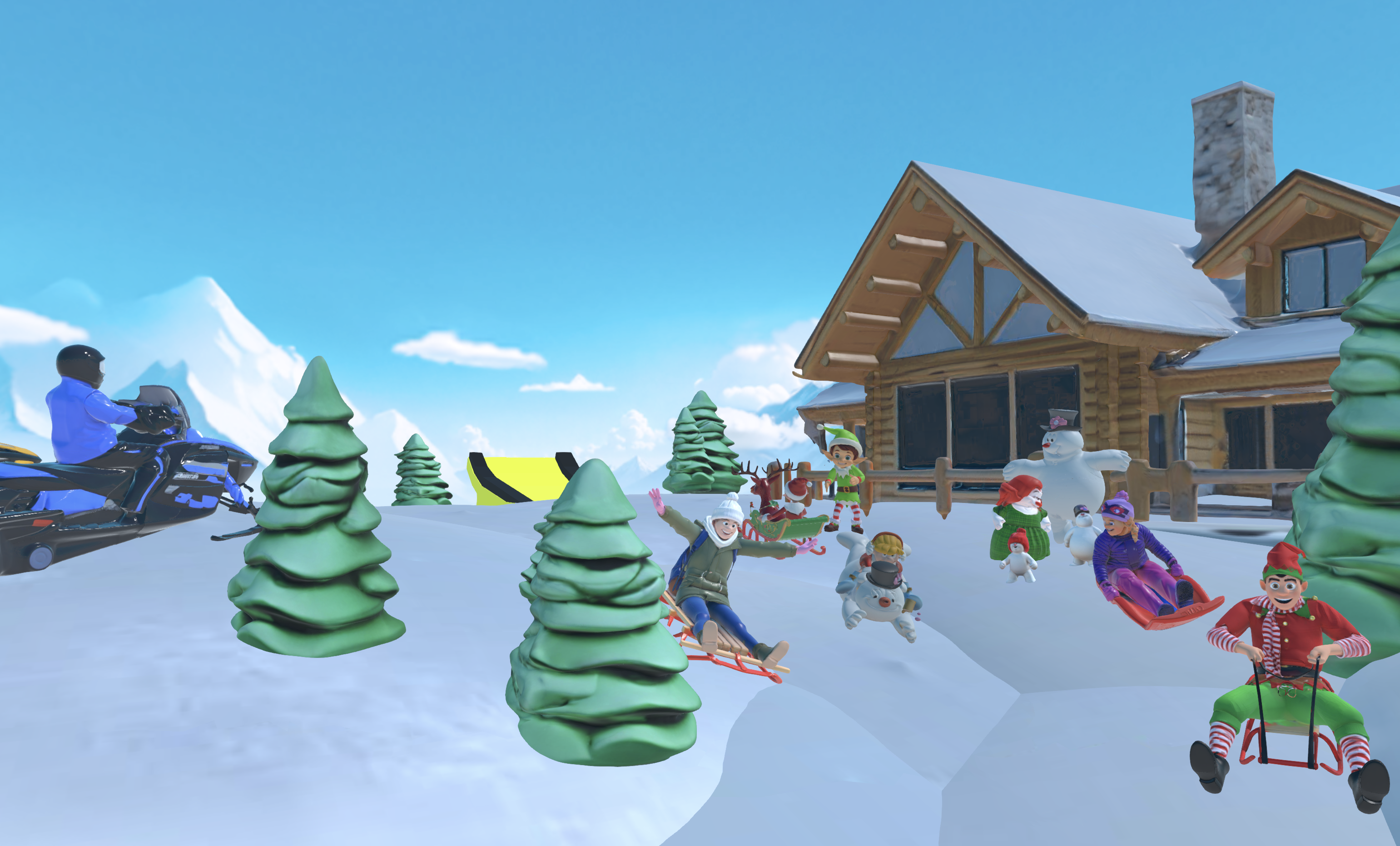
This setup differs from a pure generation tool. A generator takes your prompt, produces a static mesh or one-shot game, and stops. When something breaks in a generation wrapper, you re-roll. When you work inside a real engine, you keep iterating inside the world.
The Current State of Browser-Based 3D Creation
To see why true vibe coding matters, you need to look at how 3D tools work today. Traditional desktop tools, such as Roblox Studio, Unity, Unreal Engine, and Blender, were built for professionals. They need installation, strong hardware, and months of learning before you can make anything interactive. Roblox Studio feels the most friendly, but it still expects scripting skills and a desktop setup that stops many aspiring builders like you before you ship anything.
Browser-based platforms try to lower this barrier. Native WebGPU now unlocks near-native 3D performance in browsers, with complex scenes running at 60fps where WebGL struggled to reach 30fps. The same shift that let Figma bring rich 2D design to the browser now reaches 3D. PlayCanvas, which Snapchat acquired, sits between pro and casual audiences. New AI-native tools such as Rosebud AI, Bitmagic, Starstuff, and Spawn try to make creation easier, but most stay as prompt-only wrappers without a real building space.
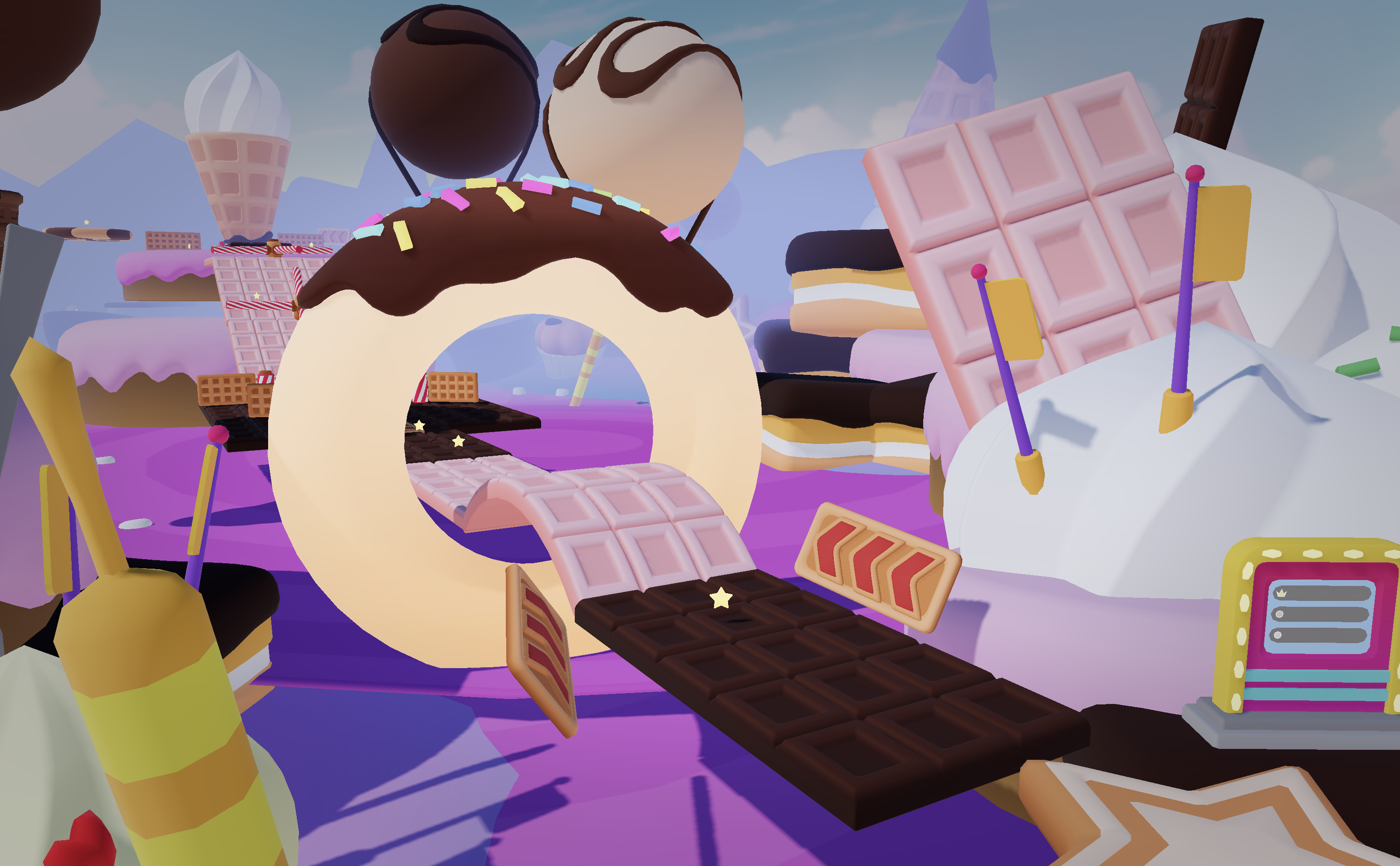
Industry commentary from 2025–2026 frames the main direction in AI game development as workflow integration instead of pure prompt-to-output generation. You probably want AI to help while you stay in control, not sit back while AI builds everything for you.
Why Many Prompt-to-Game Tools Fail When You Try to Play
The main problem with generation wrappers appears after you send the prompt. AI-generated 3D shapes often do not work for animation or production. Polygons get jumbled, triangulation is inconsistent, and quads are not planar. You end up with broken geometry, missing collisions, and models that look fine in a preview but fall apart inside a real engine.
Common mesh failures in AI-generated 3D models include non-manifold geometry, overlapping faces, and broken edge flow. These issues break UV unwrapping, lighting, and real-time rendering.
Roblox builders hit an extra wall. Roblox caps assets at 10,000–20,000 polygons. Many AI generators output meshes far above this limit and do not reduce them for you. You then spend hours in Blender doing manual retopology, which means rebuilding the mesh surface to cut polygons and fix edge flow, before you can use a single asset. In Nilo’s February 2026 survey, one builder summed it up: “Picture yourself, frustrated because you spent the last 5 hours 3D modeling a shipping container.”
Rosebud AI focuses on code generation but does not include a full game engine with deep 3D support, so you cannot see changes inside a live world. Spawn and Bitmagic work almost entirely from prompts without a hands-on creation environment, which keeps you re-rolling instead of editing. These tools help for quick experiments, but they do not support you if you want to ship something real.
The Five-Stage Workflow Every 3D Vibe Coding Tool Needs
When you look at any tool, check whether it covers all five stages of a real creation pipeline or only one or two.
- Asset generation. You should be able to start from text, a sketch, or an image and get a usable 3D model, not just a rough lookalike. The model should drop into your scene at the right scale with materials already set up.
- Rigging and animation. Rigging means attaching a skeleton to a 3D model so it can move. This step should not require pro software. You should be able to rig and animate with one click and simple text prompts, turning days of work into seconds.
- Natural language code editing. You need a way to add game logic such as physics, interactions, and scoring by describing what you want in plain language. Those changes should appear right away in the 3D world.
- Real-time optimization. Look for automatic polygon reduction with LOD systems that keep you within platform limits without manual retopology.
- Export to standard formats. You should be able to export to FBX, OBJ, STL, and glTF and then use those files in Roblox Studio, Unity, Unreal Engine, Blender, and VRChat without extra conversion steps.
A single pipeline that covers all five stages keeps your creative flow intact. Chaining Meshy to Blender to Roblox Studio breaks your momentum and adds more places where things can fail.
How to Compare 3D Vibe Coding Tools Side by Side
Use this table to compare tools against criteria that matter when you want to build playable games. Each data point comes from the platform’s own documentation or public descriptions.
| Criteria | Nilo | Rosebud AI | Spawn |
|---|---|---|---|
| Custom game engine | Yes, C++ physics compiled to WebAssembly, WebGPU graphics | No, focuses on code generation without a full 3D engine | No, instant generation without a hands-on building environment |
| Roblox polygon optimization (LOD) | Yes, live LOD slider and automatic retopology tuned to 10K–20K polygon caps | Not documented | Not documented |
| Real-time multiplayer building | Yes, share a link and build together on desktop or mobile | Not documented | Not documented |
| Export formats | FBX, OBJ, STL, glTF, works with Roblox, Unity, Unreal Engine, Blender, VRChat | Limited export options documented | Limited export options documented |
| Browser-based, no install | Yes, runs on desktop and mobile browsers | Yes | Yes |
| Natural language code editing | Yes, text, voice, or image prompts with live 3D iteration | Yes, main focus, but without feedback inside a live 3D engine | Limited |
Nilo stands out here because it combines a custom game engine with Roblox-focused optimization and real-time collaborative building. Prompt-only tools do not currently offer that mix. If you only want a quick throwaway prototype and do not need Roblox export or multiplayer building, a simpler generator can still fit that narrow goal.
Start building and playing in your browser, free and with no install.
Checklist to Use Before You Pick a 3D Vibe Coding Tool
Before you commit to any 3D vibe coding tool, run it through these questions against your own workflow.
- Does it run in a browser with no install? If it needs a download or powerful hardware, you probably cannot use it on a school laptop or phone.
- Can you see changes instantly in a 3D world? Live feedback, where edits appear in the scene as you work, separates a real engine from a generator. An AI-native engine supports full 3D scenes and runs the game so both you and the AI can check the result.
- Does it handle Roblox’s 10K–20K polygon limits automatically? Manual retopology in Blender can take 30 minutes or more per asset. A built-in LOD system should handle this for you.
- Can multiple people build together in real time? Creation should feel as social as playing. If you cannot share a link and build with friends, you are stuck working alone.
- Does it export rigged, animated models to standard formats? FBX, OBJ, STL, and glTF let you move assets across Roblox, Unity, Unreal Engine, and Blender. Proprietary formats lock you in.
- Is it a game engine or a generator? Check whether you can edit, playtest, and iterate inside the tool, or whether you only re-roll prompts and export static files.
Real Engine Advantages Over Prompt-Only Tools
Many people assume all AI tools work the same way and that any text prompt box gives you similar power. In practice, the gap between a prompt-to-game wrapper and a full engine feels huge.
AI 3D modeling can speed up your first pass on assets. You still need to refine and polish models with traditional tools unless the platform handles that cleanup for you. Standalone generators such as Meshy, Tripo, and Sloyd output a mesh with textures and then stop at a raw file. You must fix scale, add collision shapes, tune materials for your renderer, and retarget auto-rigs to your animation set.
Chat-only interfaces create another limit. Tools like Bitmagic and Arcade AI rely on prompts without a shared creation space. When the output feels wrong, you can only re-prompt and hope. A real engine lets you grab objects, move them, and fix issues directly.
Builders who have tried Nilo describe this difference clearly. From Nilo’s February 2026 survey: “I like how it feels like a good game engine rather than a vibe coding tool, with easy building and a good focus on being able to export and import content.” Another builder said: “You made me enjoy vibe-coding. The code assistance works almost flawlessly, other experiences have just been frustrating at best.”
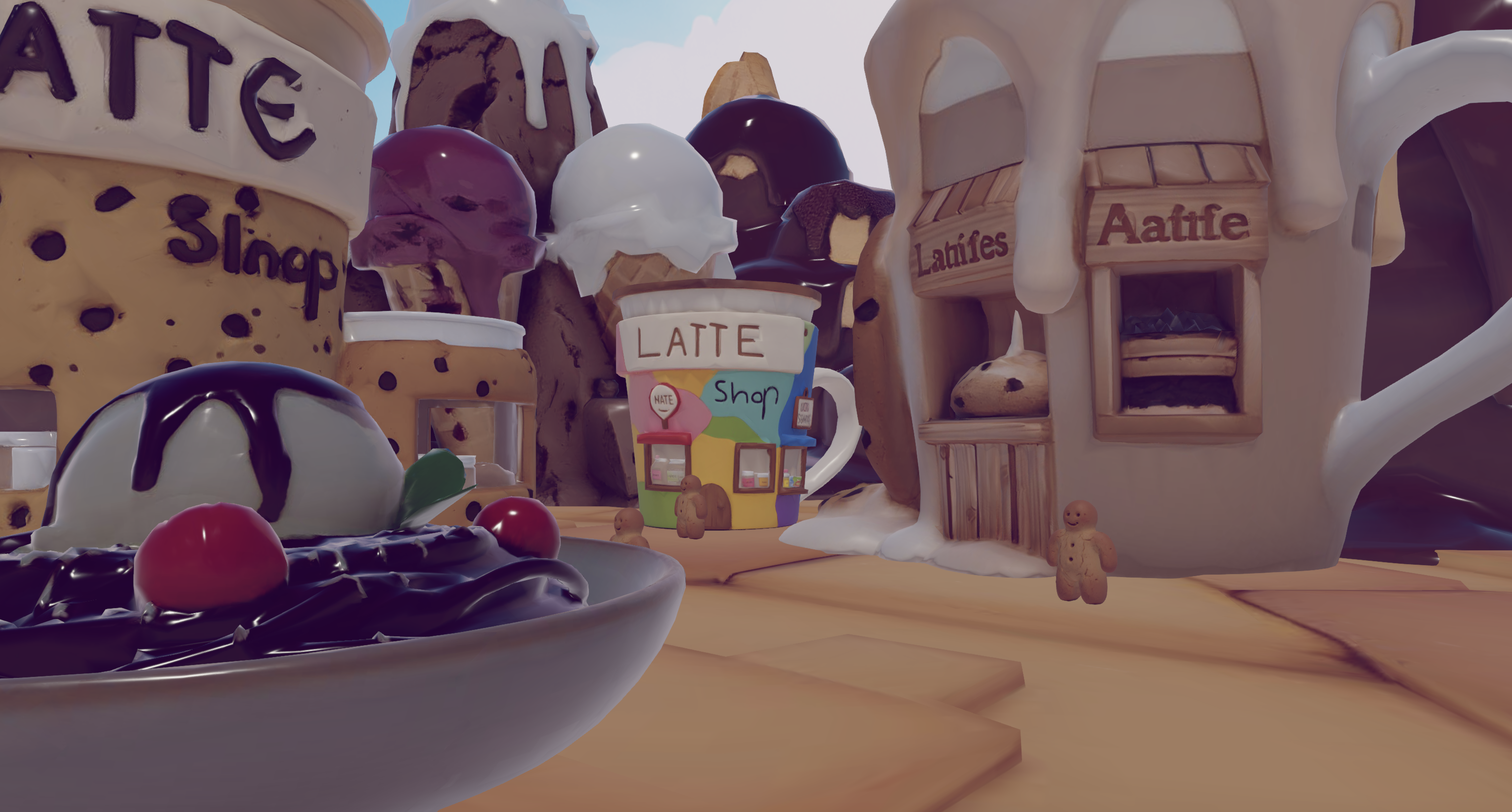
Nilo’s approach, often described as “Iron Man, not Wall-E,” gives you superpowers while you stay in control. You co-create with AI instead of watching it work alone. You stand inside the world, building, tweaking, and playtesting in real time while the AI acts as your co-pilot.
Frequently Asked Questions
What does vibe coding mean in practice for 3D game creation?
In 3D game creation, vibe coding means you describe what you want in plain language by typing, speaking, or uploading a sketch or image, and you see the result appear in a live 3D world. You are not just generating a static asset. You also add game logic, animations, and interactions by talking to the AI while you stand inside the scene. The key difference is that same live feedback. You see whether something works, fix it on the spot, and keep building without switching tools or waiting for a render.
Do I need coding skills to start building with Nilo?
You do not need coding skills to start. Nilo’s built-in code editor accepts natural language prompts in any language, such as English or Spanish, and then generates working game logic. You describe what you want, like “make the enemy patrol back and forth” or “add a score counter when the player collects coins,” and those changes appear in your world. You can also open the actual code, see variables, and tweak them directly, such as changing “speed = 2” to “speed = 20.” This approach helps you learn real programming concepts while you build.
How does Nilo work with existing Roblox workflows?
Nilo supports Roblox builders directly. Its LOD system adjusts polygon counts to match Roblox’s 10,000–20,000 polygon caps, so you avoid manual retopology in Blender before export. When you feel ready, you export in FBX, OBJ, STL, or glTF and then import into Roblox Studio. Nilo does not replace Roblox. It gives you a faster way to create the assets and game logic you bring into Roblox. You can also use Nilo to generate custom Roblox skins and create animations for your Roblox models with a short text prompt.
Will Nilo run on my school laptop or phone?
Nilo runs entirely in your browser. You do not install anything or need high-end hardware. It works on desktop and mobile browsers. The platform uses WebAssembly and WebGPU, with a WebGL fallback for older devices, so you get real game engine performance without a gaming PC. You open a link and start creating.
Is vibe coding still real programming?
Vibe coding produces real, editable code that you own and can customize. You describe intent in plain language instead of writing every line yourself. In Nilo’s code editor, you can read and change the underlying variables, which means you learn real programming ideas while you build. The output is regular code, not a locked visual block system. Whether you call it “real programming” depends on how much you review and understand what the AI writes, but the code itself stays genuine and editable.
Next Steps: Try Tools on a Real Project You Care About
The most useful way to judge any 3D vibe coding tool is to test it with a real project idea, not a marketing demo. Pick something you actually want to build, such as a character, a prop, or a small playable scene. Then see whether the tool lets you generate it, clean it up, animate it, share it with a friend, and export it to Roblox, all inside the browser.
There is no single perfect tool for vibe coding. You need a tool that fits your workflow and the kind of worlds you want to build. If you are a Roblox builder who feels tired of broken AI output, manual retopology, and constant tool-switching, a game engine that handles the heavy technical work for you deserves a serious look.
Nilo stands out as a browser-based engine that combines natural language vibe coding, live 3D iteration, Roblox-aware polygon handling, one-click rigging and animation, and multiplayer building in one pipeline, with no install. As one builder put it: “There are no limits on what you can create — just type, draw or add in an image and you can generate, rig, customise and place a fully 3D model within minutes.”
Experience unlimited creation and start your first project now.