Written by: Nuno Leiria, Founder & CEO @ Nilo | Last updated: July 17, 2026
Key Takeaways
- Beginner-friendly game creation software for teens should run in the browser, support real 3D worlds, and avoid complex installs or required coding.
- When you compare tools, look at coding level, 3D depth, browser access, real-time collaboration, export options, and what it costs to start.
- Scratch and GDevelop work well for 2D, while Roblox Studio, Godot, and Construct 3 bring different levels of 3D power and complexity.
- Nilo offers a fully browser-based, AI-supported workflow for generating, rigging, animating, and exporting 3D assets without scripting or installs.
- Nilo includes a free tier with 1,000 Nilo Bits per month, so you can build and share 3D worlds without upfront cost.
Five Game Creation Tools You Should Compare First
You should compare game creation software across six clear criteria: how much coding it expects, how strong its 3D support is, whether it runs in the browser, how well it supports real-time collaboration, what export options it offers, and how much it costs to get started. The table below shows how five tools stack up on those points, with Nilo listed first.
| Tool | Coding Level | 3D Support | Browser Access | Real-Time Collaboration | Export Options | Cost to Start |
|---|---|---|---|---|---|---|
| Nilo | None required, you use natural language prompts by typing, talking, or sending an image to the AI | Full 3D with AI generation, rigging, animation, and LOD optimization | Yes, fully browser-based, no install | Yes, you share a link and build together in real time | FBX, OBJ, STL, glTF; compatible with Roblox, Unity, Unreal Engine, Blender, VRChat | Free (1,000 Nilo Bits/month included) |
| Scratch | None, drag-and-drop block coding | 2D only | Yes | Limited, remixing but not live co-building | Share via link; no standard 3D export | Free |
| GDevelop | Low, visual event sheets with no code required; AI agent available | Primarily 2D, 3D support added in late 2024 | Yes, browser or desktop app | Limited | Web, desktop, Android, iOS via gd.games | Free; paid plans for more exports |
| Roblox Studio | Medium, Luau scripting needed for interactive features | Full 3D within the Roblox ecosystem | No, desktop install required | Team Create on the same platform only | Roblox platform only, no external export | Free to build; revenue share on sales |
| Godot | Medium, GDScript (Python-like) or C#; visual scripting removed in Godot 4.0 | Full 3D with PBR and Jolt Physics | No, desktop install required | No built-in real-time co-building | Windows, Mac, Linux, Android, iOS, HTML5 | Free and open-source |
| Construct 3 | None, event-based condition-and-action pairs with no code needed | Primarily 2D, native 3D model support added in March 2026 | Yes, fully browser-based | Limited | Web, desktop, Android, iOS | Free tier available; paid plans from about $7.99/month |
Easiest 2D-First Tool That Did Not Make the Main List: GameMaker
GameMaker works as a reasonable starting point if you want to make 2D games. It supports drag-and-drop logic through GML Visual, which maps to real programming concepts and can help you learn the basics before you move to scripting. You still need to weigh some real trade-offs.
GameMaker focuses on 2D and only allows low-spec 3D game creation through heavy customization, so it does not feel like a natural path to the kind of 3D worlds you see in Roblox or Minecraft. It also requires a desktop install, which adds friction before you even start building. If your goal is to build 3D games and share them with friends quickly, GameMaker acts more like a stepping stone than a destination. Many experienced game designers suggest starting with simpler engines and then upgrading as you outgrow their limits, and for 3D that upgrade path usually moves away from GameMaker.
Once you look past GameMaker, you can focus on tools that match your 3D goals more directly and give you a smoother path from first project to advanced worlds.
Easiest Game Creation Software for Teens
You can evaluate each tool using four core criteria that matter most when you are just starting out: how simple the interface feels, how capable it is in 3D, what social features it offers, and where its performance limits sit.
Nilo
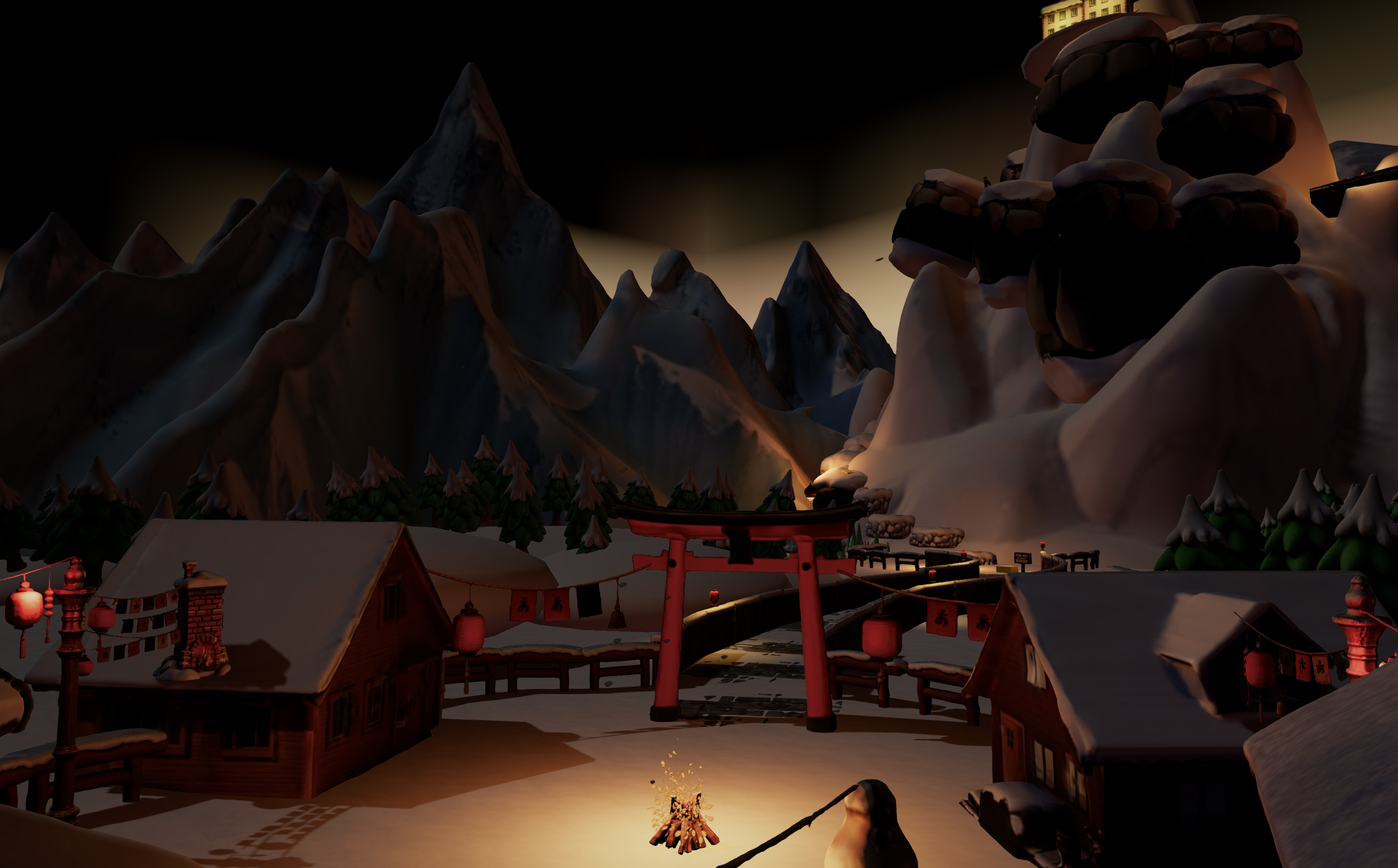
Nilo runs entirely in your browser, so you avoid installs, setup, and the need for a powerful computer. This browser-first setup means you can start creating 3D characters, props, and environments right away by typing what you want, drawing a sketch, or uploading a reference image. The AI quietly handles the technical work in the background, such as optimizing polygon counts so your assets drop into Roblox Studio and other platforms without extra cleanup.
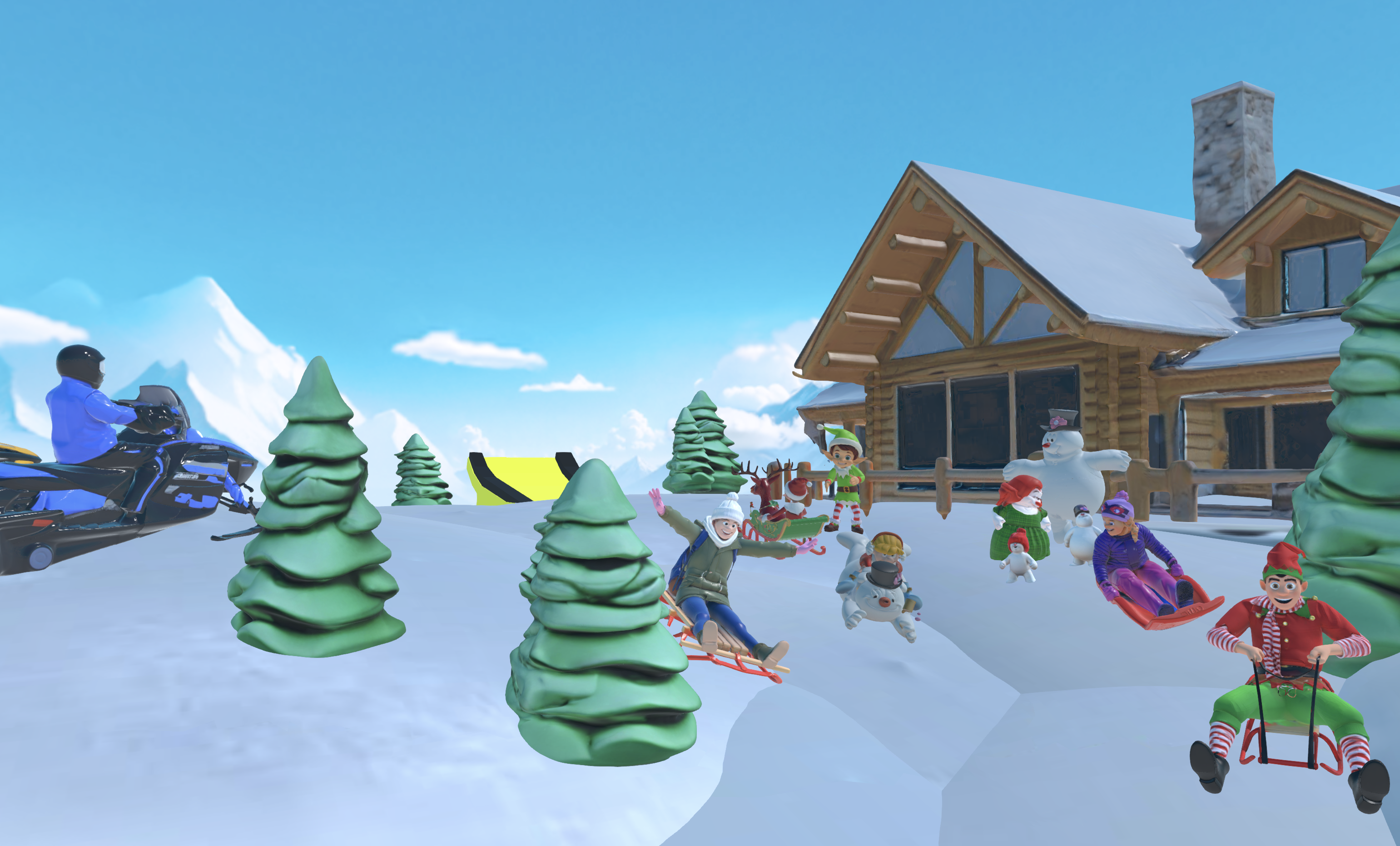
After you generate a model, you can rig it and animate it with one click and a short text description. The built-in code editor, called vibe coding, lets you add game logic by just talking or typing to the AI in any language. Physics and collisions come preconfigured, so you stay focused on ideas instead of setup. You can invite friends to build with you by sharing a link, and they can join on desktop or mobile in seconds.
In Nilo's February 2026 survey with builders, 93% said they would recommend Nilo to a friend, and 82% rated their experience as "Awesome" or "Good." Builders talk a lot about speed: "I do not have to spend hours on 3D modeling the simplest things. Now I can use Nilo and do it in 15 seconds." Another builder from the same survey noted: "There are no limits on what you can create, just type, draw or add in an image and you can generate, rig, customise and place a fully 3D model within minutes."
Scratch
Scratch gives you a very friendly introduction to game creation as a younger teen. Its drag-and-drop block interface removes coding barriers, and the browser-based environment means zero install friction. The trade-off is clear though, because Scratch supports 2D only. If you want to build 3D worlds, you will hit its ceiling fast. Scratch works well as a first creative experience, but it does not serve as a long-term 3D creation environment.
GDevelop
GDevelop is a free, open-source, browser-based tool that uses visual event sheets instead of code and added 3D physics in late 2024 (v5.5) and a dedicated real-time 3D editor in 2025 (v5.6). It gives you a strong way to learn game logic visually before you move to scripting. The 3D capabilities keep improving, but they still feel limited compared to engines built around 3D from day one. Event-based systems like GDevelop's also become harder to manage as your projects grow more complex.
Roblox Studio
Roblox Studio feels accessible for first-time developers who want to build social 3D games inside the Roblox ecosystem. If you already play Roblox, the environment will feel familiar and comfortable. The challenge is that Roblox Studio needs Luau scripting for anything interactive, and it does not export assets to other platforms, so your skills and assets stay locked inside Roblox. It also requires a desktop install and a reasonably modern computer.
Godot
Godot is a free, open-source engine with dedicated 2D tools and node-based 3D capabilities, including Physically Based Rendering and Jolt Physics. It serves as a serious tool once you feel ready to learn GDScript, which works similarly to Python. Godot removed its built-in visual scripting in version 4.0 after user polling showed minimal adoption, so you should expect to write real code instead of dragging blocks. It can bridge you toward professional development, but it does not feel like the easiest starting point for absolute beginners.
Construct 3
Construct 3 is a browser-based no-code game maker that runs without software installation and supports cloud-based development on almost any device. You use drag-and-drop visual scripting and can pull from over 100,000 templates. It added native 3D model support in March 2026 via the official 3D model object in r476, and this first step focused on model import rather than full 3D scene tools like cameras and lighting. Real-time collaboration stays limited, and the 3D depth still trails engines built specifically for 3D.
How You Can Move from Player to 3D Creator
Most aspiring builders or already builders like you follow a natural progression from playing games to creating full 3D experiences. When you know where you are in that journey, you can pick the tool that fits your current stage instead of jumping straight into something overwhelming.
- Stage 1, Player/Builder: You play Roblox, Minecraft Creative, or Fortnite Creative. You decorate spaces and assemble maps using in-game tools, but you have not touched a development environment yet. The right move here is to keep playing and start noticing what you would change or add to the worlds you love.
- Stage 2, New Builder: You open Roblox Studio or a similar tool and start combining free assets with basic custom parts. Creation feels exciting but also overwhelming, because professional tools were not designed for you. Browser-based options with AI generation remove the biggest early barriers here. You should be able to build a 3D world without needing Blender or a studio install.
- Stage 3, Aspiring Builder: You build original scenes with more intention, experiment with lighting and layout, and start thinking about game logic. Scripting becomes the wall most builders hit at this point. Vibe coding, where you add game behavior by just typing what you want the AI to do, keeps your momentum going without forcing you to learn Lua or JavaScript from scratch.
- Stage 4, Expert Builder: You create polished environments and full maps, often for commissions or team projects. Tool fragmentation hurts the most at this stage, because you juggle Blender, a code editor, a game engine, and game design fundamentals separately. A single-tool workflow that handles generation, rigging, animation, coding, and export in one place removes that friction and keeps you in creative flow.
- Stage 5, Builder/Dev: You combine building with scripting and animation to create fully playable experiences. Speed of iteration matters more than anything else, so you want to go from idea to shareable world in hours instead of weeks. Real-time multiplayer creation, one-click publishing, and easy cloning and remixing of worlds help you ship faster and stay motivated.
Nilo stands out as a logical upgrade at Stages 2 through 5. Its browser engine, built on C++ physics compiled to WebAssembly with WebGPU graphics, brings real game-engine performance to the web. The LOD system, which automatically reduces polygon counts on the fly, handles Roblox's strict 10K to 20K polygon limits without you needing to think about it. One builder put it this way in Nilo's February 2026 survey: "I like how it feels like a good game engine rather than a vibe coding tool, with easy building and a good focus on being able to export and import content." Creation feels like play, not work, and that feeling helps you avoid burnout.
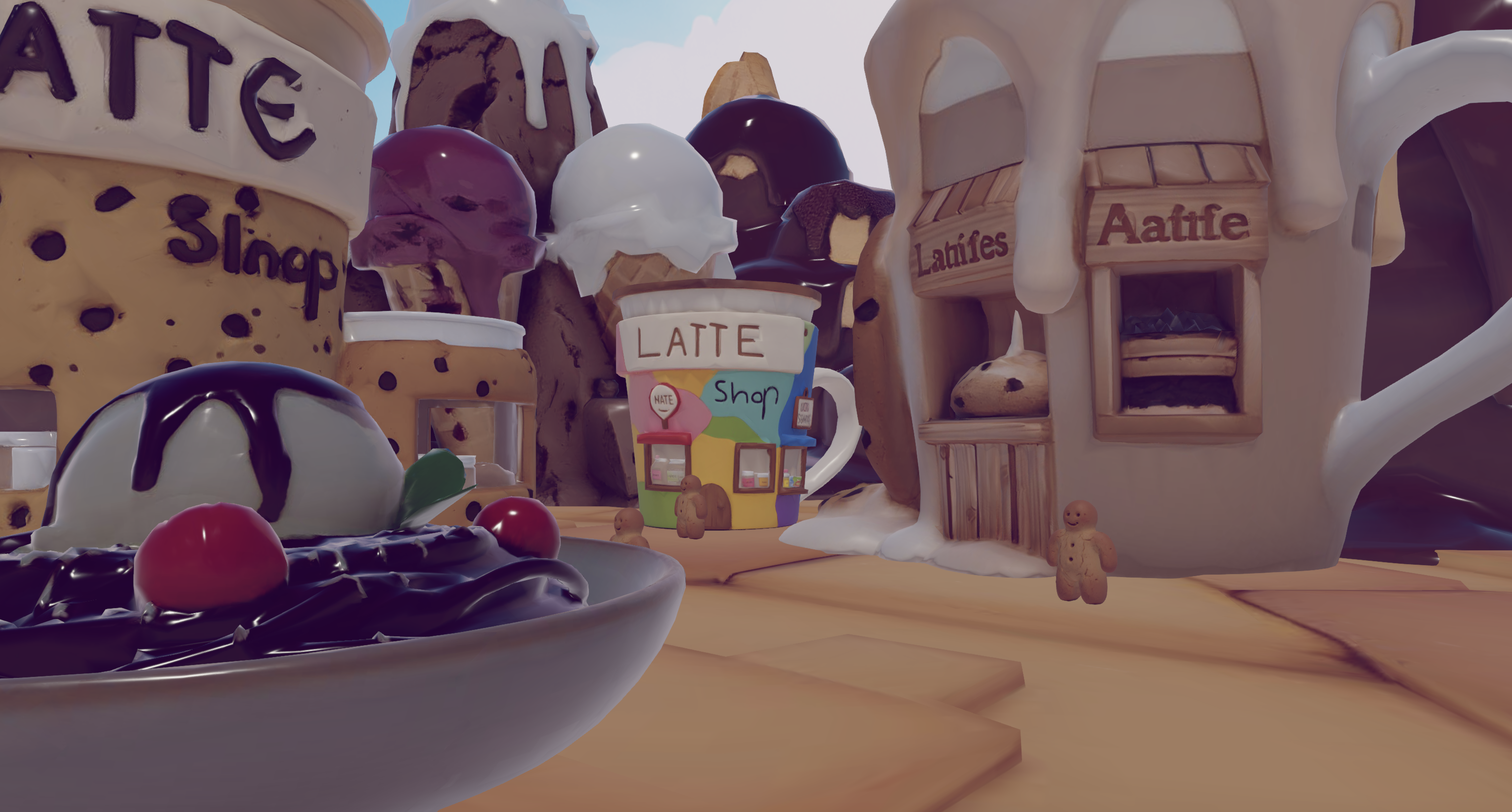
Start building your first 3D world in Nilo's open beta, no install required.
Frequently Asked Questions
How long does it take to make your first 3D game as a beginner?
You can pull together your first playable 3D world in a single afternoon if you keep the scope small. Pick one mechanic, such as collecting items, jumping across platforms, or exploring a tight space, and build around that. Browser-based tools with AI generation remove the biggest time sinks, so you do not need to model assets manually, write physics code, or set up a camera rig from scratch. Scope stays as the key variable, and a focused first project with one goal and one small space feels far more achievable than an open world with multiplayer on day one.
Do you need to know how to code to use Nilo?
You do not need any coding knowledge to start using Nilo. The built-in code editor works through natural language, so you type or speak what you want to happen in your world and the AI generates working game logic instantly. You can see the code it produces and tweak variables directly, such as changing a speed value from 2 to 20, which helps you learn real programming concepts without getting blocked by syntax. No scripting knowledge is required to build your first worlds.
Can you export what you build in Nilo to other platforms?
You can export your creations from Nilo to standard 3D formats including FBX, OBJ, STL, and glTF. Those files work with Roblox Studio, Unity, Unreal Engine, Blender, VRChat, and most other 3D platforms. Nilo does not lock you in, so you can use it purely as an asset creation pipeline for other tools or build and publish playable worlds directly inside Nilo. Builders already export rigged and animated characters from Nilo to Roblox and other platforms.
What makes Nilo different from prompt-to-game tools like Rosebud AI?
Prompt-to-game tools generate a game from a text description, but the experience often feels passive, because you describe, the AI builds, and your ability to tweak or collaborate stays limited. Nilo works as a game engine first. You stand inside a 3D environment, build hands-on, invite friends to create with you in real time, and use AI as a co-pilot instead of a replacement. The "Iron Man, not Wall-E" approach gives you superpowers while you stay in control, and that hands-on, social experience keeps you engaged enough to finish projects.
Does Nilo work on any computer, including school Chromebooks?
Nilo runs entirely in the browser with no downloads or installs required. It works on desktop and mobile browsers and does not need a high-performance machine or dedicated GPU. The heavy processing runs on Nilo's infrastructure instead of your device. This setup makes it accessible on most modern computers, including many school Chromebooks and other lower-powered devices. You just open a link and start creating.
Is Nilo free to use?
Nilo is currently in open beta and free to join. Every account includes 1,000 Nilo Bits per month, which are the credits used to power AI generation, rigging, animation, and export. Many core building features use no Bits at all. You can build, playtest, and share worlds without spending anything, and paid plans exist for builders who need more generation capacity.
Can you build and play with friends on Nilo?
Nilo supports real-time multiplayer creation, so you share a link and friends can join your world on desktop or mobile instantly, with no account required to play. You can build together, playtest together, and publish worlds publicly with one click. This social, collaborative experience sits at the center of how Nilo is designed, because creation should feel as fun and social as playing the games that inspired you to build in the first place.
If you feel ready to stop watching others build and start making your own 3D worlds, you already have tools that can get you there without overwhelm. Start with the tool that fits your current stage, finish something small, and then upgrade your tools as your ambition grows. Explore Nilo's open beta and try building and playing for free.