Written by: Nuno Leiria, Founder & CEO @ Nilo
Key Takeaways
- The Bally Astrocade launched in 1978 as a hybrid console-computer with built-in programs and a 24-key keypad, but repeated rebranding and production delays held it back.
- Its Z80 CPU, bitmap graphics, and Magic System chip pushed beyond contemporaries like the Atari VCS, yet unclear market positioning limited how many people bought it.
- The 1983 video game crash, four name changes, and a thin software library ended the console’s commercial run by 1984.
- A planned ZGRASS expansion aimed to turn the Astrocade into a programmable creative tool, but delays and the market collapse kept it from reaching homes.
- Modern platforms like Nilo now deliver much of that accessible creation vision with browser-based 3D building, AI-assisted assets, and real-time collaboration without installs or deep coding knowledge. Join Nilo’s open beta and try building and playing for free.
Visual Timeline of the Bally Astrocade (1977–1985)
- October 1977, Console announced as the Bally Home Library Computer
- December 1977, Mail-order sales begin
- April 1978, Retail launch as the Bally Professional Arcade at $299
- 1981–82, Rebranded as the Bally Computer System
- Early 1980s, Astrovision acquires rights; console rebranded as the Astrocade
- 1983, The video game industry crash
- ~1984, Remaining Bally Astrocade units were sold by a third-party acquirer until around 1984
Astrocade vs. Rivals: Hardware Specs at a Glance
The table below compares the Bally Astrocade against three contemporaries. Where a specification cannot be compared on the same scale, it is described in prose beneath the table.
| Specification | Bally Astrocade (1978) | Atari VCS / 2600 (1977) | Mattel Intellivision (1979) |
|---|---|---|---|
| CPU | Zilog Z80 @ 1.79 MHz | MOS 6507 @ 1.19 MHz | GI CP1610 @ 0.895 MHz |
| RAM | 4 KB (expandable to 64 KB) | 128 bytes | 1.4 KB |
| Graphics Resolution | 160×102, 4 colors from 256-color palette | 160×192, 128 colors (limited simultaneous) | 159×96, 16 colors |
| Sound Channels | 3 voices with noise and vibrato effects | 2 channels (TIA sound) | 3 tone generators plus noise |
The Astrocade used bitmap graphics rather than the tile-based graphics found in the Intellivision. Its Magic System video chip could stamp, stretch, flip, and rotate graphic objects, which felt closer to a simple programmable graphics processor than a basic sprite engine. The Atari VCS used a different display architecture called the Television Interface Adaptor, so direct resolution comparisons can be misleading. The figures above reflect each system’s documented pixel output rather than equal visual quality.
1977: Bally Home Library Computer Sets Big Ambitions
Bally announced the console in October 1977 under the name Bally Home Library Computer. The name signaled broad ambitions, not just plug-in cartridges for a few arcade ports. The console shipped with four built-in programs, Gunfight, Checkmate, a calculator, and a Scribbling doodling program, plus a 24-key keypad on the unit itself. That mix of games, math, and freehand drawing framed the hardware as a household computer as much as a living-room game machine.
A team at Midway, the video game division of Bally, developed the console. Production problems blocked a full retail launch in 1977. Mail-order sales began in December 1977 so early adopters could buy units while manufacturing caught up.
Four Names in Five Years: How Branding Shifted
The console cycled through four distinct brand identities across its commercial life, and each one tried to reposition the system for a changing market.
- Bally Home Library Computer (October 1977), the original announcement name, highlighted the computer-hybrid concept.
- Bally Professional Arcade (April 1978), the name used when the console reached retail stores at a launch price of $299. The word “Professional” tried to separate it from simple dedicated-game units.
- Bally Computer System (1981–82), a rebrand that leaned into the growing home computer market.
- Astrocade (early 1980s), introduced after Bally withdrew from the consumer market, when Astrovision acquired the rights and rebranded the console. Astrovision also offered BASIC cartridges as part of a refreshed pitch.
Each renaming reflected a real strategic pivot rather than a cosmetic tweak. The hardware changed very little, but the story told to buyers shifted dramatically with every new name. These pivots still could not protect the console from the industry-wide collapse that followed.
1983 Crash: How the Market Wiped Out the Astrocade
The 1983 North American video game crash, driven by oversaturation, low-quality titles, and collapsing consumer confidence, hit second-generation consoles hardest. The Bally Astrocade continued to be sold until around 1984 after the crash.
The Astrocade sat in a particularly risky spot. Its identity felt split, too game-focused to compete with home computers like the Commodore 64, yet too eccentric and expensive to feel like a straightforward Atari-style console. That left it without a clear audience as the market shrank. Bally discontinued the original version in 1983 after exiting the market. A third-party company later acquired the rights, re-released the system, and handled the final sales run. By the mid-1980s, the platform had disappeared from retail shelves.
ZGRASS: The Creative Expansion That Stayed a Prototype
The ZGRASS expansion shows how far the Astrocade team wanted to push home creativity. This planned add-on would have turned the console into a more complete programmable computer. ZGRASS, a variant of the GRASS programming language from the Electronic Visualization Laboratory, aimed to give you a high-level graphics programming environment for creative and educational projects that went beyond cartridge games.
The Astrocade’s optional BASIC cartridge and cassette-saving plans already nudged it toward the line between console and computer. ZGRASS extended that idea. The expansion unit would have plugged into the console’s expansion port and provided an interpreted programming environment with graphics primitives. For a home user in 1980, that would have felt like a creative coding studio in the living room.
The unit never reached mass production. Development delays, Bally’s exit from the consumer market, and the 1983 crash closed the commercial window. The ZGRASS hardware stayed a prototype, documented in enthusiast writing but never experienced by most players. It remains the clearest example of the gap between what the Astrocade promised and what it actually delivered.
People Also Ask: Key Facts About the Bally Astrocade
When was the Bally Astrocade released?
As noted earlier, the console was announced in October 1977 and reached mail-order customers by December. It arrived in retail stores in April 1978 as the Bally Professional Arcade.
Who made the Bally Astrocade?
A team at Midway, the video game division of Bally Manufacturing, developed the Bally Astrocade. After Bally left the consumer market, Astrovision acquired the rights and continued selling the hardware under the Astrocade name.
Why did the Bally Astrocade fail?
Several factors combined to limit the console’s commercial success.
- Production delays, where the gap between the October 1977 announcement and the April 1978 retail launch gave competitors time to lock in buyers.
- Ambiguous positioning, since the console felt too game-like to stand beside home computers yet too unusual to read as a simple Atari-style console.
- Repeated rebranding, with four name changes across eight years that fragmented brand recognition and confused shoppers.
- The 1983 crash, where industry-wide collapse wiped out demand for second-generation hardware regardless of technical strengths.
- Limited software library, with far fewer official games than the hundreds available for the Atari VCS.
How many games were released for the Bally Astrocade?
A limited number of official video games came out, along with development cartridges for more technical users.
Modern Astrocade Vision vs. Nilo
The Bally Astrocade’s core promise felt bold for its time. Ordinary people at home should be able to create, not just consume, interactive experiences. The built-in Scribbling program, the BASIC cartridge, the planned ZGRASS expansion, and the console’s computer-hybrid identity all pointed toward a future where creation tools and play lived in the same box. The hardware of 1978 could not fully deliver that future, so you now have to look at modern tools to see who comes closest.
When you evaluate modern browser-based creation platforms against that original vision, you can use a few clear criteria: zero-install access, real-time collaboration, AI help for asset creation, and a smooth path from idea to playable experience without jumping between tools. These criteria speak directly to the barriers that held the Astrocade back, such as physical expansions, slow sharing, and the need to learn complex programming languages.
Nilo stands out among browser-based 3D creation platforms by addressing all four criteria in a single place. It runs entirely in your browser, so you avoid downloads and high-end hardware. You can generate 3D characters, props, and environments by typing a description, drawing a sketch, or uploading a reference image. You can rig and animate a simple biped character with one click, then drive animations from a text prompt. A natural language code editor lets you create 3D browser games by talking, texting, or even sending images to the AI instead of writing Lua or JavaScript. When you share a link, a friend can jump into your world and build with you in real time.
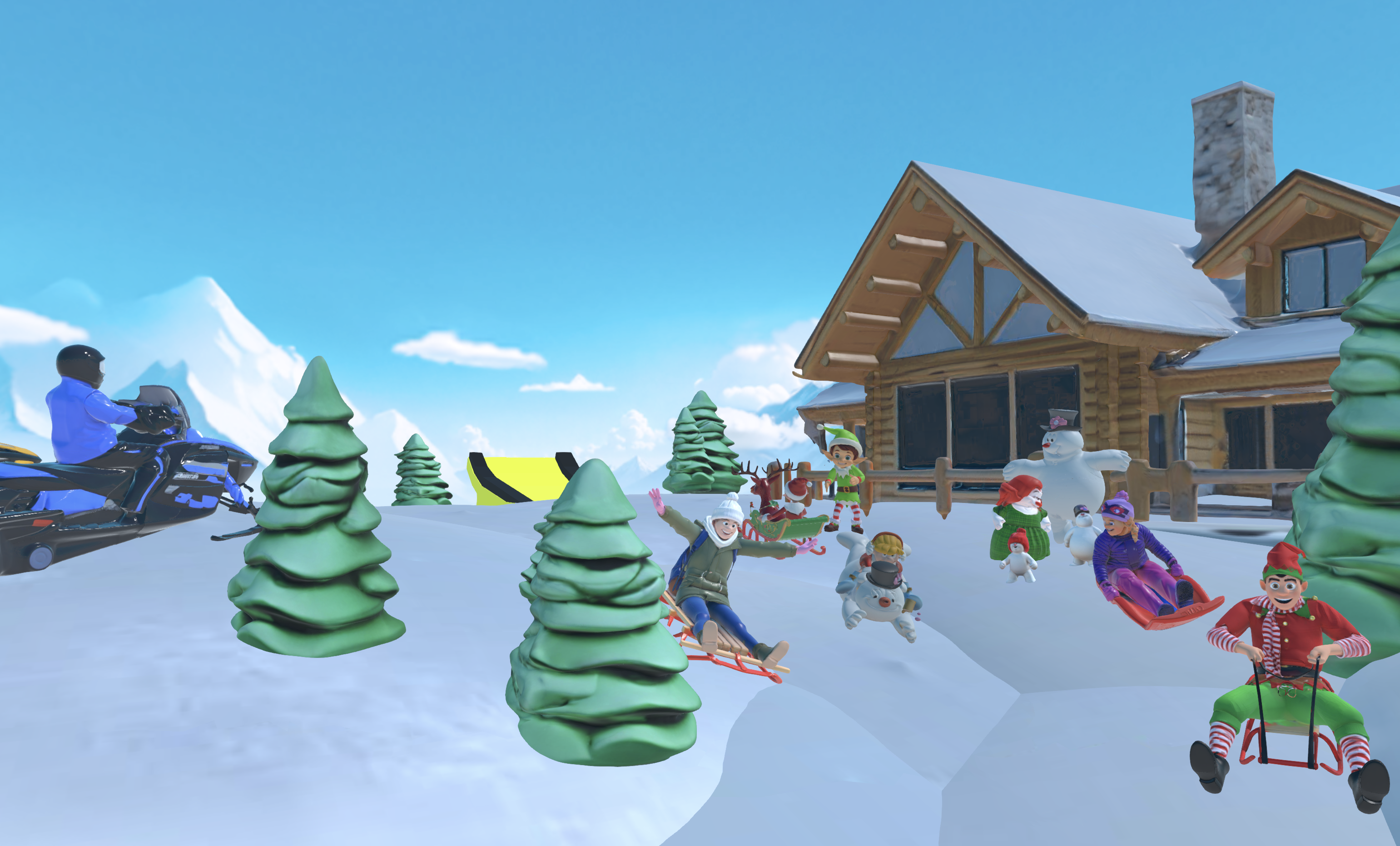
You still need to think about trade-offs. Unity and Unreal Engine from Epic Games give you deeper professional control, with advanced physics, rendering pipelines, and scripting that Nilo does not yet match. Blender offers detailed mesh editing that no browser-based tool currently reaches. Roblox Studio remains the main way to publish to Roblox’s huge player base, and Nilo’s Roblox Exporter is built to work alongside that flow, not replace it. Rosebud AI and PlayCanvas also live in the browser but lean in different directions. Rosebud AI focuses on AI code generation without its own custom 3D engine, while PlayCanvas feels closer to a professional tool than a builder-first environment.
Nilo differs from prompt-to-game tools through its hands-on building feel. You stand inside the world, move objects, test physics, and iterate in real time instead of waiting for an AI to regenerate a whole scene. In a February 2026 Nilo survey, 93% of builders said they would recommend Nilo to a friend, and 82% rated their experience as “Awesome” or “Good.” One builder summed it up as “a good game engine rather than a vibe coding tool, with easy building and a strong focus on being able to export and import content.”
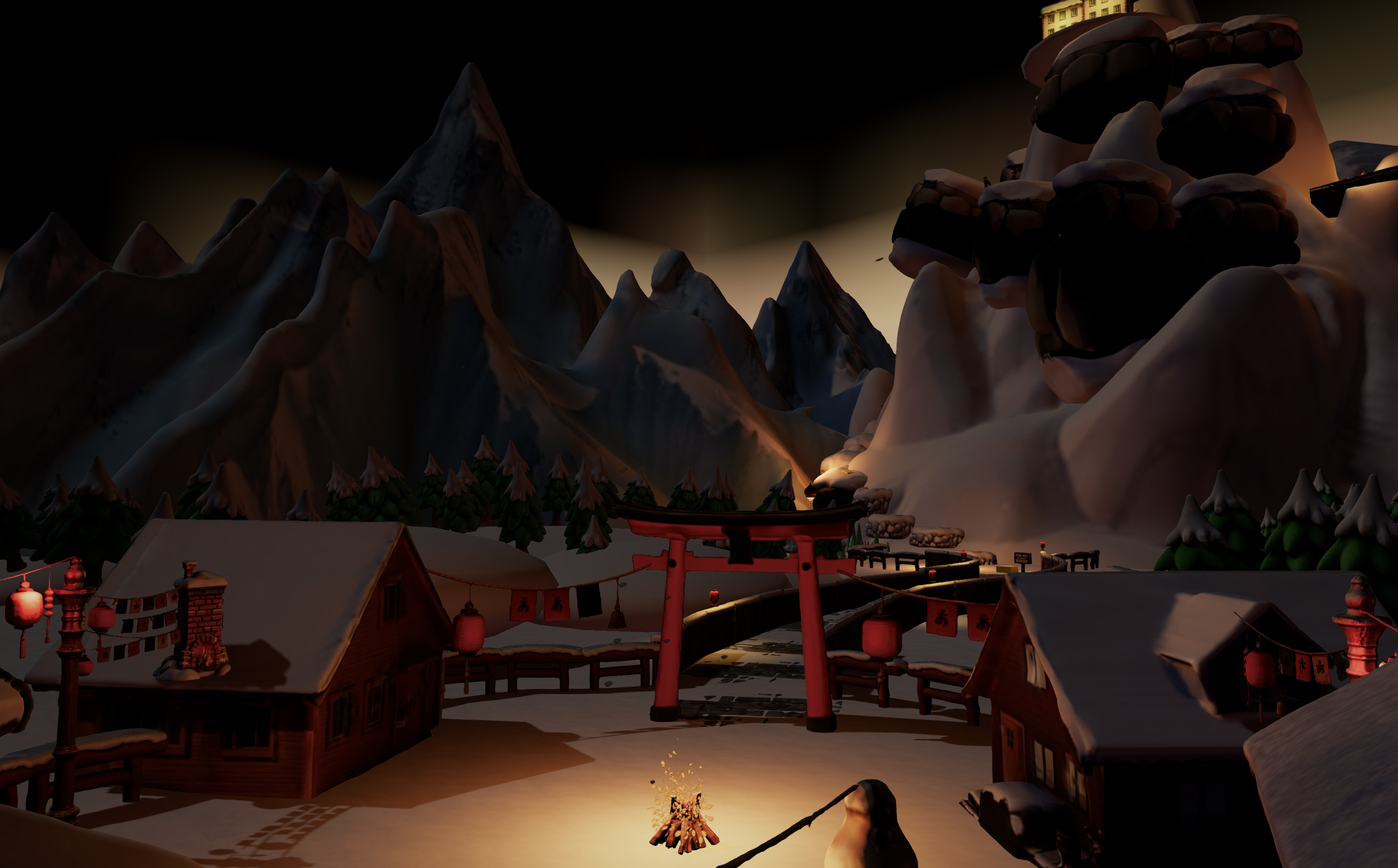
The Astrocade’s ZGRASS expansion imagined a future where a home device could be both a game machine and a creative programming space. That future now lives in the browser, and you can try it for free.
Join Nilo’s open beta and try building and playing for free.
Frequently Asked Questions
What does “Astrocade” refer to today?
The name has two unrelated uses. In retro-gaming spaces, “Astrocade” refers to the 1977–1985 Bally home video game console described throughout this article. Separately, Astrocade, Inc. is a 2022 AI software company with no historical or corporate connection to the Bally hardware. When you search for information about the vintage console, adding “Bally” or a date range to your search terms helps filter out unrelated results.
Can you still play Bally Astrocade games today?
You can still play them through emulation. The Astrocade’s Z80 architecture is well documented, and emulators can run the original ROM cartridges. Physical hardware and cartridges appear on collector marketplaces, although prices vary widely by condition. The console’s limited game library includes arcade ports and original titles that you can still enjoy through these channels.
Was the Bally Astrocade compatible with Atari 2600 cartridges?
No. The Astrocade used its own proprietary 8 KB ROM cartridge format, called “cassette-tridges.” These do not work with Atari VCS, Intellivision, or any other second-generation console. Each platform used different cartridge pinouts, shapes, and instruction sets tied to its CPU.
What made the Astrocade’s controller unusual?
The Astrocade’s controller combined a pistol-grip body with a trigger, a top-mounted joystick that also acted as a paddle, and a rotary knob, all in one unit. This setup let you select games directly with the paddle and trigger without touching the console’s buttons. Atari and Mattel did not offer anything similar at the time, and the design was not widely copied.
How does Nilo relate to the Astrocade’s original vision of accessible creation?
The Bally Astrocade included a built-in doodling program, an optional BASIC cartridge, and a planned ZGRASS programming expansion, all pointing toward a device where ordinary people could create, not just play. That vision arrived before the hardware and the market were ready. Nilo is a browser-based 3D creation platform that lets you generate assets, build worlds, add game logic through natural language, and share playable experiences with a link. You can do this without installation, Blender, or scripting knowledge. The product lives in a different era, but it tackles the same accessibility goal the Astrocade could not reach.
Conclusion
The Bally Astrocade (1977–1985) holds a specific and useful place in video game history. Its hardware felt advanced for its era, with a Z80 CPU, a 256-color palette, a bitmap graphics engine with rotation and scaling, and three sound voices with noise and vibrato effects. Its ambitions stretched even further, toward a console that could draw, calculate, program, and play. What it lacked was time, a deep software library, market stability, and the expansion hardware needed to make those ambitions real. Four name changes and the 1983 crash ended the experiment before ZGRASS or any similar creative expansion could reach homes.
This history shows what “accessible creation” actually needs. You need zero-friction access, real-time feedback, collaborative tools, and AI help that handles technical work so you can focus on building. Those requirements, the accessibility, collaboration, and AI assistance discussed above, describe what browser-based platforms are delivering in 2026 and what the Astrocade was reaching toward in 1978.
If you want to see what that original vision looks like with modern technology behind it, you can explore it in your browser right now.
Join Nilo’s open beta and try building and playing for free.