Written by: Nuno Leiria, Founder & CEO @ Nilo
What You’ll Learn About Old-School Coding and AI Game Builders
- The Bally Astrocade relied on Z80 assembly or Bally BASIC, so you had to manage registers, memory addresses, and clock cycles by hand.
- Modern AI-native tools replace low-level coding with natural-language prompts, so you describe ideas in plain English and get working 3D content.
- Browser-based platforms remove installation headaches, support real-time collaboration, and give you live 3D previews that desktop tools like Blender and Roblox Studio cannot match.
- Integrated environments handle rigging, animation, retopology, and export in one workflow, so you avoid app-hopping and keep your creative flow.
- Nilo combines these capabilities in a single browser-based platform, so you can jump into the open beta and try these tools yourself.
From Z80 Assembly and BASIC to Natural-Language Game Building
Classic Astrocade programming meant writing code in either Z80 assembly, a low-level language that talks directly to the processor using numeric registers and memory addresses, or Bally BASIC, a simplified dialect that made the hardware slightly more approachable but still required understanding the machine’s architecture. Both approaches demanded that you think like the hardware instead of like a storyteller or designer.
Natural-language tools flip that expectation. You describe what you want in plain English or any other language, and the AI generates working code or 3D assets in seconds. This shift goes beyond convenience. It opens game creation to anyone who can explain an idea, not just people who can memorize opcodes.
Retro Constraints: Z80 Registers, Bally BASIC, and Cartridge Limits
The Astrocade ran on a Zilog Z80 processor, the same chip used in the Sega Master System and many arcade boards of the era. Programming it meant managing named registers (A, B, C, D, E, H, L) that held temporary values during computation. Every sprite position, color, and sound effect had to be loaded into these registers and pushed to specific memory addresses by hand.
The display resolution was 160×102 (or 320×204) pixels in 4/8 colors. Cartridges held a maximum of 8 KB of ROM, roughly the size of a single modern text file. Every instruction had a cost measured in clock cycles, and you had to count those cycles so you did not overrun the video signal. Most commercial games of that era were written in assembly because C compilers of the time could not produce fast enough code for those platforms.
Bally BASIC used a friendlier syntax, but you still needed to understand the console’s BIOS calls, which were pre-written routines stored in ROM that handled drawing, sound, and input. One wrong BIOS parameter could corrupt the screen or freeze the game. You had no undo button and no live preview, so every mistake cost time and patience.
Modern No-Code Game Makers and Where Friction Still Shows Up
The Z80’s register limits disappeared, but the learning curve did not. It simply moved into modern tools. Roblox Studio, Unity, and Blender are professional-grade environments built for developers with years of experience. If you want to make something interactive in Roblox Studio, you need to learn Lua scripting. If you want a custom 3D character, you need Blender, which still expects you to understand complex concepts even though it feels friendlier than assembly.
You probably know the pattern. You have a great game idea, you open Roblox Studio or Blender, and within an hour you are buried in documentation instead of building. Builders in Nilo’s February 2026 survey described it clearly: “Picture yourself, frustrated because you spent the last 5 hours 3D modeling a shipping container.”
No-code and low-code game makers exist today, and they have improved a lot since 2023. The real question is whether they give you creative control or just spit out something you cannot really tweak.
Skip the five-hour modeling sessions and start experimenting in a browser instead by trying Nilo’s open beta for free.
AI-Assisted 3D Tools and the Move to the Browser
Since 2023, a wave of AI-powered tools has entered the game creation space. Platforms like Meshy automate retopology and UV mapping to save developers time during production, while tools like Rosebud AI convert written instructions into working code, functional assets, and complete games. These tools lower the floor for getting started, but many stop at generation. You get an asset or a prototype, then you are on your own to clean it up, rig it, animate it, and move it into a game engine.
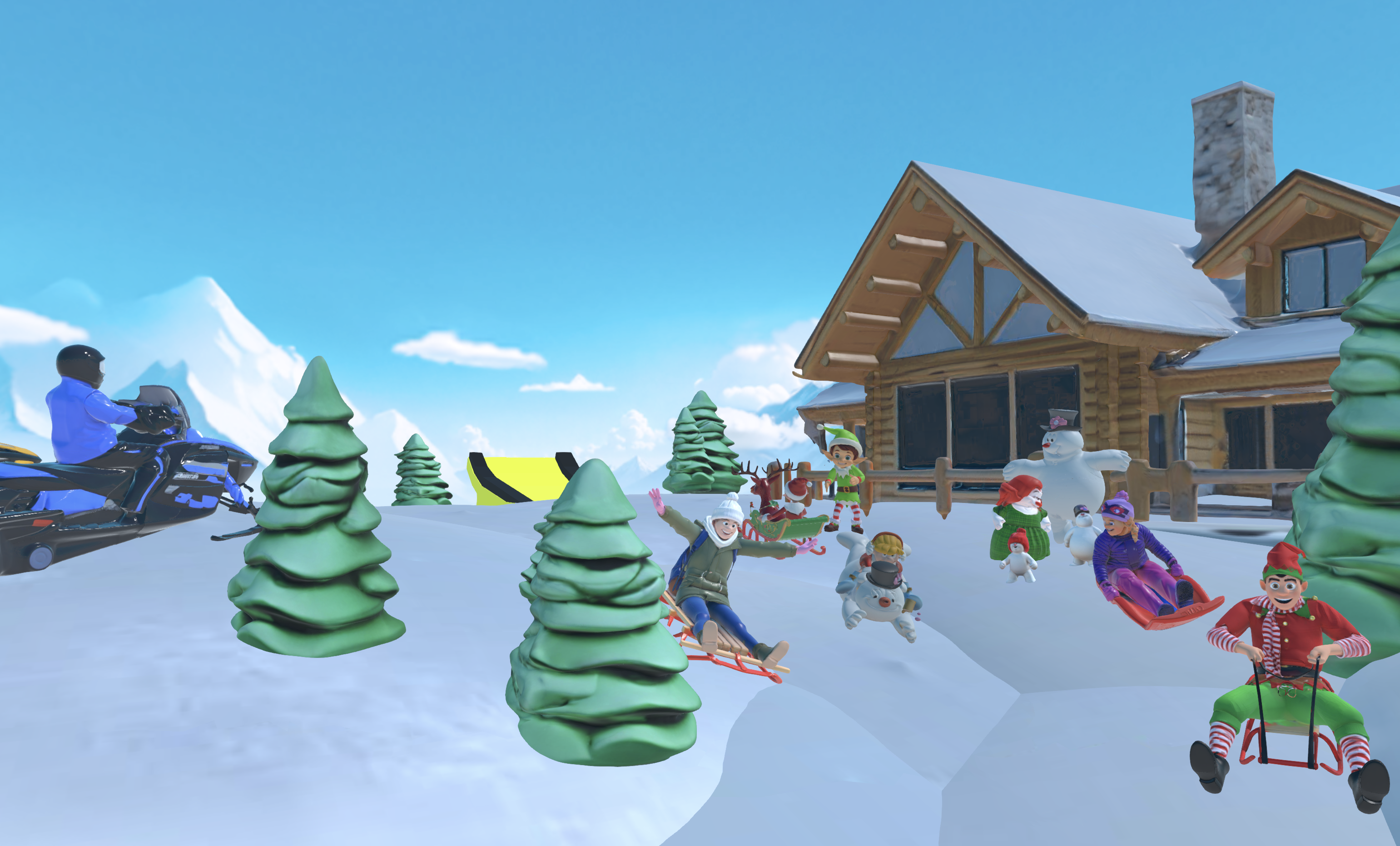
Browser-based platforms solve this fragmentation problem by keeping everything in one place. Web applications open on almost any device with an internet connection and a browser, with no downloads or installations. They support real-time collaboration through shared cloud projects with commenting and version history. You open a link, start building, and invite a friend to join. No installers, no file juggling, and no waiting.
Can ChatGPT Create a Game? Why Live 3D Feedback Matters
ChatGPT and similar large language models can generate game code from a text prompt, and the results keep getting better. That still differs from actually building a game you can tune and play. When something breaks, you end up debugging output you did not write, in a tool with no 3D preview, no physics simulation, and no way to playtest inside the same space where you write prompts.
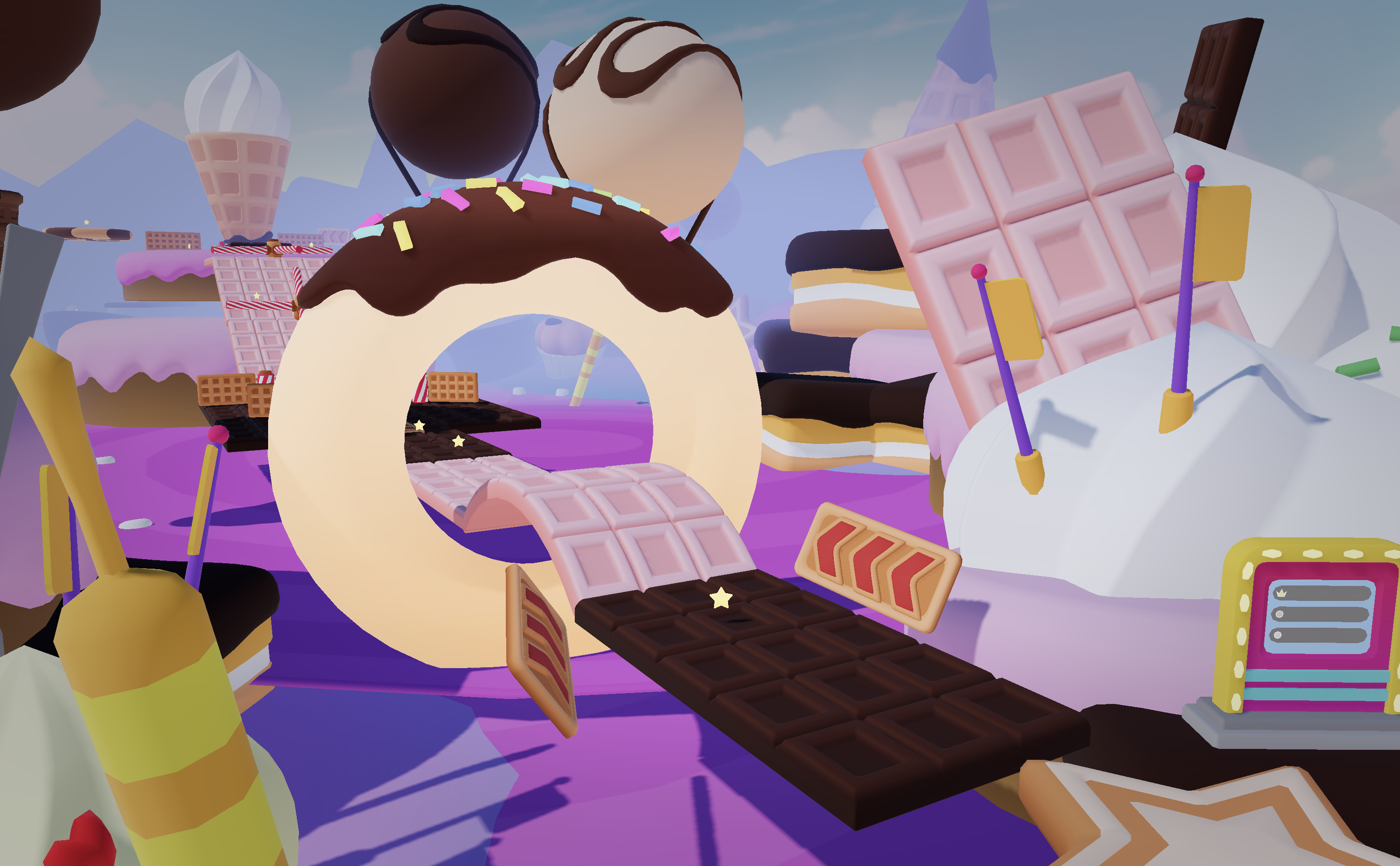
Nilo takes a more hands-on approach. Its built-in code editor accepts natural language prompts, so you create 3D games by talking, texting, or even sending images to the AI, and you see the result instantly inside a live 3D world. You can change “speed = 2” to “speed = 20” and watch your character move faster in real time. Builders in Nilo’s February 2026 survey called this “vibe coding” because it feels fun, social, and immediate, with no scripting knowledge required. One builder said, “You made me enjoy vibe-coding. The code assistance works almost flawlessly, other experiences have just been frustrating at best.”
The difference between ChatGPT and an integrated environment like Nilo feels like the difference between reading a recipe and cooking in a kitchen. One gives you instructions. The other lets you taste and adjust as you go.
Fast Rigging, Simple Animation, and Automatic Retopology
Rigging, which means adding a skeleton to a 3D model so it can move, usually takes days in professional tools like Blender. In Nilo, you trigger it with a single click. After that, you type what you want the character to do, and the platform generates animations for you. Its model-agnostic AI layer, which works across providers including Meshy, Tripo, Cartwheel, and Uthana, picks a strong result for your prompt without forcing you to manage each model yourself.
Real-time retopology, the automatic cleanup of a mesh’s geometry so it meets performance requirements, runs in the background while you build. Roblox caps assets at 10,000–20,000 polygons. Nilo’s level of detail system adjusts polygon counts on the fly, so you can stop counting triangles and focus on design. As one survey respondent put it, “I do not have to spend hours on 3D modeling the simplest things, now I can use Nilo and do it in 15 seconds.”
Exporting to FBX, OBJ, STL, and glTF for Roblox Studio and Other Engines
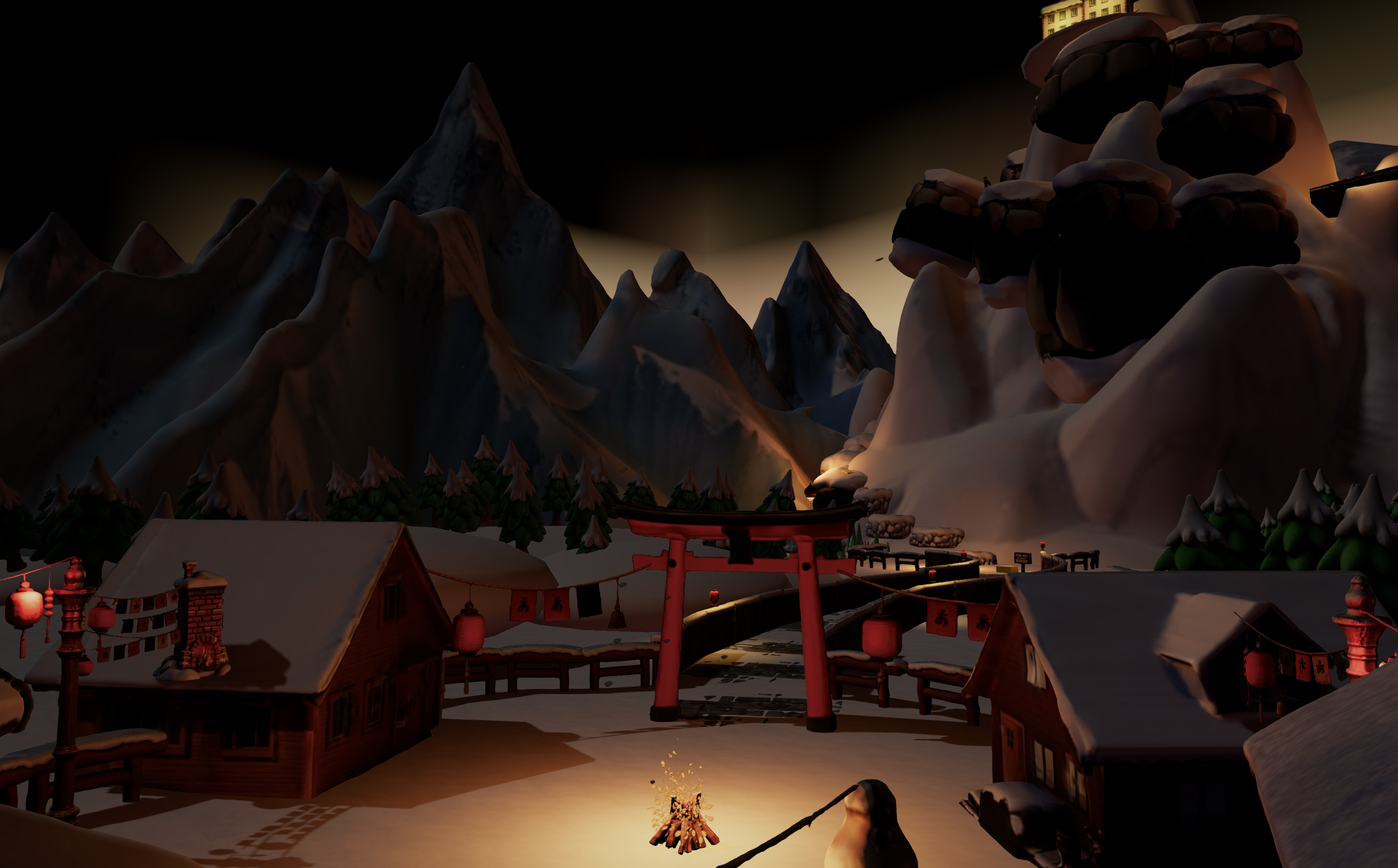
Once your asset looks right, exporting it takes one click. Nilo outputs standard 3D formats such as FBX, OBJ, STL, and glTF that work with Roblox Studio, Unity, Unreal Engine, Blender, and VRChat. The exported file arrives with clean topology, correct polygon counts, and rigging intact. You upload it to Roblox Studio and start using it right away. Nilo does not lock you in, so you can treat it as an asset pipeline for other platforms or build full worlds inside it.
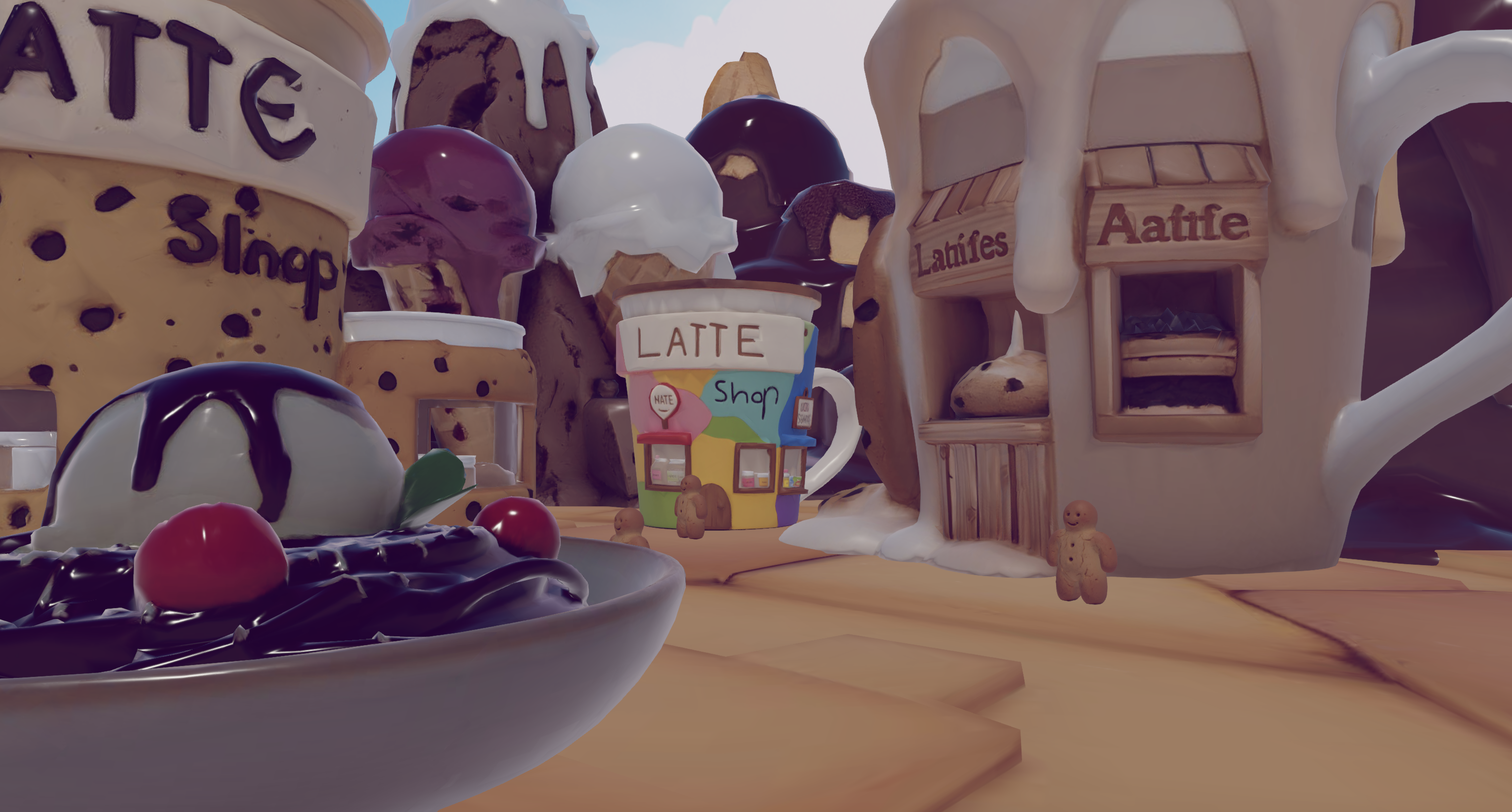
Try the full flow from generation to export in Nilo’s open beta, all inside your browser.
How Desktop Tools Compare to New AI-Native Platforms
When you choose a creation tool, you should understand what each one is built to do for you.
Nilo stands out as a browser-based, AI-native game engine built specifically for aspiring builders and already builders like you. It brings 3D generation, rigging, animation, vibe coding, and export into one environment with no installation. Its real-time retopology and level of detail system handle Roblox’s strict polygon limits for you. In Nilo’s February 2026 survey, 93% of builders said they would recommend it to a friend.
Roblox Studio feels like the most builder-focused incumbent and works as a serious professional tool. It still runs as a desktop application that requires installation and Lua scripting knowledge for anything interactive. Many aspiring builders say its complexity is their main frustration.
Unity now offers a browser-based editor called Unity Studio for beginners, but the core engine carries decades of professional complexity. It does not center AI-native workflows and was not designed around the needs of aspiring builders.
Unreal Engine delivers high-end graphics for AAA development. It runs on desktop, expects strong technical skills, and does not focus on AI-native creation.
Blender gives you a powerful open-source 3D modeling toolkit that can take months or years to master. It is not a game engine and does not support real-time collaborative building.
Rosebud AI runs in the browser and uses AI for code generation and rapid prototyping. It focuses on turning prompts into prototypes but does not provide a custom game engine with deep 3D or a social multiplayer building experience.
Sloyd focuses on AI-powered 3D model generation. It does not cover rigging, animation, publishing, or an in-engine play space.
How To Judge Learning Curve, Collaboration, Export, and Hardware Needs
When you evaluate a game creation tool, walk through the full journey from opening it to sharing something playable.
- Learning curve: Check whether the tool teaches real concepts like rigging, polygons, and mesh topology through the interface itself. If you need to read long documentation before you can make anything, you will probably stall out.
- Collaboration: Look at how you build with friends. Can they join your project by clicking a link, or do you pass files around and merge changes by hand?
- Export flexibility: Confirm that you can export to standard formats such as FBX, OBJ, STL, and glTF that work with Roblox, Unity, and Unreal Engine. If a tool locks your work inside its own ecosystem, switching later becomes painful.
- Hardware requirements: Notice whether you need a high-performance desktop or whether the tool runs in any modern browser. If your friends cannot run it, collaboration becomes harder.
- Asset optimization: See if the tool automatically respects platform polygon limits, like the Roblox caps mentioned earlier, or if you need to clean up meshes in Blender yourself.
- Full pipeline: Map out the steps from idea to export. A tool that covers generation, rigging, animation, coding, and publishing in one place will keep you building instead of juggling apps.
Common Friction Points and How One Browser Workspace Helps
Three friction points show up often when builders move from retro-style constraints to modern tools.
Prompt precision. Writing a prompt that matches what you imagined takes practice. Tools that let you refine with follow-up prompts, sketches, or reference images, instead of forcing a full restart, make this learning curve smoother.
Polygon-count anxiety. Roblox’s performance limits mean a beautiful AI-generated model can fail to import if its triangle count runs too high. A real-time level of detail system that adjusts automatically removes that worry so you can focus on style and gameplay.
Tool fragmentation. A classic workflow might use Meshy for generation, Blender for cleanup, and Roblox Studio for import and scripting. Every switch breaks your momentum. A single integrated environment where you generate, rig, animate, code, and export without leaving the browser keeps you in flow. As another builder in the same survey said, “I like how it feels like a good game engine rather than a vibe coding tool, with easy building and a good focus on being able to export and import content.”
Frequently Asked Questions
What were arcade games coded in?
Most arcade games from the late 1970s through the mid-1980s were written in assembly language, usually Z80, 6502, or 68000 assembly, depending on the processor in the cabinet. Assembly gave programmers direct control over the hardware, which mattered when machines had only a few kilobytes of RAM and still had to render graphics in real time. The Bally Astrocade used Z80 assembly for its cartridge games. As hardware improved through the late 1980s and 1990s, C became more common, and C++ followed for more complex titles. Today, most commercial games run on C++ engines like Unreal Engine or C#-based engines like Unity, with scripting layers in languages such as Lua for Roblox or Python.
Is Astrocade AI?
No. The Bally Astrocade is a 1977 home game console and arcade machine. It has no AI capabilities and runs on a Z80 processor with 4 KB of ROM and a fixed hardware design. The name “Astrocade” sometimes appears in searches about AI game creation tools, but they are unrelated. If you want an AI-native game creation environment, you should look at modern browser-based tools that use machine learning to generate 3D models, animations, and code from text or image prompts.
Can you use a game maker without coding?
Yes. Several tools let you create games without writing traditional code, but they differ in how much control you keep. Prompt-to-game tools like Rosebud AI can generate a playable prototype from a text description, yet changing specific details later can feel tricky. Nilo uses a different pattern. Its built-in code editor accepts natural language prompts, and the AI generates working code with real-time feedback inside a live 3D world. You can also see and edit the actual variables, so you pick up real programming concepts while you build. You get a no-code feel without hiding the craft from you.
Can a 12-year-old create a game?
Yes. The main barrier for younger creators has never been ideas. It has been the complexity of professional tools. Roblox Studio expects Lua scripting. Blender takes months to learn. Unity and Unreal Engine target professional developers. Browser-based AI tools like Nilo aim to meet you where you are. You open a link, describe what you want to build, and start creating in minutes with no installation and no prior coding knowledge. Nilo’s interface teaches concepts like rigging, polygons, mesh topology, and physics through the building experience itself, so you learn while you create. Builders in Nilo’s community range from middle schoolers making their first obby to experienced Roblox developers building full game worlds.
Conclusion: Move From Studying Retro Limits to Shipping Your Own World
Astrocade programming turned hardware constraints into an art form. Every register, byte, and clock cycle mattered, and that discipline produced impressive games within tight limits. Those limits no longer help if you simply want to build a playable 3D world today.
The move from Z80 assembly to natural-language creation tools changes who gets to make games. If you can describe what you want to build, you can start building. The tools that matter now keep you in creative flow. They run in the browser, use AI to help with generation, stay integrated from idea to export, and feel social enough that building starts to feel like playing.
If you feel ready to go from reading about retro constraints to shipping something your friends can play, you have a clear next step. Start your first 3D world in Nilo’s open beta for free, with no downloads, no scripting, and prompts that turn into playable results.