Written by: Nuno Leiria, Founder & CEO @ Nilo | Last updated: July 22, 2026
Key Takeaways for Building Multiplayer Worlds
- Most AI game tools only support play-only multiplayer, not real-time co-creation where multiple users build inside the same 3D world at the same time.
- Modern browser-based 3D engines using WebAssembly and WebGPU now give you instant, no-install access to full game creation and collaboration.
- When you compare AI game generators, focus on real-time co-creation, browser performance, automatic LOD, Roblox-ready exports, and natural language code.
- Nilo stands out by combining all five capabilities in one browser-based platform with live physics, AI-assisted modeling, and smooth exports.
- Join Nilo today and start building and playing multiplayer 3D worlds for free.
What Multiplayer Actually Means in AI Game Tools
Multiplayer gets used loosely across AI game tools, so you need a clear definition before you pick a platform.
Tools usually mean one of two things when they say “multiplayer.” The first is play-only multiplayer, where you publish a finished game that multiple people can load and play at the same time, like a Roblox experience. The second is real-time co-creation, where multiple people build, test, and iterate inside the same 3D world at once, seeing each other’s changes live.
Most AI game generators today only offer play-only multiplayer, if they offer multiplayer at all. Rosebud AI hosts many games created on its platform, but its multiplayer support stays limited to basic browser-hosted games generated from prompts. You can share a link, but you cannot build together inside the world in real time. Replit’s AI Game Builder lets friends join a project and sync changes instantly, but it focuses on code generation instead of hands-on 3D world building. Prompt-only tools generate an output and stop there, with no shared 3D space you can step into and keep building.
Real-time co-creation means you and a friend can both be inside the same world at the same moment, one placing a prop, the other adjusting physics, both seeing every change instantly. This guide uses that definition and treats it as the standard you should hold any AI game generator to.
Before you jump into a technical workflow, you need to know what separates tools that truly support this kind of co-creation from those that only claim to.
How Browser Tech Makes Shared 3D Worlds Possible
The browser now runs a full 3D game engine without any downloads. WebAssembly compiles high-performance code to run in a browser tab, and WebGPU gives browsers near-native rendering speed. You click a link and stand inside a real 3D environment in seconds.
A browser-based workflow for real-time co-creation looks simple. You generate 3D assets using text prompts or sketches, invite collaborators by sharing a URL, build and test together in the same world, and export optimized models when you are ready. You avoid server setup, installation, and waiting for a scripter to join your Discord.
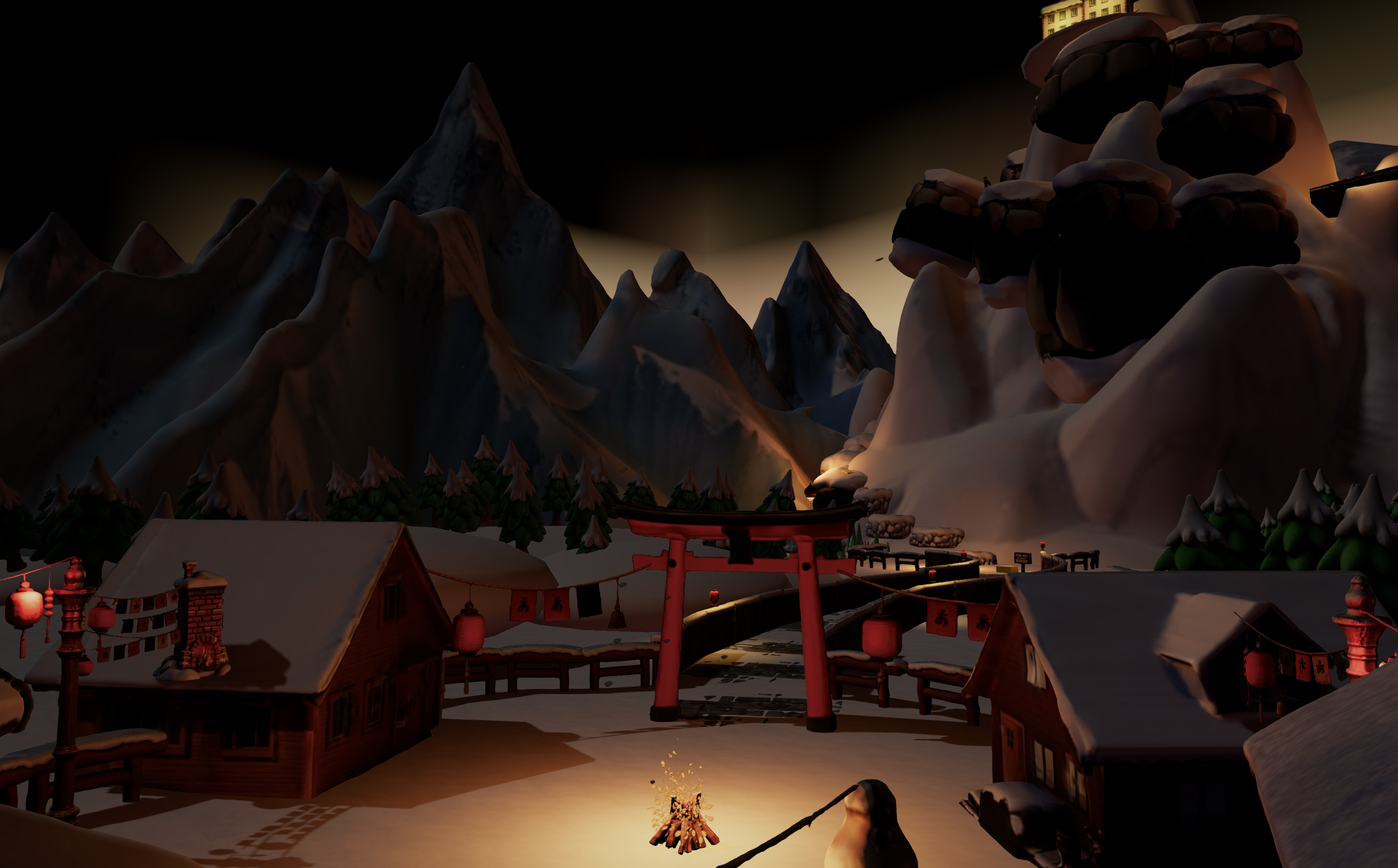
Nilo uses this architecture with a custom game engine that runs C++ physics compiled to WebAssembly, WebGPU graphics, and a custom QUIC-based networking layer. This mirrors the shift that let Figma bring professional design tools to the browser, but applied to 3D game creation.
To choose the right tool for this workflow, focus on five clear criteria.
Five Criteria for Evaluating Multiplayer AI Game Generators
These five dimensions separate tools built for real co-creation from tools that only use the word “multiplayer” in their marketing.
- Real-time co-creation. Multiple people should build inside the same 3D world at once, with changes visible to everyone instantly. This goes beyond sharing a finished game.
- Browser performance. The tool should run a genuine 3D engine in the browser, with physics, collisions, and real-time rendering, not just a web page that imitates a game. Real 3D and multiplayer games need a true engine with a scene tree, physics system, and export pipelines.
- Automatic LOD optimization. LOD, or Level of Detail, automatically reduces polygon count as objects move farther from the camera, which keeps performance smooth. Roblox caps assets at 10K–20K polygons, so automatic LOD matters for Roblox-ready exports. Most AI-generated 3D assets still need post-processing including retopology and UV cleanup before they are production-ready.
- Roblox export readiness. The tool should export clean FBX, OBJ, or GLB files that meet Roblox’s strict polygon and texture limits without manual cleanup in Blender.
- Natural language code support (vibe coding). You should be able to describe game logic in plain language, by typing, talking, or sending an image to the AI, and get working code with real-time feedback in the 3D world. This removes the need for a dedicated scripter.
Here is how popular tools compare when you use these criteria.
How Top Tools Compare on Real Multiplayer Capabilities
| Tool | Real-Time Co-Creation | Browser Performance | Auto LOD / Roblox Export | Natural Language Code (Vibe Coding) |
|---|---|---|---|---|
| Nilo | Yes, build together by sharing a link on desktop and mobile | Custom engine with C++ physics to WebAssembly and WebGPU graphics | Yes, real-time LOD slider and Roblox-optimized FBX/GLB export | Yes, text, voice, or image prompts with live 3D feedback |
| Unity | No, desktop install required, no browser co-creation | Desktop-only, browser editor is early-stage | Manual LOD setup, no automatic Roblox export | Available through Copilot plugins, not native or real-time in 3D |
| Roblox Studio | No, desktop install required, multiplayer is play-only | Desktop application, not browser-based | Manual optimization required, strict polygon caps | Code Assist available, but you still need Lua scripting knowledge |
| Rosebud AI | No, basic multiplayer for browser-hosted games only | Browser tab that generates a web page running a game, not a full engine | No LOD system, no Roblox export | Yes, prompt-driven vibe coding |
| Replit | Collaborative code editing, not 3D world co-creation | Browser-based, focused on 2D and code-first games | No LOD and no Roblox export pipeline | Yes, natural language game building |
| PlayCanvas | Partial, collaborative editor with professional-grade complexity | Browser-based WebGL engine | Manual LOD, no automatic Roblox export | No native vibe coding |
Roblox Studio and Unity give professional teams a lot of power, but they need desktop installation, scripting knowledge, and manual optimization. That setup clashes with a simple browser-based co-creation workflow. Rosebud AI and Replit support natural language creation but lack a full 3D engine and real-time co-building inside a shared world. PlayCanvas runs in the browser but sits between professional and consumer audiences after its acquisition by Snapchat.
You see the difference most clearly when you walk through the full workflow in Nilo.
Step-by-Step: Build, Co-Create, and Export in Nilo
[Suggested visual: GIF of real-time co-editing, two cursors moving objects in the same world at once]
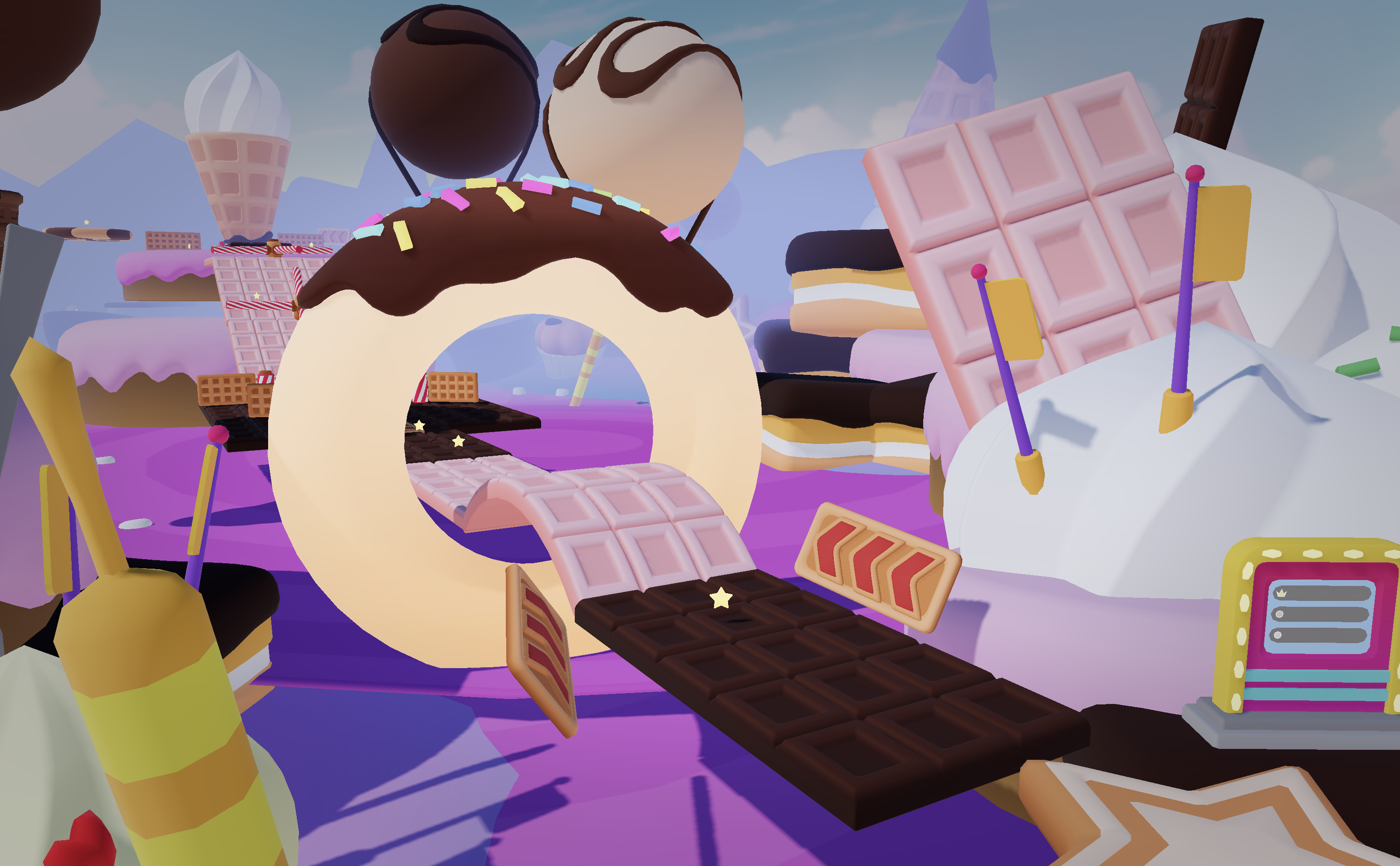
- Generate assets with text or a sketch. Open Nilo in your browser, with no download. Type what you want, like “a low-poly castle gate” or “a sci-fi weapon,” draw a quick sketch, or drop in a reference image. Nilo’s model-agnostic AI layer pulls from multiple providers such as Meshy, Tripo, and Cartwheel, then returns a 3D model in seconds. One builder in Nilo’s February 2026 survey said, “I do not have to spend hours on 3D modeling the simplest things, now I can use Nilo and do it in 15 seconds.”
- Invite friends with a link. Share your world URL and your friends join instantly on desktop or mobile. You avoid waiting for a scripter, server setup, and long installs. Creation feels like play from the first second.
- Build together in real time. Everyone in the world can place objects, adjust properties, and iterate at the same time. Use the radial menu to add primitives or AI-generated objects, and the inspector panel to fine-tune details. Changes stay visible to all collaborators instantly.
- Test physics and interactions. Nilo’s built-in physics simulation runs live. Objects move, collide, and react in real time without extra wiring. You hit play and run around your world with your friends before you export a single file.
- Export optimized models. When your world feels ready, use the LOD slider to set your polygon count, then export as FBX, OBJ, STL, or GLB. Nilo adjusts polycount so models work directly in Roblox Studio and other platforms. You skip Blender cleanup completely.
In Nilo’s February 2026 survey, 93% of builders said they would recommend Nilo to a friend, and 82% rated their experience as “Awesome” or “Good.” One builder summed it up: “I like how it feels like a good game engine rather than a vibe coding tool, with easy building and a good focus on being able to export and import content.”
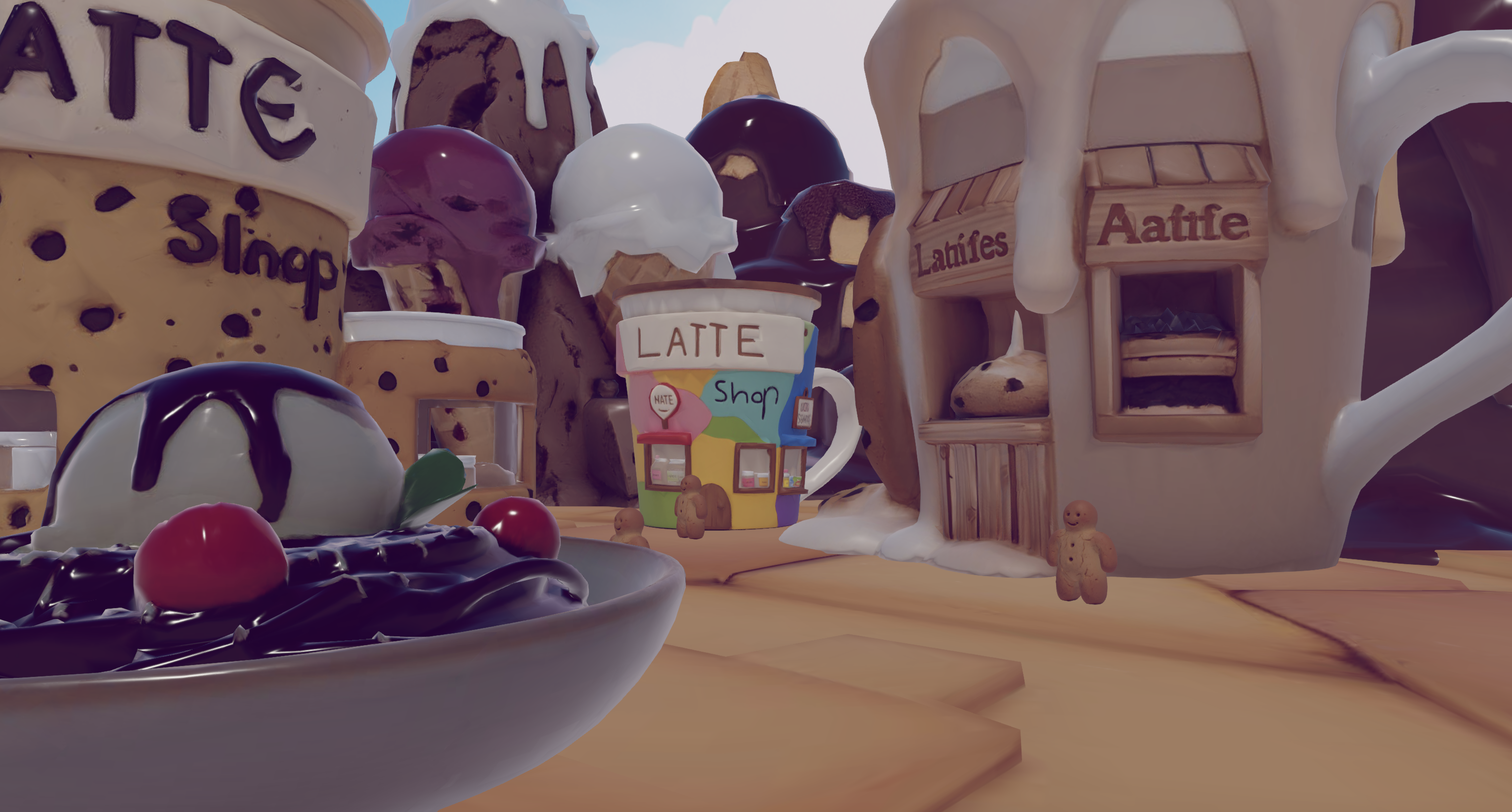
Start building your first multiplayer world in Nilo today, with no download required.
Free and Paid Multiplayer Options in 2026
Nilo is currently in open beta. The free tier includes 1,000 Nilo Bits per month, and Bits are the credits that power AI generation, rigging, animation, and export. Many core building features use no Bits at all. Paid tiers give you more Bits and access to the latest high-quality generation models.
Real-time co-creation, physics testing, and world sharing by link are available on the free tier today. Full game publishing, where you distribute a finished standalone game to a wider audience, sits on Nilo’s roadmap as the platform grows beyond asset creation and world building.
For context, the global gaming industry is projected to reach nearly $300 billion by 2029, and demand for accessible browser-based creation tools is rising fast. You can start now without spending a bunch of money by using Nilo’s free tier.
Even with the right tool, a few common pitfalls can slow you down.
Common Pitfalls When Building Multiplayer Worlds
Prompt literacy frustration. If your first few text prompts produce results that do not match what you imagined, that feels normal. Start specific and describe the style, such as “low poly,” the object type, such as “wooden chest,” and key details, such as “with metal hinges.” If being more specific still does not give you what you want, Nilo lets you switch between AI model providers to find a style that fits your world, so you are not stuck re-rolling the same model.
Optimization anxiety. AI-generated meshes usually come out dense, with high polygon counts that sit well above Roblox’s caps. In most tools, fixing this means opening Blender and manually reducing polygons. Nilo’s real-time LOD system handles this with a slider, so you stay in creative flow instead of fighting polycounts.
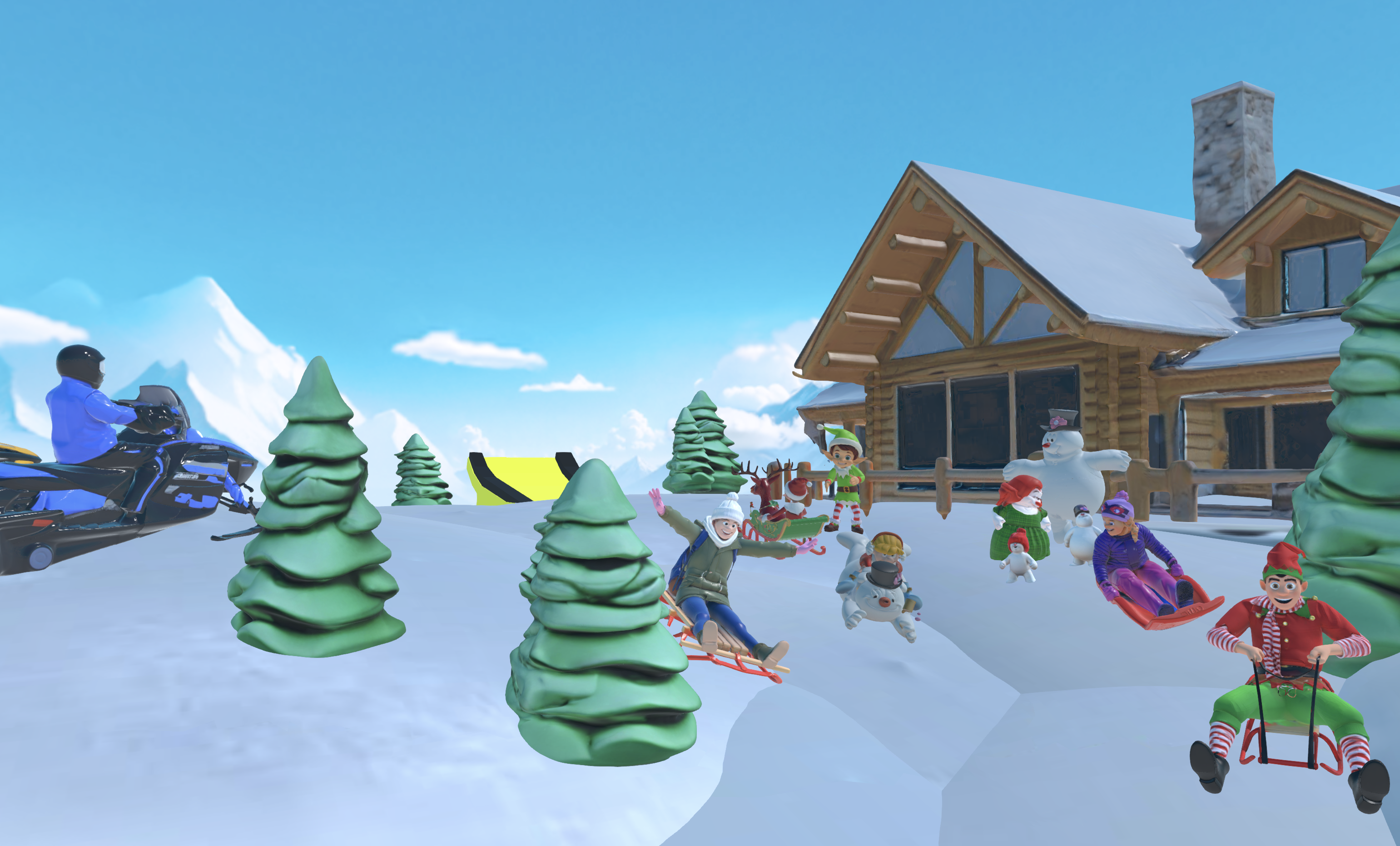
Tool-switching friction. The standard pipeline for Roblox builders often uses Meshy for generation, Blender for cleanup, and Roblox Studio for testing. That setup breaks creative momentum every time you switch apps. Most AI-generated 3D assets still need post-processing before they are production-ready. Nilo keeps generation, optimization, rigging, animation, world building, and export in one place.
Single-player-only outputs. Browser-based AI game tools that only generate a web page running a game instead of a full engine give you no real 3D depth and no asset pipeline. If a tool cannot let your friends join the same world while you are still building it, you are not getting real-time co-creation, only a preview link. Nilo’s multiplayer lives inside the creation experience instead of being bolted on afterward.
You already have the ideas, and you already have friends who want to play. The missing piece is a tool that lets you build together without leaving the creative flow. Nilo removes every extra step so the fun part, building and playing together, is all that remains.
Skip the friction and start creating with your friends in Nilo’s open beta.
Frequently Asked Questions
What is the difference between real-time co-creation and play-only multiplayer?
Play-only multiplayer means a finished game that multiple people can load and play at the same time, like launching a published Roblox experience. Real-time co-creation means multiple people stand inside the same 3D world at once, place objects, adjust properties, and test physics together, with every change visible to all collaborators instantly. Most AI game generators today only support play-only multiplayer. Nilo supports real-time co-creation, so you share a link and your friends join your world while you are still building it, on desktop or mobile, with no server setup.
Do you need to know how to code or use Blender to build a multiplayer world in Nilo?
You do not need coding or Blender knowledge. Nilo’s built-in code editor accepts natural language prompts. You describe what you want in plain text, by voice, or by sending an image, and the AI generates working code with real-time feedback in your 3D world. Builders call this “vibe coding.” For 3D modeling, Nilo’s AI generates characters, props, and environments from text or sketches, and the LOD system automatically adjusts polygon counts for Roblox export. You can go from idea to a shared, playable world without opening any external tool.
How does Nilo handle Roblox’s strict polygon and texture limits?
Roblox enforces strict asset limits, including the polygon caps mentioned earlier, along with 1024×1024 texture restrictions. Most AI-generated 3D models come out far above those limits, which usually means hours of manual cleanup in Blender. Nilo includes a real-time LOD slider that reduces polygon counts on the fly. When you export, Nilo produces Roblox-ready FBX or GLB files that meet those limits without manual retopology, so you can send assets straight into Roblox Studio.
Can friends join your Nilo world without creating an account or downloading anything?
Nilo runs entirely in the browser with no installation, no downloads, and no high-performance hardware. It works on desktop and mobile browsers. Sharing your world feels as simple as sending a link. Nilo is in open beta, and the free tier includes 1,000 Nilo Bits per month for AI generation plus access to core building and collaboration features.
How is Nilo different from prompt-only AI game generators like Rosebud AI?
Prompt-only tools generate a game from a text description and deliver a finished output, then the experience ends. You cannot step inside the world and keep building, and your friends cannot join the creation process in real time. Nilo works as a game engine first. You stand inside a 3D environment from the start, build hands-on, test physics live, and collaborate with friends at the same time. AI acts as your co-pilot, generating assets, writing code from natural language, and letting you rig and animate with one click, while you stay in control of the world. Nilo also exports to standard formats such as FBX, OBJ, STL, and GLB that work with Roblox, Unity, Blender, and Unreal Engine, so you never stay locked into one platform.
Try Nilo’s open beta and build your own multiplayer world for free.