Written by: Nuno Leiria, Founder & CEO @ Nilo | Last updated: July 23, 2026
What You Should Know Before Picking an AI Game Builder
- AI game builders let you create playable games or 3D assets from text, sketches, or images without writing code.
- Legal ownership requires meaningful human creative control, and prompts alone do not grant copyright protection.
- Export flexibility matters, because tools that only output web pages limit how you publish on platforms like Roblox or Unity.
- Browser-based engines with real-time multiplayer and one-click rigging speed up your entire creation workflow.
- Try Nilo’s open beta to build, playtest, and export 3D assets for free.
How AI Game Creation Stays Legal
AI can be part of your workflow as long as you stay creatively involved.
The U.S. Copyright Office’s January 2025 report states that purely AI-generated material cannot be copyrighted.
Prompts alone do not give you ownership of the result.
Copyright protection becomes available when you exercise meaningful creative control through selection, editing, and refinement of AI outputs.
In a February 2026 Nilo survey, 93% of builders said they would recommend Nilo to a friend. That community builds with AI every day while staying on solid legal ground because they stay hands-on throughout the process.
Legal experts at Nelson Mullins recommend treating AI as an assistive tool and not a replacement. You direct the creative process, modify outputs, and document your decisions.
The takeaway is simple: build with AI, stay involved, and you protect your rights.
How To Sell a Game You Made with AI
Once you meet the creative control standard above, you can start thinking about monetization.
Studios that rely on a prompt-only workflow with no human modification have no federal copyright claim over those assets.
Select, edit, and modify your AI outputs to show your creative decisions. That is how you establish the control that copyright law expects.
Document your choices so you can prove that control if anyone questions ownership later.
Platforms also add their own rules on top of copyright law. Steam, for example, requires developers to disclose AI-generated content before a game goes live.
Nilo’s terms stay clear about ownership. Any models, skins, or items you create in Nilo are yours to use, publish, and monetize on the Roblox Marketplace or anywhere else.
Create and own your first asset in Nilo’s free open beta.
How To Choose a Beginner-Friendly Game Maker
The right game maker depends on what you want to build, how fast you want to move, and where you plan to publish.
You can evaluate any AI game builder by running it through four practical criteria, then testing it with your own first game idea.
The framework below gives you a clear way to compare tools side by side.
Four Criteria To Compare Any AI Game Builder
- Ease of 3D creation. Check whether you can generate a 3D model from a text prompt, a sketch, or an image without opening Blender. Most 2026 AI game generators still focus on 2D output, and many 3D features only assemble pre-made assets into static scenes instead of producing playable games with cameras, controllers, and collision.
- Real-time multiplayer testing. Once you can create a playable 3D scene, you should see how easily you can test it with others. Ask whether you can invite a friend to play or build with you right away just by sharing a link. Most browser-based AI game makers still lack real multiplayer support and do not provide a persistent editable project structure.
- Export options. After multiplayer testing, you should confirm that your work does not get stuck on one platform. Check whether you can take your creation to Roblox, Unity, or Unreal Engine. Prompt-only browser tools often produce only a web page output, which creates a dead end if you want to ship to other platforms.
- Browser access. Finally, look at how you access the tool. See whether it runs without installing anything. WebGPU adoption has surpassed 75% across browsers as of July 2026, with rates of 82–89% on major platforms. Browser-based 3D creation is now genuinely viable, even without high-performance hardware.
How the Top AI and 3D Tools Compare
| Tool | 3D + Browser-Based | Pro | Con |
|---|---|---|---|
| Nilo | Yes, full browser engine | Nilo stands out because it keeps you inside one browser window from first prompt to Roblox-ready export, with one-click rigging, AI animation, real-time multiplayer, and FBX, OBJ, STL, and glTF exports to Roblox, Unity, Unreal Engine, and Blender. You avoid installs and Blender cleanup. Nilo’s open beta is live and free to join. | |
| Rosebud AI | Partial, browser, mostly 2D | Fast path to a shareable browser link for 2D arcade prototypes. | Games stay on the platform with limited exports, and multiplayer remains basic. |
| Unity | Yes, desktop-first, browser editor in progress | Industry-standard engine with a large asset library and cross-platform export. | Requires installation and has a steep learning curve if you have no scripting experience. |
| Roblox Studio | Yes, desktop only | Direct access to Roblox’s 400M+ monthly player base and creator economy. | Requires a desktop install and Lua scripting knowledge to make anything interactive. |
| Blender | 3D modeling only, desktop | Free, open-source, and capable of professional-grade 3D modeling and animation. | Takes months or years to learn, is not a game engine, and is not browser-based. |
| PlayCanvas | Yes, browser-based engine | Web-native engine that avoids large WebAssembly download sizes. | Acquired by Snapchat and positioned between professional and consumer audiences, with limited AI-native features. |
Nilo’s Four-Step Beginner Workflow in Practice
The table shows how tools compare on paper. To see what this looks like in real life, walk through Nilo’s full workflow from first prompt to Roblox upload and decide whether it matches how you want to build.
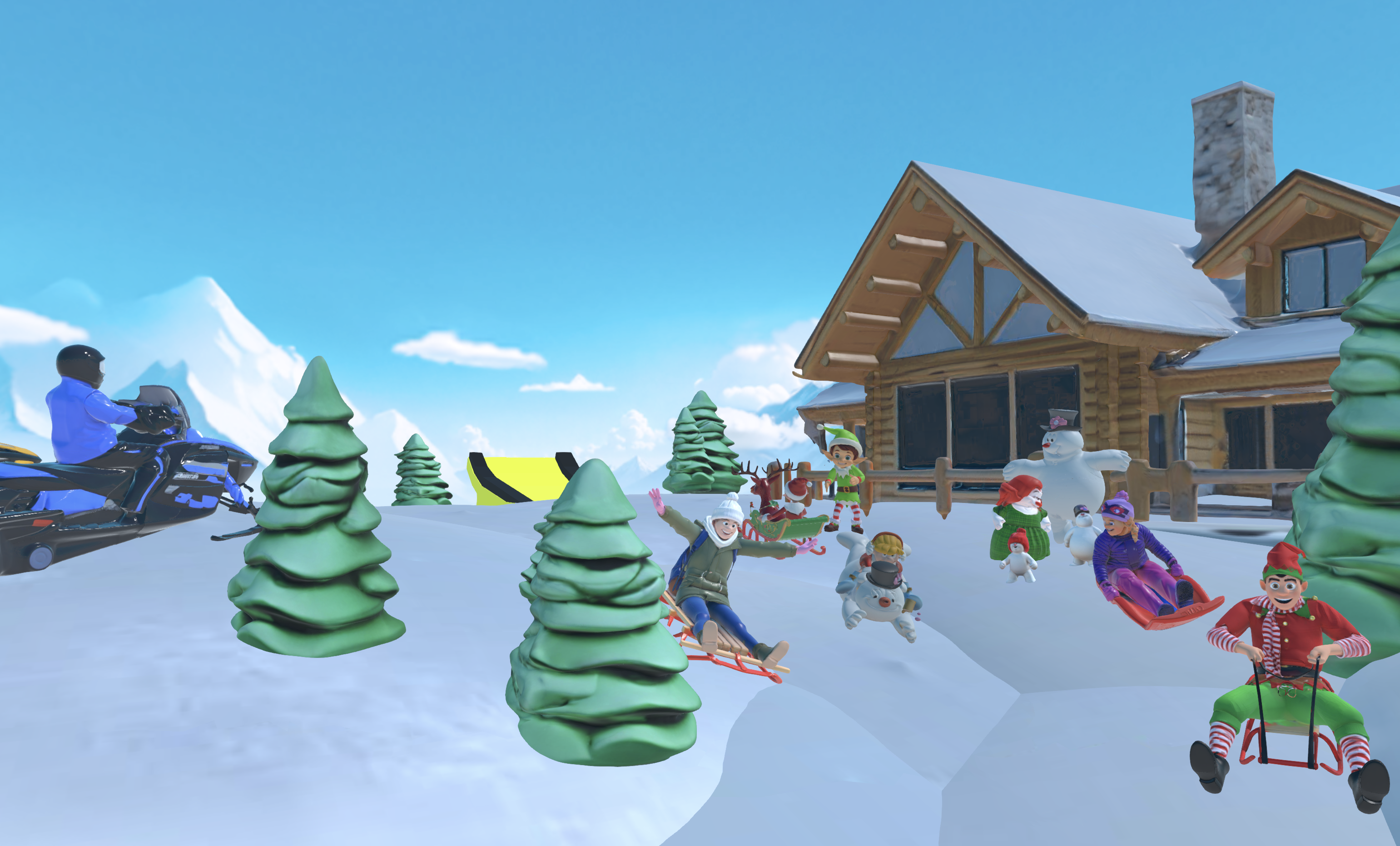
- Craft your model. Type what you want, draw a sketch, or drop in a reference image. Nilo’s model-agnostic AI layer pulls from multiple providers, including Meshy, Tripo, and Nano Banana, so you get a strong result without switching apps. As one builder put it in the February 2026 Nilo survey, “There are no limits on what you can create, just type, draw or add in an image and you can generate, rig, customise and place a fully 3D model within minutes.”
- Adjust detail, rig, and animate. Use the level of detail slider, which automatically reduces your model’s polygon count to meet Roblox’s 10K–20K polygon cap. Then rig your character with one click and describe the animation you want in plain text. You avoid timeline editors and manual bone placement.
- Playtest with friends. Share a link so anyone can jump into your Nilo world on desktop or mobile with no download. You can build together in real time or just run around and test. Many builders say this multiplayer step is where the workflow clicks, because you see your creation through someone else’s eyes immediately.
- Export and upload. Download your finished model as FBX, OBJ, STL, or glTF, which are standard 3D formats compatible with Roblox, Unity, Unreal Engine, and Blender. You export with one click and avoid manual cleanup. As one builder noted in the February 2026 Nilo survey, “I do not have to spend hours on 3D modeling the simplest things. Now I can use Nilo and do it in 15 seconds.”
Try this workflow yourself by joining Nilo’s open beta for free.
How To Test Tools With Your First Game Idea
Real progress happens when you try a tool on your own idea instead of only reading rankings.
Pick one concept, such as a simple obby, a character with a custom skin, or a prop for your Roblox world. Then run each tool through the four criteria above and see whether it can generate a 3D model, invite a friend to play, export to Roblox, and run in your browser right now.
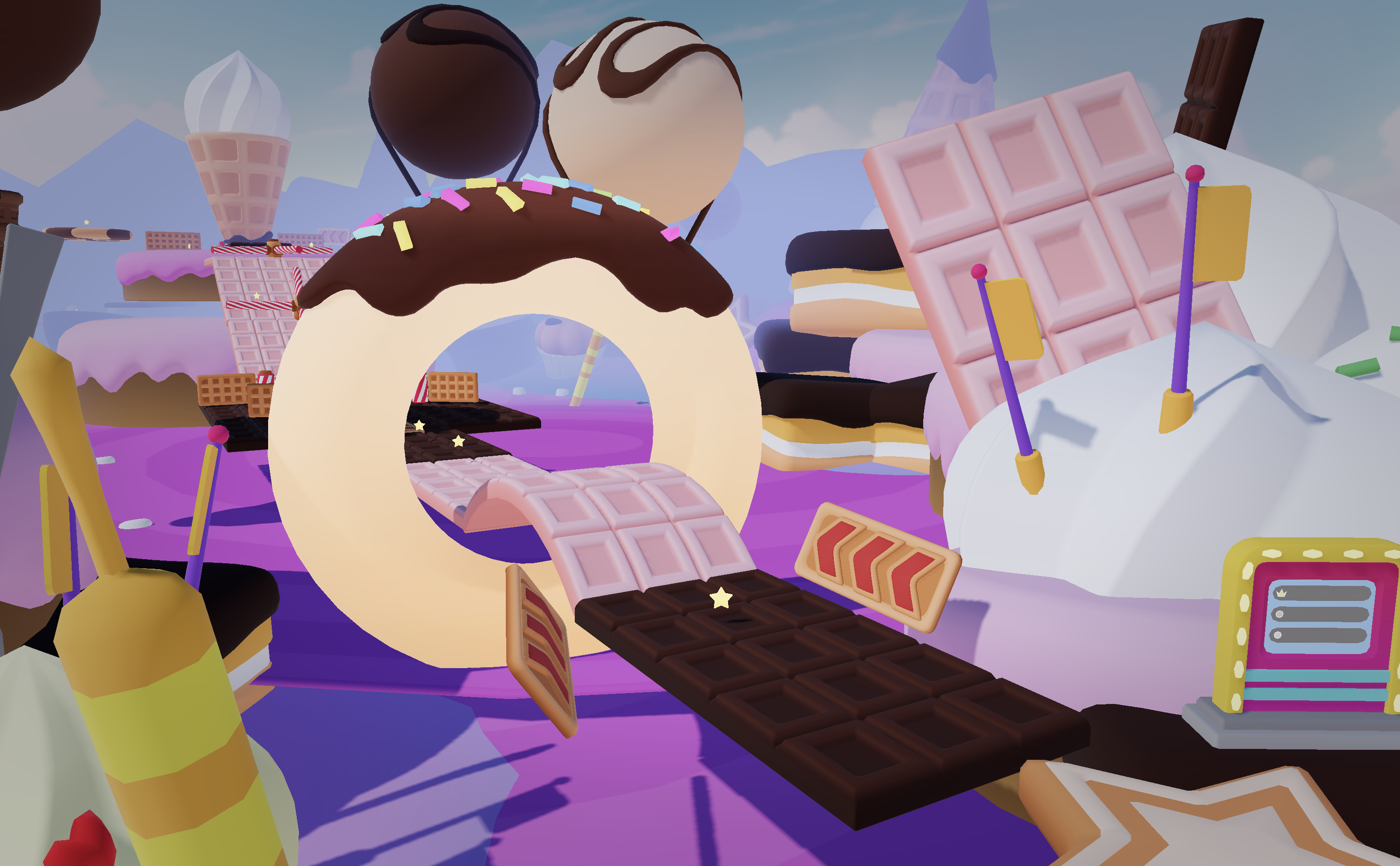
Start small with one screen, one asset, and one idea. Then notice which tool gets you there without making you fight the software.
Next Steps for Aspiring Roblox Builders
If you want to go from idea to Roblox-ready asset without installing anything, wrestling with Blender, or waiting for a scripter, Nilo stands out as a tool worth trying. It runs in your browser, is free to start, and has a community of more than 9,000 builders on Discord who share workflows, give feedback, and build alongside you.
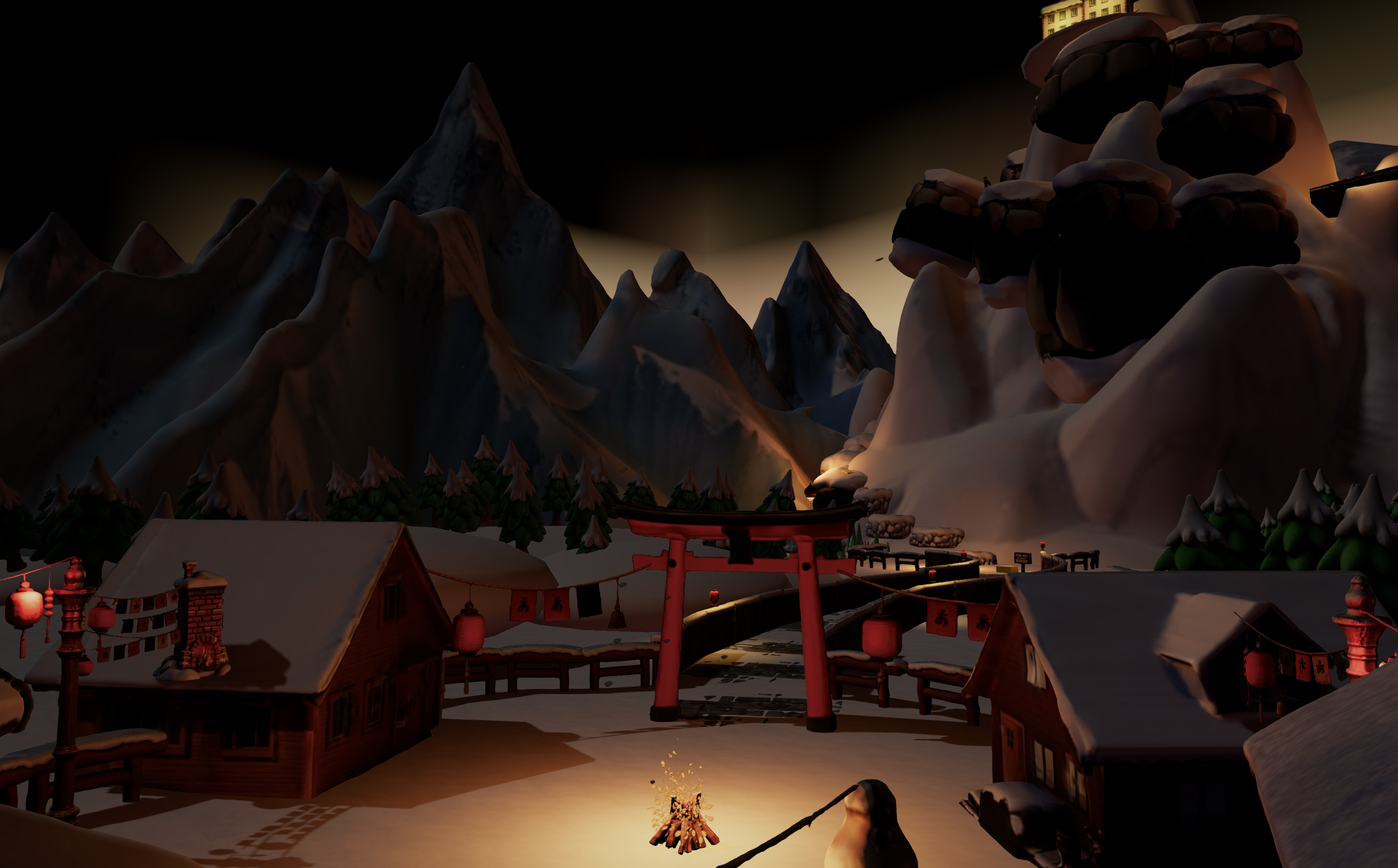
Head to Nilo’s website to explore the platform and join the Discord community. Your first model sits one text prompt away.
Start building in Nilo’s open beta today.
Frequently Asked Questions
Do I need to know how to code to use an AI game builder?
You can start without any coding knowledge. Most AI game builders, including Nilo, let you describe what you want in plain text while the tool handles the technical work. Nilo’s built-in code editor accepts natural language prompts in any language, so you can say what you want a character to do and see it happen in real time inside your 3D world.
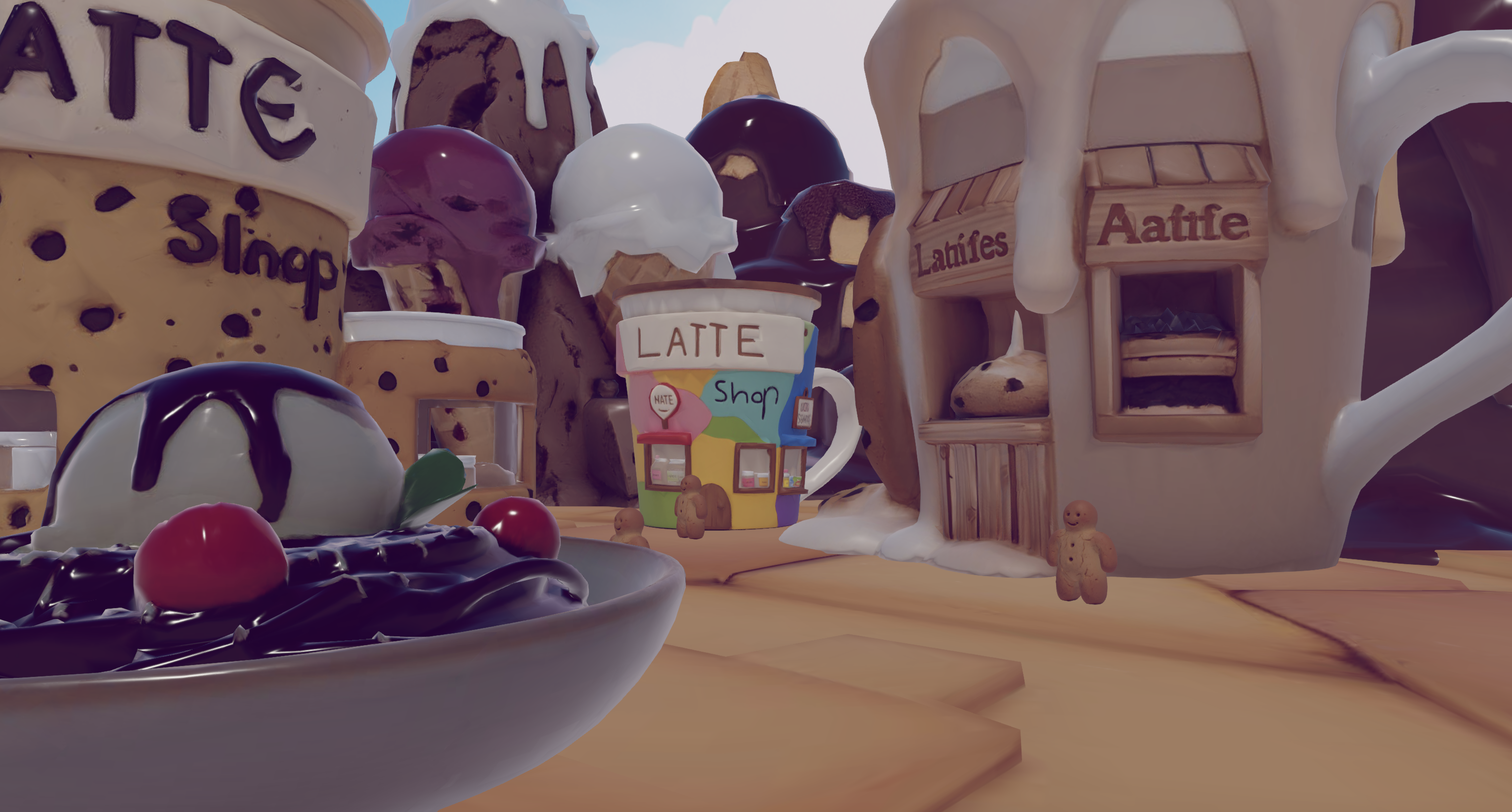
You can also look at the actual code variables and tweak them, such as changing “speed = 2” to “speed = 20.” That approach helps you learn real programming concepts without pressure. You do not need scripting knowledge to get started.
What’s the difference between a prompt-only AI game maker and a browser-based game engine like Nilo?
A prompt-only tool generates a game from a text description and gives you a web page you can share. That feels fast and fun for a quick prototype, but the game usually lives on that platform, is hard to edit later, and often cannot export to Roblox, Unity, or other engines.
A browser-based game engine like Nilo gives you a real 3D environment where you build, rig, animate, playtest with friends, and export, all without installing anything. The key difference is creative control. With Nilo, you stay inside the world making decisions instead of only describing what you want and hoping the AI gets it right.
Can I use Nilo to make Roblox assets if I’m not an experienced developer?
You can create Roblox-ready assets in Nilo even if you have never opened Blender. You generate a model from a sketch, image, or text prompt, use the level of detail slider to automatically hit Roblox’s polygon limits, rig it with one click, describe the animation in text, and export it as an FBX or GLB file ready for Roblox Studio.
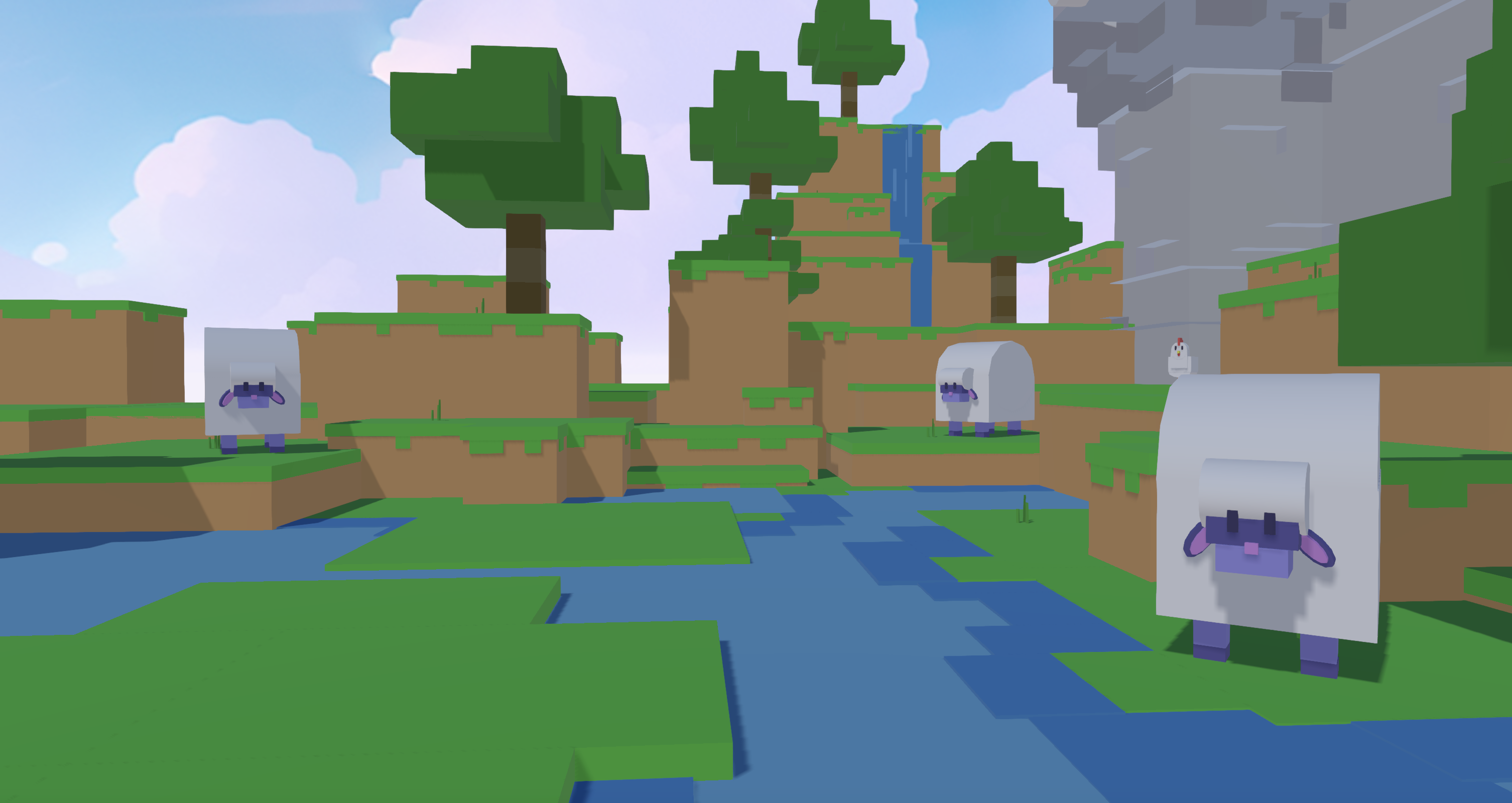
The whole workflow runs in your browser, so you avoid software installs, file transfers, and long render waits.
Is Nilo free to use?
Nilo is currently in open beta and free to join. You get 1,000 Nilo Bits per month, which are credits used for AI generation, rigging, animation, and export. Many core building features use no Bits at all.
You can earn more Bits through Nilo Rewards by referring friends and building within the community. There is no sketchy install, no credit card required to start, and no need for high-performance hardware, because you only need a browser.
What platforms can I export to from Nilo?
Nilo exports to FBX, OBJ, STL, and glTF, which are standard 3D formats that work with Roblox, Roblox Studio, Unity, Unreal Engine, Blender, and VRChat. Nilo does not lock you in as a walled garden.
You can use it purely as an asset creation pipeline and bring everything you make into whatever engine or platform you already use. Rigged and animated characters export cleanly, and Nilo’s LOD system automatically handles the polygon optimization that Roblox requires.