Written by: Nuno Leiria, Founder & CEO @ Nilo | Last updated: June 28, 2026
Key Takeaways for Your Roblox UGC Workflow
- Most AI 3D tools give you meshes that Roblox rejects, which usually means hours of cleanup in Blender.
- Clear Roblox-ready prompts with low-poly style, simple shapes, and exact asset types keep triangle counts under control.
- Nilo handles generation, real-time retopology, rigging, and animation in one browser tab, so you can skip Blender.
- Exporting FBX with embedded textures and staying under Roblox’s triangle limits (4k for accessories, 20k max) keeps uploads smooth.
- You can go from prompt to Roblox-ready asset in minutes with Nilo’s browser-based workflow.
Roblox Rules for AI-Generated UGC
Roblox accepts AI-generated UGC as long as your asset meets the technical requirements, is your original work, and follows Roblox's community standards. The review focuses on what you upload, not which tool you used.
Step 1: Write a Roblox-Ready Prompt
Your prompt controls how easy your asset is to upload and use. Vague prompts usually create complex, high-polygon meshes that break Roblox limits. Specific prompts keep the geometry simple and clean.
Use these inputs every time you write a prompt:
- Style keyword: low poly, stylized, cartoon, blocky, or Roblox-style
- Part count intention: “simple shape,” “minimal detail,” “clean silhouette”
- Asset type: hat, sword, backpack, character, prop, or another clear label
- Color or material: describe the surface so the texture bakes cleanly
Example prompt: “Low poly cartoon knight helmet, simple shape, metallic silver, Roblox accessory style.”
Compliance checkpoint: If your idea needs fine detail like fur, tiny patterns, or exposed mechanical parts, simplify the shapes. Roblox’s 20,000-triangle cap means you keep detail in the texture, not in the geometry.
Step 2: Turn Your Prompt Into a Model in Nilo
Once you have a Roblox-ready prompt, you need a tool that turns it into a clean mesh that passes checks. Nilo is a browser-based 3D creation platform, with no download and no install. Open it in any browser, type your prompt or upload a sketch, then generate your model.
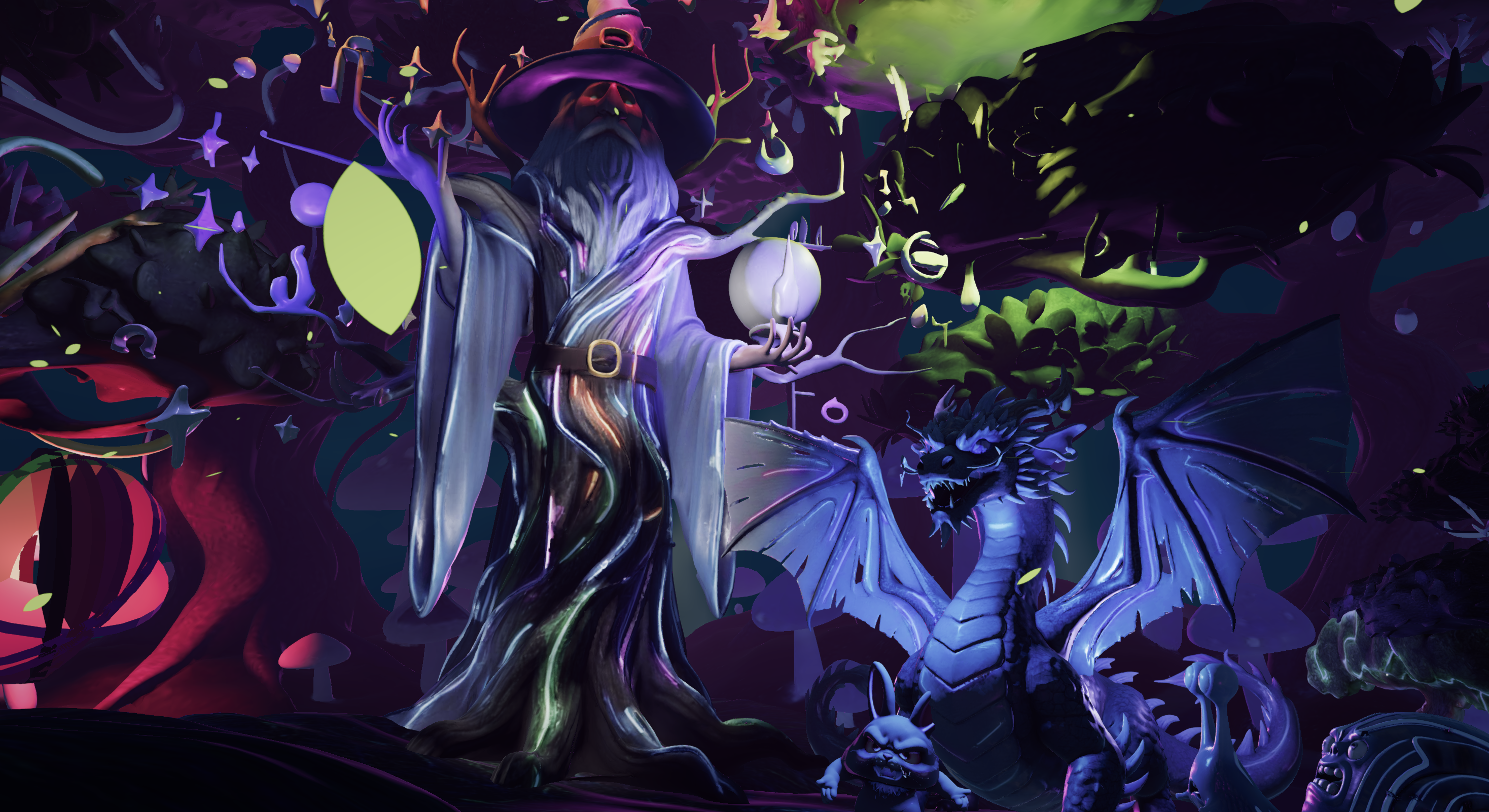
Nilo’s AI layer connects to several model providers such as Meshy, Tripo, and Nano Banana behind one interface. You stay in a single tab while Nilo picks from these sources to give you a strong starting result.
First compliance checkpoint: Check that the generated model matches your concept closely enough. If it feels off, regenerate now. Fixing a weak base mesh later wastes time in every following step.
Step 3: Apply Real-Time Retopology for Roblox Limits
Retopology means you simplify the mesh geometry by reducing triangle count while keeping the overall shape. In Blender, this can take more than 30 minutes per asset. In Nilo, you move one slider.
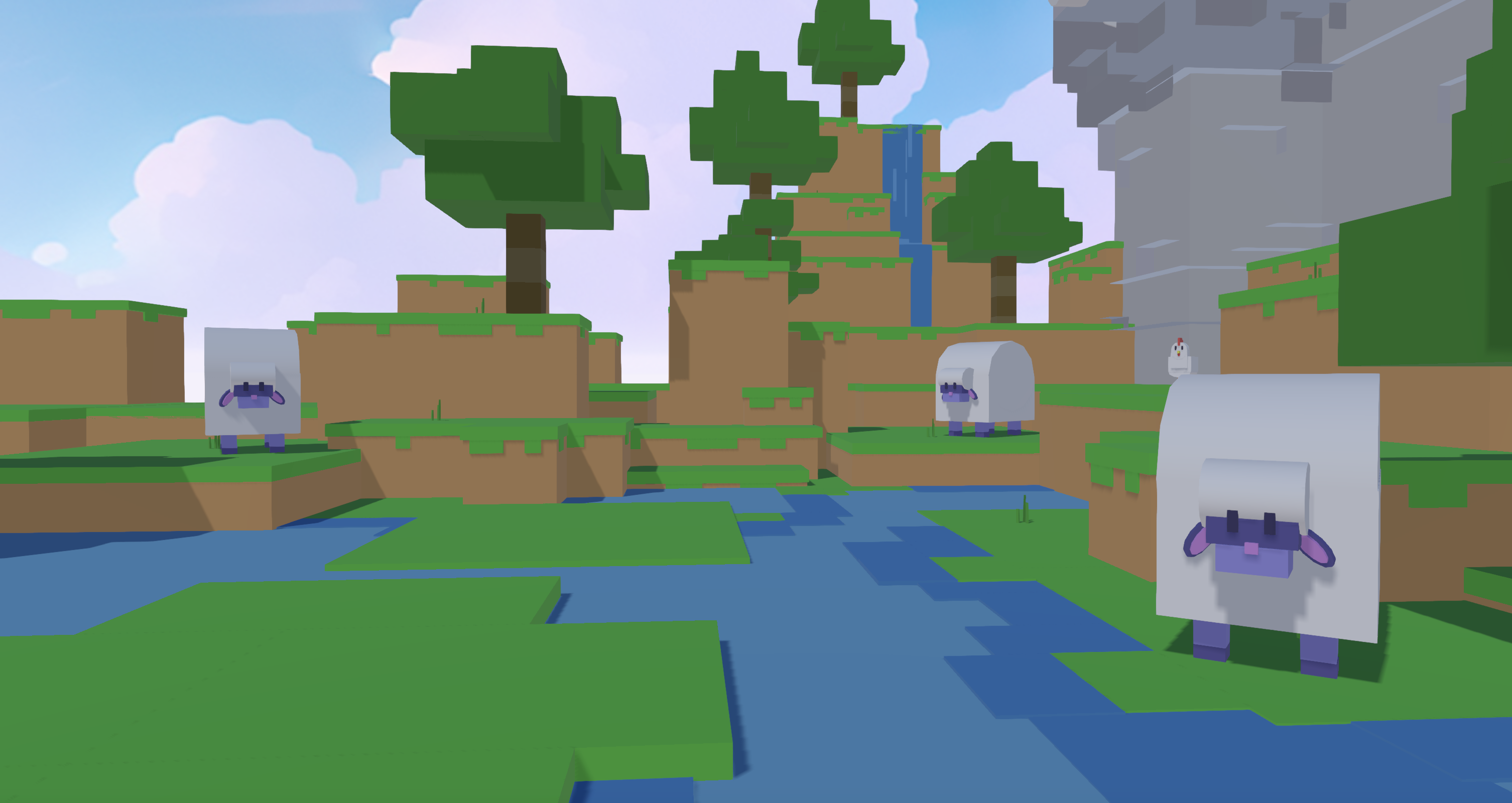
Use Nilo’s LOD (level of detail) slider to lower the triangle count and watch the number update in real time. Your target changes based on what you are building, and smaller items need tighter limits because they must render quickly.
Accessories like hats and gear should stay under 4,000 triangles for good performance. Characters and layered clothing can go up to around 10,000 triangles without causing heavy load. Roblox enforces a hard limit of 20,000 triangles for most UGC uploads, so staying well below that number keeps your asset smooth in-game.
Triangle count verification checkpoint: Confirm the triangle count before you move to rigging. Over-limit meshes are the most common reason Roblox rejects UGC submissions.
As one builder said in Nilo's February 2026 survey, “I do not have to spend hours on 3D modeling the simplest things, now I can use Nilo and do it in 15 seconds.” That survey also found that 72% of builders felt Nilo made their creative process easier by “a lot,” and 82% rated their experience as “Awesome” or “Good.”
Step 4: Rig the Asset for Movement
A rig is a skeleton with bones that tell Roblox how your model moves. Accessories often work without rigs, but characters and animated props need them.
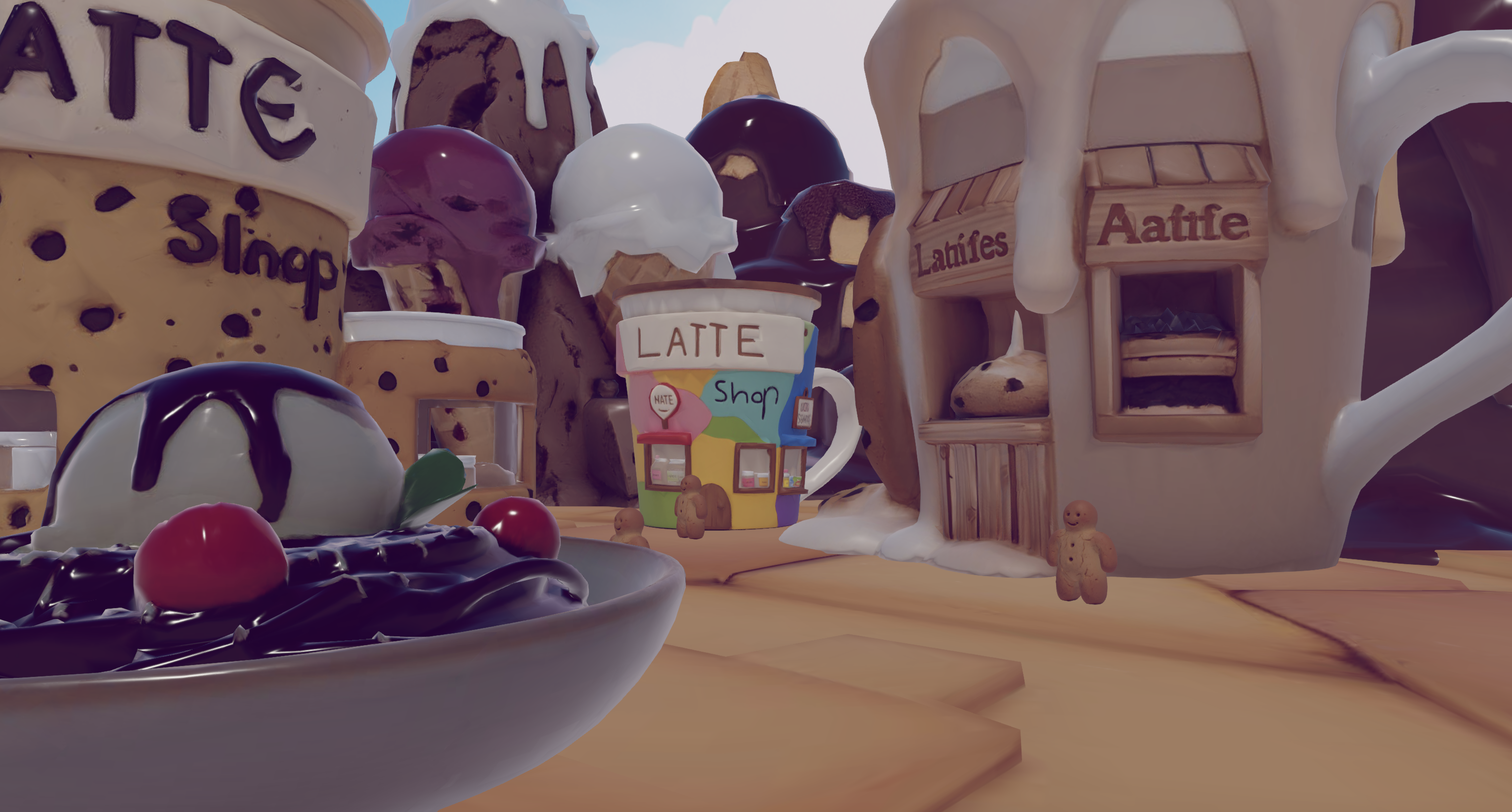
In Nilo, you click the rig button and the skeleton appears automatically. You avoid manual bone placement and weight painting.
Rig validation checkpoint: Make sure the bones sit inside the mesh where they should. Bones that float outside the geometry cause ugly deformation in Roblox Studio. If the auto-rig looks wrong, regenerate the model with a cleaner silhouette, then rig again.
Step 5: Add Animation With Text Prompts
Nilo uses text-to-motion, powered by Uthana, so you can create animations from short descriptions. Type what you want the character to do, such as “walk cycle,” “idle breathing,” or “sword swing,” and Nilo applies the motion to your rig.
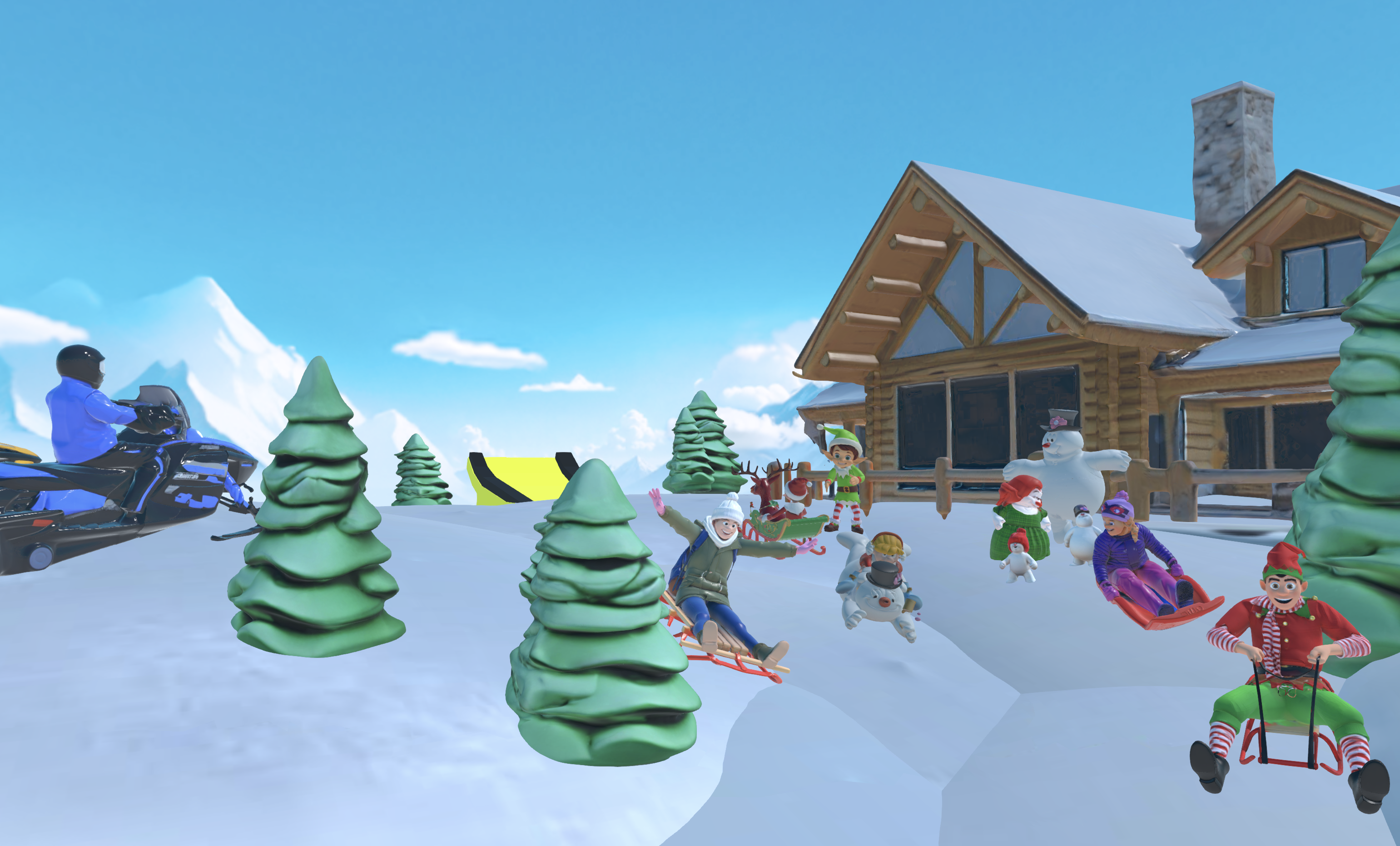
Follow a few simple animation rules for Roblox UGC. Keep clips short and loopable, and stay under about 30 seconds per animation. Idle and walk cycles should loop smoothly without visible jumps.
Skip this step when you upload static accessories like hats or backpacks that do not need movement.
Step 6: Export Your Asset as FBX
FBX, or Filmbox, is the format Roblox Studio uses for rigged and animated 3D assets. Nilo lets you export FBX with a single click.
Before you export, confirm these settings:
- File format: FBX
- Texture resolution: 1024×1024 pixels maximum
- Textures embedded or saved next to the FBX in the same folder
- Scale: confirm the model is not exported at 0.01x or 100x, since Roblox uses studs as its unit
Step 7: Upload Your FBX to Roblox Studio
Open Roblox Studio and use the Asset Manager or the 3D Importer to bring in your FBX file. For UGC marketplace uploads, go to the Creator Hub at create.roblox.com.
First-time upload requirements are simple. Roblox asks UGC creators to complete ID Verification before listing marketplace items, and you only do this once. You also need a Premium subscription to publish paid UGC items, while free accounts can still upload assets for personal use in their own games.
Roblox Upload Checklist for Your AI 3D Models
| Requirement | Limit / Spec |
|---|---|
| Triangle count | See Step 3 for asset-specific targets, hard limit 20,000 |
| Texture resolution | 1024×1024 pixels max |
| File format | FBX for rigged or animated assets, OBJ for static meshes |
| Texture format | PNG or JPG, embedded or in same folder as FBX |
| Rig requirement | Required for animated items, optional for static accessories |
| Asset naming | No special characters, clear names help moderation |
| Content rules | Must comply with Roblox Community Standards |
| Marketplace upload | Requires ID Verification and Premium subscription |
Fixing Common Roblox Export and Upload Errors
- “Triangle count exceeds limit” – Go back to Nilo’s LOD slider, lower the triangle count more, then export again. Avoid trying to fix this inside Roblox Studio.
- “Texture missing after import” – Re-export from Nilo with textures embedded. If you export a separate PNG, keep it in the same folder as the FBX before you import.
- “Model imports at wrong scale” – In Roblox Studio’s 3D Importer, adjust the scale multiplier. Nilo exports in meters, while Roblox uses studs as its unit (1 stud = 28 cm).
- “Rig not recognized / animation will not apply” – Confirm that you applied the rig in Nilo before export. If the skeleton is missing from the FBX, re-rig and export again.
- “Upload rejected by moderation” – Compare your asset with Roblox Community Standards. Common triggers include real-world logos, graphic violence, or banned text. Adjust the texture or design, then resubmit.
How You Can Judge Any AI Asset Tool for Roblox
When you compare tools for Roblox UGC creation, focus on a few clear checks. Look for clean topology that does not need heavy manual cleanup. Make sure there is a polygon reduction or LOD system. Confirm that the tool exports FBX with embedded textures. Check whether rigging and animation live in the same workflow or require extra software.
Many standalone AI generators, including Meshy when you use it alone, create high-polygon meshes with messy topology. These usually need serious Blender work before Roblox accepts them. A chain like Meshy to Blender to Roblox Studio slows you down and adds hours to each asset.
Nilo stands out because its LOD system and one-click Roblox exporter remove that Blender step. You can generate, retopologize, rig, animate, and export in a single browser tab. As mentioned earlier, Nilo’s survey data shows strong builder satisfaction with this streamlined workflow.
Measuring Your Roblox UGC Success
After your first upload, track three simple signals.
- Upload acceptance rate: Check whether Roblox accepts the file without errors. If it fails, match the error to the step in this guide that needs a tweak.
- In-game performance: Watch for lag or frame drops when your asset appears. If you see issues, lower the triangle count more with the LOD slider.
- Iteration speed: Time how long your full workflow takes. With Nilo, many builders move from prompt to uploaded asset in under 15 minutes. If your time is higher, find the slowest step and adjust your process.
Start creating your first Roblox asset in Nilo's free beta
Frequently Asked Questions
Does Roblox allow AI-generated UGC items on the marketplace?
Roblox allows AI-generated assets on the marketplace. Your asset must meet all technical requirements such as polygon count, texture size, file format, and rig validity, and it must follow Roblox's Community Standards. Moderation checks the final asset, not the tool you used.
What file format does Roblox Studio accept for 3D imports?
Roblox Studio accepts FBX for rigged and animated models and OBJ for static meshes. FBX is the standard when your asset needs a skeleton or animation data. When you export from Nilo, choose FBX and make sure textures are embedded or saved in the same folder.
Do I need Roblox Premium to upload UGC?
You need a Premium subscription and a verified ID through ID Verification to list items for sale on the Roblox UGC marketplace. You do not need Premium to import 3D assets into your own games for personal use. If you are just building a game and want to use props you created in Nilo, you can upload them without Premium.
Can I use Nilo on a phone or a low-spec computer?
Yes. Nilo runs entirely in your browser, with no installation, no downloads, and no need for high-performance hardware. It works on desktop and mobile browsers. The platform uses WebAssembly and WebGPU to give you strong performance without a gaming PC or a specific operating system.
What should I check if my model looks good in Nilo but breaks in Roblox Studio?
Most problems come from scale mismatch, missing textures, or a rig that did not export correctly. Start by checking the triangle count, because over-limit meshes can fail import or run poorly. Then confirm that textures are attached. If the rig is missing, go back to Nilo, apply the rig again, and export as FBX one more time. Most issues trace back to one of these three checks.