Written by: Nuno Leiria, Founder & CEO @ Nilo | Last updated: August 13, 2026
What You Will Learn About Vibe Coding This Weekend
- Vibe coding lets you describe 3D game ideas in plain language and watch AI build working logic instantly, so you skip learning Lua, C#, or Blueprints.
- Traditional tools like Roblox Studio, Unity, and Blender create steep barriers through scripting requirements and fragmented workflows that can stretch a single game over years.
- Browser-based AI-assisted game engines combine real-time physics, natural language prompts, and automatic LOD optimization to give you playable 3D worlds without downloads or installs.
- The 5-step workflow of opening your browser, generating assets, adding logic, playtesting, and exporting guides you from idea to finished game in a single session.
- Ready to start building your own world? Open Nilo’s beta in your browser and try building and playing for free.
The Problem: Why Moving from Playing to Creating Still Feels Impossible
You can picture the game and you know exactly how it should feel, but the moment you open Roblox Studio, Unity, or Blender, the excitement drains fast. These tools were built for professionals, and they show it.
Scripting is the wall most aspiring builders like you hit first. Roblox Studio expects Lua. Unity expects C#. Unreal Engine expects Blueprints or C++. Learning any of them from scratch takes months, and tutorials often skip the exact thing you need. You either spend weeks searching for a scripter to partner with, or you drop the project entirely.
Even if you push past scripting, the workflow fragments immediately. You need a modeling tool like Blender for assets, a separate code editor for logic, a game engine for physics, and then you have to make all three talk to each other without breaking anything. Solo developers working in professional engines like Unreal Engine 5 report that side-project development at roughly 20 hours per week can take two to three years to reach a finished game. Many projects never reach that point.
AI prompt tools sound like the fix, but they introduce their own problems. State-of-the-art text-to-3D models still struggle with geometric inconsistencies, failures in part assembly, and incorrect spatial relationships. You might get a model that looks melted, or code that works once and breaks on the next prompt. Text prompts function as lossy compression of physical reality, systematically omitting parameters like mass, friction, and surface material that determine how objects actually behave, so pure prompt-to-game tools often produce physics that feel wrong.
This friction across traditional tools and pure prompt systems explains why builders report such dramatic improvements when they switch to integrated platforms. A February 2026 Nilo survey found that 72% of builders say Nilo makes their creative process easier by “a lot,” which shows how much resistance the standard workflow creates before a tool like this exists.
The Solution: Building 3D Games in Your Browser With AI Help
A browser-based game engine first environment gives you a clear alternative to fragmented desktop workflows. Everything lives in one place, with no downloads, no installs, and no switching between Blender, a code editor, and a game engine while your creative momentum fades.
Platforms like Rosebud AI and Arcade AI let you generate games from prompts, but they act more like prompt-to-game wrappers. You describe something, the system generates something, and your ability to change it stays limited. You do not get a real engine underneath, hands-on building, or real-time physics you can actually feel.
Nilo stands out because it behaves like a game engine first, not a generation tool with a chat box bolted on. It runs on a custom C++ physics engine compiled to the browser with WebAssembly and accelerated with WebGPU, similar to how Figma brought professional design into the browser. Everything feels interactive by default. Objects move, collide, and react in real time the moment you place them.
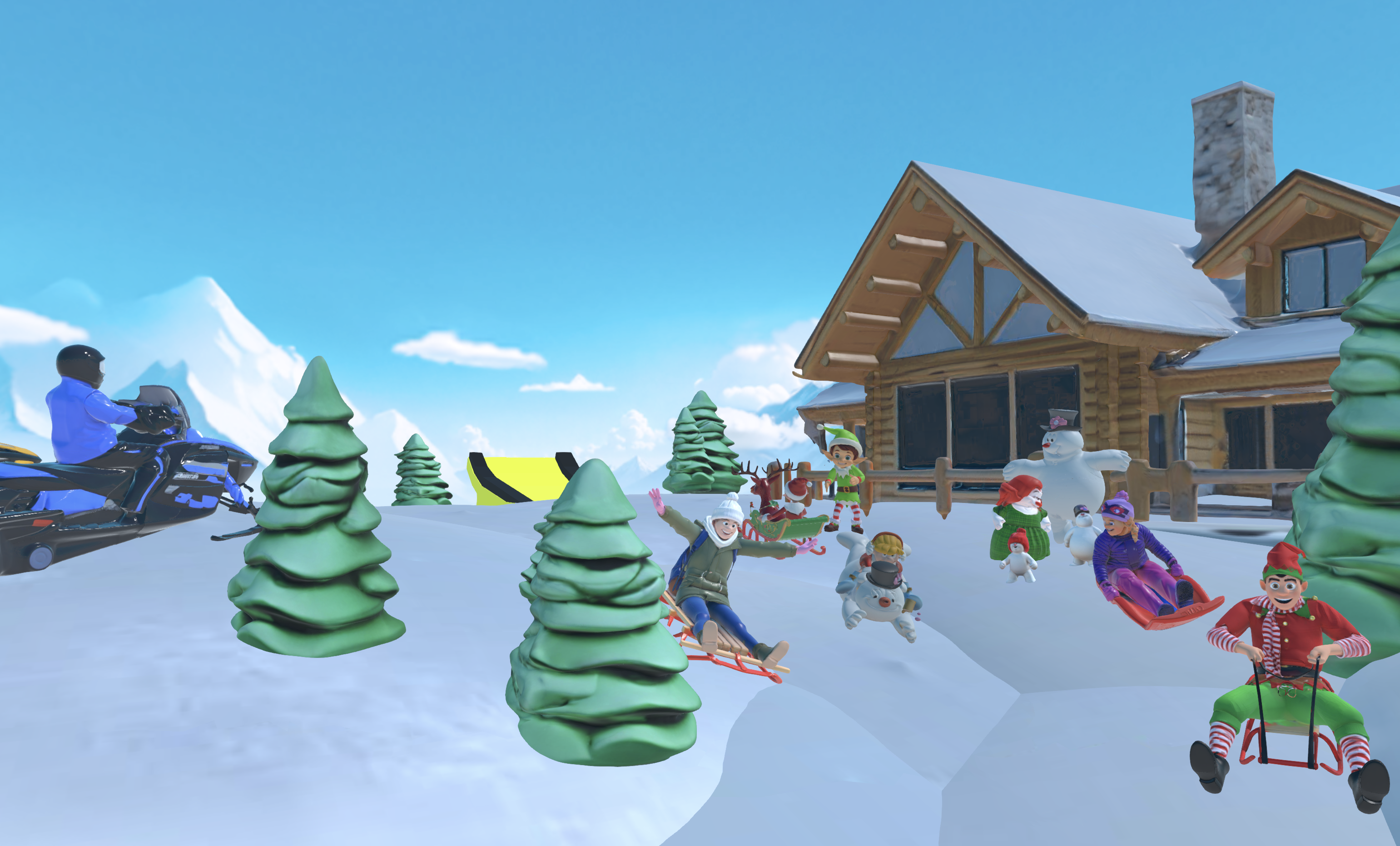
A model-agnostic AI layer sits on top of this engine and hides the complexity of choosing providers. Nilo pulls from tools like Meshy, Tripo, Cartwheel, Nano Banana, and Uthana behind one interface, so you just ask for what you want. As those models improve, Nilo automatically gets better. One builder from the February 2026 Nilo survey described it this way: “I like how it feels like a good game engine rather than a vibe coding tool, with easy building and a good focus on being able to export and import content.”
That export focus matters because you probably want to move your work to Roblox or Unity at some point, and those platforms have strict technical requirements. The LOD system, or level of detail, automatically reduces polygon counts on the fly so your models fit Roblox’s 10K–20K polygon caps without you touching a single setting. You design, and Nilo handles the technical cleanup. Try exporting a small world and see how automatic optimization feels in your own project.
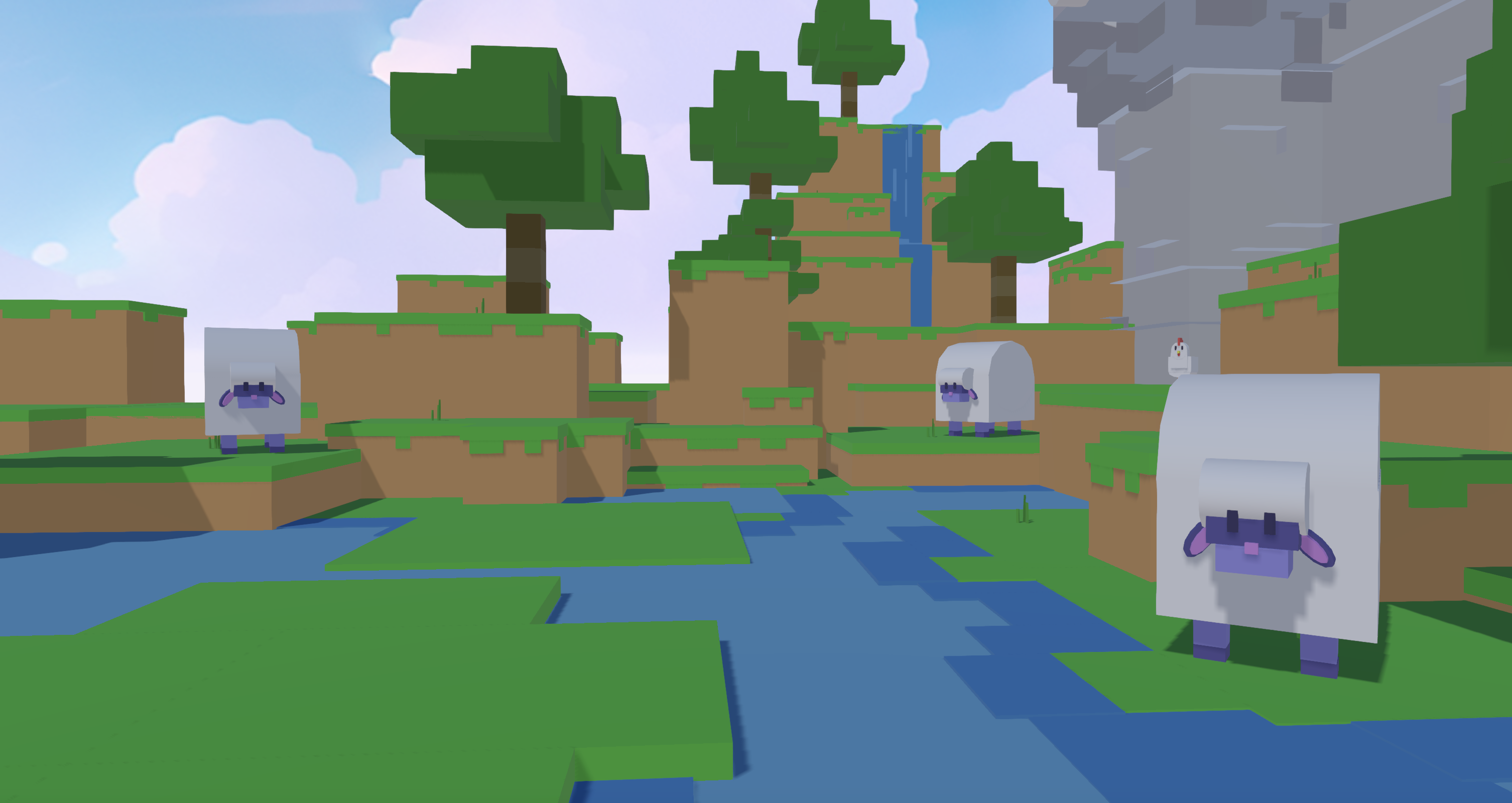
5-Step Vibe Coding Workflow for Your First Playable Game
This workflow helps you go from idea to playable 3D game in a single session. Each step builds on the last, and you stay inside the browser the whole time.
- Open Nilo in your browser and start a new world. You avoid heavy setup and jump straight into building. Open nilo.io, sign in, and you appear inside a live 3D environment immediately.
- Generate your first asset with a text prompt or sketch. Type something like “low-poly wooden crate, clean geometry, one solid piece” into the AI generator. Prompts between 5 and 20 words using the formula Object + key features + material or style + constraints produce the most reliable single-object models. Drag the result straight into your world.
- Add game logic with the vibe coding editor. Open the natural language code editor and type what you want to happen, such as “make the crate explode when a player touches it” or “spawn an enemy every 10 seconds.” The editor generates working code and you see the result instantly in your 3D world. You can also tweak variables directly, like changing “speed = 2” to “speed = 20,” so you learn how the logic works by experimenting.
- Playtest inside the same environment. Press play and run around your world. Physics, collisions, and interactions feel live. Share a link with a friend so they can join and playtest with you in real time from any browser.
- Export or publish your world. When you feel ready, export to FBX, OBJ, STL, or glTF for Roblox Studio, Unity, or Blender. You can also publish your world directly to the Nilo community with one click. The LOD system automatically adjusts polygon counts to match Roblox’s performance caps before export.
8 Vibe Coding Game Ideas You Can Build This Weekend
These examples show how a short vibe coding prompt turns into a working mechanic. Type the prompt into Nilo’s editor, watch the result in 3D, then refine it by changing numbers or adding new rules.
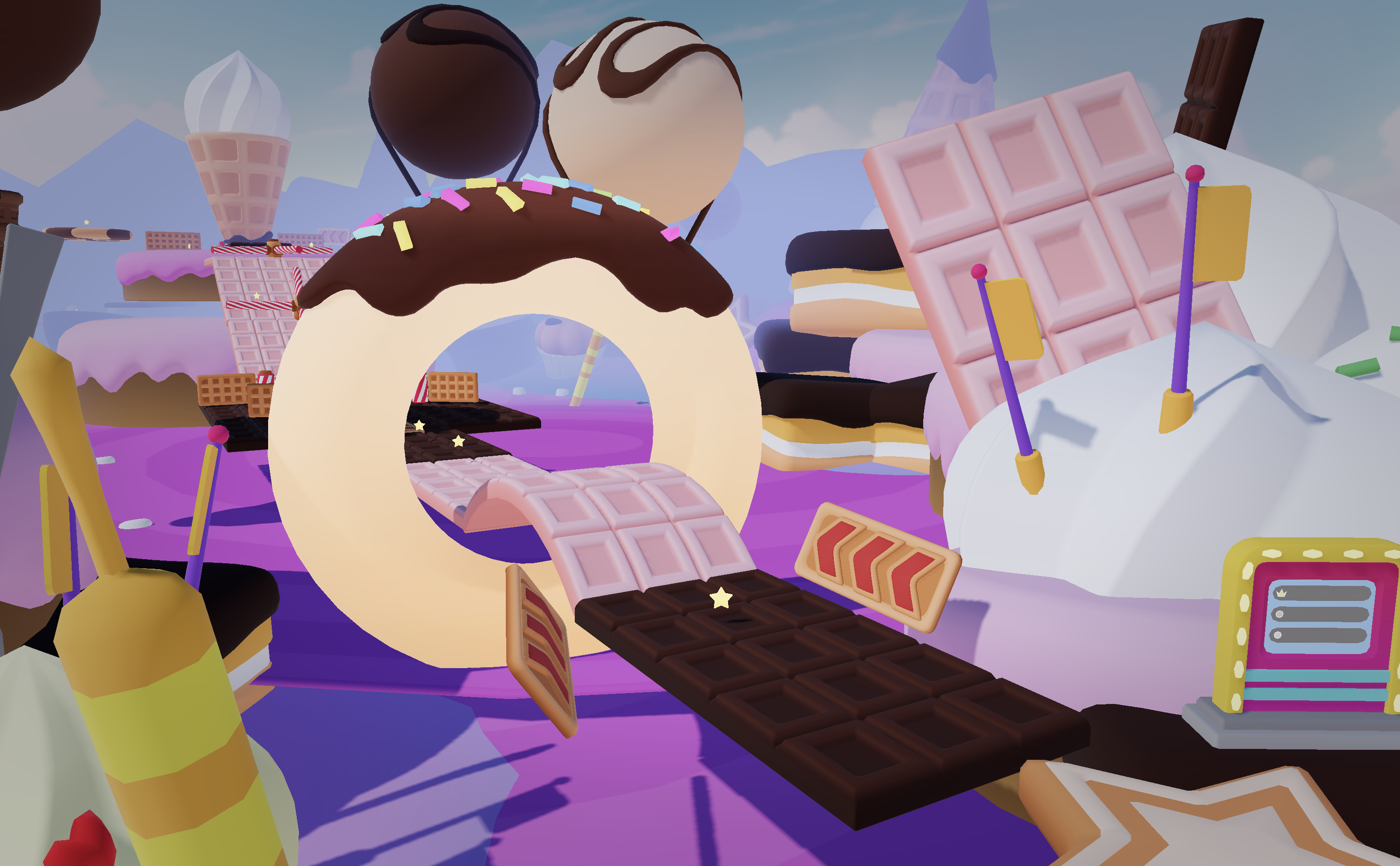
- Arcade Coin Collector. Prompt: “Spawn gold coins across the map every 5 seconds. When the player touches a coin, add 1 to their score and play a sound.” Outcome: You get a simple score-loop game with real-time feedback, which makes a great first project. Open Nilo and try this coin collector loop as your first test.
- Survival Wave Defender. Prompt: “Spawn 5 enemies at the map edge every 30 seconds. Enemies walk toward the player. If an enemy reaches the player, end the game.” Outcome: You create a wave-survival loop with escalating pressure. Browser-native survival games like BAZAAR ZERO demonstrate that responsive WebGL combat with no installation is achievable, and Nilo’s engine brings that same responsiveness to your own build.
- Physics Obstacle Course (Obby). Prompt: “Add moving platforms that slide left and right every 2 seconds. If the player falls below y=0, respawn them at the start.” Outcome: You build a classic obby with working physics and respawn logic, without touching a scripting language.
- Roguelike Room Crawler. Prompt: “Generate a random room layout each time the player enters a door. Place 3 enemies and 1 chest in each room. Chest gives the player a random speed or jump boost.” Outcome: You get a looping dungeon crawler with procedural variety that feels different on every run.
- Tycoon Builder. Prompt: “Every 10 seconds, add 10 coins to the player’s total. Let the player spend 50 coins to place a new building prop from a list.” Outcome: You create a passive-income tycoon loop, similar to some of the most popular Roblox game formats.
- Low-Poly Racing Game. Prompt: “Generate a winding track with barriers. Move the player’s vehicle forward automatically. Steer left and right with arrow keys. Record lap time.” Outcome: You ship a single-lap racer with a real-time timer. First generate low-poly car and track assets with text prompts, then wire the racing logic with vibe coding.
- Horror Escape Room. Prompt: “Lock the exit door. Place 3 key items hidden around the map. When the player collects all 3, unlock the door and show a win screen. Add a chasing enemy that resets the player if it catches them.” Outcome: You design a tension-driven escape experience with a clear win condition and simple failure loop.
- Sandbox Hangout World. Prompt: “Let players place any object from a radial menu anywhere in the world. Objects stay where placed. Other players joining the link can see and interact with everything.” Outcome: You build a social sandbox, the relaxed hangout game format that consistently draws large Roblox audiences.
How To Evaluate Vibe Coding Game Engines Before You Commit
You should look at onboarding ease, output quality, export compatibility, performance limits, collaboration, and learning value before you choose where to build.
Onboarding ease means how fast you go from zero to something playable. Every step between opening a tool and seeing your first result, like installation, account setup, or reading documentation, adds friction that can kill your momentum before you even start. Browser-based tools with no downloads clear this bar quickly because they remove those barriers.
Output quality means whether the assets and code the AI generates actually work without heavy cleanup. Many AI-generated 3D assets from tools like Meshy, Tripo, and Luma AI still need retopology, UV cleanup, and PBR channel checks before they feel production-ready. A tool that handles retopology automatically, such as Nilo’s real-time LOD system, keeps you in creative flow instead of sending you to Blender for repairs.
Export compatibility matters if you want to use your assets in Roblox, Unity, or other engines. Standard formats like FBX, OBJ, and glTF keep you from getting locked in. Nilo exports to all of them, so you can move your work wherever you want.
Performance limits describe the technical ceiling of the engine. Roblox caps assets at 10K–20K polygons, so a tool without automatic LOD optimization forces you to watch triangle counts constantly. Nilo’s LOD system adjusts polygon counts on the fly, so you can focus on design instead of manual optimization.
Collaboration shows whether your friends can join and build with you. Nilo supports real-time multiplayer creation, so you share a link and anyone can join from any browser on desktop or mobile. Building starts to feel like playing together.
Learning value tells you whether the tool teaches real concepts while you build. Nilo’s code editor shows you the actual code it generates, so you can change variables like “speed = 2” to “speed = 20” and immediately see what happens. One builder from the February 2026 Nilo survey said, “It lets my imagination free and let loose instead of having to plan out a whole blueprint on what to make with my past modeling tools.”
The same survey found that 93% of builders would recommend Nilo to a friend, and 82% rated their experience as “Awesome” or “Good.” Compare Nilo against your current tools by building a small prototype today.
Frequently Asked Questions
What exactly is vibe coding, and do I need any coding experience to use it?
Vibe coding means telling an AI what you want your game to do in plain language, such as typing a sentence, speaking out loud, or uploading an image, and having the AI generate working code that you can see running in your 3D world immediately. You do not need any coding experience. In Nilo, the vibe coding editor accepts prompts in any language and shows you the result in real time. You can also open the generated code and tweak variables directly, like changing a number to make a character run faster, which gives you a natural way to start learning how game logic works without pressure.
How is Nilo different from prompt-to-game tools like Rosebud AI?
Rosebud AI generates a game from a text prompt, but the experience stays mostly hands-off, where the AI builds something and you just play it. Nilo behaves like a game engine first. You stand inside a live 3D environment where you can place objects, run around, test physics, invite friends, and iterate in real time. The AI acts as your co-pilot instead of your replacement, so you gain superpowers without giving up control. Nilo also covers the full pipeline, including 3D asset generation, rigging, animation, vibe coding, LOD handling, and export, in one place without switching tools.
Can I actually export what I build to Roblox?
Yes. Nilo exports to FBX, OBJ, STL, and glTF, which are standard formats that Roblox Studio, Unity, Unreal Engine, and Blender all accept. Before export, Nilo’s LOD system automatically optimizes your models so they pass Roblox’s performance requirements without manual cleanup. You can use Nilo as your full creation pipeline or purely as an asset creation tool and continue everything else in Roblox Studio, since Nilo does not lock you in.
What if the AI generates something broken or weird-looking?
AI-generated 3D assets can sometimes come out with geometric defects, asymmetry, or unpredictable textures, which reflects current text-to-3D limits. Nilo’s model-agnostic architecture lets you switch between providers like Meshy, Tripo, and others to find the result that works best for your asset. Keeping prompts focused on one object at a time, with material and style descriptors like “low-poly wooden crate, clean geometry, one solid piece,” significantly improves output quality. Nilo’s real-time retopology also cleans up mesh topology automatically, which reduces the chance that a generated asset needs manual fixing before it feels game-ready.
Do I need a powerful computer or a paid plan to get started?
No. Nilo runs entirely in your browser using WebAssembly and WebGPU, so it works on any device, desktop or mobile, without installation or high-performance hardware. The free tier includes 1,000 Nilo Bits per month, which are the credits used for AI generation, rigging, animation, and export. Many core building features use no Bits at all. You can start building, playtesting, and sharing worlds for free from day one.
Conclusion: Choosing the Right Path From Player to Creator
The gap between playing games and creating them has always come from technical barriers. Professional tools like Roblox Studio, Unity, and Blender were built for professionals, and that reality has not changed. Prompt-to-game tools like Rosebud AI and Arcade AI lower the barrier but remove the hands-on building that makes creation feel like play. Neither category fully solves the problem for aspiring builders like you who have strong ideas and spatial instincts but hit the scripting wall.
Vibe coding inside a game engine first, model-agnostic platform narrows that gap in a way neither category can match alone. The right tool for you depends on whether you want to watch AI build something or actually build it yourself with AI as your co-pilot. If you want to stand inside the world, place objects, test physics, invite friends, and ship something playable this weekend, the 5-step workflow above gives you a clear starting point.
Nilo Creators already build everything from obbies and tycoons to survival games and hangout worlds in a browser, without scripting, without Blender, and without waiting weeks to see something playable. One builder from the February 2026 Nilo survey said, “There is no limit with Nilo, whatever you want you can generate.” Jump into the beta, try vibe coding for yourself, and see how fast you can ship your first world.